İletişim
temos

Ağustos 2025'te, Temos International Healthcare Accreditation'dan A sınıfı sertifika alan dünyadaki ilk ve tek saç ekim kliniği olmaktan gurur duyuyoruz. Daha fazla bilgi almak için linke tıklayınız.

0 +
Yıl
Deneyim
0 +
Saç Ekimi
Doktoru
0 +
Mutlu
Hasta
Deneyimli Doktor Kadromuz

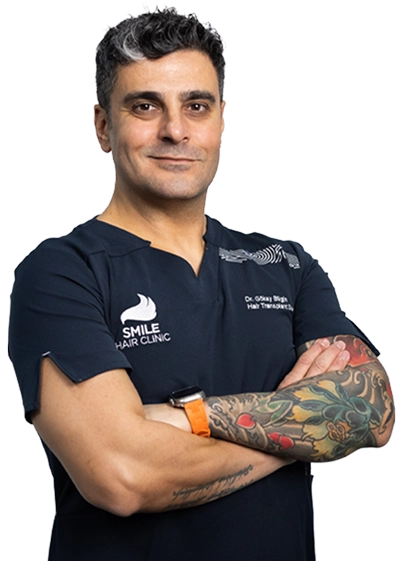
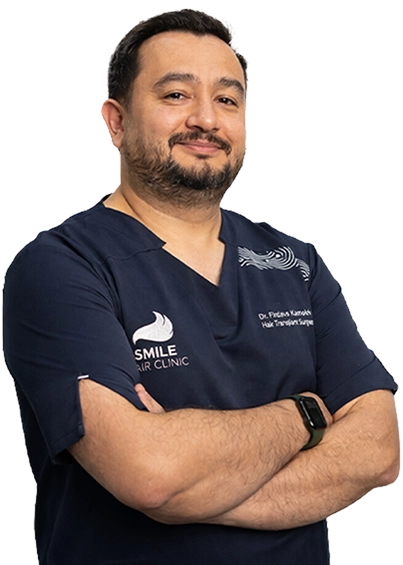
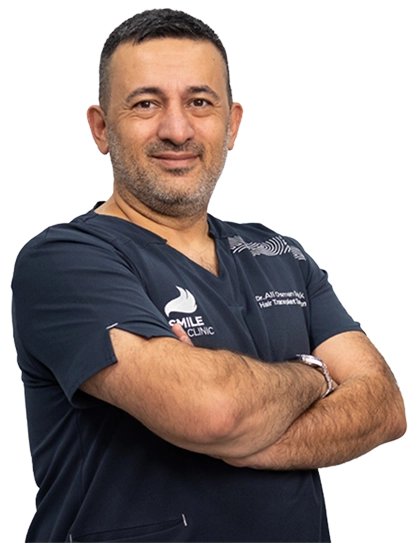
Smile Doktorları
Yeni Saç Yeni Sen

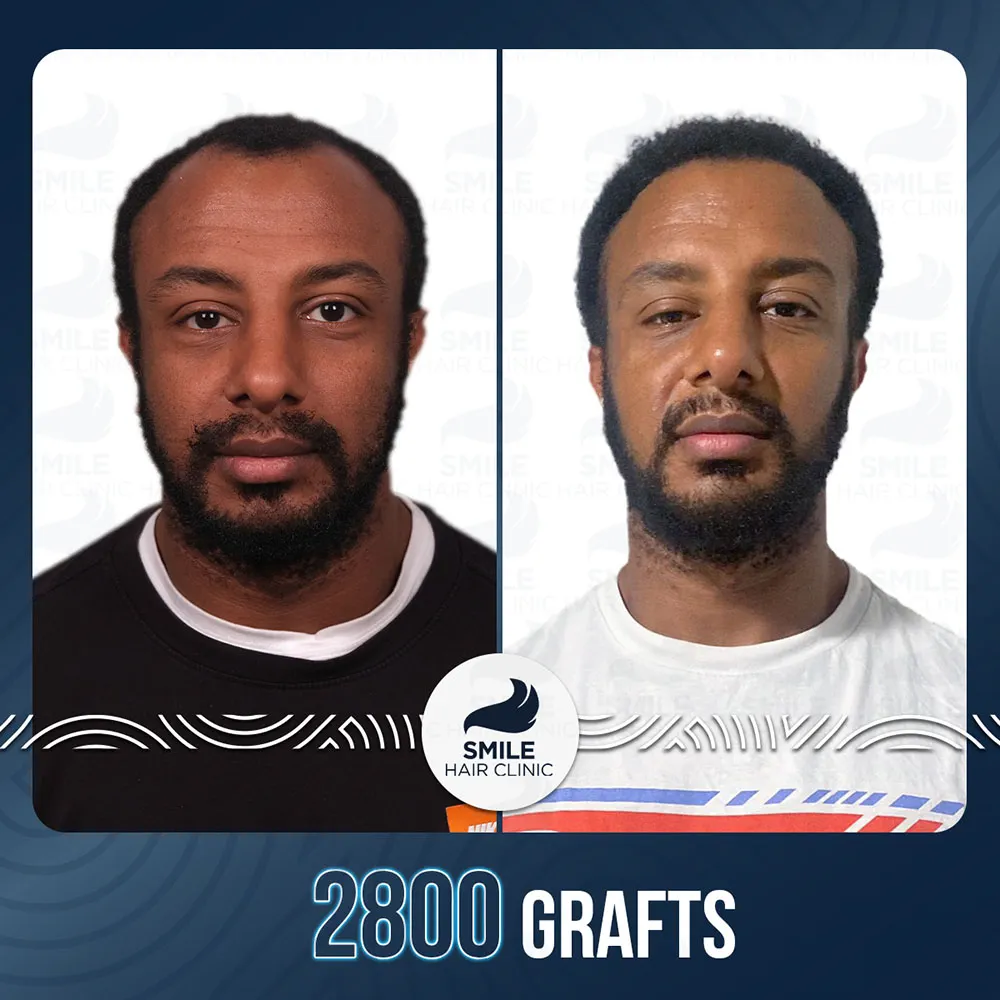
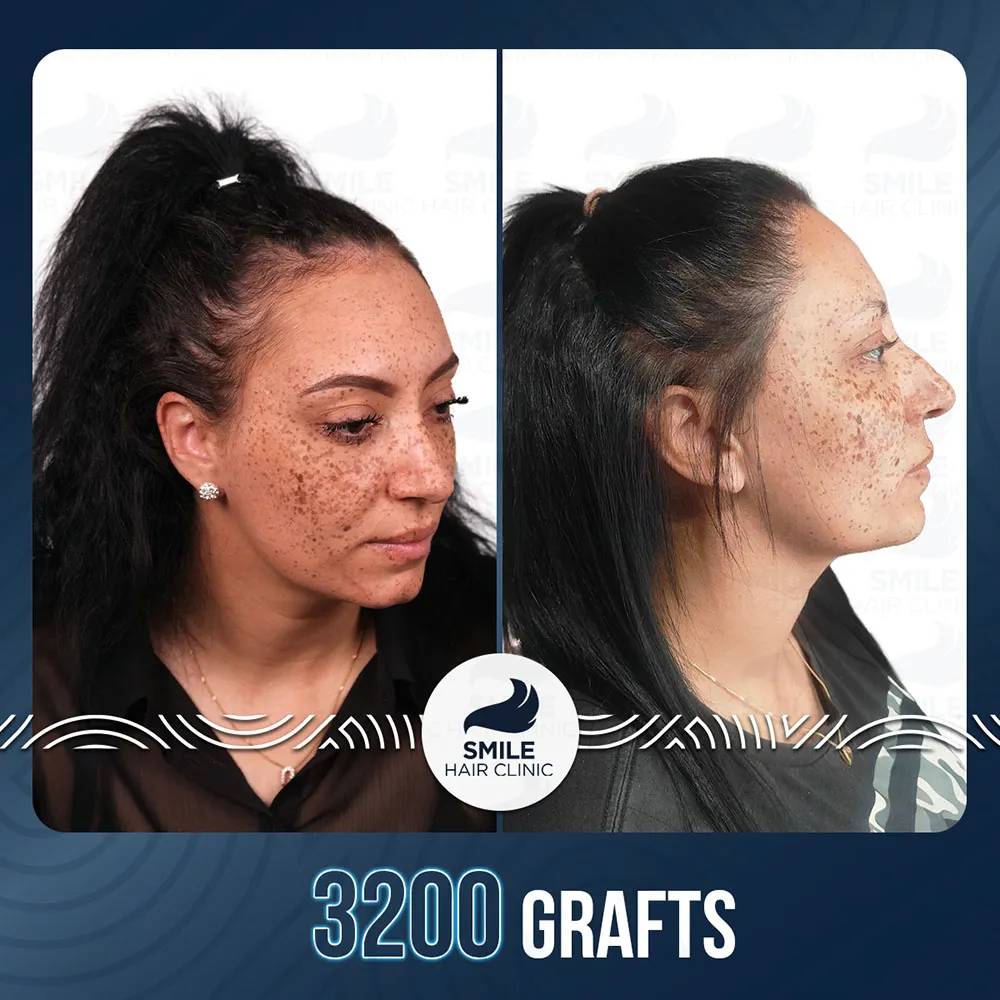
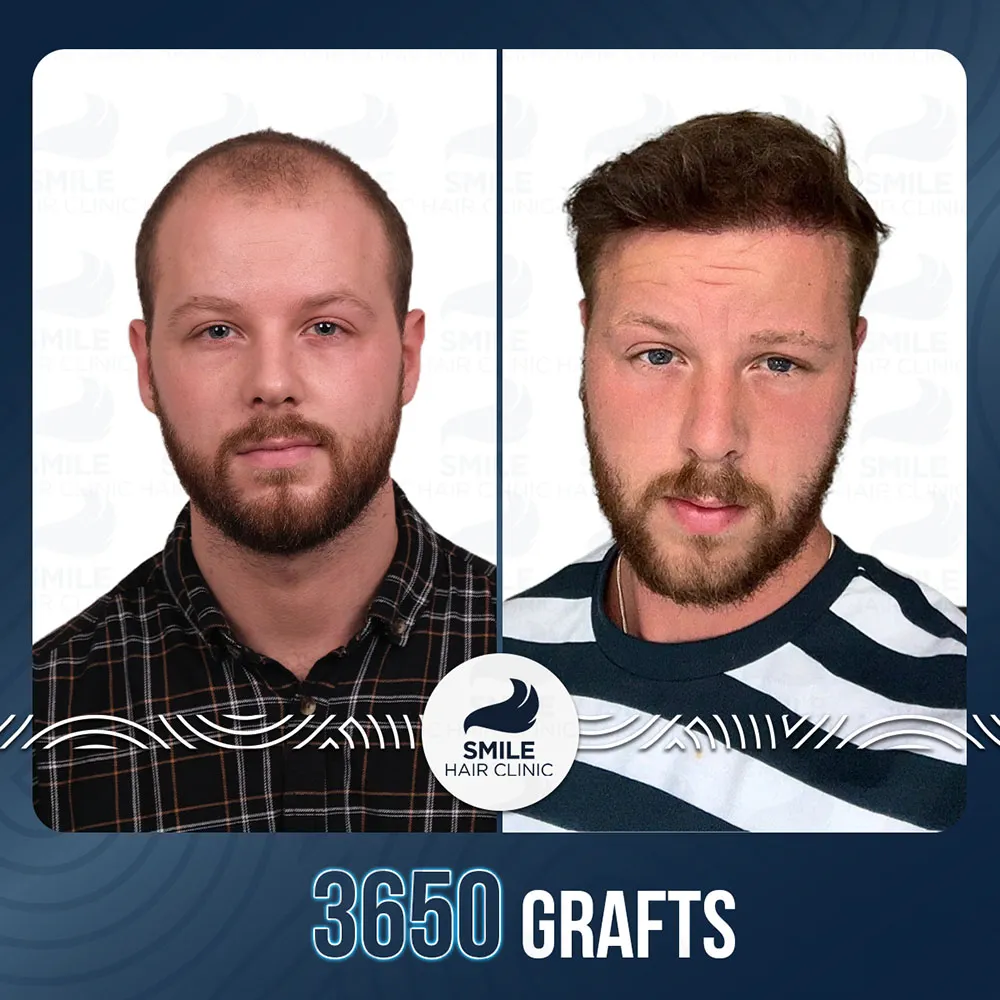
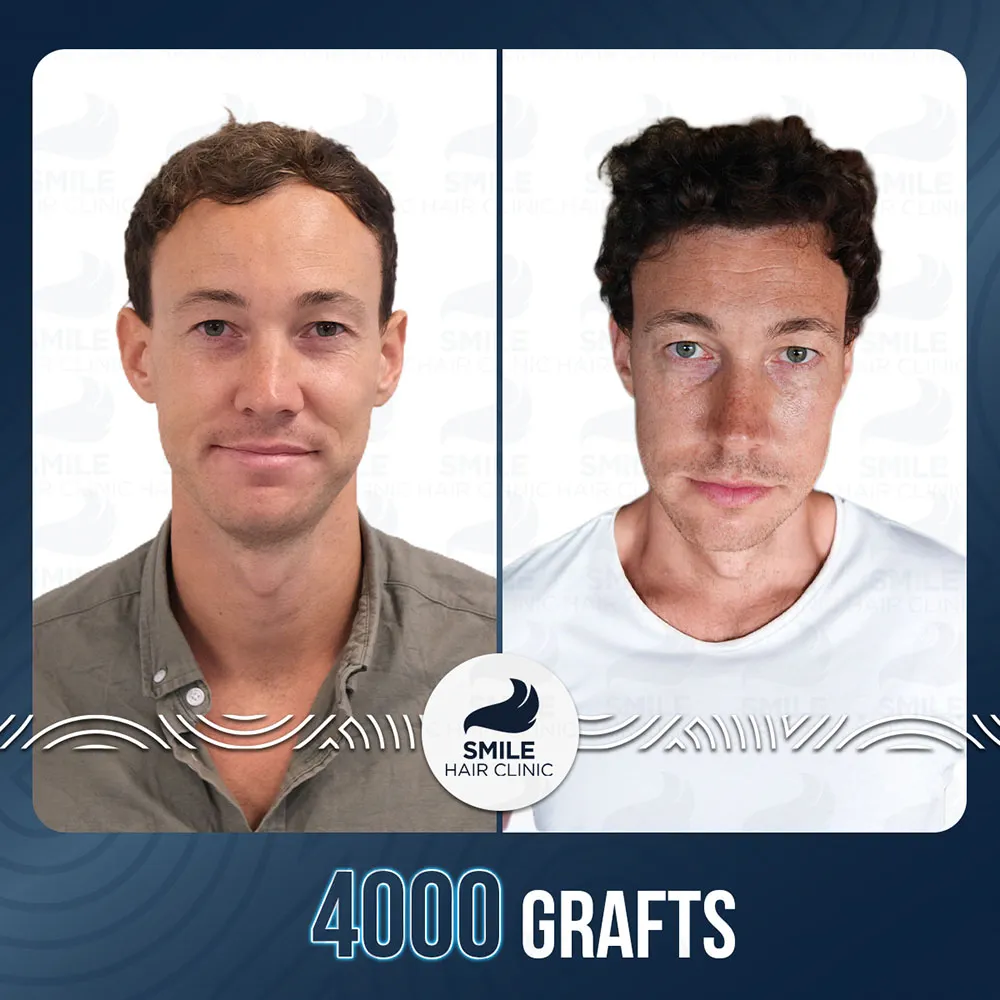
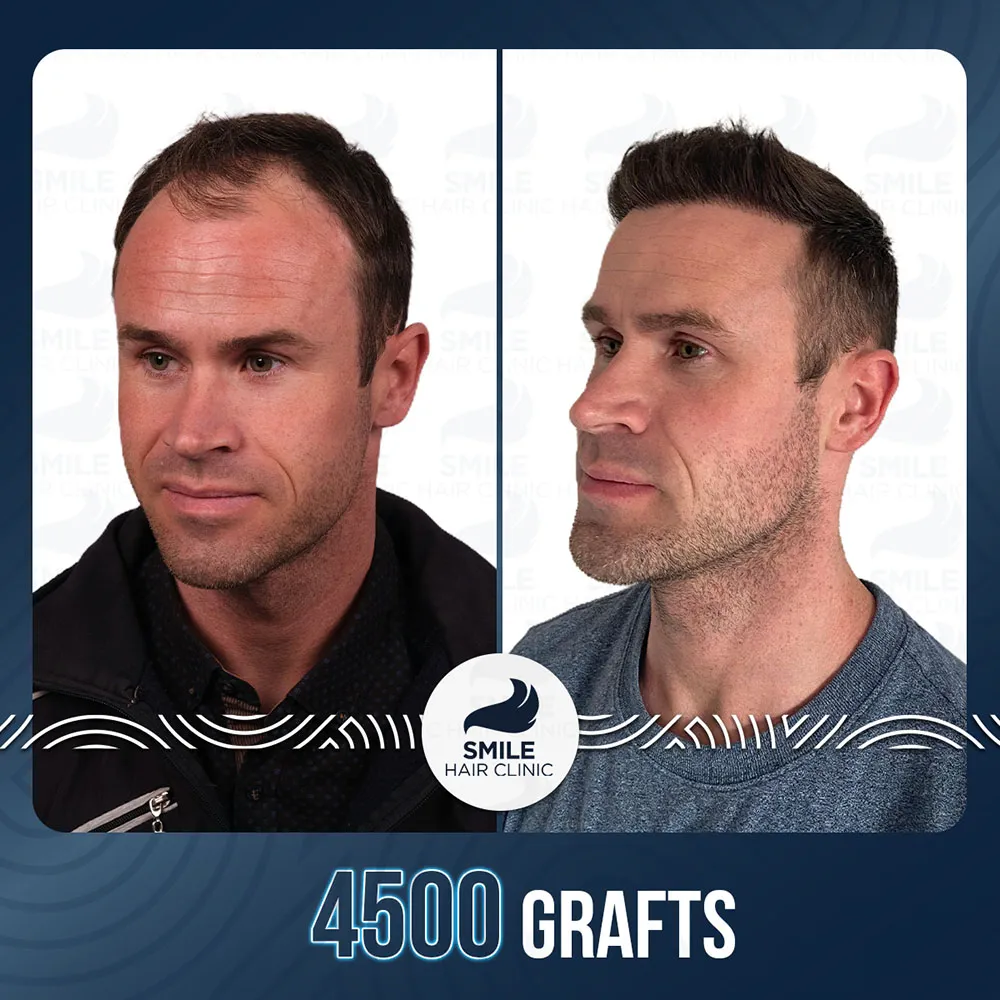
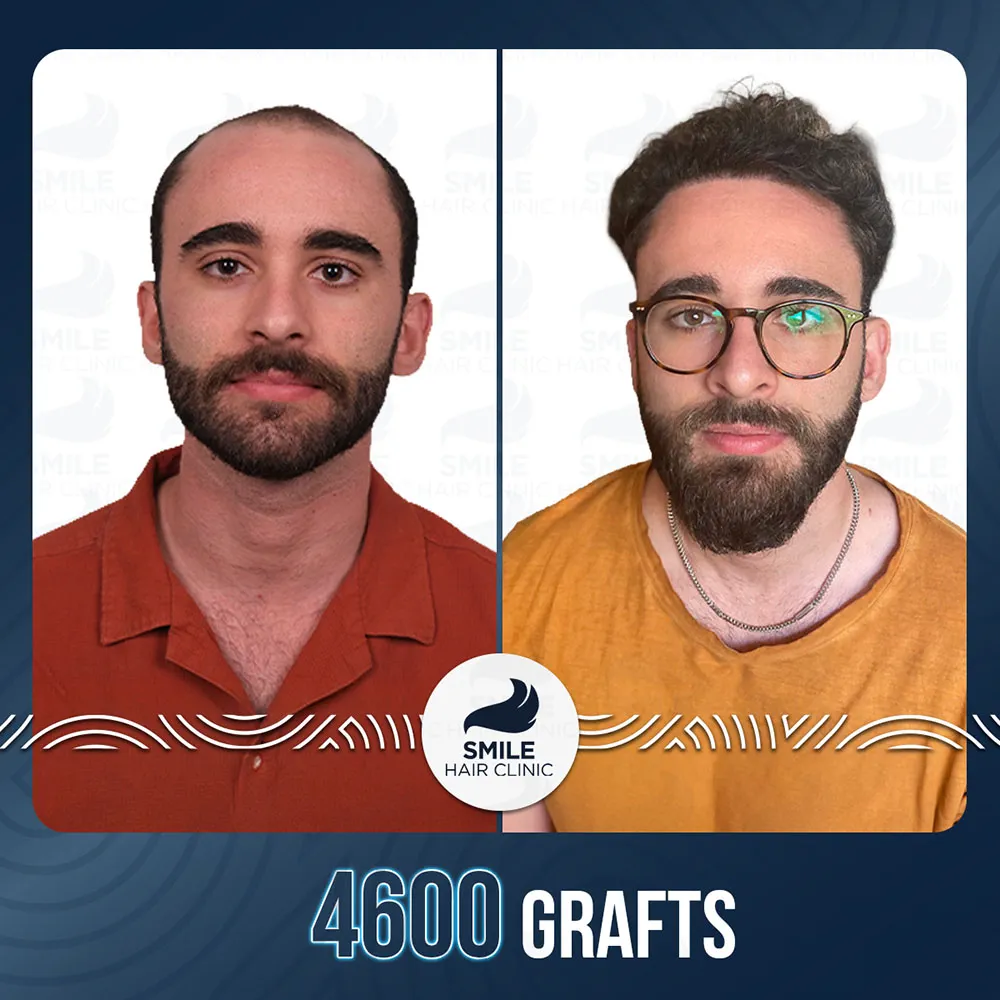
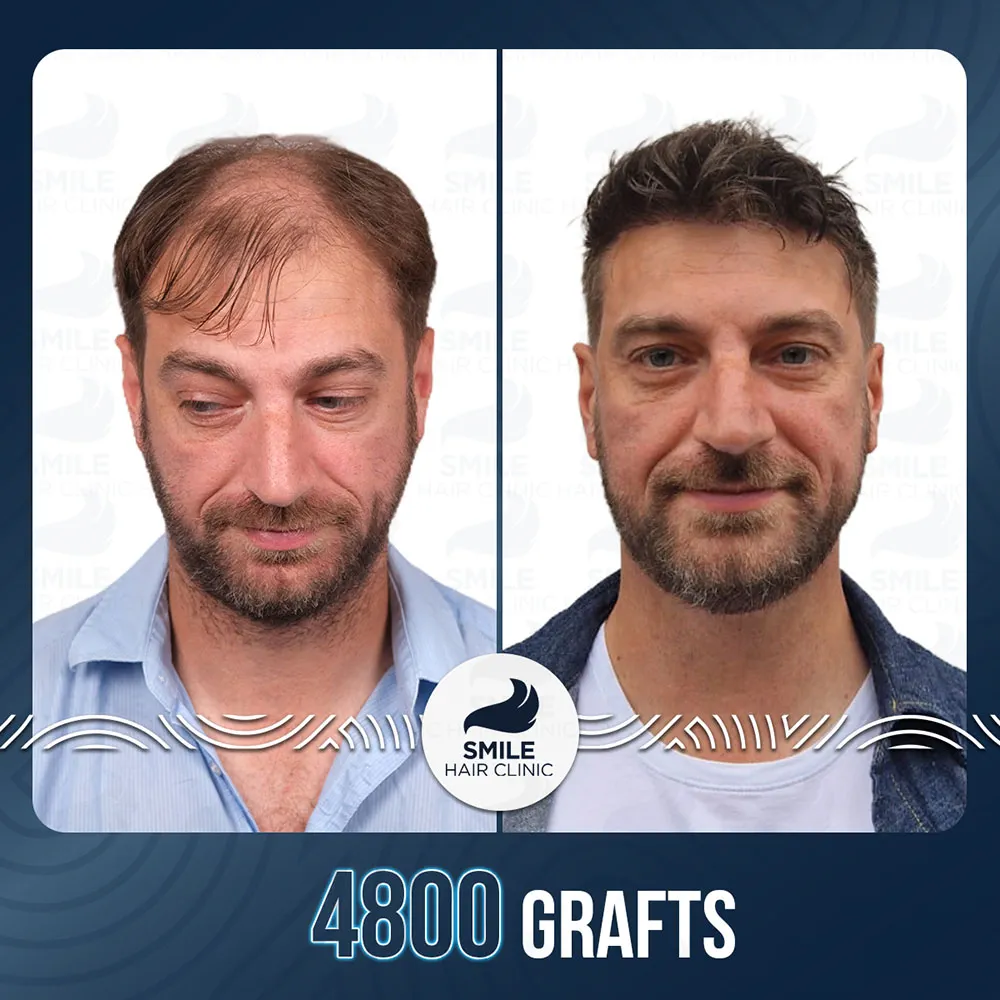
Öncesi & Sonrası

Felsefemiz

Smile True™ Philosophy

Smile Hair Clinic, saç ekimi yapma şeklini dört unsurdan oluşan True™ Philosophy etrafında disipline etmiştir ve bu dört unsur, markanın dört ana değeri etrafında dönmektedir.

True Planlama
Smile'da süreç her zaman analizle başlar. True Planning tekniği, doğal görünümlü bir ekim sonucu elde etmenin yolunu aydınlatır. Karar vermeden önce verileri incelemek saç ekiminde önemli bir adımdır. Bu nedenle Smile, hastanın girdilerini tanır ve maksimumu elde etmek için çabalar. True Planning adımında, doktorlarımız donör alanı ayrıntılı olarak inceler. Smile, hastanın ihtiyaçları için en uygun greft sayısını belirlemenin doktorun saç tasarım becerilerine ve zevkine bağlı olduğuna inanır.
True Saç Çizgisi Tasarımı
Saç çizgisi tasarımının doğal görünümlü bir saç ekimi sonucunun anahtarı olduğuna inanıyoruz. Gerçek Saç Çizgisi Tasarımı prosedürlerimiz, estetik oranları ve görünümü korumak için tek saç foliküler ünitelerinin ön hatlara yerleştirilmesine öncelik verir. Estetik ön çizgi çizimimiz, saçları doğal görünümlü bir şekilde uzatmak için her zaman açıları dikkate alır. Saç çizgisinin erkeksiliğini korumak önemli olduğundan saç çizgisinin konumu alındaki kaslar tarafından belirlenir.
True Uygulama
Operasyon günü, tüm dönüşüm sürecinde başarılı bir sonuç için önemli bir kilometre taşıdır. Operasyon günü uzun bir teknik detay hazırlığının ardından tam bir maratondur. Dolayısıyla Smile’ın üst düzey önlemleri sayesinde hiçbir şeyin ters gitmesine izin verilmiyor. Smile'ın ana hedefi her zaman başarılı operasyonlar ve sonuçlar elde etmek olup, tüm çabasını ve kaynaklarını başarılı olmak ve elinden gelenin en iyisini yapmak için kullanır.
True İnovasyon
Smile Hair Clinic'in kurucuları, gelişimi tıbbın temeli olarak görme fikrine güçlü bir şekilde bağlılar. Smile'ın inovasyon geliştirme konusunda bitmeyen bir tutkusu vardır. Smile tıp uzmanları ve tıbbi danışmanlar her zaman en etkili saç ekimi operasyonlarını gerçekleştirmek için daha etkili yollar bulmaya çalışmaktadır. Safir Ekimi tekniği tüm operasyonların olmazsa olmazıdır ve Gerçek İnovasyonun en parlak tezahürlerinden biridir.
saç
Neden Smile Hair Clinic'i Seçmelisiniz?

Saç, estetik algımızın ve özgüvenimizin önemli bir parçasıdır. Doğru uygulamalar, yalnızca görünümü değil, aynı zamanda kişinin kendine olan güvenini de güçlendirir. Smile Hair Clinic, ileri tıbbi teknikleri ve etik yaklaşımıyla sınıfının en iyisi tıbbi prosedürleri sunar.Uzman doktorlarımızın deneyimi, hasta odaklı hizmet anlayışımız ve misafirperverlik kültürümüzle, doğal ve başarılı saç ekimi sonuçları elde etmenizi sağlıyoruz.

Basında Biz

Galeri

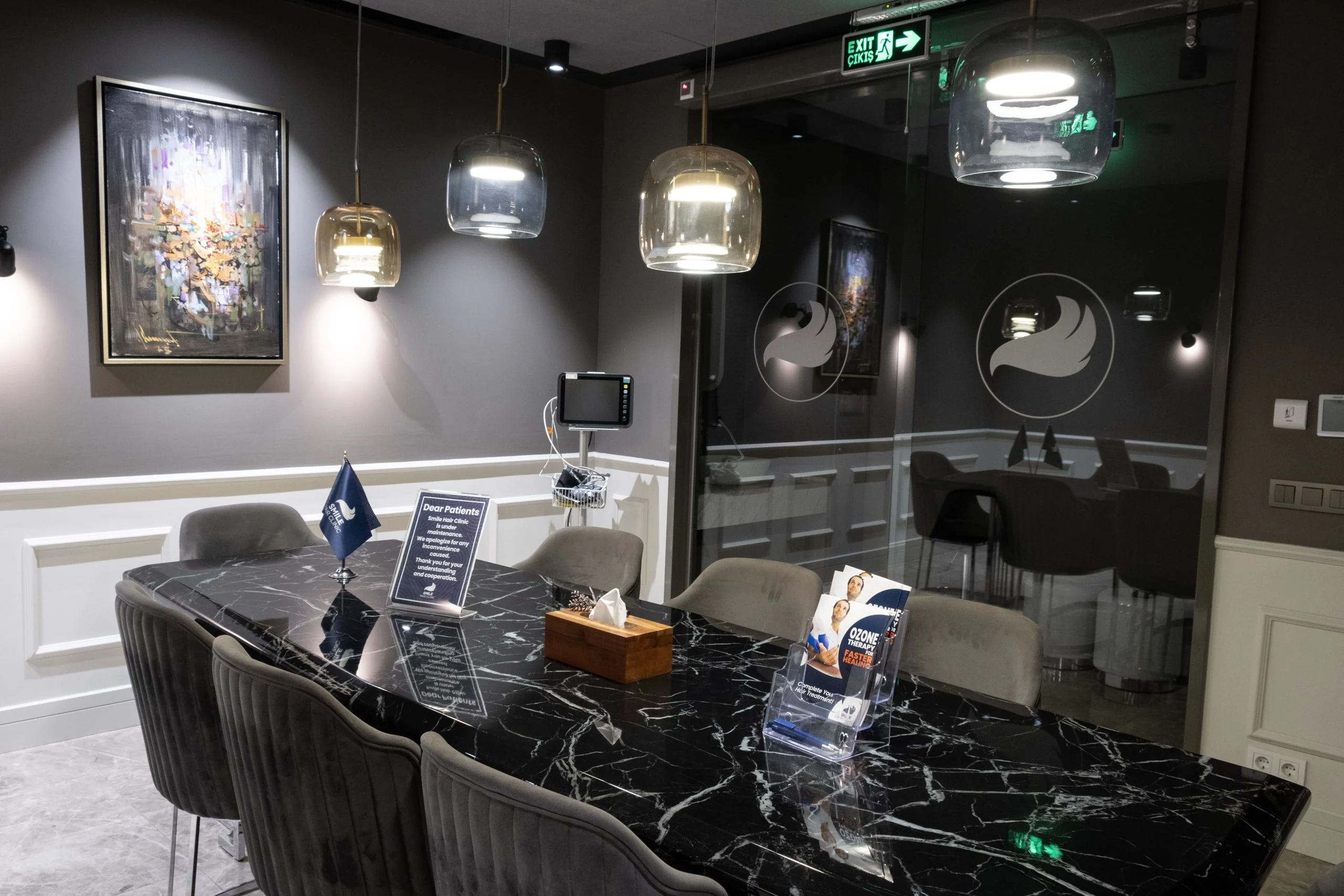
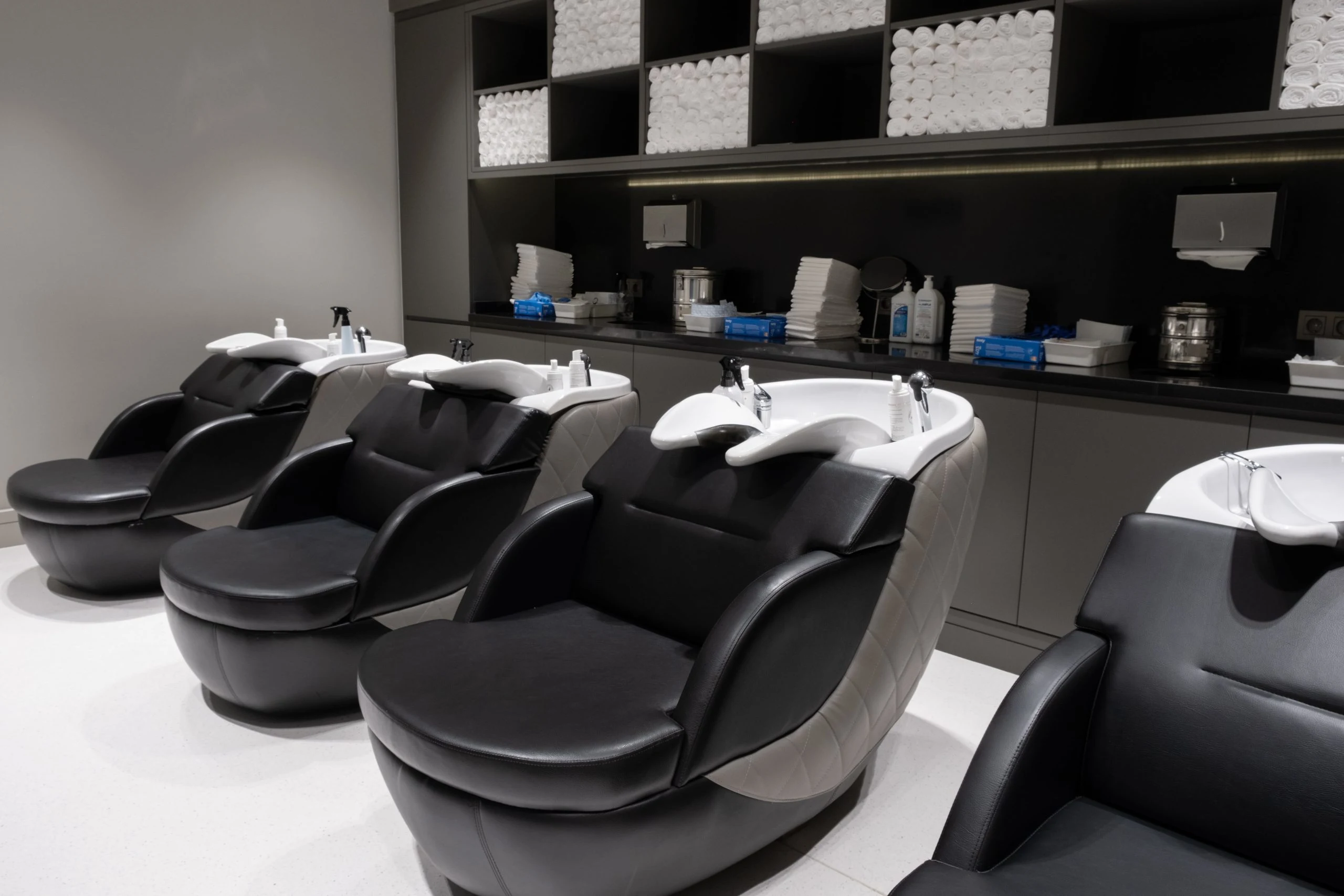
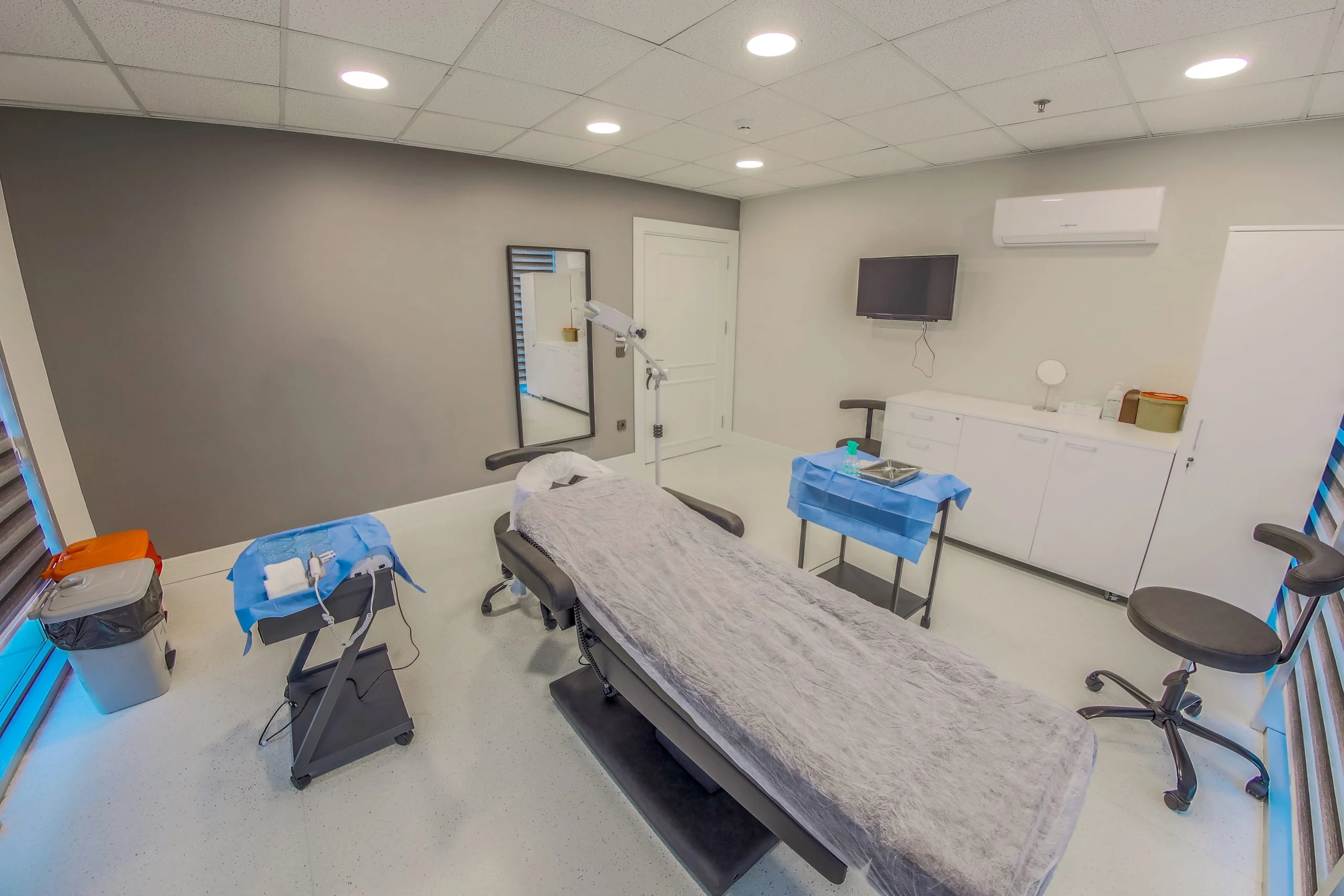
Kliniğimiz

Doğru Dönüşüm

Hasta Rehberi

Operasyon Öncesi

Saç ekimi yaptırmadan önce nelere dikkat edilmesi gerektiği, birçok saç ekimi adayının aklındaki en önemli sorulardan biridir. Daha önce bu deneyimi yaşamamış kişiler için bilinmezlik kaygı yaratabilir, ancak bu son derece doğaldır. Smile Hair Clinic olarak, sürecin her aşamasında kendinizi güvende hissetmeniz için detaylı bir operasyon öncesi rehberi hazırladık. Tüm süreçler hakkında bilgi sahibi olmak, operasyon gününe daha rahat ve bilinçli bir şekilde hazırlanmanızı sağlayacaktır.

Operasyon Günü

Operasyon günü, saç ekimi sürecinizin en önemli adımlarından biridir. Kliniğimize geldiğinizde ekibimiz sizi karşılayacak ve operasyon öncesi gerekli hazırlıkları yapacaktır. İşlem sırasında konforunuz ön planda tutulur ve ekibimiz size rehberlik eder.

Operasyonun aşamaları ve dikkat edilmesi gereken tüm detaylar, size özel olarak sunulan kılavuzda yer almaktadır. Ekibimiz, süreç boyunca size destek sağlamaya devam edecektir.

Operasyon Sonrası

Operasyon sonrası iyileşme süreciniz başlar ve bu süreçte dikkat etmeniz gereken bazı temel noktalar bulunur. İlk günlerden itibaren doktorunuzun önerilerine uyarak süreci en sağlıklı şekilde yönetebilirsiniz. Saç ekiminin doğal bir iyileşme süreci olduğunu unutmayın ve sabırlı olun.

Bu dönemde dikkat etmeniz gereken tüm detaylar, size özel hazırlanan operasyon sonrası kılavuzumuzda yer almaktadır. Ekibimiz, ihtiyaç duyduğunuz her an size destek sağlamaya devam edecektir.
Doğru Dönüşüm
Teknikler

Smile Hair Clinic, saç ekimi operasyonlarında en yüksek standartları benimser ve her aşamada kaliteyi ön planda tutar. Klinik yaklaşımımızın temel örneklerinden biri, Safir FUE ekim tekniğinin tüm operasyonlarımızda vazgeçilmez bir standart olarak uygulanmasıdır.

Tıp doktorları tarafından kurulmuş bir klinik olarak Smile Hair Clinic’te saç ekimi operasyonları; tıp doktorlarımızın gözetimi altında, deneyimli sağlık ekibimiz tarafından güvenli ve titiz bir şekilde gerçekleştirilir.

About Smile Hair Clinic

Doctor-Founded Hair Transplants in Istanbul

Smile Hair Clinic was founded in 2018 by Dr. Mehmet Erdoğan and Dr. Gökay Bilgin. We are one of the few clinics in Turkey founded and managed by doctors.

For over 8 years we have been performing Sapphire FUE and DHI procedures under surgeon supervision. Since our founding we have performed over 30,000 procedures and serve approximately 5,000 international patients annually.

Watch the BBC documentary about Paul, who chose Smile Hair Clinic for his hair transplant.

Around one million people fly to Turkey every year for hair transplants, a figure reported by the Turkish Health Tourism Association, and most of them land in Istanbul. The reason is simple arithmetic. A hair transplant in the United States averages $6,000 to $12,000 and can pass $15,000, according to GoodRx, while a registered nurse from California told NPR his procedure in Istanbul came to around $3,400 with flights and lodging included. We perform Sapphire FUE and DHI hair transplants in Istanbul under three all-inclusive packages, Gold at €2,390, Platinum at €3,290, and Diamond at €5,790, with surgery, accommodation, transfers, and aftercare all counted in.

The hard part is no longer finding a low price. It is separating a doctor-led clinic with real accountability from the volume operations that have grown up around the boom. What follows sets out how Turkish pricing compares with the markets most patients fly in from, what the procedure actually gives you, how the techniques differ, who makes a good candidate, what recovery looks like month by month, and the criteria worth applying to any clinic before you book, this one included. Start with the cost comparison below.

Turkey vs. USA

Save up to 70% vs. the USA
CountryTypical ModelApprox. Total Cost
Turkey (typical market)Fixed inclusive package€ 1,800 – € 5,500
Smile Hair ClinicFixed inclusive package€ 2,390 – € 5,790
United StatesPer graftUS$ 10,000 – US$ 20,000

US clinics operate under some of the strictest facility and insurance regulations in the world, and that regulatory overhead shows up directly in the per-graft rate. The surgical technique itself, FUE or DHI, is the same technique used in Turkey. What changes is the cost base behind it and the pricing model, per graft rather than a fixed package.

Turkey vs. UK

Save up to 55% vs. the UK
CountryTypical ModelApprox. Total Cost
Turkey (typical market)Fixed inclusive package€ 1,800 – € 5,500
Smile Hair ClinicFixed inclusive package€ 2,390 – € 5,790
United KingdomPer graft or package£ 4,000 – £ 12,000

UK clinics usually quote per graft, so the final bill scales with the size of your case rather than being fixed in advance. Higher clinical overheads and staffing costs sit behind that rate. A large session that would be a single fixed package in Istanbul can push a UK quote toward the top of this range.

Turkey vs. Ireland

Save up to 55% vs. Ireland
CountryTypical ModelApprox. Total Cost
Turkey (typical market)Fixed inclusive package€ 1,800 – € 5,500
Smile Hair ClinicFixed inclusive package€ 2,390 – € 5,790
IrelandPackage or per graft€ 3,000 – € 15,000

Irish pricing varies more widely than most markets, with some clinics quoting packages and others charging per graft. The wide spread reflects that variation rather than a difference in surgical standards. Many Irish patients also factor in that Turkey requires no visa for short stays, which keeps the travel side simple.

Turkey vs. Canada

Save up to 60% vs. Canada
CountryTypical ModelApprox. Total Cost
Turkey (typical market)Fixed inclusive package€ 1,800 – € 5,500
Smile Hair ClinicFixed inclusive package€ 2,390 – € 5,790
CanadaPer graftCAD 10,000 – CAD 22,000

Canadian clinics price per graft, and hair restoration is not covered by public health insurance, so the full amount is out of pocket. Combined with a smaller number of dedicated hair transplant units per capita, waiting times and pricing both tend to sit above the European average.

Turkey vs. Australia

Save up to 65% vs. Australia
CountryTypical ModelApprox. Total Cost
Turkey (typical market)Fixed inclusive package€ 1,800 – € 5,500
Smile Hair ClinicFixed inclusive package€ 2,390 – € 5,790
AustraliaPer graftAUD 12,000 – AUD 28,000

Australia has one of the highest per-graft rates of any major market, driven by labour costs and a limited number of clinics performing high volumes. For Australian patients the flight is long, which is why the trip is usually planned around a single fixed-price package rather than a staged, multi-visit approach.

See the All Hair Transplant Costs

Figures are typical market ranges for a comparable procedure and vary by graft count, technique, and individual clinic quotes. Savings percentages compare average package pricing, converted to a common currency, and vary by clinic and case.

Why Turkey Became the Capital of Hair Transplants?

Turkey did not undercut the world by cutting corners. It built scale. Istanbul alone runs a dense network of clinics that handle high daily case volumes, which lets experienced teams refine extraction and placement across thousands of procedures a year. That surgical repetition, paired with a favourable exchange rate and lower operating costs, is what produces the price gap rather than a quality gap at accredited clinics.

International Health Tourism Visitors to Turkey
Ministry of Health data, 2021 to 2025
International health tourism in Turkey, 2021 to 2025: patient count and revenue in thousand US dollars.
YearPatient CountRevenue (thousand USD)
2021729,592$2,016,262
20221,381,807$2,206,750
20231,538,643$3,006,092
20241,506,442$3,022,957
20251,398,580$3,022,452
Source: USHAŞ, Turkey's International Health Services Inc., operating under the Turkish Ministry of Health, data compiled by the Turkish Statistical Institute (TurkStat). Hair transplantation is the single largest procedure category within this volume; Turkey also leads the world in hair transplant procedure count according to the ISHRS 2025 Practice Census.

The numbers describe an industry, not a side business. The Turkish Health Tourism Association reported roughly one million hair transplant visitors in a single recent year, spending close to $2 billion. Health tourism across all treatments brought close to 1.4 million visitors and just over $3 billion in revenue in 2025, according to the Turkish Health Ministry figures charted above. Walk through an Istanbul airport and the scale is visible on the ad screens before you ever reach a clinic.

Scale cuts both ways, and the responsible thing is to say so. Our co-founder Dr. Mehmet Erdoğan described the current market to NPR in 2025 as having a "Wild West" quality, where the burden falls on the patient to do their homework. That is exactly why accreditation and surgeon involvement matter more in Turkey than the headline price.

What Are the Benefits of Getting a Hair Transplant in Turkey?

The market conditions above explain why Turkey leads on volume. What follows is what those conditions actually change for you as a patient, from the price you pay to the number of cases the team operating on you has already handled.

Lower Cost Without a Drop in Technique

The same Sapphire FUE and DHI methods used in London or New York, at a fraction of the price. The gap comes from exchange rates and operating costs, not from a cheaper version of the surgery.

One Fixed Price, Nothing Bolted On

Surgery, hotel, VIP transfers, medication, and follow-up are quoted as a single figure before you fly, rather than a per-graft rate that only becomes final once the session is over.

PROTOTYPE PLACEHOLDER — NOT REAL MEDIA Benefits image asset still required. Ratio, radius and alignment are final.

A Short Trip, Not a Long Course

Three to five days in Istanbul covers the consultation, the surgery, the first wash, and a recovery day. Most patients take a single block of leave rather than repeated clinic visits over months.

Aftercare That Follows You Home

The trip ends after a few days but the result takes a year to settle, which is why a structured 12-month plan with remote photo check-ins matters more than anything that happens on the surgery day itself.

Surgical Volume and Experience

Benefiting from continuous daily practice, specialized teams in Istanbul refine their extraction and placement techniques while maintaining a highly individualized approach for every patient. In a technique-dependent operation, combining that extensive repetition with personalized care is worth more than any single piece of equipment.

Every Technique Under One Roof

FUE, Sapphire FUE, and DHI are all routinely available here, so the method is matched to your donor capacity and hair type rather than to whatever a single clinic happens to offer.

Accreditation You Can Verify

International standards such as TEMOS apply here as they do anywhere else, so a clinic's accreditation can be checked independently before you commit rather than taken on trust from an advert.

Care in Your Own Language

Dedicated interpreters in English, French, German, Italian, Spanish, Arabic, and other major languages mean consent, aftercare instructions, and follow-up conversations happen in a language you actually think in.

What Does the "Best Hair Transplant Clinic in Turkey" Actually Mean?

There is no official ranking of hair transplant clinics in Turkey. No medical authority certifies a single "best" clinic. Any list or ad claiming a number one spot is marketing, not medicine. The best clinic is the one whose standards match your individual case, and that can be measured against objective criteria: international accreditation such as TEMOS, the degree of surgeon involvement in critical stages like hairline design and incision rather than technician-run and volume-focused workflows, transparent all-inclusive pricing with no hidden fees, verified long-term patient results, a structured aftercare programme, and honest graft planning based on your donor capacity, including the willingness to say no when you are not a suitable candidate.

Personal factors matter too. Language support, the technique that fits your hair type, and how thoroughly your case is analysed before any commitment all shape the outcome. Rather than searching for the best clinic, evaluate every clinic, including ours, against these criteria. A clinic confident in its standards will welcome the scrutiny.

Hair Transplant Technique and Treatments

Different Types of Hair Transplants Performed in Turkey

Explore our default technique, the specialist considerations that can change how it is performed, and how treatment is planned around your case, whether that is a full hairline rebuild or a beard.

Techniques

Denser Packing and Finer Incisions With Sapphire FUE

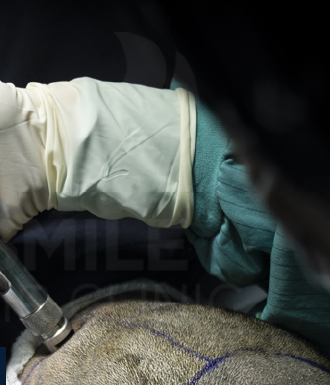
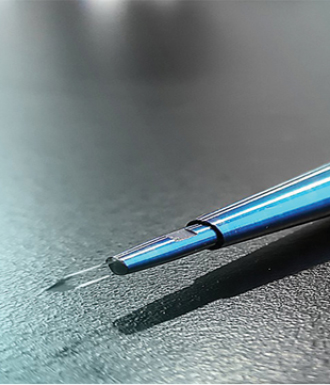
Sapphire FUE follows the same extraction process as standard FUE, but recipient sites are opened with blades made from sapphire crystal rather than steel. The finer, V-shaped incision this creates can support denser graft packing and a more precise hairline, which is why it is our default technique for most patients.

  • Sapphire blades create narrower, V-shaped incisions
  • Supports denser graft packing in the recipient area
  • Comfortable for larger sessions above 3,000 grafts
  • Default technique for full hairline rebuilds and crown coverage
  • Sapphire incision: recipient sites are opened with sapphire blades at the planned angle and density

The Sapphire FUE technique explained by our co-founder and hair transplant surgeon, Dr. Gökay Bilgin.

Technique
Individual grafts extracted with a micro-punch, recipient sites opened with sapphire blades
Duration
6 to 8 hours
Recovery
5 to 7 days
Results
Initial growth from month 3 to 4, full result at 12 to 18 months
Suitability
Broad coverage, full hairline rebuilds, crown density, larger sessions
Anaesthesia
Local
Scars
Dot-like, under 1mm, in both donor and recipient areas

Implanting Without Pre-Opened Channels Using DHI

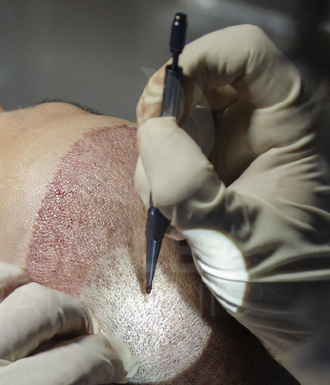
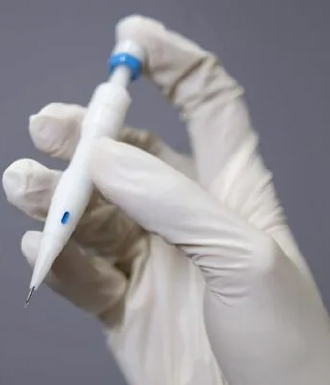
DHI, or Direct Hair Implantation, uses a Choi implanter pen that opens the recipient site and places the graft in the same movement, so no channels are cut in advance. That shortens the time each graft spends outside the scalp and gives close control over the angle, direction and depth of every placement, which is why it is most often chosen for hairline work, for focused density, and for cases where shaving is to be kept to a minimum.

  • Recipient site opened and graft placed in a single movement
  • No channels cut in advance, so grafts spend less time outside the scalp
  • Close control over the angle, direction and depth of each graft
  • Suited to the hairline, the crown transition and small dense areas
  • Works with partial or no shaving, which matters if you keep your hair long
  • Slower per graft than Sapphire FUE, so it suits focused areas rather than the largest sessions
Technique
Grafts extracted with a micro-punch and implanted directly with a Choi pen, without pre-opened channels
Duration
6 to 8 hours
Recovery
5 to 7 days
Results
Initial growth from month 3 to 4, full result at 12 to 18 months
Suitability
Hairline design, focused density, and cases where shaving is to be limited
Anaesthesia
Local
Scars
Dot-like, under 1mm, in the donor area

Full Hand Control Over Every Extraction With Manuel FUE

Manuel FUE is the original follicular unit extraction method: the surgeon removes each graft with a hand-held micro-punch rather than a motorised one, judging the depth and the angle of every pass by feel. It is slower than a motorised extraction, and that is the point, because the reduced rotational force is gentler on the follicle. It governs the extraction stage only, so the grafts it produces are placed with the implantation method your case calls for.

  • Each graft extracted by hand with a micro-punch, without a motor
  • Depth and angle judged individually for every follicle
  • Less rotational force on the graft, which lowers the risk of transection
  • Suited to fragile, curly or previously harvested donor areas
  • Slower than motorised extraction, so session size is planned around it
  • Governs extraction only: implantation still follows the Sapphire or DHI stage
Technique
Grafts extracted one by one with a hand-held micro-punch, then implanted through the Sapphire or DHI stage
Duration
6 to 8 hours
Recovery
5 to 7 days
Results
Initial growth from month 3 to 4, full result at 12 to 18 months
Suitability
Fragile, curly or previously harvested donor areas, and smaller precision sessions
Anaesthesia
Local
Scars
Dot-like, under 1mm, in the donor area

Extending a Limited Donor Supply With Body Hair

A body hair transplant draws grafts from the beard, the chest or another body area when the scalp donor supply is not enough on its own, most often in advanced pattern loss or in repair cases where earlier surgery has already thinned the back of the head. Body hair differs from scalp hair in thickness, growth cycle and curl, so it is normally combined with scalp grafts and placed where those differences read least, rather than used on its own across the hairline.

  • Draws on beard, chest or other body donor areas when scalp supply is limited
  • Usually combined with scalp grafts rather than used on its own
  • Beard grafts add thickness, chest grafts suit softer, more diffuse coverage
  • Placed behind the hairline, where texture differences are least visible
  • Extraction is slower, since each donor area has its own angle and depth
  • Confirmed only after every donor area is assessed in person
Technique
FUE extraction from beard, chest or other body donor areas, placed alongside scalp grafts
Duration
6 to 8 hours
Recovery
5 to 7 days
Results
Initial growth from month 3 to 4, full result at 12 to 18 months
Suitability
Advanced pattern loss, repair cases, and limited scalp donor capacity
Anaesthesia
Local
Scars
Dot-like, under 1mm, in both the scalp and the body donor areas

Treatment Without Shaving the Hair You Already Have

An unshaven hair transplant leaves your existing hair at its normal length. Only the narrow strip of donor hair being harvested is trimmed, and the hair above it covers that strip once the session is over, so there is no visible sign that anything has been shaved. Working between hairs that are still full length is slower and the field is harder to read, which is why it is planned as a small or medium session rather than full coverage.

  • Your existing hair stays at its normal length throughout
  • Only the harvested donor strip is trimmed, and it stays covered
  • Chosen where visible downtime is not an option
  • Slower to perform, so it suits small and medium sessions
  • Most often planned for the hairline and focused areas of thinning
  • Suitability confirmed at the examination, since donor density has to allow it
Technique
Grafts harvested from a trimmed donor strip hidden under existing hair, with the recipient area left unshaven
Duration
6 to 8 hours
Recovery
5 to 7 days
Results
Initial growth from month 3 to 4, full result at 12 to 18 months
Suitability
Small to medium sessions where visible downtime is not possible
Anaesthesia
Local
Scars
Dot-like, under 1mm, in the donor area

Seeing the Design on the Day With Long FUE

Long FUE transplants grafts with the hair still attached rather than cut back to stubble, and neither the donor nor the recipient area is fully shaved. Because the transplanted hairs keep their length, the planned hairline and density are visible on the day of surgery instead of only after the first growth cycle. Extracting and placing grafts at full length is demanding work, so sessions are smaller and more focused than a standard shaved case.

  • Grafts transplanted with the hair left at length rather than shaved
  • The planned hairline and density are visible immediately after surgery
  • Neither the donor nor the recipient area is fully shaved
  • Demanding to extract and place, so sessions are smaller and more focused
  • Most often used for hairline design and refinement work
  • The transplanted hairs still shed and regrow on the normal timeline
Technique
Grafts extracted and implanted with the hair shaft left at full length, without shaving the recipient area
Duration
6 to 8 hours
Recovery
5 to 7 days
Results
Initial growth from month 3 to 4, full result at 12 to 18 months
Suitability
Hairline design and refinement, and smaller sessions where shaving is not wanted
Anaesthesia
Local
Scars
Dot-like, under 1mm, in the donor area
Treatments
Scalp Pattern Loss
Facial Hair

Treat Norwood-Stage Pattern Loss With a Men's Hair Transplant

Most male hair loss follows the Norwood scale, a receding hairline and thinning crown driven by androgenetic alopecia. Treatment is planned around your current Norwood stage and how much donor hair remains, since a plan that ignores future loss can look uneven a few years later.

  • Planned around your specific Norwood stage
  • Hairline, crown, or both treated in a single session
  • Long-term loss pattern considered, not only today's gap
  • Suitable from Norwood stage 2 through 7
  • Technique flexibility: FUE, Sapphire FUE, or DHI depending on your case
  • Combinable: Can be paired with beard or eyebrow work in the same trip
Technique
Sapphire FUE or DHI, chosen based on hairline and crown coverage needs
Typical grafts
2,000–4,500
Duration
6 to 8 hours
Recovery
5 to 7 days
Results
Initial growth from month 3 to 4, full result at 12 to 18 months
Suitability
Norwood 2 to 7, with a stable donor area
Anaesthesia
Local
Scars
Dot-like, typically under 1mm

Restore Density Without Full Shaving With a Female Hair Transplant

Female pattern hair loss usually shows up as diffuse thinning across the crown rather than a receding hairline, assessed on the Ludwig scale. Because the donor area needs to stay dense enough to support a natural part line, planning is more conservative, and DHI's no-shave option is often preferred for discretion.

  • Assessed on the Ludwig scale for diffuse thinning
  • No-shave or partial-shave planning available with DHI
  • Donor density protected to keep a natural, even part line
  • Suitable once thinning has stabilised, not during active shedding
  • Handles diffuse thinning: As well as more focal hairline work
  • Medical work-up first: Hormonal and nutritional factors reviewed before booking where needed
  • Design: part line and density map agreed, shaving plan confirmed
Technique
DHI, often with partial or no shaving, or Sapphire FUE for broader coverage
Typical grafts
1,500–3,000
Duration
6 to 8 hours
Recovery
5 to 7 days
Results
Initial growth from month 3 to 4, full result at 12 to 18 months
Suitability
Ludwig stage 1 to 3, stable donor area, non-active shedding
Anaesthesia
Local
Scars
Dot-like, under 1mm, easily hidden by surrounding hair

Curl-Safe Extraction With an Afro Hair Transplant

An afro hair transplant accounts for the fact that tightly curled hair keeps its curve beneath the skin, not just above it. A surgeon who has not worked with this hair type regularly risks cutting through follicles during extraction, which is why experience with afro-textured hair changes the outcome more than the choice of technique does.

  • Planned around the curved follicle path under the skin
  • Larger punch diameter to protect the follicle during extraction
  • Slower, more deliberate extraction to reduce transection
  • Fewer grafts often needed thanks to the natural volume of curled hair
  • Lower transection risk: Handled by a team that works with this hair type regularly
  • Keloid screening: Scarring tendency reviewed at consultation before booking
Technique
FUE with a wider punch and adjusted angle to follow the curved follicle beneath the skin
Typical grafts
1,500–4,000
Duration
6 to 8 hours
Recovery
5 to 7 days
Results
Initial growth from month 3 to 4, full result at 12 to 18 months
Suitability
Afro-textured hair with a stable donor area
Anaesthesia
Local
Scars
Dot-like, slightly wider than standard FUE, hidden once hair grows in

A Fuller, Even Beard With a Beard Transplant

A beard transplant moves grafts from the scalp's donor area into patchy or thin sections of the beard and jawline, following the natural direction beard hair grows so the result blends rather than looking pasted on. It is usually a shorter procedure than a full scalp session.

  • Grafts matched to the finer angle of facial hair
  • Fills patchy areas, connects a thin jawline, or adds overall density
  • Usually a shorter session than a full scalp transplant
  • Minimal downtime, most patients resume normal activity within days
  • Combinable: Can be paired with a scalp or eyebrow transplant in the same trip
  • Design: the new beard outline and density map are drawn before extraction
Technique
Grafts extracted from the scalp and implanted along the jaw and cheek following the natural growth direction
Typical grafts
500–2,500
Duration
4 to 6 hours
Recovery
4 to 6 days
Results
Initial growth from month 3 to 4, full result at 10 to 12 months
Suitability
Patchy growth, scarring in the beard area, or an overall fuller look
Anaesthesia
Local
Scars
Dot-like, under 1mm, in the donor area only

Rebuild Thin or Over-Plucked Brows With an Eyebrow Transplant

An eyebrow transplant restores brows thinned by over-plucking, scarring, or age, using single-hair grafts placed at the very shallow angle brow hair grows at. Precision matters more than volume here, since the brow sits on a small, highly visible area of the face where every graft direction is noticeable.

  • Single-hair grafts for a fine, natural brow line
  • Placed at the shallow angle brow hair naturally grows
  • Corrects over-plucking, scarring, or age-related thinning
  • Small session with minimal downtime
  • Permanent: Transplanted brow hair keeps growing and needs regular trimming
  • Design: the new brow outline is drawn and agreed with you before extraction
Technique
Single-hair grafts extracted from the scalp and implanted at a shallow angle along the brow
Typical grafts
200–800
Duration
2 to 4 hours
Recovery
3 to 5 days
Results
Initial growth from month 3 to 4, full result at 8 to 12 months
Suitability
Over-plucked, scarred, or naturally sparse brows
Anaesthesia
Local
Scars
Dot-like, under 1mm, in the donor area only

Restoring the Frame With a Sideburn Transplant

A sideburn transplant moves grafts from the scalp's donor area into sideburns that have thinned, receded or never grew evenly, following the direction the hair naturally falls so the sideburn reconnects the hairline to the beard line instead of sitting apart from it. It is one of the smaller facial procedures and is often carried out alongside a beard or scalp session in the same trip.

  • Grafts matched to the finer angle and direction of facial hair
  • Rebuilds a receded, patchy or asymmetric sideburn
  • Reconnects the temple hairline with the beard line
  • Minimal downtime, most patients resume normal activity within days
  • Combinable: Can be paired with a scalp or beard transplant in the same trip
  • Design: the new sideburn outline and edge are drawn and agreed with you before extraction
Technique
Grafts extracted from the scalp and implanted along the temple and upper jaw following the natural growth direction
Results
Initial growth from month 3 to 4, full result at 10 to 12 months
Suitability
Receded, patchy or asymmetric sideburns, or scarring in the sideburn area
Anaesthesia
Local
Scars
Dot-like, under 1mm, in the donor area only

Celebrity Hair Transplant Journey

Some of the people who travel to us are already recognisable, and their willingness to document the process on their own channels is a useful check on what a transplant here actually looks like, before and after. Mike Majlak, the American YouTuber and co-host of the Impaulsive podcast with Logan Paul, is one of them, and his relationship with us now spans two separate visits, four years apart.

Mike Majlak
YouTuber and Co-Host, Impaulsive Podcast

Mike had his hair transplant with us in 2022, then returned four years later for a PRP and Exosome therapy session, filming both trips for his own audience rather than as a sponsored one-off. Both videos are embedded below, and his own channels carry the unedited version of events.

2022 The Transplant

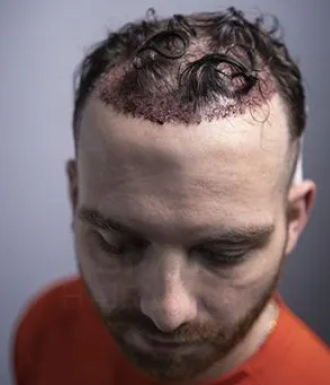
Mike's first visit covered the full arc of the procedure itself, from the initial consultation and hairline planning through to the surgery day and the early days of recovery. Rather than a polished highlight reel, the video runs long enough to show the parts of a transplant that most marketing material leaves out: the shaved scalp, the swelling, the scabbing in the first week, and the slow, unglamorous wait for anything to actually change. For anyone deciding whether to book a procedure in Istanbul, that kind of unfiltered documentation carries more weight than a handful of edited before-and-after photos, since there is nowhere for a bad result to hide in a multi-hour vlog.

Four Years Later PRP & Exosome Therapy

Four years on, Mike came back to us, not for a second transplant but for PRP and Exosome therapy, a non-surgical treatment used to support the density and condition of existing hair rather than add new grafts. That distinction matters. A transplant moves permanent, resistant follicles into thinning areas, but it does not stop the surrounding native hair from continuing to age and thin on its own timeline, which is exactly what maintenance treatments like PRP and Exosome therapy are meant to address. A patient choosing to come back to us years after the original procedure, for a different kind of treatment entirely, says more about long-term trust than any single result photo could.

Who is a Good Candidate for Hair Transplant Surgery?

The strongest candidate is an adult with stable pattern hair loss, a healthy donor area, and expectations grounded in what surgery can actually deliver.

  • Stable pattern hair loss
  • A healthy donor area
  • Expectations grounded in what surgery can actually deliver
  • Well-controlled blood pressure, normal haemoglobin, and no clotting disorder

Male pattern baldness, or androgenetic alopecia, and female pattern hair loss both respond best, because the donor follicles keep their resistance to future shedding once relocated. Diffuse thinning driven by stress, medication, or an autoimmune condition usually needs medical treatment first, since transplanting into an unstable scalp chases a target that keeps moving. Age plays a quieter role than most people expect. Loss patterns tend to settle after 25, often with the help of finasteride or minoxidil, and a settled pattern is what lets a surgeon plan a result that still looks right in ten years. Well-controlled blood pressure, normal haemoglobin, and no clotting disorder lower the risk during surgery, and stopping smoking for two weeks on either side of the procedure measurably improves how well grafts survive. A frank consultation that reviews your donor reserves and your future loss risk is worth far more than a fast quote.

What the Journey Actually Looks Like

From the first online message to the moment new hair starts to fill in, the process unfolds in five clear stages. See what happens at each stage and how long it takes.

  1. 1Before You Fly
  2. 2Day 1 in Istanbul
  3. 3Day 2 · 6 to 8 Hours
  4. 4Day 3 · Before Flying Home
  5. 512 Months of Follow-Up
1Before You Fly

Online Consultation

You get in touch through the website, WhatsApp, or a call, and tell us what is happening with your hair and what you want from it. There is no commitment and no payment at this stage. The point of this first contact is to open a file and work out whether surgery is even the right answer for your case, since some patterns of loss are better treated medically first.

Share Photos of Your Scalp

You send clear photos of the front, sides, crown, and back of your head in good natural light, dry and unstyled, along with a short note on when the loss started, whether anyone in your family has the same pattern, and any medication you take. These images are what let our medical team judge your donor density and the stage of your loss before you spend anything on a flight.

Get Your Plan and Price

Our team reviews your photos and comes back with an estimated graft count, the technique suited to your hair type and donor capacity, and the package price in writing. If your case is not suitable for surgery yet, we say so at this point rather than after you have landed. Nothing is final until the face-to-face examination, but you travel with a clear plan rather than a vague quote.

Online consultation, the scalp photos you send, and the written plan and price that comes back — the three steps before you fly.
2Day 1 in Istanbul

Arrival & Hairline Design

You meet the medical team in person, have a face-to-face examination and a blood test, and confirm the final plan. This is the moment to adjust the hairline design, talk through your future loss risk, and align expectations. Anything you want changed is changed now, long before any incision is made.

3Day 2 · 6 to 8 Hours

The Procedure

The surgery is performed under local anaesthetic and splits into two phases, extracting the grafts and implanting them. The injections sting briefly, then the scalp goes numb and many patients listen to music or doze through the day. By evening the work is done and you head back to the hotel with a cap and clear washing instructions.

4Day 3 · Before Flying Home

First Wash & Final Check

You return to us for the first hair wash, performed by our medical team so you can see how it is done properly. The scalp is checked, the aftercare routine is walked through step by step, and you leave with the products and instructions you need for the next two weeks.

512 Months of Follow-Up

Aftercare & Growth

Through the first ten to fourteen days the scalp should not be scratched, rubbed, or pressed against a pillow face-down. Transplanted hairs typically shed between weeks two and eight, new growth shows from months three to six, and the full result settles over twelve to eighteen months. Remote photo check-ins continue across the year.

Is Hair Transplant in Turkey Safe?

It is safe when the surgeon is qualified, the facility is licensed or accredited, and the complication protocols are clear before you book. Those conditions are not automatic, and the variation between clinics is the real risk, not the country. A quote that undercuts everyone else, or a plan built around a single mega-session of several thousand grafts in one sitting, is worth double-checking rather than booking on price alone; both patterns tend to show up where a clinic is prioritising volume over direct surgeon involvement.

The procedure itself is one of the most studied and most predictable in cosmetic surgery, with safety profiles documented across decades of peer-reviewed literature. The four numbers below summarise what that research actually shows.

Safety evidence
1.2 – 4.7%
Overall complication rate across two large FUE and FUT case series reviewed in the literature, with most events mild and self-limited.
Up to 11%
Highest reported rate of infection across the reviewed literature, with the large majority resolving fully with standard antibiotic care.
Outcome context
90 – 95%
Graft survival rate at accredited clinics with experienced surgeons over a 12-month follow-up.
Peer-reviewed BMC Surgery, 2024
86 – 97%
Patients rating their result as good to excellent one year after a single FUE session, based on structured clinical follow-up.
PROTOTYPE PLACEHOLDER — NOT REAL MEDIA Safety image asset still required. Ratio, radius and alignment are final.

Most side effects are minor and temporary. Swelling around the forehead, small scabs, and mild itching settle within the first two weeks, and the brief numbness some patients feel in the donor or recipient area fades on its own. Infection is uncommon in a sterile, well-run clinic, and over-harvesting of the donor area is avoidable when a surgeon plans density honestly rather than chasing the highest possible graft count.

The way to protect yourself is procedural, not emotional. Confirm the clinic's accreditation. Ask, in writing, who carries out each surgical stage. Look at before and after cases that match your own pattern of loss rather than the most dramatic transformation on the page. Read independent reviews for consistency over time. A clinic that answers these questions plainly is showing you the same transparency it will bring to your surgery.

Why Patients Choose Smile Hair Clinic?

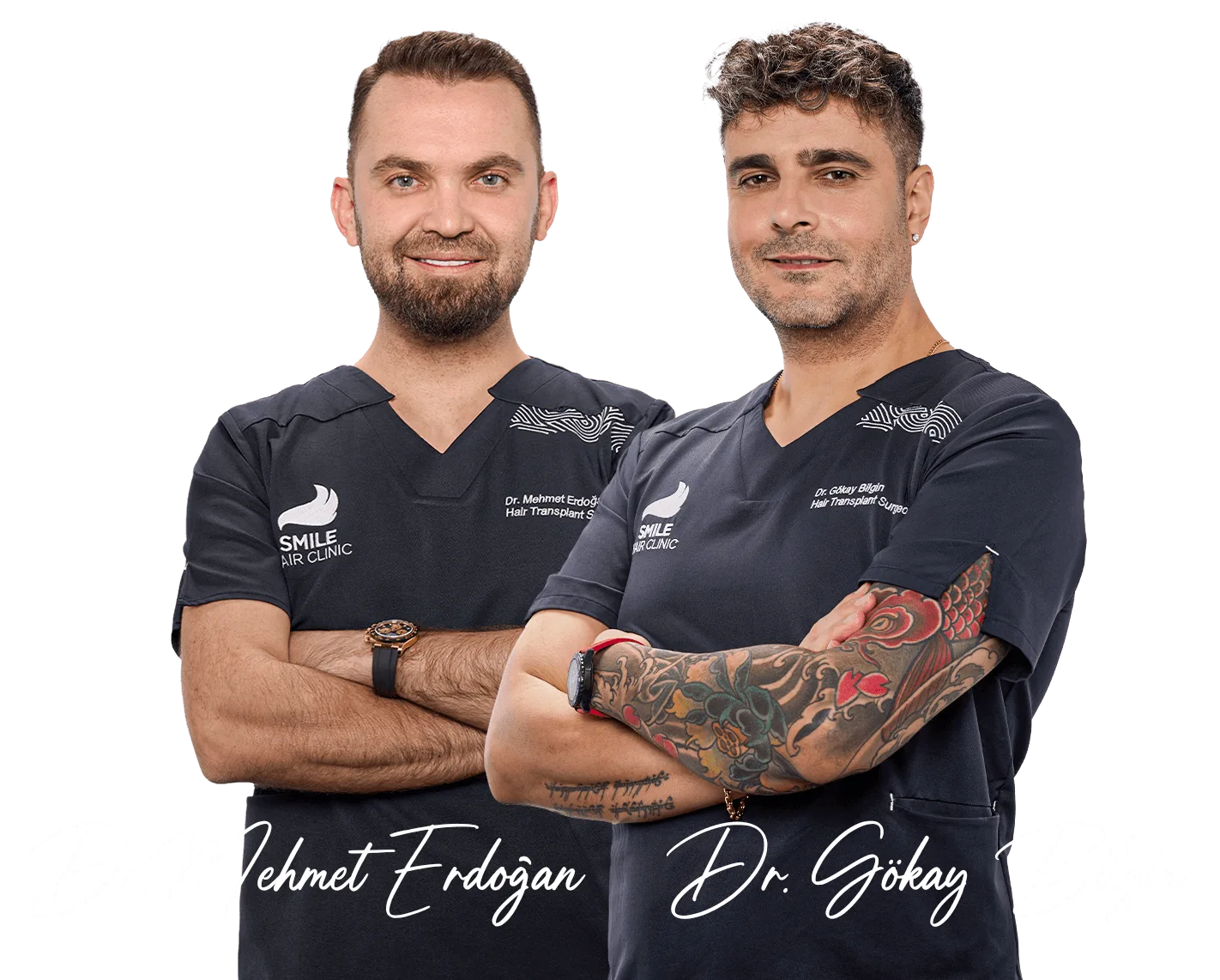
Dr. Gökay Bilgin (left) and Dr. Mehmet Erdoğan (right), the founding surgeons of Smile Hair Clinic, at the clinic reception in Istanbul.
Our founders: Dr. Gökay Bilgin (left) and Dr. Mehmet Erdoğan (right).
30,000+procedures since 2018
~5,000patients a year
90 – 95%success rate

Since opening in 2018 we have carried out more than 30,000 procedures. We treat around 5,000 patients a year, roughly a third of them from the United States, and report a 90 to 95% success rate, figures cited in NPR's 2025 coverage of the Istanbul hair transplant industry that named our co-founder Dr. Mehmet Erdoğan.

Doctor-Led

We were founded by medical doctors, and our operations are led by the medical team rather than handed wholesale to technicians. Hairline design and the key surgical steps are performed by named surgeons, including Dr. Mehmet Erdoğan and Dr. Gökay Bilgin, so you know who is responsible for the work rather than meeting an anonymous team on the day. For a procedure where the difference between clinics is the difference between a natural result and a corrective surgery later, that accountability is the point.

Accreditation

On accreditation, we hold a TEMOS A-Rating Accreditation, the first ever awarded to a hair transplant clinic anywhere in the world and still the only one in Turkey.

Independent Scrutiny

That accountability is also why we have opened our doors to outside scrutiny rather than only our own marketing. The BBC filmed a documentary following a UK patient's full treatment with us from consultation through to regrowth, and Norway's Aftenposten interviewed our co-founder Dr. Mehmet Erdoğan on current standards in the field. Coverage like this, along with further international press mentions, is a different kind of check than a five-star review, since a broadcaster or a national newspaper has no reason to be generous.

Saç Ekimi Türkiye

Sıkça Sorulan Sorular

Saç ekiminden sonra ne kadar süre şapka takmalıyım?

Size verdiğimiz şapkayı saç ekiminden sonra 10 gün boyunca kullanmanızı öneririz.

Ameliyat sonrası ne zaman spor yapabilirim?

Ameliyattan sonra egzersize başlamak için en az 1 ay beklemeniz gerekmektedir.

Saç ekiminden sonra her gün saçımı yıkamalı mıyım?

Saç ekimi sonrasında 1 ay boyunca her gün saçınızı yıkamalısınız.

Saç ekimi sonrası bandajımı ne zaman çıkarabilirim?

Ameliyattan sonraki ikinci gün başınızı yıkamanız gerekir. Bandaj başınızı yıkamadan önce çıkarılır ve daha sonra tekrar kullanılmasına gerek yoktur.

Özel şampuanı ne kadar süre kullanmam gerekiyor?

Önerdiğimiz şampuanı 1 ay boyunca kullanmalısınız. Saçınızın ve saç derinizin sağlığından emin olduktan sonra her zaman kullandığınız şampuanı kullanmaya devam edebilirsiniz.

Panthenol spreyi ne kadar süre kullanmalıyım?

Yaklaşık 15 gün, kabuklar ciltten tamamen çıkana kadar kullanmanız gerekir.

aA.9.183