


Table of Contents
This article writing by Dr. Mehmet Erdoğan. Co-founder & Hair Transplant Doctor, Smile Hair Clinic, Istanbul TEMOS A-Rated Accredited Clinic
If you live with seborrheic dermatitis and are considering a hair transplant, you have likely encountered conflicting information. Some sources suggest the condition is an outright contraindication. Others dismiss it entirely. The reality, as with most things in hair restoration medicine, is more nuanced than either extreme.
Seborrheic dermatitis does not automatically disqualify you from hair transplantation, but it does change the clinical picture in ways that matter. Whether you are a suitable candidate depends on the severity of your condition, how well it is currently managed, and the judgment of an experienced surgeon who can assess your scalp directly.
This article explains what seborrheic dermatitis means for hair transplant candidacy, what risks it introduces, and what needs to be in place before surgery can be considered safely.
What Is Seborrheic Dermatitis?
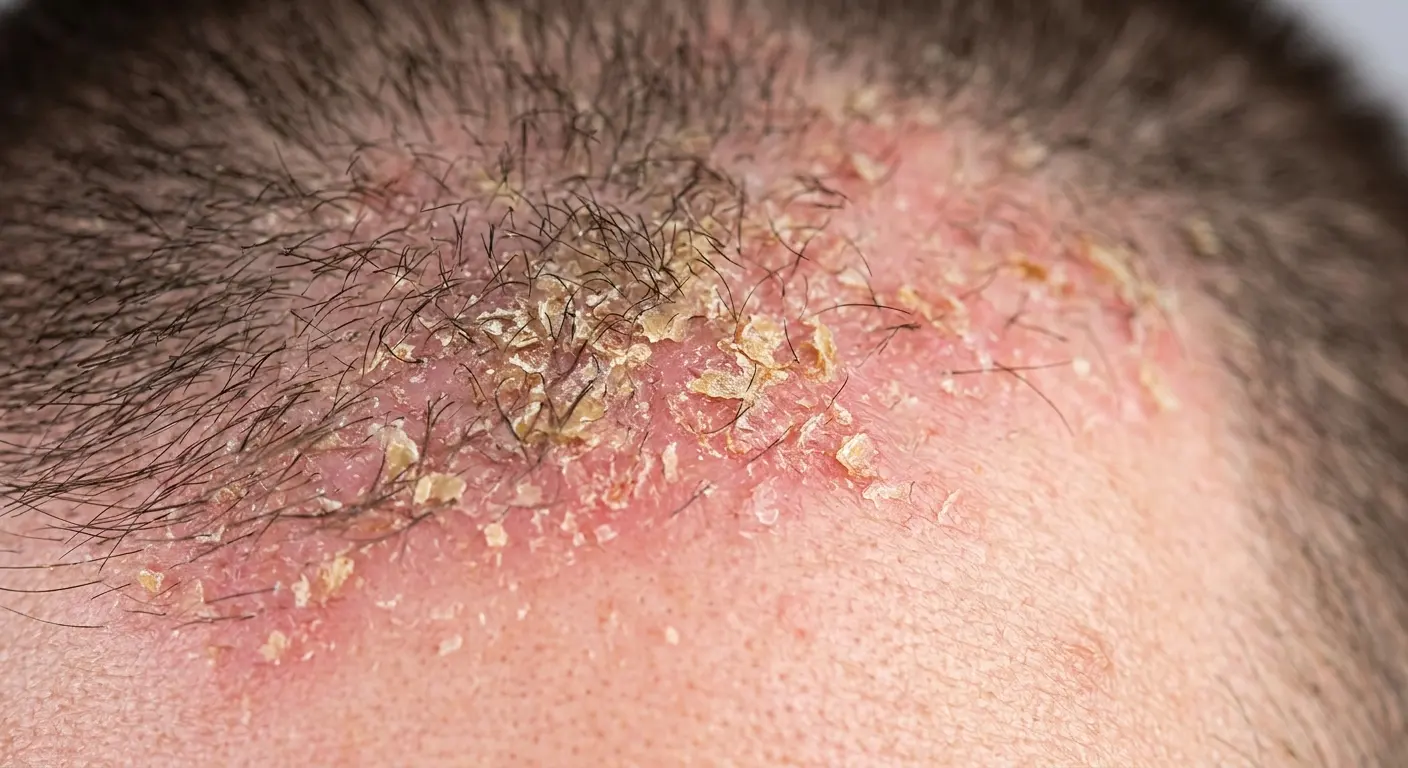
Seborrheic dermatitis is a chronic inflammatory skin condition that primarily affects areas rich in sebaceous glands the scalp, face, and upper chest. On the scalp, it typically presents as persistent flaking, redness, and itching, often accompanied by an oily or greasy texture to the skin.
The condition is driven by an overgrowth of Malassezia yeast, which is naturally present on the skin but triggers an inflammatory response in some individuals.It tends to follow a relapsing and remitting course, periods of relative calm interrupted by flare-ups, often triggered by stress, seasonal changes, or hormonal shifts.
Importantly, seborrheic dermatitis is not the same as dandruff, though the two are related. Dandruff is a milder, non-inflammatory variant of the same process. Seborrheic dermatitis involves visible inflammation, and it is this inflammatory component that is clinically significant in the context of hair transplantation.
Seborrheic dermatitis is more common than many people realise. It affects an estimated 3 to 12 percent of the general population worldwide, making it one of the most prevalent inflammatory skin conditions globally. It occurs more frequently in men than in women, and incidence peaks in two distinct age groups: infancy, where it presents as cradle cap, and adulthood between the ages of 30 and 60. In immunocompromised individuals, the condition becomes significantly more prevalent — affecting 30 to 83 percent of people living with HIV, and up to 46 percent of organ transplant recipients. Among patients with Parkinson’s disease, prevalence rates of up to 59 percent have been reported, reflecting the role of sebaceous gland activity and neurological factors in the condition’s pathogenesis.
Is It Seborrheic Dermatitis or Psoriasis?
Seborrheic dermatitis and scalp psoriasis are frequently confused, and the distinction matters significantly in the context of hair transplantation. Both conditions produce scaling and redness on the scalp, but they differ in their underlying mechanisms, clinical appearance, and surgical implications.
Seborrheic dermatitis produces greasy, yellowish flakes and is driven by Malassezia overgrowth and the inflammatory response it triggers. The scaling tends to be soft and oily, and the redness is typically diffuse rather than sharply defined. Psoriasis, by contrast, produces dry, silvery-white plaques with well-defined borders, driven by an autoimmune process that causes rapid skin cell turnover. The two can coexist — a presentation sometimes referred to as sebopsoriasis — which makes accurate diagnosis particularly important.
From a hair transplant perspective, the distinction carries direct clinical consequences. Seborrheic dermatitis, when well-controlled, does not permanently damage follicles and can be managed to a state suitable for surgery. Scalp psoriasis involves a more complex autoimmune mechanism and requires a separate clinical evaluation before any surgical procedure is considered. Proceeding with a hair transplant based on a self-diagnosis of seborrheic dermatitis when the actual condition is psoriasis — or a combination of both — carries meaningful risk.
Trichoscopic examination is the most reliable tool for distinguishing between the two conditions at a clinical level, and it is a standard part of the pre-operative scalp assessment at Smile Hair Clinic. If there is any diagnostic uncertainty, a dermatology referral is arranged before surgery is discussed further.
| Seborrheic Dermatitis | Scalp Psoriasis | |
|---|---|---|
| Scale appearance | Greasy, yellowish, soft | Dry, silvery-white, thick |
| Border definition | Diffuse, poorly defined | Well-defined plaques |
| Primary cause | Malassezia overgrowth | Autoimmune — rapid skin cell turnover |
| Itch severity | Moderate | Often severe |
| Follicle damage | No permanent damage | Can cause scarring in severe cases |
| Response to antifungals | Yes | No |
| Surgical implications | Operable when well-controlled | Requires separate clinical evaluation |
Does Seborrheic Dermatitis Cause Hair Loss?
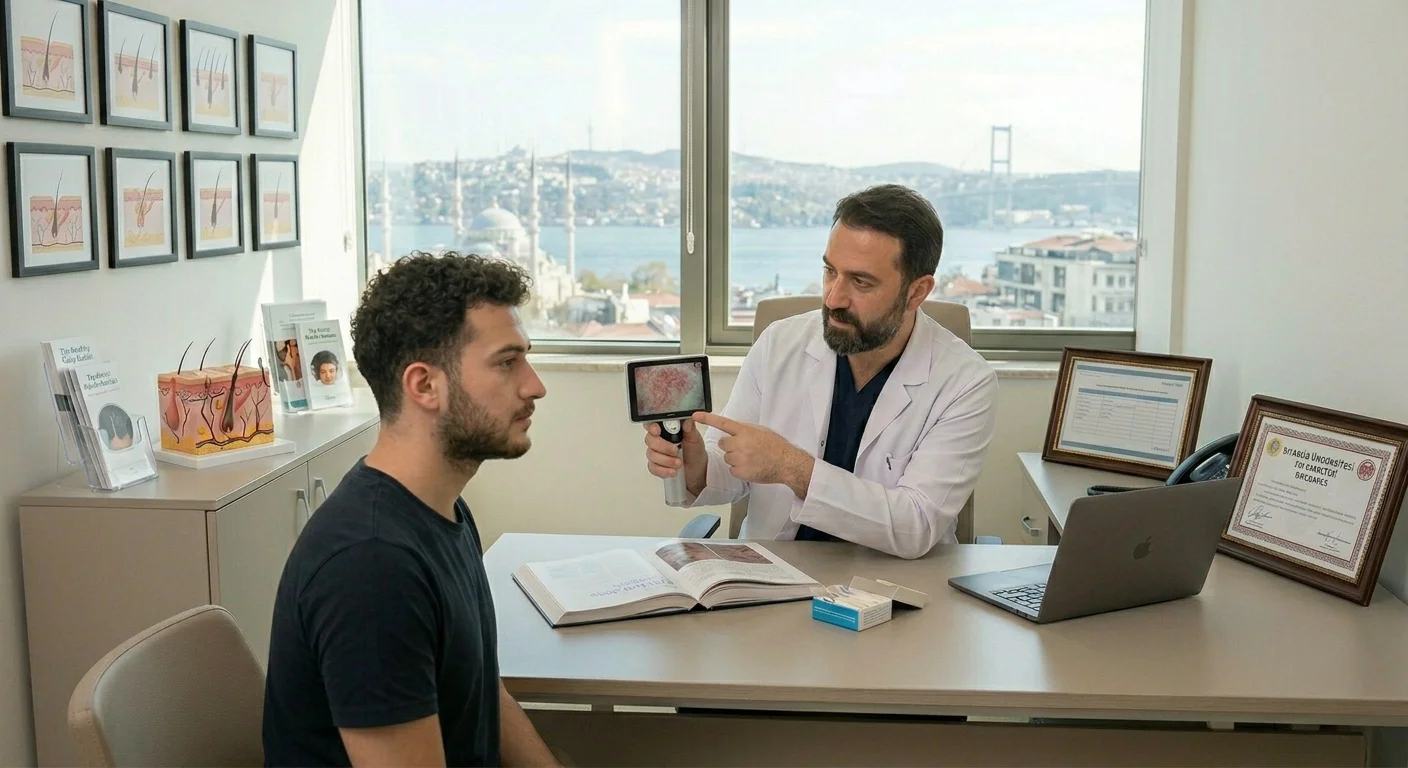
This is one of the most common questions I hear from patients with the condition, and the answer requires some precision.
Seborrheic dermatitis does not directly destroy hair follicles in the way that conditions like alopecia areata or androgenetic alopecia do. However, chronic scalp inflammation can disrupt the hair growth cycle, pushing follicles prematurely into the telogen (shedding) phase and contributing to diffuse thinning over time.
In practice, many patients I evaluate present with both seborrheic dermatitis and androgenetic alopecia simultaneously. The two conditions are independent but not unrelated, the inflammatory environment created by seborrheic dermatitis may accelerate genetically driven hair loss in susceptible individuals.
For the purposes of hair transplant planning, the critical distinction I draw in every consultation is this: seborrheic dermatitis affects the scalp environment, not the follicles themselves. A well-managed scalp can still host a successful transplant. An actively inflamed one cannot.
Why Active Seborrheic Dermatitis Is a Contraindication for Surgery?
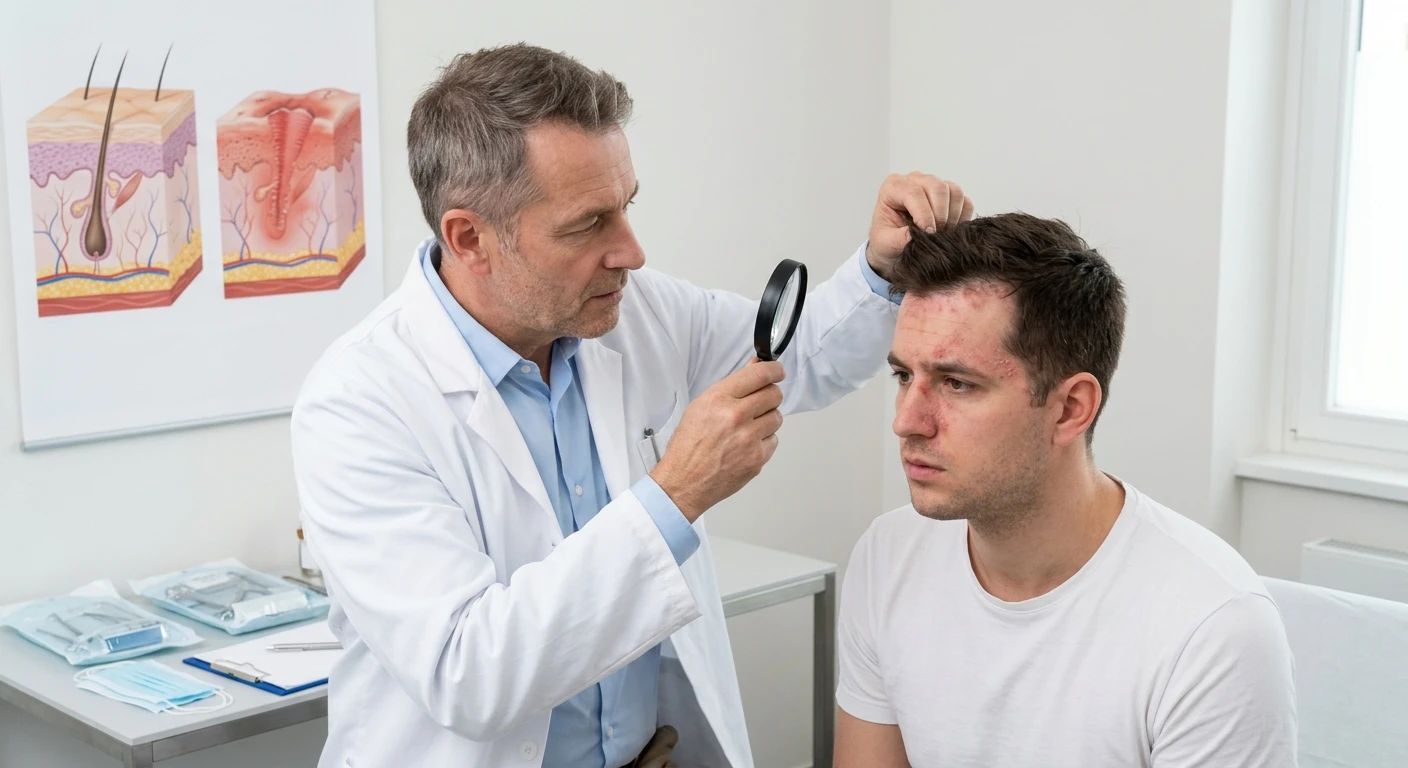
Performing a hair transplant on a scalp with active seborrheic dermatitis carries risks that go beyond standard surgical considerations. In my clinical experience, these are the mechanisms that matter most:
Compromised wound healing. Inflammation disrupts the skin’s normal repair processes. In a transplant procedure, thousands of micro-wounds are created across the scalp, both in the donor area and the recipient site. Healing these wounds reliably requires a stable, non-inflamed tissue environment. Active dermatitis increases the likelihood of delayed healing, scarring, and poor graft integration.
Elevated infection risk. The combination of a disrupted skin barrier, excess sebum production, and Malassezia overgrowth creates conditions that are more susceptible to post-operative infection. Folliculitis, inflammation of the hair follicles, is already a known complication in hair transplant recovery; an inflamed scalp significantly raises this risk.
Reduced graft survival. Transplanted grafts depend on rapid revascularisation, the establishment of new blood supply in the recipient area. An inflammatory environment interferes with this process, reducing the proportion of grafts that successfully take root and produce lasting growth.
Flare-up risk post-surgery. The physical trauma of surgery itself can trigger a seborrheic dermatitis flare. If this occurs during the critical early healing period, it compounds every risk I’ve described above. This is precisely why I ask patients to document their flare history before we proceed.
When Can Patients with Seborrheic Dermatitis Have a Hair Transplant?
| Active Seborrheic Dermatitis | Controlled Seborrheic Dermatitis | |
|---|---|---|
| Scalp appearance | Visible redness, greasy scaling, crusting | No erythema, minimal or no flaking |
| Symptoms | Persistent itch, discomfort, burning sensation | No itch or discomfort reported in preceding weeks |
| Treatment status | Requires escalation or frequent intervention | Stable on consistent maintenance regimen |
| Recent flare history | Flare within past 4–6 weeks | No flare requiring treatment escalation in past 4–6 weeks |
| Donor area status | Inflammation present in donor zone | Donor area clear and suitable for extraction |
| Surgery eligibility | Not eligible — postponement required | Eligible subject to direct clinical assessment |
| Risk profile | Elevated: poor wound healing, graft loss, infection, post-op flare | Acceptable with appropriate post-operative plan in place |
The condition being present does not mean surgery is off the table. What matters is its status at the time of the procedure, and in the weeks leading up to it.
In my practice, I consider patients with seborrheic dermatitis suitable candidates for hair transplantation when the following conditions are met:
The condition is in remission. The scalp should show no active signs of inflammation, excessive flaking, or irritation at the time of surgery. I typically require a period of sustained remission before proceeding, the appropriate duration varies case by case and is determined at direct examination, not based on a general rule.
It is being actively managed. Remission achieved through appropriate treatment is more reliable than remission that occurred spontaneously. Patients on a consistent management plan, medicated shampoos, topical antifungals, or prescribed treatments, provide a more predictable baseline.
The donor area is unaffected or well-controlled. In FUE procedures, the donor area at the back and sides of the scalp must be in good condition for extraction. If seborrheic dermatitis is present and active in the donor zone, this directly affects the feasibility and safety of the procedure.
A dermatologist has been involved. In cases of moderate to severe seborrheic dermatitis, I strongly advise coordination with a dermatologist before and after surgery. At Smile Hair Clinic, this collaboration is part of our standard pre-operative process for complex scalp cases, it reduces risk and improves the clinical environment for healing.
How to Prepare Your Scalp Before Hair Transplantation?
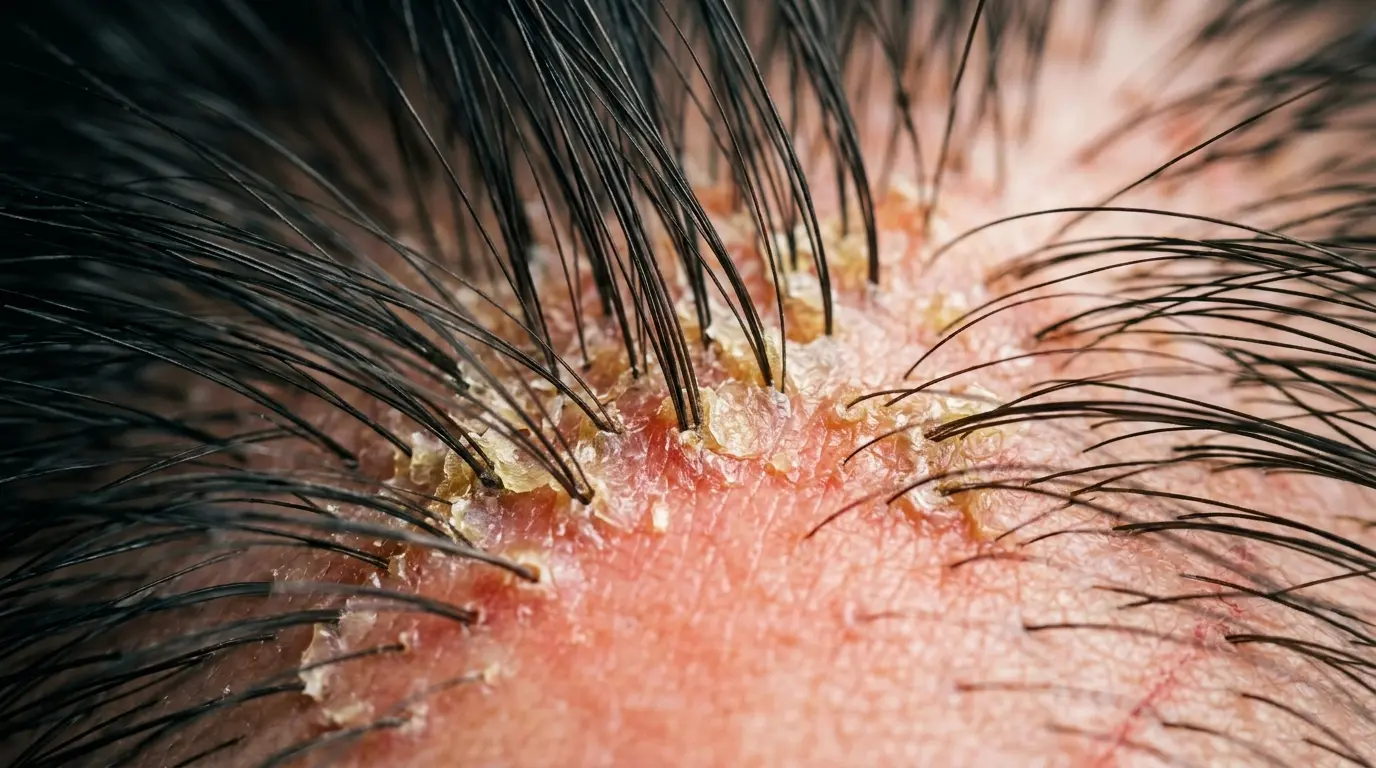
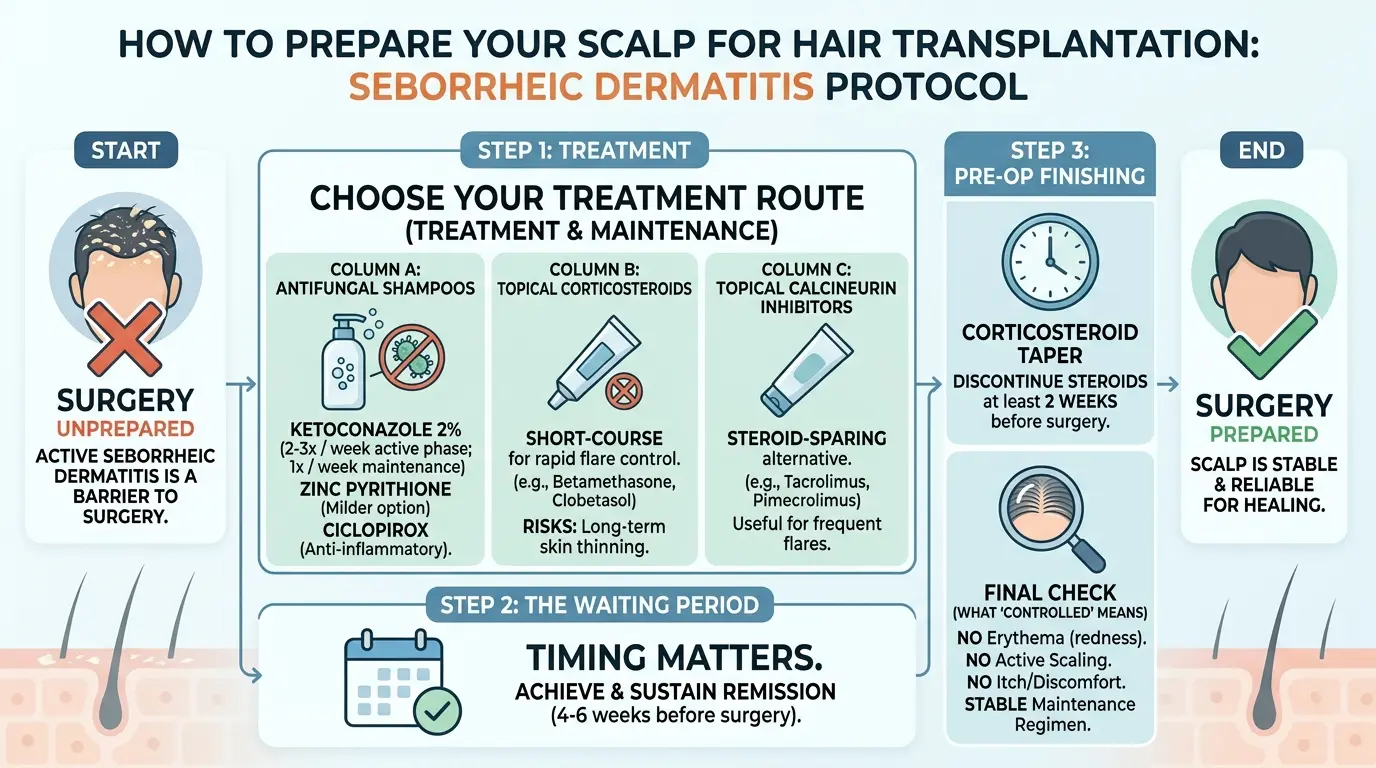
For patients with seborrheic dermatitis, achieving and sustaining remission before surgery is not a formality it is a clinical prerequisite. The goal is not simply the absence of visible flaking on the day of the procedure, but a scalp that has been stable long enough to provide a reliable healing environment.
In clinical practice, a minimum of 4 to 6 weeks of sustained remission is generally sought before proceeding with hair transplantation. This window allows the inflammatory response to fully subside at the tissue level, not just at the surface.
Antifungal Shampoos
The cornerstone of seborrheic dermatitis management is antifungal shampoo. The most widely used and evidence-supported options are ketoconazole 2%, zinc pyrithione, and ciclopirox. These agents target Malassezia directly, reducing the fungal load that drives the inflammatory response.
Ketoconazole 2% shampoo is typically used two to three times per week during active phases and reduced to once weekly for maintenance. A 2015 review published in the Journal of Clinical and Investigative Dermatology found ketoconazole to be among the most effective topical agents for scalp seborrheic dermatitis, with consistent reduction in scaling and erythema across multiple trials.
Zinc pyrithione offers a milder alternative suitable for long-term maintenance use, while ciclopirox combines antifungal and anti-inflammatory properties and is particularly useful in patients with moderate inflammation.
Topical Corticosteroids
In cases where inflammation is more pronounced, short-course topical corticosteroids typically betamethasone valerate or clobetasol propionate may be prescribed to bring an active flare under control more rapidly. These are not long-term solutions due to the risk of skin atrophy with prolonged use, but they are effective for accelerating the transition into remission ahead of a planned procedure.
It is important to note that corticosteroid use should be tapered and ideally discontinued at least two weeks before surgery, as prolonged use can impair wound healing capacity.
Topical Calcineurin Inhibitors
For patients who experience frequent flares or who cannot tolerate corticosteroids, topical calcineurin inhibitors such as tacrolimus or pimecrolimus represent a steroid-sparing alternative. These agents reduce the inflammatory response without the skin-thinning risks associated with corticosteroids, making them a useful option in the pre-operative management period.
| Treatment | Mechanism | Frequency | Best Used When | Pre-Op Safety |
|---|---|---|---|---|
| Ketoconazole 2% shampoo | Antifungal — targets Malassezia directly | 2–3x/week (active phase); 1x/week (maintenance) | First-line for active and maintenance phases | Safe; continue until 1 week before surgery |
| Zinc pyrithione shampoo | Antifungal + antibacterial | 2–3x/week | Long-term maintenance; sensitive scalps | Safe for continuous use |
| Ciclopirox shampoo | Antifungal + anti-inflammatory | 2–3x/week | Moderate inflammation alongside fungal activity | Safe; suitable for pre-op maintenance |
| Topical corticosteroids (e.g. betamethasone) | Anti-inflammatory | Short courses only | Rapid flare control ahead of planned surgery | Taper and discontinue at least 2 weeks before surgery |
| Calcineurin inhibitors (tacrolimus, pimecrolimus) | Immunomodulatory — reduces inflammation without skin thinning | As directed | Steroid-intolerant patients; frequent flares | Safe alternative to corticosteroids pre-op |
What “Controlled” Actually Means Before Surgery
Remission is not simply the absence of symptoms on a given day. Before I consider a patient with seborrheic dermatitis ready for hair transplantation, I look for the following: no visible erythema or active scaling in the recipient or donor areas, no reported itch or discomfort in the preceding weeks, stable response to a consistent maintenance regimen, and no recent flare requiring escalation of treatment.
A scalp that requires active treatment to remain calm is not the same as one that is genuinely stable. This distinction matters because the surgical trauma itself can trigger a flare, and a scalp that is only marginally controlled before the procedure is at significantly higher risk of a post-operative inflammatory episode.
What the Pre-Operative Assessment Should Cover?
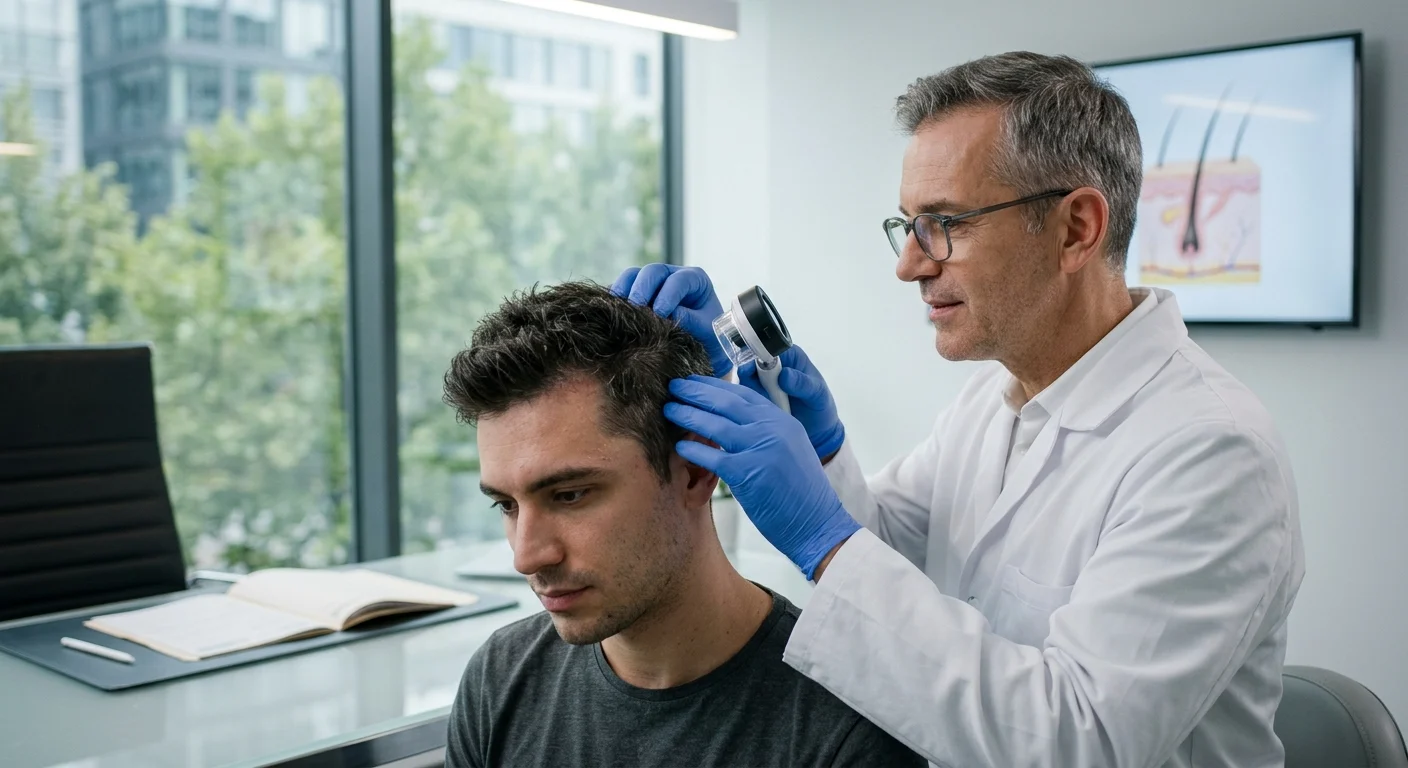
A thorough consultation carries particular weight for patients with seborrheic dermatitis. When I assess these patients, the consultation includes:
A detailed review of the condition’s history, how long it has been present, how frequently it flares, what triggers have been identified, and what treatments have been used and with what effect.
Direct scalp examination under trichoscopic magnification to assess the current inflammatory state, the condition of the donor area, and the degree of any associated hair thinning.
An honest discussion of timing. If the scalp is not in a suitable state at the time of consultation, the right decision is to postpone surgery until it is, not to proceed and manage consequences afterwards. I have had this conversation many times, and in every case, waiting has been the right call.
A post-operative plan that accounts for the condition. This includes clear aftercare guidance that factors in the patient’s specific scalp history.
Post-Operative Considerations for Seborrheic Dermatitis Patients
| Timeframe | Scalp Status | Washing Protocol | Medicated Products | Watch For |
|---|---|---|---|---|
| Days 1–3 | Acute healing; grafts anchoring | Surgeon-directed gentle rinse only | None | Excessive redness beyond expected surgical response |
| Days 4–10 | Crust formation and early graft anchoring | Mild surgeon-approved shampoo; gentle dabbing technique | None | Signs of folliculitis; unusual swelling |
| Days 10–14 | Crusting resolving; skin barrier partially restored | Normal gentle washing can resume | None — await surgeon clearance | Scaling or itch that intensifies rather than settles |
| Weeks 2–4 | Early graft anchoring phase | Normal washing routine | Zinc pyrithione or ciclopirox can be reintroduced (1x/week) | Early flare signs: increased redness, itch, scaling |
| Weeks 4–6 | Grafts stabilising; skin barrier recovering | Normal routine | Ketoconazole 2% can be reintroduced at maintenance frequency | Any flare requiring treatment escalation — contact clinic |
| Months 2–3 | Grafts fully anchored; shedding phase normal | Normal routine | Full maintenance regimen can resume as pre-surgery | Shedding is expected and normal at this stage |
| Month 3 onwards | Long-term maintenance phase | Normal routine | Continue pre-surgery maintenance regimen indefinitely | Ongoing unmanaged inflammation affecting native hair |
The post-operative period presents a specific challenge for patients with seborrheic dermatitis. The scalp is temporarily more vulnerable during recovery, and the same inflammatory mechanisms that required management before surgery do not disappear after it. In some respects, the risk of a flare is higher in the weeks following the procedure than at any other point in the treatment journey.
The First Two Weeks
During the initial healing phase, the scalp requires a carefully structured washing routine that protects grafts while keeping the skin clean. For patients with seborrheic dermatitis, the temptation to resume antifungal shampoo use early is understandable — but this needs to be approached with caution.
Medicated shampoos, including ketoconazole and ciclopirox formulations, should not be reintroduced during the first 10 to 14 days post-operatively. During this window, the priority is gentle cleansing with a surgeon-approved mild shampoo to remove crusting and support graft anchoring. Introducing active ingredients too early risks irritating the healing tissue and disrupting graft integration.
At Smile Hair Clinic, patients receive a day-by-day washing protocol tailored to their specific scalp condition. For patients with seborrheic dermatitis, this protocol includes guidance on when medicated products can be safely reintroduced, typically after the initial crusting phase has resolved and the surgeon has confirmed satisfactory healing progress.
Weeks Two to Six
Once the initial healing phase is complete, antifungal maintenance can be gradually resumed. This is a critical window: the scalp is no longer acutely vulnerable, but the transplanted grafts are still in the early stages of anchoring and the skin barrier is not fully restored.
Ketoconazole or zinc pyrithione shampoo can typically be reintroduced at this stage, used once or twice weekly rather than at the higher frequency sometimes used during active flare management. The goal during this period is suppression of Malassezia activity without introducing unnecessary chemical stress to the recovering scalp.
Signs of a seborrheic dermatitis flare during this period — increased redness, scaling, or itch — should be reported to the clinic promptly. Early intervention at this stage is significantly more effective than allowing the inflammatory response to establish itself. In most cases, a short course of topical treatment is sufficient to bring the flare under control without lasting impact on graft survival.
Corticosteroid Use After Surgery
Patients who used topical corticosteroids as part of their pre-operative management should not resume them independently after surgery without surgical clearance. While short-course corticosteroids can be appropriate for managing a post-operative flare under medical supervision, unsupervised use carries risks including impaired wound healing, increased infection susceptibility, and potential effects on graft survival in the early post-operative period.
Long-Term Maintenance After Hair Transplantation
Seborrheic dermatitis is a chronic condition with a relapsing course. A successful hair transplant does not alter the underlying predisposition to the condition, and patients should expect to continue long-term scalp management indefinitely.
The good news is that well-managed seborrheic dermatitis does not threaten the survival of successfully integrated grafts. Once grafts have fully anchored — typically by the three to four month mark — the transplanted hairs are no longer at elevated risk from the inflammatory environment in the way they were during the early healing phase.
What ongoing inflammation can affect, however, is the native hair surrounding the transplanted area. Chronic, poorly managed seborrheic dermatitis may accelerate the progression of any underlying androgenetic alopecia, which in turn affects the overall long-term appearance of the result. This is why continued dermatological management is not optional for these patients — it is part of protecting the investment of the procedure itself.
Final Words
In my practice, seborrheic dermatitis is one of the most frequently misunderstood conditions I encounter during consultations. Patients either arrive convinced it disqualifies them entirely, or just as often they haven’t mentioned it at all because they assumed it was irrelevant. Neither approach serves them well. What the condition actually requires is honest clinical assessment and correct timing, not a blanket yes or no. I’ve performed hair transplants on many patients with well-managed seborrheic dermatitis and achieved excellent outcomes. I’ve also asked patients to wait, and that decision, when necessary, is equally important to the result.
Seborrheic dermatitis is a manageable condition, and for the majority of patients who keep it well-controlled, it does not represent a permanent barrier to hair transplantation. What it does require is honest clinical assessment, appropriate timing, and a surgeon experienced enough to make the right call including, when necessary, the call to wait.
If you have seborrheic dermatitis and are considering a hair transplant, the most valuable step you can take is a thorough in-person consultation with a qualified surgeon who will examine your scalp directly. A diagnosis alone is never enough basis for a decision in either direction.
If you would like to discuss your specific situation, you can reach us here.
Frequently Asked Questions
Can I use ketoconazole shampoo after a hair transplant?
Not during the first 10 to 14 days. Medicated shampoos should be avoided while grafts are anchoring. Ketoconazole 2% can typically be reintroduced from week 4 to 6 onwards, once the surgeon has confirmed satisfactory healing.
Will seborrheic dermatitis come back after a hair transplant?
Yes. Seborrheic dermatitis is a chronic condition and a hair transplant does not alter the underlying predisposition to it. Long-term scalp maintenance should continue after surgery, just as it did before.
Does stress make seborrheic dermatitis worse after surgery?
Yes. Stress is one of the most consistently identified triggers for seborrheic dermatitis flares, and the physical stress of surgery can contribute to a post-operative flare. Patients with a history of stress-triggered flares should discuss a proactive management plan with their surgeon before the procedure.
How long do I need to wait before having a hair transplant if my seborrheic dermatitis is active?
In clinical practice, a minimum of 4 to 6 weeks of sustained remission is generally sought before proceeding. The appropriate duration depends on severity, treatment response, and the condition of the donor area at direct examination.
Can seborrheic dermatitis affect graft survival?
Not directly, but the inflammatory environment it creates can interfere with wound healing and the revascularisation process that transplanted grafts depend on during the early healing phase. This is why active seborrheic dermatitis is a contraindication for surgery.
Is seborrheic dermatitis the same as dandruff?
No. Dandruff is a milder, non-inflammatory variant of the same underlying process. Seborrheic dermatitis involves visible inflammation — redness, crusting, and persistent itch — which carries different clinical implications for hair transplantation.
Do I need to see a dermatologist before having a hair transplant if I have seborrheic dermatitis?
In moderate to severe cases, yes. A dermatologist can confirm the diagnosis, rule out conditions such as psoriasis, and optimise your treatment regimen ahead of surgery. At Smile Hair Clinic, dermatology collaboration is part of our standard pre-operative process for complex scalp cases.
Can seborrheic dermatitis cause permanent hair loss?
Seborrheic dermatitis does not directly destroy hair follicles and does not typically cause permanent hair loss on its own. However, chronic unmanaged scalp inflammation may accelerate the progression of underlying androgenetic alopecia in genetically susceptible individuals.
References
- Tucker D, Syed HA, Masood S. Seborrheic Dermatitis. In: StatPearls [Internet]. Treasure Island (FL): StatPearls Publishing; 2024 Mar 1. Available from: https://www.ncbi.nlm.nih.gov/books/NBK551707/
- Borda LJ, Wikramanayake TC. Seborrheic Dermatitis and Dandruff: A Comprehensive Review. J Clin Investig Dermatol. 2015;3(2). doi:10.13188/2373-1044.1000019
- Gupta AK, Landells I, Talukder M, et al. Understanding the Scalp: Dandruff and Seborrheic Dermatitis. Skin Appendage Disord. 2025. doi:10.1177/12034754251368845
- Borda LJ, Wikramanayake TC. Seborrheic Dermatitis and Dandruff: A Comprehensive Review. J Clin Investig Dermatol. 2015;3(2). doi:10.13188/2373-1044.1000019. Available from: https://pmc.ncbi.nlm.nih.gov/articles/PMC4852869/
- Okokon EO, Verbeek JH, Ruotsalainen JH, Ojo OA, Bakhoya VN. Topical antifungals for seborrhoeic dermatitis. Cochrane Database Syst Rev. 2015;(5):CD008138. Available from: https://pubmed.ncbi.nlm.nih.gov/25933684/
- Naldi L, Rebora A. Seborrheic dermatitis. N Engl J Med. 2009;360(4):387-396. Available from: https://pubmed.ncbi.nlm.nih.gov/19164189/
