


Table of Contents
This article medically writing by Dr. Gökay Bilgin.
One of the most common questions patients ask before hair restoration surgery is: “Is a hair transplant painful?”
The simple answer is: after local anesthesia takes effect, a hair transplant is not painful.
Modern FUE hair transplant procedures are performed under local anesthesia, which means the scalp is fully numbed before graft extraction or implantation begins. Patients may feel pressure, vibration, or movement during the procedure, but they should not feel sharp pain.

A hair transplant in Turkey is also popular because clinics use advanced hair transplant techniques such as sapphire fue hair transplant and dhi techniques to deliver natural results; DHI uses a pen-like implanter for direct follicle placement, while Sapphire FUE uses ultra-fine sapphire blades for precision. Turkey has also become a global hub for medical tourism, and turkey hair transplants are often chosen because hair transplant turkey cost is often 60–70% lower than the US, with competitive prices supported by transparent pricing.
Understanding what happens before, during, and after the procedure can help reduce anxiety and prepare patients for a smooth experience. Many patients planning treatment abroad also compare accommodation, logistics, and all inclusive packages before booking, and many clinics offer a free consultation while supporting the full hair transplant journey with extras such as airport transfers or VIP transfers in packages that start from €2450, with average prices around 4000 USD to 6000 USD in Turkey versus comparable procedures in the UK at 15000 USD to 30000 USD; around 1 million people traveled to Turkey for hair transplants in 2022, reflecting its popularity across western europe, and many can resume social activities within 24 hours.
The Most Uncomfortable Part: Local Anesthesia
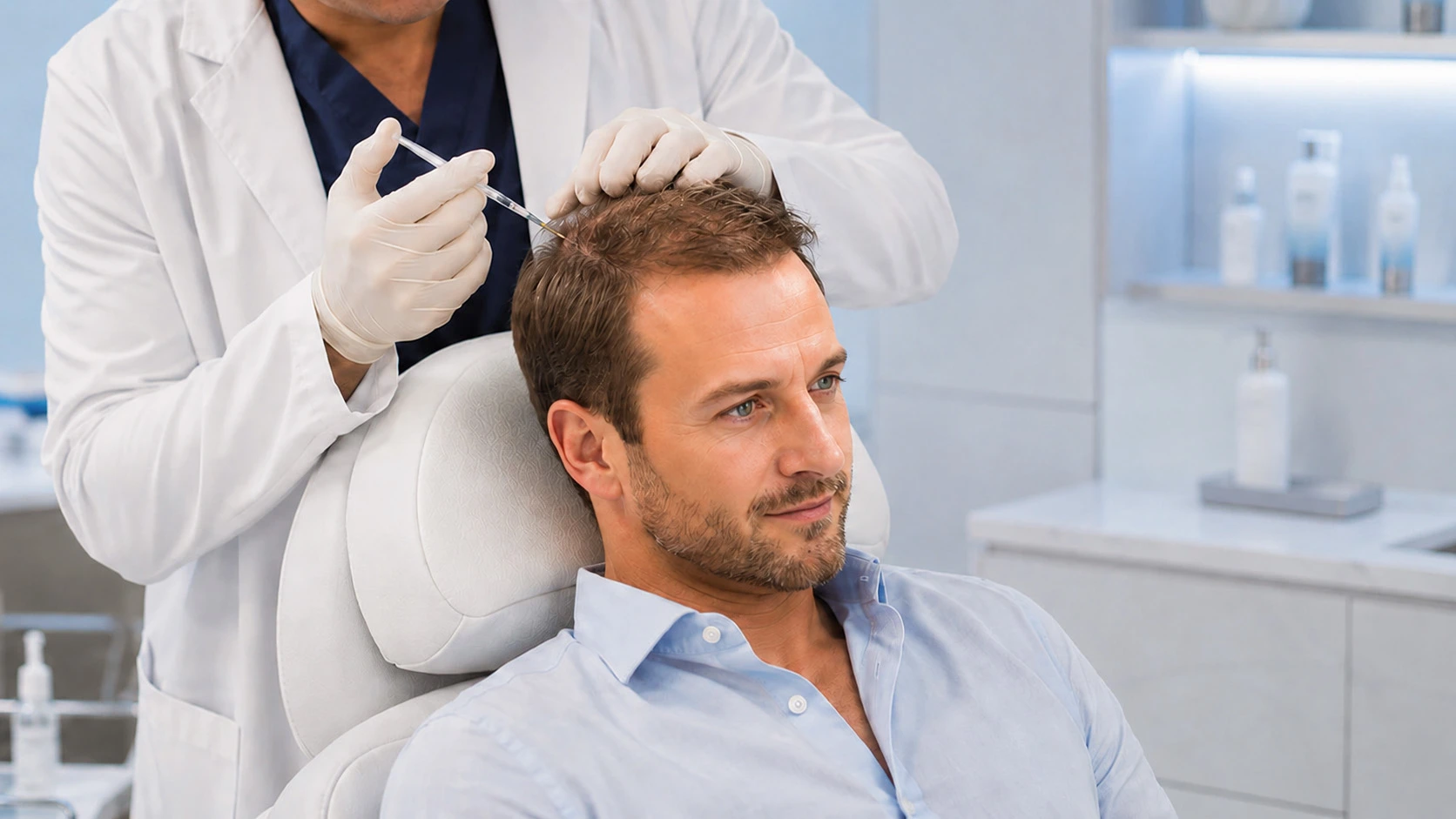
For most patients, the only uncomfortable stage of a hair transplant is the initial administration of local anesthesia. This usually involves several small injections into the donor and recipient areas of the scalp.
Patients often describe this phase as a brief stinging, burning, or pinching sensation. The discomfort is temporary and usually lasts only a short time. Once the anesthesia has fully taken effect, the scalp becomes numb, and the surgical part of the procedure can begin comfortably.
Some clinics use additional comfort techniques to make this stage easier, such as:
- Needle-free anesthesia devices
- Vibration devices that distract the nerves
- Slow and careful injection techniques
- Oral relaxation medication when appropriate
- Breaks and reassurance throughout the process
These methods help reduce both physical discomfort and procedure-related anxiety.
Is the Procedure Itself Painful?
No. Once local anesthesia is active, the hair transplant procedure is completely painless.
During FUE hair transplantation, the patient remains awake, but the treated areas of the scalp are numb. This means the patient should not feel pain while grafts are extracted, recipient channels are created, or follicles are implanted.
However, patients may still feel non-painful mechanical sensations, such as:
- Pressure on the scalp
- Mild vibration during graft extraction
- Touching or movement
- A pulling or tugging sensation
These feelings are normal and are not the same as pain. Many patients watch television, listen to music, talk with the team, or even nap during parts of the procedure.
For long sessions, the main challenge is often not pain, but staying in one position for several hours. This may cause temporary neck, shoulder, or back stiffness. Comfortable positioning, short breaks, and supportive procedure chairs help reduce this issue.
What Does FUE Feel Like After Surgery?
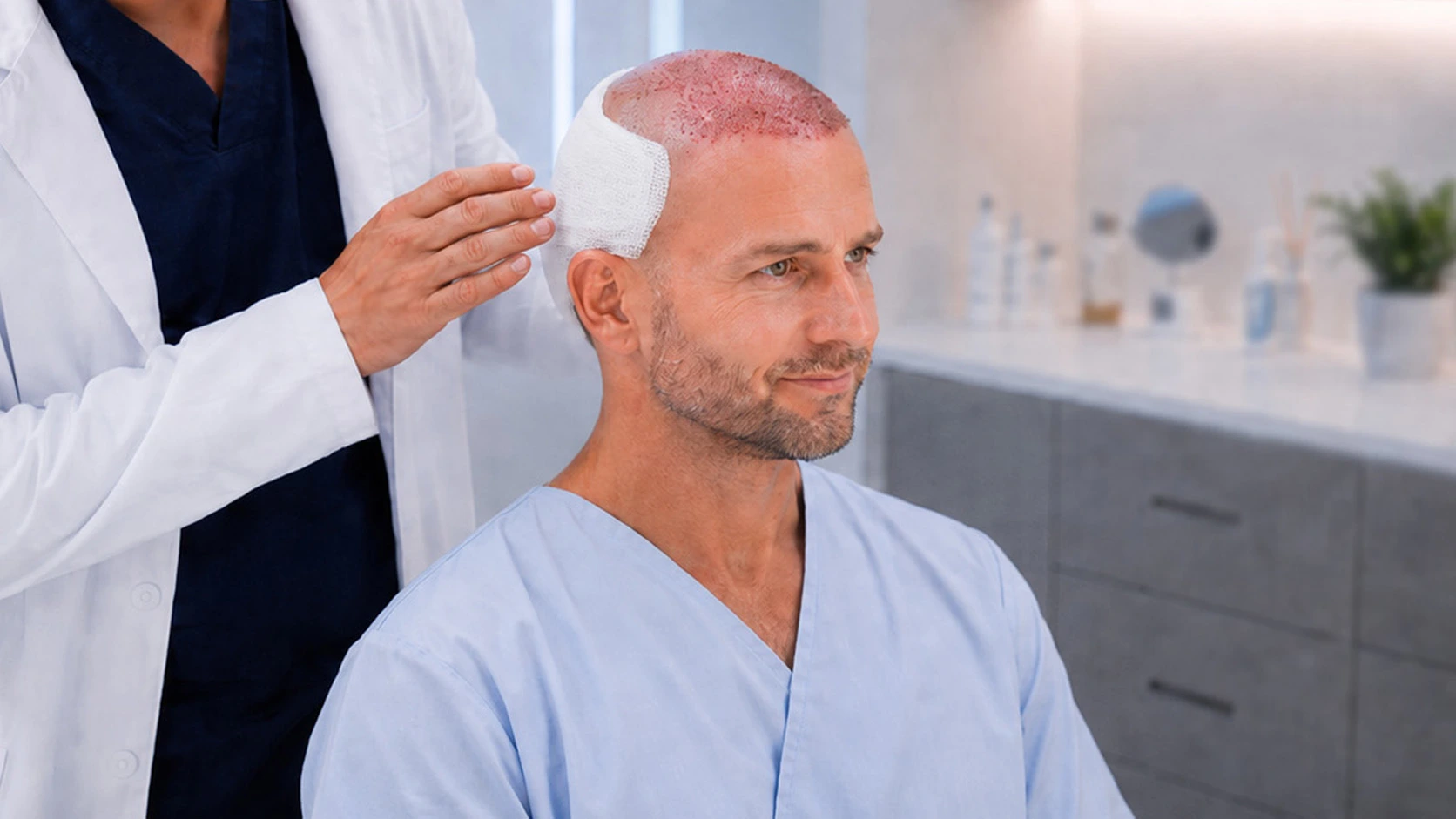
In FUE, individual follicular units are removed one by one using tiny circular punches. Because there is no long incision and no stitches in the donor area, recovery is usually comfortable and manageable.
After FUE, most patients describe the donor area as feeling like:
- A mild sunburn
- Light tenderness
- Skin tightness
- Mild irritation
Discomfort is usually minimal and often improves significantly within 24 to 48 hours.
What Happens After the Procedure?
As the local anesthesia wears off a few hours after surgery, mild sensitivity may begin. This is expected and usually easy to manage.
The first night is often the period patients are most curious about. However, based on patient feedback and clinical experience, approximately 98% of patients do not report significant pain on the first night after FUE hair transplantation. Most patients describe the sensation as mild tenderness, tightness, or sensitivity rather than real pain.
The donor area may feel slightly sensitive, similar to a mild sunburn or skin irritation. In most cases, this discomfort is not severe and can be controlled with medication recommended by the clinic.
Common post-operative sensations include:
- Mild soreness
- Tightness
- Itching
- Numbness
- Tingling
- Sensitivity in the donor area
- Mild swelling around the forehead or eyes
These symptoms are usually temporary and part of the normal healing process.
Pain Timeline After Hair Transplant
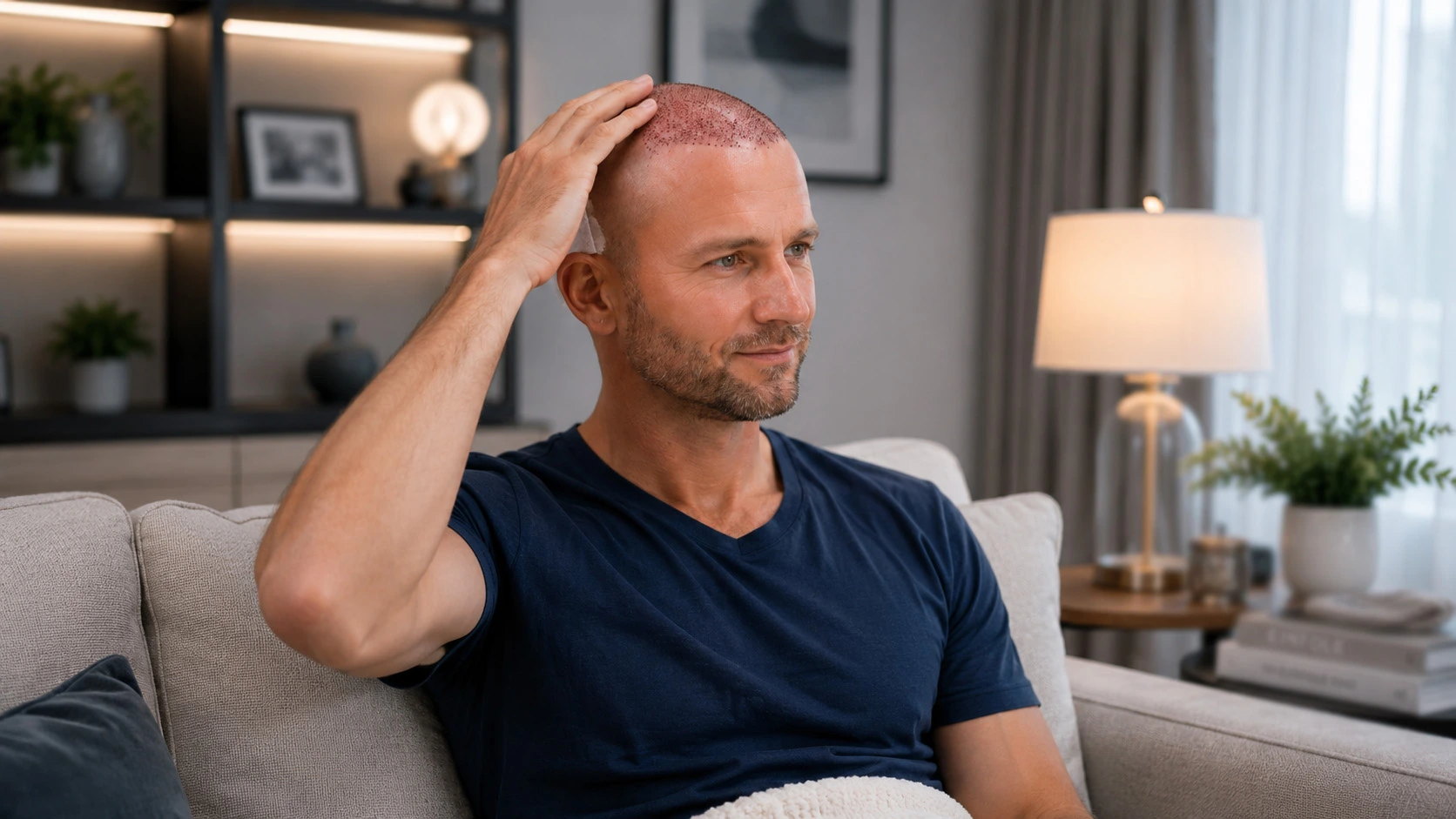
First 24 Hours
The scalp may feel numb at first, then mildly sensitive as the anesthesia wears off. The donor area is usually the most noticeable part, but most patients do not describe this as significant pain. Patients are often advised to rest, keep the head elevated, and take prescribed medication as directed.
Days 2–3
Tenderness usually starts to improve. Some patients may still feel tightness or mild aching, especially in the donor area. Swelling can appear around the forehead in some cases.
Days 3–7
Itching often becomes more noticeable as the scalp heals and scabs begin to form. This is usually a normal sign of healing, but patients must avoid scratching because it can damage healing skin or disturb newly implanted grafts.
Around One Week After Surgery
Around one week after FUE hair transplantation, most discomfort has significantly decreased. Scabs usually begin to loosen and fall away gradually with proper washing, and the donor area continues to heal.
At this stage, some patients may experience mild pain, burning, itching, or increased sensitivity in the donor area. This is usually related to normal healing, skin dryness, scab shedding, or temporary irritation of the superficial nerves. Mild numbness, tingling, or sensitivity may also continue for several weeks as the scalp recovers.
In most cases, these sensations are not serious and improve quickly. If recommended by the clinic, applying a doctor-approved cream containing hydrocortisone to the donor area can help reduce irritation, burning, and inflammation within a short time.
However, patients should not apply hydrocortisone or any other cream to the transplanted recipient area unless specifically instructed by their surgeon. Any persistent, worsening, or severe burning sensation should be reported to the clinic.
Weeks to Months
Temporary numbness or altered sensation can persist in some patients while small superficial nerves recover. This usually improves naturally over time.
How Is Pain Managed After Surgery?
Post-operative discomfort is usually managed with simple pain relief medication recommended by the surgeon. Many patients only need medication for the first day or two after FUE.
Depending on the clinic protocol, patients may be advised to use:
- Paracetamol/acetaminophen for pain relief
- Anti-inflammatory medication if appropriate
- Antibiotics if prescribed
- Antihistamines for itching if needed
Patients should follow their clinic’s written instructions carefully and should not self-medicate or stop prescribed medication without medical advice.
Aspirin and other blood-thinning medications may need to be avoided around the time of surgery unless specifically approved by the doctor, because they can increase bleeding risk.
Itching After Hair Transplant: Is It Normal?
Yes. Itching is very common after a hair transplant and usually begins a few days after the procedure. It is often a sign that the scalp is healing.
Itching may be caused by:
- Scab formation
- Dryness
- Wound healing
- Nerve regeneration
- Mild inflammation
The most important rule is: do not scratch the transplanted area.
Scratching can dislodge grafts, irritate the scalp, or increase the risk of infection. Instead, patients should follow the clinic’s washing and moisturizing protocol. If itching is intense, the clinic may recommend an antihistamine or approved soothing treatment.
Sleeping After Hair Transplant
Patients are usually advised to sleep with the head elevated for the first few nights after surgery. Keeping the head elevated helps reduce swelling and pressure around the scalp and forehead.
A common recommendation is to sleep at approximately a 45-degree angle using pillows or a recliner. Patients should avoid rubbing the transplanted area against the pillow.
Washing After Hair Transplant
Hair washing is an important part of recovery, but it must be done gently. Most clinics recommend beginning the first wash around 48 to 72 hours after surgery, depending on the surgeon’s protocol.
General washing principles include:
- Use only the products recommended by the clinic
- Use lukewarm water
- Avoid strong shower pressure directly on the grafts
- Apply shampoo gently by patting, not rubbing
- Do not scratch or pick scabs
- Dry by gentle patting with a clean towel
Proper washing helps reduce itching, keeps the scalp clean, and supports healthy healing.
When Can Patients Return to Normal Activities?
Many patients return to light daily activities within a few days after FUE. However, strenuous exercise should usually be avoided during the early healing phase.
Heavy sweating, intense exercise, bending, and activities that increase scalp pressure may irritate the healing areas or increase swelling. Most clinics recommend avoiding strenuous activity for around 10 to 14 days, but the exact timing should be confirmed with the surgeon.
When Should a Patient Contact the Clinic?
Mild soreness, itching, swelling, and numbness are usually normal. However, patients should contact their clinic if they experience:
- Increasing pain after the first few days
- Severe swelling
- Pus or unusual discharge
- Foul odor from the scalp
- Fever or chills
- Excessive redness or warmth
- Sharp shooting pain
- Bleeding that does not stop
- Numbness spreading beyond the scalp
These symptoms may require medical assessment.
Final Answer: Is a Hair Transplant Painful?
A hair transplant is much more comfortable than many patients expect. The initial local anesthesia injections may cause brief discomfort, but once the anesthesia takes effect, the procedure itself is painless.
Patients may feel pressure, vibration, or movement during surgery, but they should not feel pain. After the procedure, mild soreness, tightness, itching, and numbness can occur, especially in the first few days. However, in our clinical experience, around 98% of patients do not report significant pain on the first night and describe the recovery as much easier than expected.
Around one week after surgery, some patients may feel mild burning or sensitivity in the donor area. This is usually temporary and can often improve quickly with a clinic-recommended hydrocortisone-containing cream applied only to the donor area.
For most patients, the fear of pain is greater than the actual experience. With modern anesthesia techniques, careful surgical planning, and clear post-operative instructions, FUE hair transplantation can be a comfortable and well-tolerated procedure.
Frequently Asked Questions About Hair Transplant Pain
Is a hair transplant painful?
A hair transplant is not painful once local anesthesia has taken effect. The scalp becomes numb, allowing graft extraction and implantation to be performed comfortably. Patients may feel pressure, movement, or mild vibration, but they should not feel sharp pain during the procedure.
What is the most uncomfortable part of a hair transplant?
For most patients, the most uncomfortable part is the initial local anesthesia phase. The injections may cause brief stinging, burning, or pinching sensations. However, this stage is short, and once the scalp is numb, the rest of the procedure is painless.
Will I feel anything during FUE hair transplantation?
Yes, you may feel non-painful sensations such as pressure, vibration, touching, or mild pulling. These are normal mechanical sensations and should not be confused with pain.
Is the first night after a hair transplant painful?
In our clinical experience, approximately 98% of patients do not report significant pain on the first night after FUE hair transplantation. Most patients describe the feeling as mild tenderness, tightness, or sensitivity rather than real pain.
How long does discomfort last after FUE hair transplant?
Most discomfort is mild and improves significantly within the first 24 to 48 hours. Some patients may continue to feel mild tightness, itching, numbness, or sensitivity for several days or weeks as the scalp heals.
Can the donor area burn or hurt one week after surgery?
Yes. Around one week after FUE hair transplantation, some patients may experience mild burning, pain, itching, or increased sensitivity in the donor area. This is usually related to normal healing, skin dryness, scab shedding, or temporary irritation of superficial nerves.
What can help donor area burning after one week?
If recommended by the clinic, a doctor-approved cream containing hydrocortisone may be applied to the donor area to reduce burning, irritation, and inflammation. However, patients should not apply hydrocortisone or any other cream to the transplanted recipient area unless specifically instructed by their surgeon.
Is itching normal after a hair transplant?
Yes. Itching is a very common part of the healing process, especially between days 3 and 7. It may be caused by scab formation, dryness, wound healing, or nerve regeneration. Patients should avoid scratching because it can damage healing skin or disturb newly implanted grafts.
When should I contact the clinic about pain?
You should contact your clinic if pain becomes worse after the first few days, if you experience severe burning, pus, unusual discharge, fever, excessive redness, warmth, bleeding that does not stop, or sharp shooting pain. These symptoms may require medical assessment.
When can I return to normal daily activities?
Many patients can return to light daily activities within a few days after FUE. However, strenuous exercise, heavy sweating, and activities that increase scalp pressure are usually avoided for around 10 to 14 days, depending on the clinic’s instructions.
Can I sleep normally after a hair transplant?
Patients are usually advised to sleep with the head elevated for the first few nights to reduce swelling and protect the transplanted area. Sleeping flat or rubbing the grafts against the pillow should be avoided during the early healing period.
Is FUE hair transplantation generally comfortable?
Yes. For most patients, FUE hair transplantation is much more comfortable than expected. The fear of pain is often greater than the actual experience. With proper local anesthesia, careful technique, and clear aftercare instructions, the procedure is usually very well tolerated.
Sources
1. Frontiers in Medicine (2026) – FUE komplikasyonları sistematik derlemesi –
URL: https://www.frontiersin.org/journals/medicine/articles/10.3389/fmed.2026.1750989/full
2. PMC – Comparison of postoperative pain according to the harvesting method (Archives of Plastic Surgery)
URL: https://pmc.ncbi.nlm.nih.gov/articles/PMC6536877/
3. PubMed – Techniques to reduce pain associated with hair transplantation (Dermatologic Surgery, Sadick & Manesh)
URL: https://pubmed.ncbi.nlm.nih.gov/14979739/
4. PMC – Hair Transplant Practice Guidelines (Indian Association of Dermatologists, Venereologists and Leprologists)
URL: https://pmc.ncbi.nlm.nih.gov/articles/PMC8611706/
