

Table of Contents
Many people researching hair transplant risks are considering surgery but want to understand how safe the procedure actually is. Hair transplantation has become one of the most common cosmetic procedures worldwide, yet it is still surgery. Like any medical treatment, it comes with possible hair transplant side effects and complications.
The good news is that modern hair restoration is generally considered safe when performed by experienced surgeons. According to medical organizations and large clinical studies, the overall complication rate for properly performed procedures remains relatively low. Still, patients should understand the potential risks of hair transplant before deciding on treatment.
Hair transplantation involves moving healthy hair follicles from a donor area to areas experiencing thinning or baldness. This process requires careful planning, precise graft placement, and proper aftercare. When any of these factors are poorly managed, problems can occur.
Common concerns patients research include:
hair transplant infection
shock loss after hair transplant
swelling or irritation during recovery
visible hair transplant scarring
These issues are usually temporary and manageable when the procedure is performed correctly.
Modern techniques such as FUE hair transplant, Sapphire FUE, and DHI hair transplant have reduced many traditional surgical risks. These methods use minimally invasive follicle extraction and precise implantation, which helps shorten recovery time and reduce complications.
Still, no procedure is completely risk-free.
Patients should approach hair transplantation with realistic expectations and a clear understanding of the healing process.
Dr. Mehmet Erdoğan explains: “Hair transplant surgery is generally safe, but proper planning and experienced surgeons are essential for minimizing complications.”
In the next section, we’ll answer the most common question patients ask first: are hair transplants risky, and how safe are modern hair restoration procedures today?
Are hair transplants risky? Safety explained
People researching hair transplant risks usually want a clear answer first. The procedure is generally considered safe when performed by experienced surgeons using modern techniques. Millions of procedures are performed worldwide every year with high success rates.

Still, hair transplantation remains a medical procedure. That means patients should understand the possible hair transplant side effects before moving forward.
Overall safety of hair transplant procedures
Modern hair transplant surgery has evolved significantly over the last two decades. Techniques such as FUE hair transplant, Sapphire FUE, and DHI hair transplant allow surgeons to extract and implant follicles with minimal trauma to the scalp.
Because these methods avoid large surgical incisions, recovery tends to be faster and complications are less common.
Most patients experience only mild temporary effects after surgery.
Typical short-term reactions may include:
mild swelling around the forehead
redness in the recipient area
small scabs forming around implanted grafts
temporary shedding of transplanted hair
These effects are usually part of the normal healing process rather than serious hair transplant complications.
Success rates and patient satisfaction
Large clinical studies show that hair transplant success rates are very high when the procedure is performed correctly.
Several factors influence safety and results:
surgeon experience
clinic hygiene standards
careful graft handling
proper aftercare instructions
Patients who follow post-procedure guidance usually heal without major complications.
When complications can occur
Serious hair transplant risks are rare but can occur if procedures are performed improperly or in unregulated clinics.
Potential problems may include:
hair transplant infection
poor graft survival
excessive scarring
unnatural hairline design
Choosing a qualified surgical team greatly reduces these risks.
Dr. Gökay Bilgin explains: “Hair transplant surgery is very safe when performed by experienced medical teams using modern techniques.”
In the next section, we’ll explore the most common hair transplant side effects, including swelling, redness, and temporary hair shedding after the procedure.
Common hair transplant side effects
When researching hair transplant risks, many patients worry about what happens immediately after surgery. Most people experience mild and temporary hair transplant side effects during the early healing phase. These reactions are part of the normal recovery process and usually disappear within days or weeks.
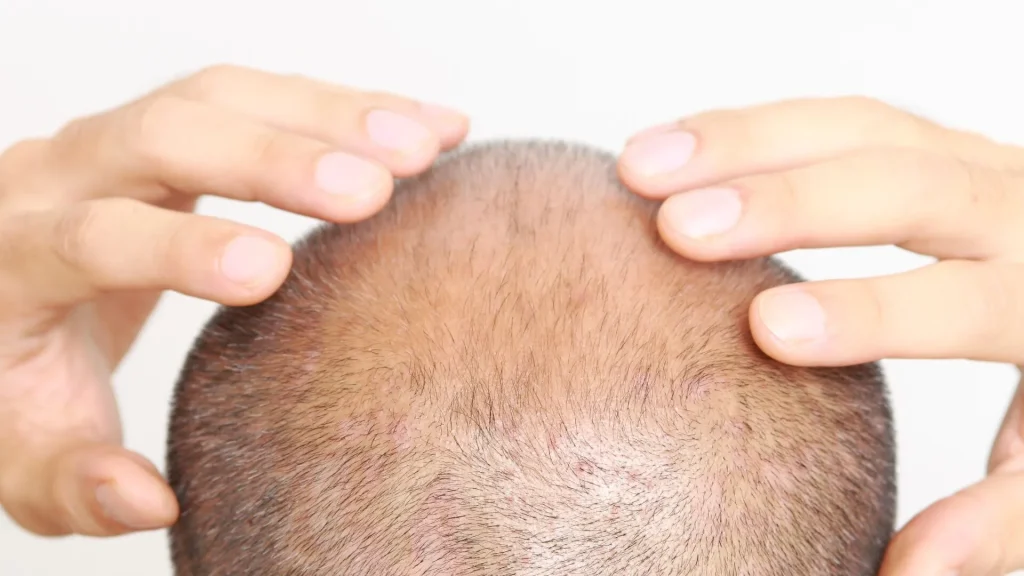
Modern procedures such as FUE hair transplant, Sapphire FUE, and DHI hair transplant minimize surgical trauma, which helps reduce recovery symptoms.
Swelling after hair transplant
One of the most common side effects is temporary swelling. This usually appears on the forehead or around the eyes a few days after surgery.
Swelling occurs because the scalp tissues react to the procedure.
Patients may notice:
mild puffiness around the forehead
slight pressure sensation in the scalp
swelling lasting two to five days
Keeping the head elevated while sleeping often helps reduce this symptom.
Redness and irritation
The recipient area where grafts are implanted often appears red during the early healing period.
This redness is caused by the tiny implantation sites created during surgery.
Typical symptoms include:
pink or red scalp around grafts
mild sensitivity in the treated area
slight itching during healing
These reactions usually improve as the scalp heals.
Scabbing and crust formation
Small scabs commonly form around transplanted follicles. These tiny crusts protect the healing grafts.
Most scabs fall away naturally within 7–10 days after the procedure.
Proper washing and aftercare help prevent irritation.
Shock loss after hair transplant
Another normal reaction is shock loss after hair transplant. This temporary shedding may occur several weeks after surgery.
It happens because transplanted follicles enter a resting phase before starting new growth.
Patients often notice:
shedding of transplanted hairs
temporary thinning near the treated area
New hair growth usually begins around the third month.
Dr. Firdavs Ahmedov explains: “Most early side effects after hair transplant are temporary and part of the natural healing process.”
In the next section, we’ll discuss possible hair transplant complications, including infection, scarring, and graft survival problems.
Possible complications of hair transplant
Most people researching hair transplant risks want to know about problems that occur beyond normal healing reactions. Serious hair transplant complications are uncommon, yet patients should understand them before deciding on surgery.
Complications usually happen when procedures are performed in poorly regulated clinics, when hygiene standards are weak, or when aftercare instructions are ignored.
Hair transplant infection
One of the most discussed hair transplant risks is infection. The scalp contains thousands of hair follicles and blood vessels, so proper sterilization during surgery is extremely important.
An infection may develop when bacteria enter the implantation sites.
Possible warning signs include:
increased scalp pain or swelling
pus or unusual discharge
persistent redness around grafts
fever or scalp tenderness
Fortunately, infections after FUE hair transplant, Sapphire FUE, or DHI hair transplant are rare when proper hygiene protocols are followed.
Hair transplant scarring
Another potential complication is scarring. Traditional strip surgery historically carried a higher risk of visible scars.
Modern FUE hair transplant techniques significantly reduce this risk because grafts are extracted individually using tiny punches.
Still, minor scarring can occur if:
grafts are extracted too aggressively
the donor area is overharvested
healing is disrupted during recovery
Proper surgical planning helps prevent visible scarring.
Poor graft survival
Sometimes transplanted follicles fail to grow successfully. This issue is called poor graft survival or hair transplant failure.
Several factors may influence graft survival:
improper graft handling during surgery
poor blood supply in the recipient area
patient smoking or poor aftercare
When grafts fail, density may appear lower than expected.
Unnatural hairline design
Another concern patients often discuss is unnatural results. Poor hairline design can create a noticeable appearance that does not match natural hair growth patterns.
Experienced surgeons carefully design hairlines that follow natural angles and density transitions.
Dr. Ali Osman Soluk explains: “Most complications occur when procedures are rushed or performed without proper medical planning.”
In the next section, we’ll compare risks associated with different hair transplant techniques, including FUE, Sapphire FUE, and DHI hair transplant.
Risks associated with different hair transplant techniques
Patients researching hair transplant risks often wonder whether certain techniques are safer than others. Modern hair restoration procedures have improved significantly, yet each method carries its own considerations. Understanding the differences helps patients make informed decisions before surgery.
Today, the most widely used methods include FUE hair transplant, Sapphire FUE, and DHI hair transplant. All three aim to reduce surgical trauma while improving graft survival and natural appearance.
FUE hair transplant risks
The FUE hair transplant method extracts individual follicular units from the donor area using a small punch tool. This technique avoids the large incision used in older strip procedures.
Because of its minimally invasive nature, FUE generally has fewer complications. Still, some risks may occur.
Possible FUE hair transplant risks include:
temporary numbness in the scalp
uneven density if graft placement is poorly planned
Proper donor area management is important to maintain natural appearance.
Sapphire FUE side effects
Sapphire FUE is a variation of the FUE technique that uses sapphire blades instead of steel blades to create recipient channels.
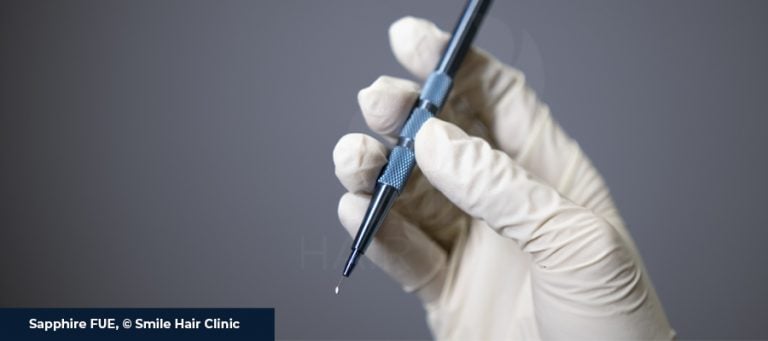
These blades allow surgeons to create very precise implantation sites. The smaller incisions may reduce tissue trauma and help grafts heal faster.
Possible Sapphire FUE side effects are similar to standard FUE procedures, including:
temporary redness or swelling
mild irritation in the recipient area
small scabs during healing
Most of these effects disappear within days.
DHI hair transplant risks
The DHI hair transplant technique uses a specialized implanter pen that places grafts directly into the scalp.
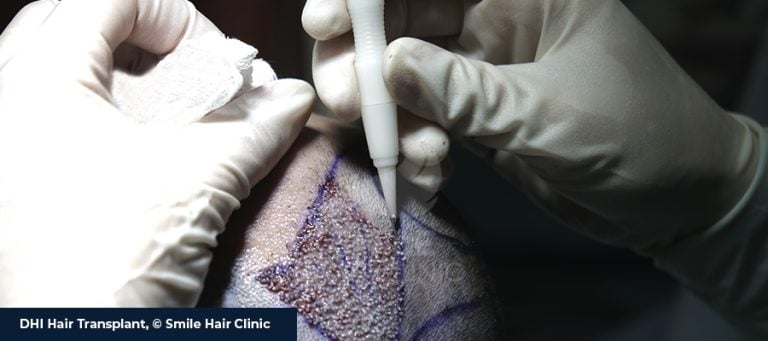
This method allows surgeons to control the angle and depth of each graft during implantation.
Possible DHI hair transplant risks may include:
longer procedure time for large areas
temporary scalp sensitivity
uneven density if graft placement is rushed
When performed carefully, DHI can produce very natural results.
Why surgeon experience matters most
The technique itself is only one part of the process. Surgeon skill, planning, and sterile surgical conditions influence the final outcome.
Dr. M. Reşat Arpacı explains: “Technique matters, but surgeon experience and planning play the largest role in preventing complications.”
In the next section, we’ll explore the long-term safety of hair transplant procedures, including how transplanted hair behaves years after surgery.
Long-term safety of hair transplant procedures
After learning about hair transplant risks, many patients ask an important question. What happens years after the procedure? Understanding long-term safety helps patients evaluate whether hair restoration is a reliable solution for hair loss.

Modern hair transplant procedures are considered permanent because the transplanted follicles retain their genetic characteristics. Hair follicles taken from the donor area, usually the back of the scalp, are resistant to the hormones responsible for male pattern baldness.
Once transplanted, these follicles continue producing hair in the new location.
Permanent growth of transplanted hair
Transplanted follicles follow the same natural growth cycle as other hair.
After a FUE hair transplant, Sapphire FUE, or DHI hair transplant, the follicles enter a resting phase before producing new hair. Over time, the transplanted hairs grow normally and can be washed, cut, and styled like natural hair.
Patients usually notice:
new growth beginning around month three
stronger density between months six and nine
final results appearing after twelve months
These results typically remain stable for many years.
Future hair loss considerations
Hair transplant surgery restores hair in specific areas but does not stop future hair loss in untreated regions.
For example, patients with progressive hair loss may continue losing native hair around transplanted grafts. Doctors often recommend medical treatments to slow further thinning.
Common strategies include:
medical therapy for hair loss stabilization
periodic monitoring of hair density
conservative hairline design that ages naturally
Planning for long-term hair loss progression helps preserve natural appearance.
Donor area stability
One reason hair transplant results remain durable is the stability of the donor zone.
Hair follicles in the donor area are genetically resistant to the hormones that cause hair loss. This characteristic allows them to grow normally even after transplantation.
Long-term satisfaction rates
Studies and clinical experience show high satisfaction rates among patients who undergo properly planned procedures.
Dr. Mehmet Erdoğan explains: “When the donor area is strong and the hairline design is conservative, results can remain stable for decades.”
In the next section, we’ll discuss how patients can reduce hair transplant risks, including choosing a qualified clinic and following proper aftercare instructions.
How to reduce hair transplant risks
Patients researching hair transplant risks often ask the most practical question: how can complications be avoided? Although every surgical procedure carries some level of risk, several important steps significantly reduce the likelihood of hair transplant complications.
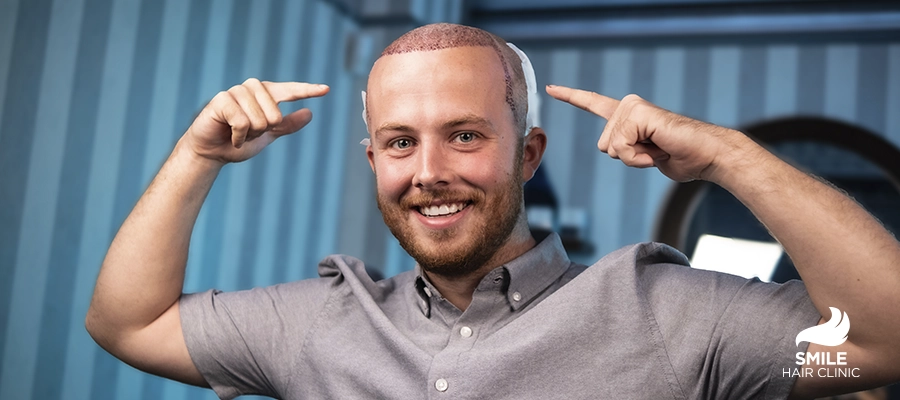
Most problems occur when procedures are rushed, performed by inexperienced teams, or carried out in clinics that prioritize volume over patient safety. Careful planning and proper medical standards make a major difference.
Choose an experienced hair transplant clinic
Selecting a qualified clinic is one of the most effective ways to reduce risks of hair transplant procedures.
Patients should evaluate several factors before scheduling surgery.
Important considerations include:
surgeon experience with FUE hair transplant, Sapphire FUE, and DHI hair transplant
clinic accreditation and hygiene standards
transparent consultation and treatment planning
clear explanation of expected results
Experienced surgeons design procedures that respect donor density and natural hairline proportions.
Follow medical consultation and planning
Hair transplantation requires a personalized treatment plan. Doctors evaluate the scalp, donor hair density, and long-term hair loss progression before recommending surgery.
A proper consultation may include:
scalp examination
donor area density analysis
medical history review
discussion of realistic expectations
This evaluation helps determine whether surgery is appropriate and how many grafts should be used.
Follow aftercare instructions carefully
Patient behavior after surgery strongly affects healing.
Following proper aftercare reduces the risk of hair transplant infection and other complications.
Typical post-procedure guidance includes:
avoiding heavy physical activity for several days
protecting the scalp from direct sun exposure
avoiding touching or scratching grafts
Most recovery issues occur when aftercare guidelines are ignored.
Avoid aggressive graft harvesting
Another key factor is responsible graft planning. Overharvesting the donor area can lead to visible thinning or scarring.
Dr. Gökay Bilgin explains: “The safest hair transplant procedures are carefully planned with long-term donor preservation in mind.”
Who should avoid hair transplant surgery?
While modern hair restoration is generally safe, some patients may not be ideal candidates.
Hair transplant surgery may not be recommended for individuals with:
unstable or rapidly progressing hair loss
insufficient donor hair density
certain autoimmune scalp conditions
untreated medical causes of hair loss
A professional consultation helps determine whether the procedure is appropriate.
Are hair transplant results worth the risk?
For many patients experiencing hair loss, the benefits of hair restoration outweigh the potential hair transplant risks.
Modern techniques such as FUE hair transplant, Sapphire FUE, and DHI hair transplant have significantly improved safety and natural results. When procedures are performed by experienced surgeons and patients follow proper aftercare, complications remain uncommon.
Hair transplantation offers a long-term solution for restoring hair density and improving confidence.
Dr. Ali Osman Soluk explains: “With careful planning and proper technique, hair transplant surgery can be both safe and highly effective.”
Frequently asked questions about hair transplant risks
Is hair transplant surgery safe?
Yes. Modern hair transplant procedures are generally considered safe when performed by experienced surgeons in medical clinics that follow strict hygiene standards. Techniques such as FUE hair transplant, Sapphire FUE, and DHI hair transplant minimize surgical trauma and help reduce complications.
What are the most common hair transplant side effects?
Most patients experience mild and temporary hair transplant side effects during the healing phase. These can include swelling around the forehead, redness in the treated area, small scabs around grafts, and temporary shedding known as shock loss after hair transplant. These reactions typically disappear within a few days or weeks.
Can hair transplant go wrong?
Serious hair transplant complications are uncommon but possible when procedures are performed by inexperienced practitioners or in poorly regulated clinics. Problems may include infection, poor graft survival, unnatural hairline design, or visible scarring.
How common is hair transplant infection?
A hair transplant infection is rare when the procedure is performed in a sterile environment and patients follow proper aftercare instructions. Most clinics prescribe antibiotics and provide detailed scalp care guidance to reduce this risk.
Does hair transplant cause permanent scarring?
Modern techniques such as FUE hair transplant significantly reduce the risk of visible scars. Because individual follicular units are extracted rather than removing a strip of scalp, scarring is usually minimal and difficult to detect.
Can transplanted hair fall out again?
Transplanted hair follicles are typically taken from areas resistant to hair loss. Once implanted, these follicles usually continue growing hair permanently. However, natural hair around the transplanted area may still thin over time if underlying hair loss continues.
How long does it take to recover after a hair transplant?
Most patients return to normal daily activities within several days. The scalp typically heals within 10–14 days, while new hair growth begins around three months after surgery. Final results usually appear within twelve months.
How can patients reduce hair transplant risks?
The best way to minimize risks of hair transplant procedures is to choose a qualified clinic, work with experienced surgeons, follow medical consultation guidelines, and carefully follow post-procedure aftercare instructions.
Restore your hair with a safe and carefully planned hair transplant
If you are researching hair transplant risks, you are already taking the most important step: understanding the procedure before making a decision. Hair restoration is a medical treatment, and choosing the right clinic and surgical team plays a major role in achieving safe, natural results.
Modern techniques such as FUE hair transplant, Sapphire FUE, and DHI hair transplant have significantly reduced surgical trauma and recovery time. When these procedures are performed by experienced surgeons using proper medical protocols, complications are uncommon and results can look extremely natural.
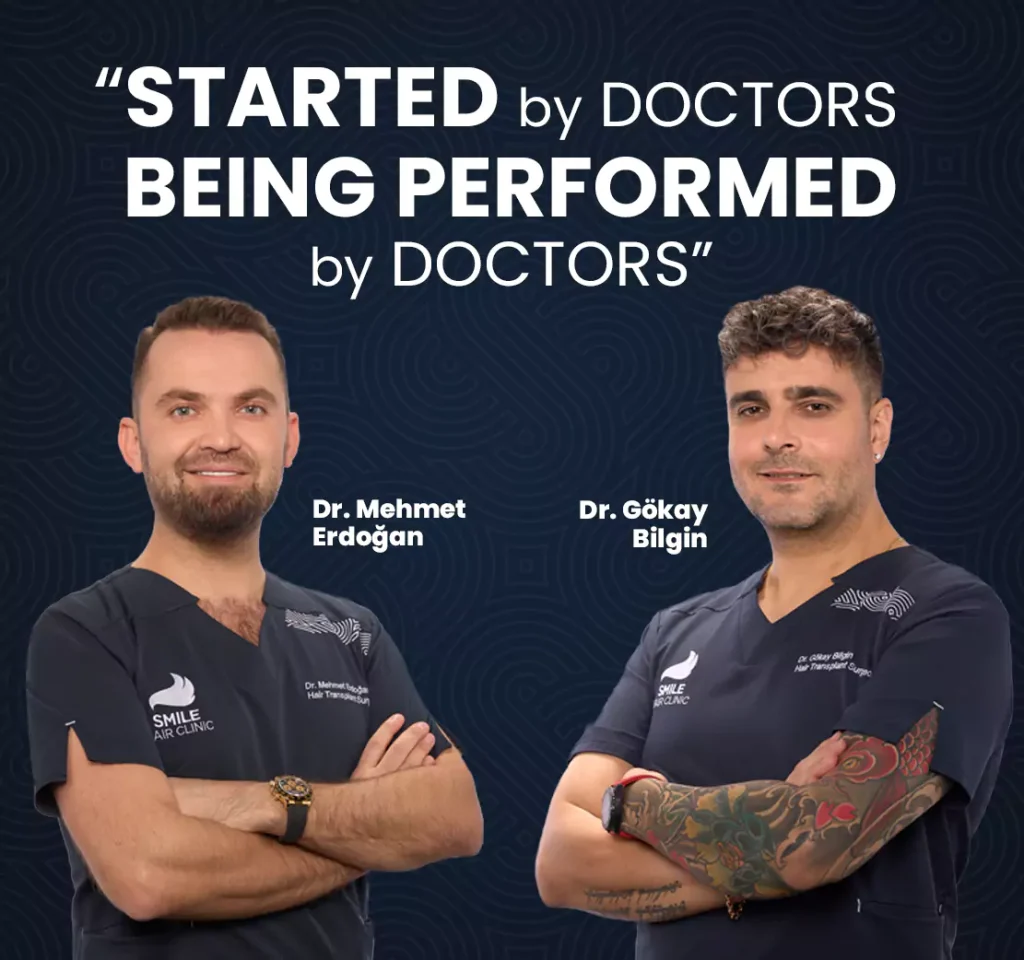
At Smile Hair Clinic, every procedure begins with a detailed consultation. Specialists evaluate the scalp, donor hair density, and long-term hair loss pattern before recommending treatment. This careful planning helps reduce hair transplant complications and ensures that the final result looks balanced and natural.
Your consultation includes:
Detailed scalp and donor area analysis
Personalized graft estimation based on your hair loss pattern
Clear recovery guidance and aftercare planning
Many patients worry about potential hair transplant side effects, but most of these reactions are temporary and part of normal healing. With experienced surgeons and proper aftercare, the procedure can be both safe and highly effective.
Dr. Mehmet Erdoğan explains: “A well-planned hair transplant prioritizes patient safety, donor preservation, and natural hairline design.”
If you are considering hair restoration, a professional evaluation can help determine the safest and most effective approach for your case.
Contact Smile Hair Clinic today to learn how a personalized hair transplant plan can restore your hair while minimizing potential risks.
