


Table of Contents
Understanding hair transplant stages helps patients feel more confident before surgery. Many people researching a hair transplant process want a clear explanation of what actually happens. From the first consultation to final hair growth, each stage plays an important role in achieving natural results.
A modern hair transplant procedure usually follows several key phases. These stages include medical evaluation, surgical planning, graft extraction, implantation, recovery, and hair growth. Each phase affects the final outcome.
The good news is that current techniques such as FUE hair transplant, Sapphire FUE, and DHI hair transplant have improved both safety and results. These methods allow surgeons to transplant individual follicles with precision while preserving the donor area.
Patients often expect immediate results. Reality is different. Hair restoration is a gradual biological process.
Typical hair transplant stages include:
- consultation and hair analysis
- surgical procedure and graft implantation
- early recovery and scalp healing
- temporary shedding known as shock loss
- new hair growth and long-term results
Each stage follows a predictable timeline.
Most patients notice the first visible growth around month three. Density improves between months six and nine. Full results usually appear around twelve months after surgery.
Understanding this timeline helps set realistic expectations.
According to the International Society of Hair Restoration Surgery, modern follicular unit extraction techniques allow surgeons to transplant thousands of grafts in a single session while maintaining natural hair growth patterns.
At experienced clinics, the procedure is carefully planned to protect donor hair and create a balanced hairline.
Dr. Mehmet Erdoğan often emphasizes one point to patients:
“A successful hair transplant begins long before surgery. Planning the donor area and hairline design determines the final result.”
In the next section, we’ll break down the four main stages of a hair transplant, so you can see exactly how the procedure unfolds step by step.
The four main stages of a hair transplant procedure
Every hair transplant procedure follows a structured sequence. Understanding these hair transplant stages helps patients know what to expect and why each step matters. Although techniques such as FUE hair transplant, Sapphire FUE, and DHI hair transplant differ slightly, the overall process remains similar.
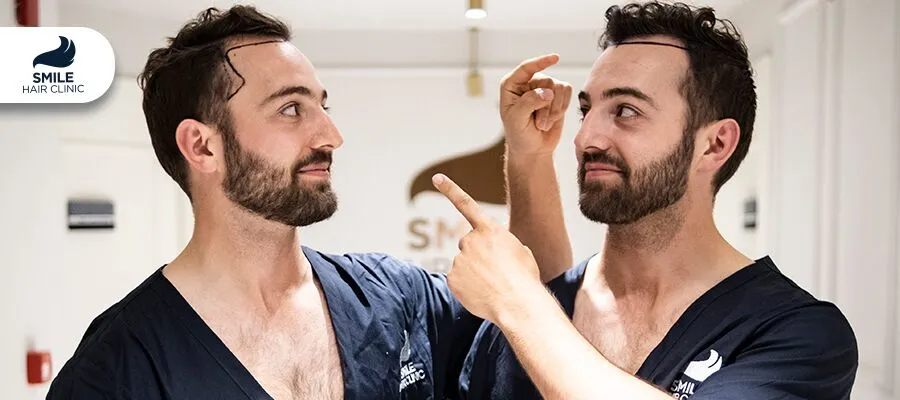
Most clinics organize the hair transplant process into four major phases. Each stage contributes to graft survival, natural density, and long-term hair growth.
Consultation and planning stage
The first stage happens before surgery begins. During this consultation, doctors evaluate the scalp, donor area, and pattern of hair loss.
This stage often determines the success of the entire procedure.
Doctors typically examine:
- donor area density and hair thickness
- current hairline shape and recession pattern
- progression of male pattern hair loss
- overall scalp health
Based on this evaluation, surgeons estimate the number of grafts needed and design a natural-looking hairline.
This planning stage is often overlooked in many hair transplant process articles, yet it is one of the most important steps.
Graft extraction stage
The second stage involves removing healthy follicles from the donor area. In modern procedures, surgeons usually perform FUE hair transplant extraction.
During extraction, individual follicular units are removed using tiny circular punches.
This process protects the donor region and avoids the large scars associated with older methods.
Channel creation or implantation stage
Once grafts are prepared, surgeons create small implantation sites in the recipient area.
Depending on the technique used:
- Sapphire FUE uses sapphire blades to open precise channels
- DHI hair transplant uses an implanter pen to place grafts directly
This stage determines hair angle, density, and direction.
Proper placement creates natural results.
Recovery and hair growth stage
After surgery, the healing process begins. This final stage includes scalp recovery, temporary shedding, and gradual hair regrowth.
Patients typically experience:
- small scabs forming around grafts
- temporary redness and swelling
- shedding of transplanted hair within several weeks
New growth begins months later.
Dr. Gökay Bilgin explains:
“Each step in the hair transplant stages affects the final outcome. Precision during extraction and implantation protects both graft survival and natural appearance.”
Hair transplant consultation stage
The hair transplant consultation stage is where the entire treatment plan begins. Many people researching hair transplant stages assume the process starts on surgery day. In reality, the consultation determines whether the procedure will succeed.
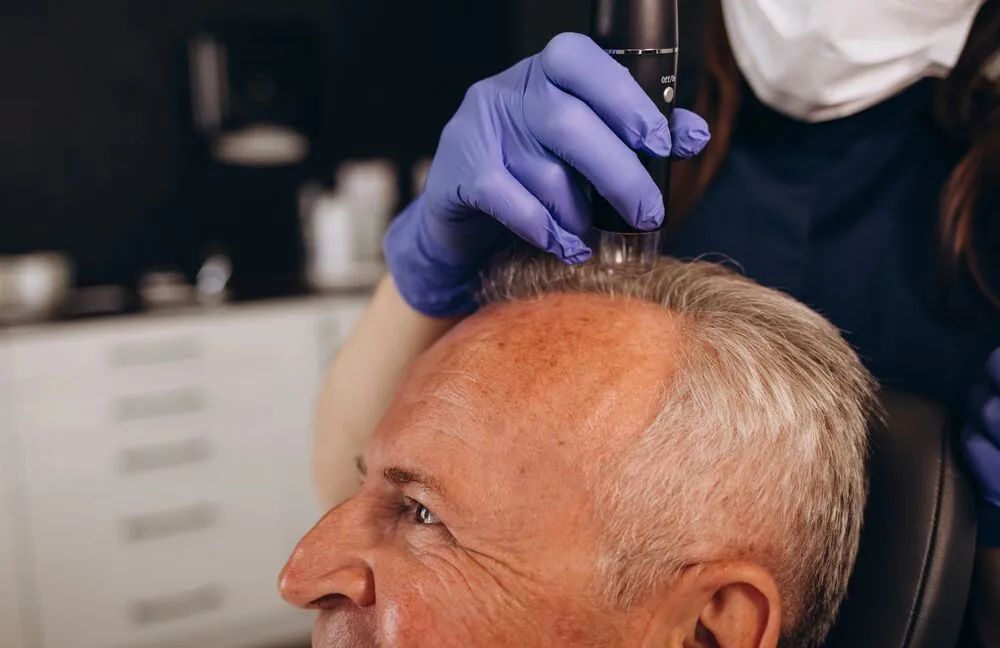
This stage allows surgeons to evaluate hair loss patterns, donor capacity, and long-term expectations. Without careful planning, even technically correct surgery may produce unnatural results.
A professional consultation focuses on medical evaluation and strategic planning.
Scalp and hair loss analysis
Doctors first analyze the patient’s hair loss pattern. Most candidates experience androgenetic alopecia, often called male pattern hair loss.
During this examination, surgeons evaluate:
- current hair density
- hairline recession level
- crown thinning patterns
- scalp health and elasticity
These factors influence graft placement and long-term planning.
Doctors also assess how hair loss may progress over time. Designing a hairline that ages naturally is part of responsible planning.
Donor area evaluation
The donor area provides the follicles used in transplantation. It usually includes hair at the back and sides of the scalp.
Surgeons examine:
- donor hair density
- follicular unit strength
- scalp flexibility
- available graft supply
A strong donor area is one of the most important requirements for FUE hair transplant, Sapphire FUE, and DHI hair transplant procedures.
If donor density is limited, surgeons may recommend a more conservative plan.
Graft planning and hairline design
Once the scalp and donor area are evaluated, the surgeon designs the treatment strategy.
This planning stage determines:
- how many grafts are required
- where grafts will be placed
- how the hairline will frame the face
Many patients want a very low hairline. Experienced doctors usually recommend a natural, age-appropriate design instead.
Dr. Ali Osman Soluk explains:
“A natural hairline is not created during implantation. It is created during planning.”
Careful design protects the donor area and produces balanced results.
Hair transplant surgery stage
After consultation and planning, the procedure moves to the hair transplant surgery stage. This is where the technical part of the hair transplant process takes place. During this phase, surgeons extract healthy follicles from the donor area and implant them into thinning or balding regions.
Modern hair transplant stages rely on advanced techniques that prioritize precision and graft survival. The most widely used methods today include FUE hair transplant, Sapphire FUE, and DHI hair transplant.
Although the techniques vary slightly, the surgical process generally follows three main steps.
FUE hair transplant extraction
The surgery usually begins with FUE hair transplant extraction. During this step, surgeons remove individual follicular units from the donor area.

Tiny circular punches, typically less than one millimeter in diameter, are used to extract the follicles.
This technique offers several advantages:
- minimal visible scarring
- faster healing compared with older strip procedures
- preservation of surrounding donor hair
Each follicular unit may contain one to four hairs. These grafts are carefully preserved before implantation.
Maintaining graft quality during this stage plays a major role in the final outcome.
Channel creation using Sapphire FUE
Once the grafts are extracted, surgeons prepare the recipient area.

In Sapphire FUE, specialized sapphire blades create very small incisions where grafts will be placed. These blades allow surgeons to control the direction, angle, and density of the transplanted hair.
Precise channel creation helps achieve natural-looking hair growth patterns.
DHI hair transplant implantation
Some clinics use DHI hair transplant implantation, which relies on a specialized implanter pen. This device allows surgeons to place grafts directly into the scalp without opening channels beforehand.
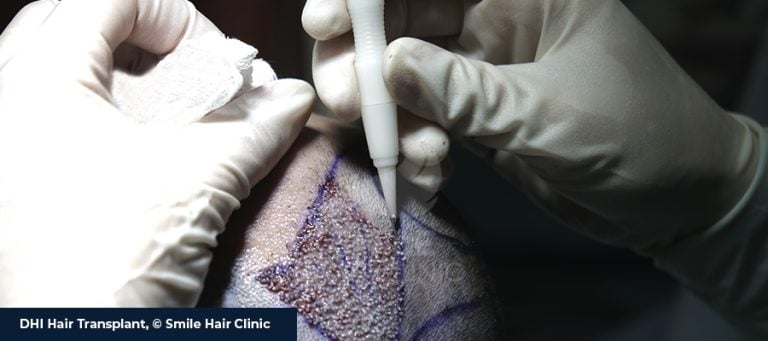
The DHI hair transplant process provides strong control over depth and angle during implantation.
Both techniques aim to protect grafts and support healthy growth.
Dr. Firdavs Ahmedov explains:
“The surgical stage is where precision matters most. Each graft must be handled carefully to protect follicle survival.”
Immediate recovery stage after hair transplant
Once the surgical part of the hair transplant process is completed, the recovery phase begins. This stage is an important part of the overall hair transplant stages because proper healing helps protect newly implanted grafts.
The early healing period usually lasts about ten days. During this time, the scalp gradually recovers and the transplanted follicles stabilize in their new positions.
Although many patients feel well enough to resume light activities within a few days, the scalp continues healing beneath the surface.
First 72 hours after hair transplant
The first three days represent the most delicate part of the recovery period. Newly implanted grafts need time to anchor into the scalp.
During this stage, patients may notice:
- mild swelling around the forehead
- redness in the recipient area
- sensitivity in both donor and transplanted regions
These reactions are temporary and are considered normal hair transplant recovery stages.
Patients are usually advised to sleep with their head elevated and avoid touching the grafts.
Scabbing and healing process
Small scabs form around each transplanted follicle. These crusts protect the grafts as the scalp heals.
Most scabs fall off naturally within seven to ten days.
During this stage, patients typically experience:
- tiny crusts around graft sites
- mild itching as the scalp heals
- gradual improvement in redness
Following proper washing instructions helps remove scabs safely.
Redness and temporary scalp sensitivity
The recipient area may remain slightly pink for several days or weeks depending on skin type. This reaction occurs because tiny channels were created during implantation.
These symptoms gradually fade as healing progresses.
Many patients worry about early shedding, which happens soon after this stage.
Dr. M. Reşat Arpacı explains:
“The early recovery stage is about protecting the grafts. Gentle care during the first days helps ensure strong follicle survival.”
Shock loss stage after hair transplant
One stage in the hair transplant stages timeline often surprises patients. It’s called shock loss after hair transplant. This temporary shedding occurs a few weeks after surgery and can make it seem like the transplant failed.
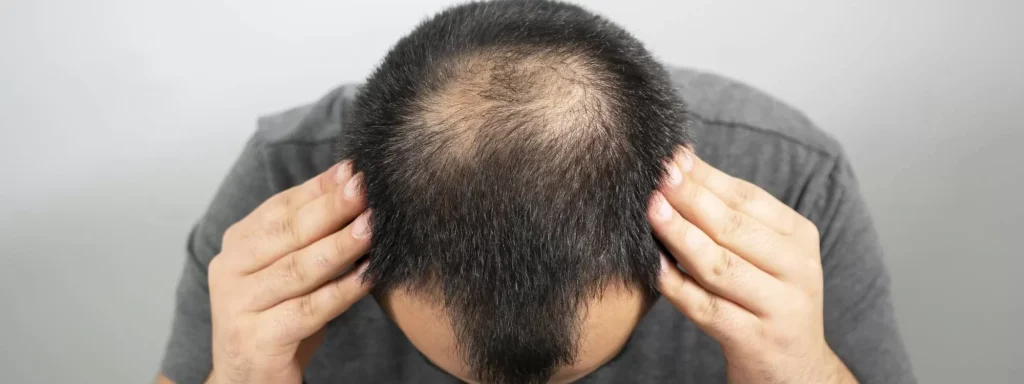
It did not. In most cases, shock loss is a normal biological response.
Understanding this phase helps patients stay calm during recovery.
Why transplanted hair sheds
After a hair transplant procedure, the transplanted follicles experience surgical stress. The follicles remain alive, but the hair shafts attached to them often fall out.
This shedding allows the follicles to enter a resting phase before starting a new growth cycle.
Doctors call this phase the telogen stage of hair growth.
Patients may notice:
- transplanted hairs falling out
- temporary thinning in the recipient area
- shedding beginning several weeks after surgery
This process is part of the natural hair transplant recovery stages.
The follicles remain in the scalp. Only the hair shafts shed.
When shock loss occurs
Shock loss usually begins between the second and sixth week after surgery.
The timeline may look like this:
- weeks 2–4: early shedding begins
- weeks 4–8: most transplanted hairs fall out
- months 2–3: follicles enter a resting phase
For many patients, this period feels discouraging. The scalp may look similar to how it appeared before the transplant.
Patience is key.
What patients should expect next
New hair growth typically begins around the third month.
This is when dormant follicles start producing new hair strands.
Growth continues gradually:
- month 3: early hair growth appears
- months 6–9: noticeable density improvement
- month 12: final results become visible
Dr. Mehmet Erdoğan explains:
“Shock loss is one of the most misunderstood stages of hair transplantation. It is temporary and part of the normal growth cycle.”
Hair growth stage after hair transplant
The hair growth stage is where patients finally begin to see the results of the earlier hair transplant stages. After the shedding phase ends, the transplanted follicles gradually begin producing new hair.
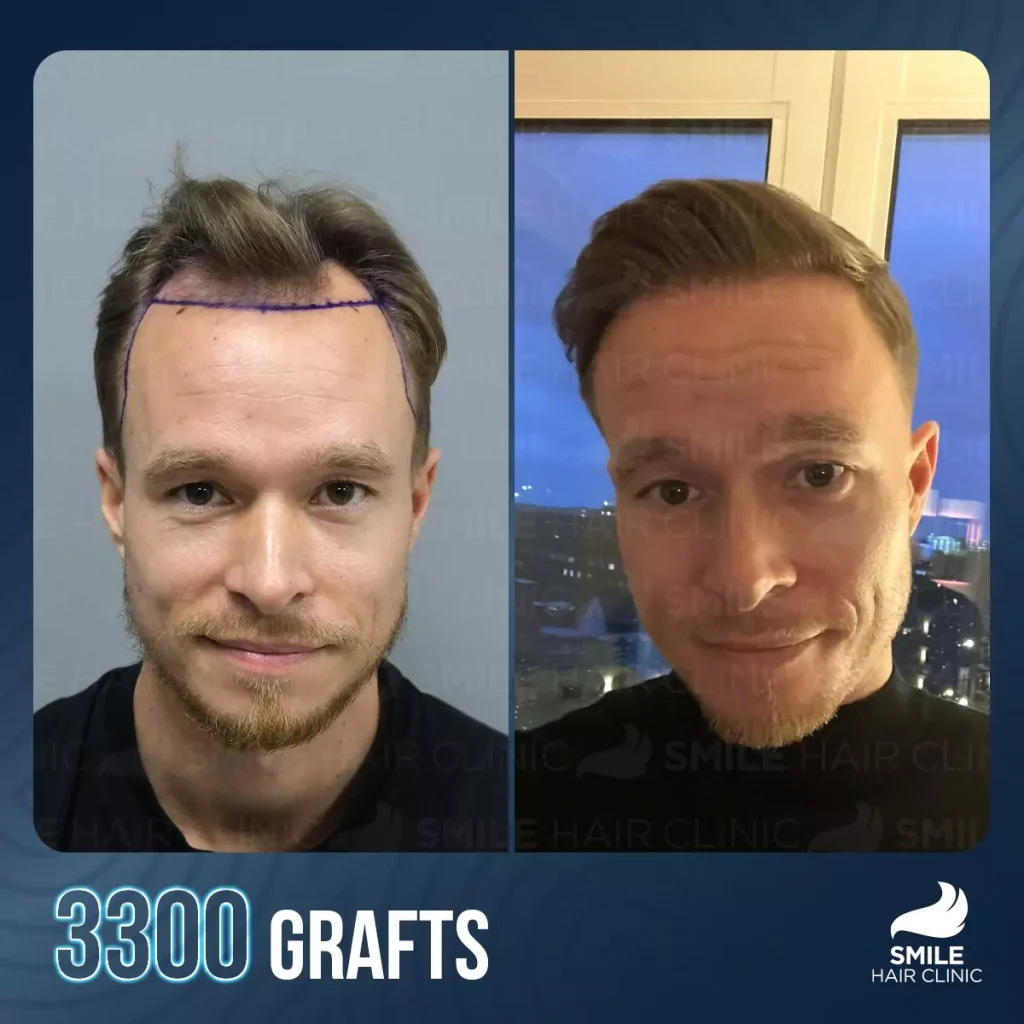
This stage takes patience. Hair growth occurs slowly and follows the natural biological cycle of the follicle.
Most patients notice the first visible changes around the third month after the hair transplant procedure.
Month 3: early hair growth begins
Around the third month, transplanted follicles exit their resting phase. Small, thin hairs begin to emerge from the scalp.
At this stage, growth may appear uneven. Some follicles activate earlier than others.
Patients often notice:
- soft, thin new hairs
- patchy early density
- slow but steady growth
These early hairs usually appear lighter and finer.
Over time, they gradually become thicker.
Months 6–9: density begins to improve
Between the sixth and ninth months, the hair transplant results become more noticeable. More follicles enter the active growth phase, increasing overall density.
Hair strands also begin to mature.
Patients may observe:
- stronger hair thickness
- more uniform coverage
- improved hairline definition
This is when most people begin to feel confident about their hair transplant results timeline.
Month 12: final results appear
By twelve months, most transplanted follicles have completed their growth cycle. The hairline becomes fully defined, and density reaches its final level.
Hair behaves like natural hair. It can be washed, styled, and cut normally.
Although the majority of results appear by one year, some patients continue seeing minor improvements for several additional months.
Dr. Gökay Bilgin explains:
“Hair restoration is a gradual biological process. The final stage is when the follicles fully adapt to their new location and produce permanent hair.”
Long-term maintenance stage after hair transplant
The final part of the hair transplant stages timeline begins once the new hair has fully grown. By the twelfth month, most patients see their final hair transplant results. The transplanted follicles behave like natural hair and continue growing for many years.
Yet hair restoration does not end here. The long-term stage focuses on maintaining the result and protecting both transplanted and native hair.
Protecting transplanted hair
Hair follicles used in FUE hair transplant, Sapphire FUE, and DHI hair transplant usually come from the donor area at the back of the scalp. These follicles are genetically resistant to the hormone responsible for male pattern hair loss.
Once transplanted, they continue growing hair in the new area.
Patients can treat transplanted hair normally:
- wash and cut it like natural hair
- style it without restrictions
- dye or groom it if desired
These follicles typically produce permanent hair growth.
Managing future hair loss
Hair transplantation restores density in targeted areas. It does not stop ongoing hair loss in untreated regions.
Some patients continue losing native hair around the transplanted area over time. Doctors often recommend long-term management strategies to maintain a balanced appearance.
These may include:
- medical therapies for hair loss stabilization
- regular scalp monitoring
- conservative hairline design that ages naturally
Responsible planning during the earlier hair transplant consultation stage helps prevent unnatural results later.
Maintaining donor area health
The donor area remains an important long-term resource. Surgeons carefully protect this region during the hair transplant procedure to preserve future options if additional treatment becomes necessary.
Overharvesting can damage donor density, which is why experienced clinics plan graft extraction carefully.
Dr. Ali Osman Soluk explains:
“Hair transplantation should always be planned as a lifelong strategy, not just a one-time procedure.”
Patients who follow medical advice and maintain scalp health typically enjoy stable hair growth for decades.
Hair transplant stages timeline: from consultation to final results
Many patients researching hair transplant stages want a clear timeline. Understanding how the hair transplant process unfolds helps reduce anxiety and sets realistic expectations.
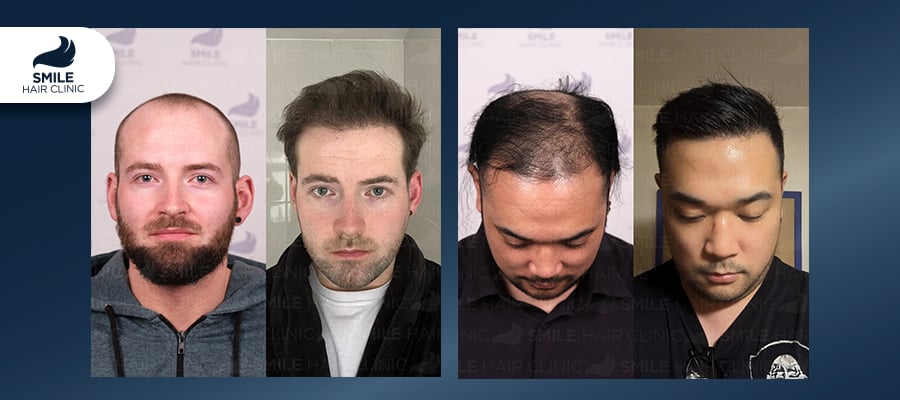
Hair restoration is not an instant transformation. It follows a gradual biological cycle that unfolds over several months. Each stage plays a role in protecting transplanted follicles and producing natural hair growth.
Stage 1: consultation and planning
The process begins with a medical consultation. During this stage, doctors evaluate the scalp, donor area, and pattern of hair loss.
Surgeons determine:
- whether the patient is a suitable candidate
- how many grafts are required
- how the hairline should be designed
This planning stage shapes the final result.
Stage 2: hair transplant surgery
The second stage involves the surgical procedure itself. Modern hair transplant procedures rely on advanced techniques such as FUE hair transplant, Sapphire FUE, and DHI hair transplant.
During surgery:
- follicles are extracted from the donor area
- implantation sites are created in thinning areas
- grafts are placed according to hairline design
The procedure usually lasts several hours depending on graft numbers.
Stage 3: early healing and recovery
After surgery, the scalp begins healing.
The early hair transplant recovery stages typically include:
- swelling during the first few days
- small scabs forming around grafts
- redness in the treated area
Most scabs fall off within ten days.
Stage 4: shock loss phase
Several weeks after surgery, transplanted hairs often shed. This phase is called shock loss after hair transplant.
The follicles remain alive beneath the scalp and enter a resting phase.
Stage 5: new hair growth
New hair begins growing around the third month. Density gradually increases over the following months.
Typical hair transplant growth stages:
- month 3: early hair growth appears
- months 6–9: density improves
- month 12: final results become visible
Dr. Firdavs Ahmedov explains:
“A hair transplant is a process measured in months, not days. Patience is part of the treatment.”
Frequently asked questions about hair transplant stages
What are the stages of a hair transplant?
The hair transplant stages usually include consultation and planning, the surgical procedure, early recovery, shock loss, and hair growth. During consultation, doctors evaluate the scalp and donor area. Surgery involves graft extraction and implantation. After recovery and temporary shedding, new hair begins growing over the following months.
How long does the hair transplant process take?
The hair transplant process itself usually takes several hours depending on the number of grafts. The full timeline is longer. Healing occurs during the first two weeks, shedding may occur in the first two months, and visible hair growth usually begins around month three.
When does hair start growing after a hair transplant?
Most patients notice early growth around the third month after the hair transplant procedure. Hair density continues improving between months six and nine. Final results typically appear around twelve months.
What is the shock loss stage after hair transplant?
Shock loss after hair transplant is a temporary shedding phase. It usually occurs between two and six weeks after surgery. The transplanted hair shafts fall out, but the follicles remain alive and begin producing new hair later.
How long does hair transplant recovery take?
The early hair transplant recovery stages usually last about 7–10 days. During this period, small scabs form and the scalp heals. Most patients return to normal activities within a few days, although the scalp continues healing beneath the surface.
Do transplanted hairs grow permanently?
Yes. In most cases, follicles used in FUE hair transplant, Sapphire FUE, and DHI hair transplant come from areas resistant to hair loss. Once transplanted, these follicles usually continue growing hair permanently.
Can the hair transplant timeline vary between patients?
Yes. The hair transplant timeline depends on factors such as age, hair thickness, scalp health, and graft survival. Some patients see growth earlier, while others notice density improvements closer to the sixth month.
Why is the consultation stage important?
The consultation stage determines the number of grafts needed, the design of the hairline, and the long-term treatment strategy. Proper planning during this stage plays a major role in achieving natural-looking results.
Start your hair restoration journey with a personalized consultation
If you are researching hair transplant stages, you are likely considering treatment and want to understand the process before making a decision. That is a smart approach. Hair restoration works best when the procedure is carefully planned and tailored to each patient.
The success of a hair transplant procedure does not depend only on surgery day. It begins with proper consultation, realistic planning, and responsible donor management. Clinics that focus on these early steps tend to achieve the most natural results.
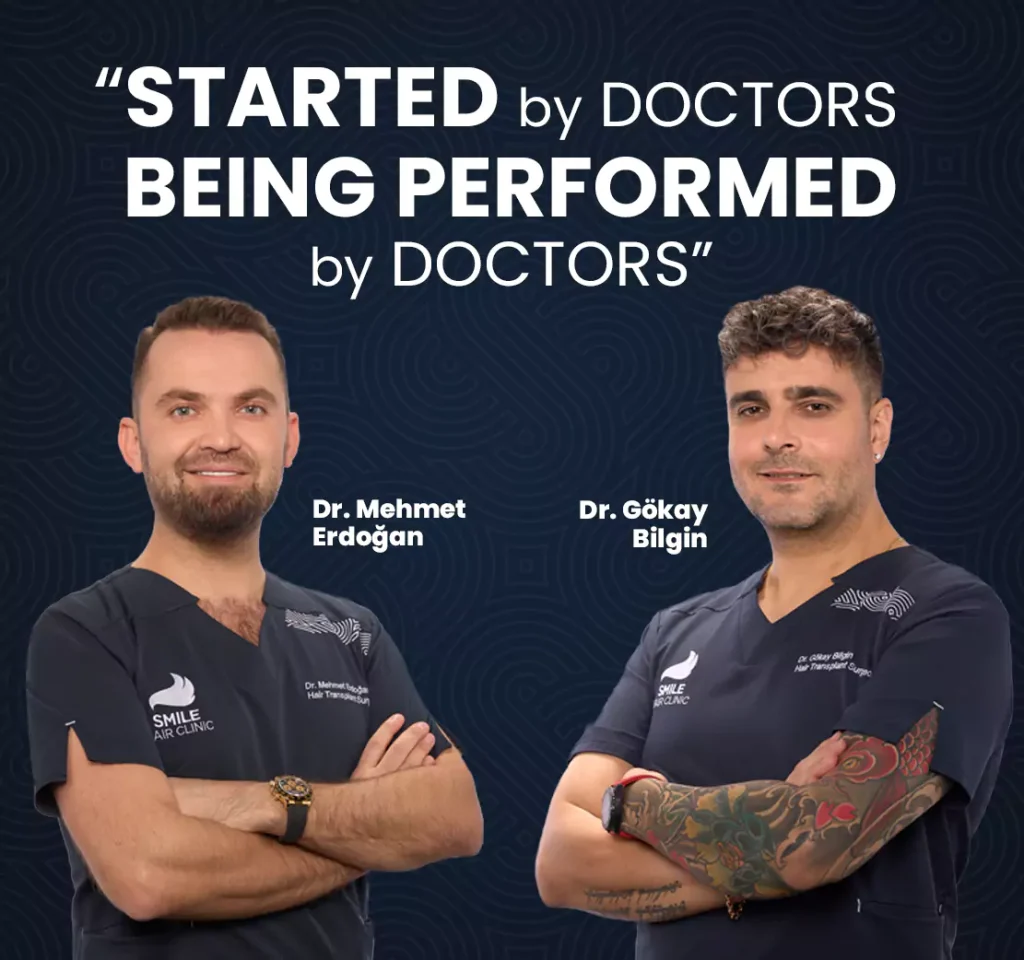
At Smile Hair Clinic, specialists guide patients through every stage of the hair transplant process, from the first medical evaluation to long-term hair growth.
During your consultation, doctors examine several important factors:
- current hair loss pattern and progression
- donor hair density and follicle strength
- scalp health and elasticity
- expected graft numbers and hairline design
This information allows surgeons to create a treatment plan using modern techniques such as FUE hair transplant, Sapphire FUE, and DHI hair transplant.
Patients also receive a clear explanation of the full hair transplant timeline, including recovery stages and hair growth expectations. Knowing what happens during each stage helps reduce stress and prepares patients for the natural healing process.
Many people worry about early shedding or slow growth. These stages are normal parts of the hair transplant recovery timeline. The follicles need time to settle before producing new hair.
Dr. Mehmet Erdoğan often reminds patients:
“A successful hair transplant is the result of careful planning, precise surgery, and patient patience during the growth phase.”
If you are thinking about restoring your hair, a professional consultation is the first step. A personalized evaluation will show whether a hair transplant is right for you and how the procedure can be planned safely.
Contact Smile Hair Clinic today to learn how a carefully designed treatment plan can guide you through every stage of hair restoration.
