

The hair transplant Turkey cost typically ranges from about €3290 to €5790 depending on method you choose. Many clinics offer all‑inclusive packages that include the procedure, aftercare, accommodation, and transfers, which makes Turkey an affordable option compared to prices in the U.S. or Europe. Basic FUE treatments with thousands of grafts often fall around the lower end, while premium services, advanced techniques, or larger sessions push toward the higher end.



In European countries, for many people, it is tough to know if they can afford a hair transplant Turkey or not since the operations are expensive and they are charged per graft.
How much does 3000 hair grafts cost in Turkey?
Hair transplants Turkey cost typically 1.21 $/ 0.77 £/ 1.11 € per graft. For example, 2,000 grafts cost USD 1,500, or GBP 1,660 / EUR 1,340; 3,000 grafts cost USD 2,750, or GBP 1,940 / EUR 2,510; and 5,000 grafts cost USD 3,250, or GBP 3,900 / EUR 7,850.
Hair Transplant Turkey Cost 2026
Compared to hair transplant Turkey costs with the United Kingdom or European countries, hair transplant costs one third or one fourth in Turkey. Most Turkish clinic offers a hair transplant Turkey in range $1.300- $2.000 cost.
| Types | Price Range Smile Hair Clinic | Price Range in Turkey | Price Range in the UK | Price Range in Europe | Price Range in America |
| Fue | € 2390 – € 3290 | € 1999 – € 6500 | £ 4690 – £ 10090 | € 3450 – € 4850 | $ 11400 – $ 15900 |
| DHI | € 3290– € 4830 | € 2490 – € 6000 | £ 10600 – £ 13090 | € 5550 – € 31190 | $ 13800 – $ 12300 |
| Manuel Fue | € 3390 – € 6890 | € 3490 – € 7990 | £ 15750 – £ 30090 | € 12700 – € 41390 | $ 11900 – $ 12500 |
| Sapphire Fue | € 2390– € 3290 | € 2099 – € 6990 | £ 5750 – £ 14090 | € 4700 – € 6300 | $ 13900 – $ 12590 |
Hair Transplant Turkey Methods: FUE, Sapphire & DHI
| Techniques | Advantages | Duration |
| FUE (Follicular unit extraction) | The absence of evident scarring. This procedure is less invasive thanks to the use of a small punch. A little pain can be felt after the intervention. | 2 to 4 hours |
| FUT (Follicular Unit Transplantation) | It is an excellent option needed as a technical graft. It is cheaper than FUE. The recovery time is shorter than other methods. | 4 to 12 hours |
| DHI (Direct Hair Implantation) | The application of the follicle is performed without shaving the receiving or donor area. No stitches are used in this technique. You can obtain more natural outcomes. | 8 Hours |
| FUSS (Follicular Unit Strip Surgery) | A greater quantity of hair bulbs can be taken. This technique is more suitable for vast alopecic areas. The possibility of damaging the micrografts during the subdivision phase is practically impossible. | 2 to 5 hours Sapphire |
| Sapphire FUE | Less scarring appears on the scalp. No complications occurred after the operation. A higher thickness of the grafted hair can be achieved due to this procedure. of |
How much is 3000 grafts hair transplant Turkey?
As previously said, a number of variables can affect how much a hair transplant Turkey will cost. However, a 3,000 graft hair transplant Turkey would normally cost between $1,000 and $9,000. This is based on the average range of $1 to $3 per graft.
Please note that this is only an approximate estimate and that final costs may differ. In order to obtain reliable cost information based on your unique requirements and the services provided by each provider, it is advisable to speak with various clinics and surgeons. Additionally, prices are subject to change, so it’s crucial to ask about the most recent prices.
How much does 3500 graft hair transplant cost?
Similarly, more than 3500-5500 grafts are utilized to repair hair loss surgically when this case is evaluated in the 4-6th grade of baldness. Therefore, it is predicted that the cost of a graft hair transplant in India could reach up to Rs. 3,35,000.
How to choose the best hair transplant clinic in Turkey?
· Leading research clinics
· Explore your situation
· Learn about surgeon
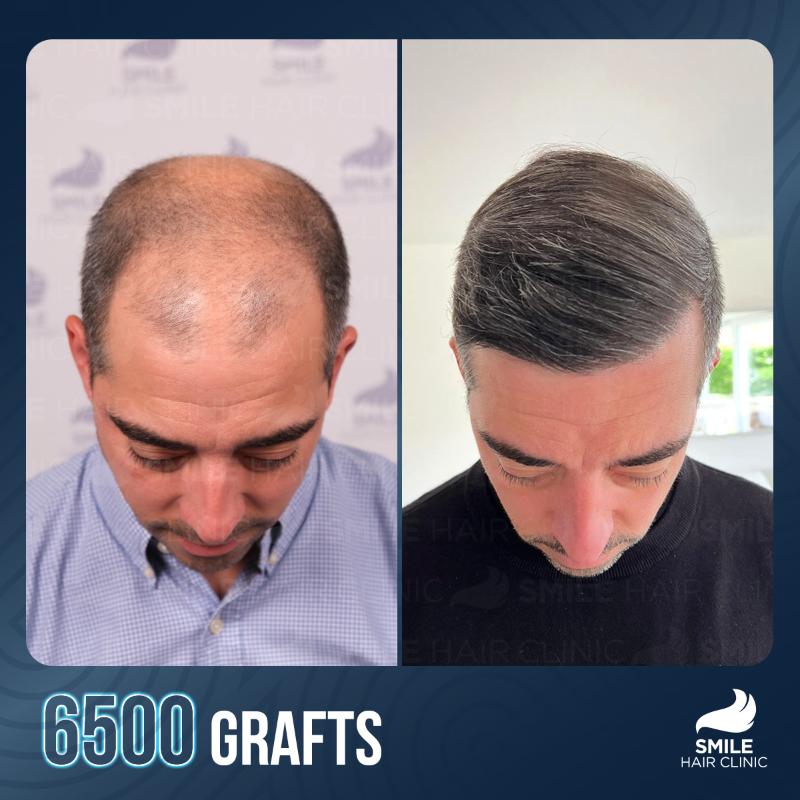
· Check out before and after photos
· Search for reviews
· Pre- and post-operative care
· Check if there is Online Support
· Make sure it’s a clinical setting
· Pay attention to the experience of doctors
· Follow their social media
How much does a good hair transplant cost in Turkey?
The hair transplant Turkey cost can differ significantly based on a variety of variables, such as the clinic’s standing, the surgeon’s experience, the method employed, and the quantity of grafts needed. In Turkey, the average cost per graft was between $2 and $3 USD, with a normal range of $1 to $4 USD.
Based on the quantity of grafts needed, the following is a ballpark estimate of the price of a hair transplant Turkey:
- $1,000 worth of grafts: $1,000–$4,000
- $2,000 to $8,000 for 2,000 grafts
- $3,000 to $12,000 for 3,000 grafts
hair transplant Turkey shown here are approximations. It’s important to remember that picking a clinic only on the basis of price is not advised. Safety and quality ought to come first. While reputable clinics may have greater costs, their expert surgeons, state-of-the-art facilities, and superior patient care make them worth it.
It’s crucial to do extensive research, read reviews, verify the credentials of the medical staff, and make sure the clinic complies with all applicable laws and standards before choosing one. Do not forget to account for any additional expenses related to follow-up appointments and post-operative care.
Are Turkish hair transplants good?
Yes, Turkish hair transplants are widely considered excellent, offering world-class quality at a fraction of global prices. The country is a leading hub for hair restoration, utilizing advanced FUE and DHI techniques. Surgeons here perform thousands of procedures annually, allowing them to perfect their skills and achieve natural results. This high volume often results in graft survival rates above 90% in reputable clinics. Lower costs in Turkey stem from economic differences, not a lack of medical standards or safety.
Have you really prepare yourself for the operation?
Before the hair surgery operation, we recommend that you pay attention to the following points:
- Make sure that you have asked all the necessary questions and that you have received clear answers.
- Stop smoking and taking aspirin 7 days before, and drinking caffeine, green tea and alcohol 3 days before the operation.
- Arrange so that there is a resting period of at least 3 days following the procedure.
- Make sure to have a healthy breakfast before the operation. If the operation is after lunch, we recommend instead a light meal.
- On the day of the procedure, you must wear a buttoned up shirt or a sweatshirt with a front zipper. Avoid wearing clothing that may come into contact with your head when undressing or dressing up, in order to prevent any potential damage to the newly transplanted grafts.
- Make sure to be on time at the clinic. Key Stages of a Hair Transplant Istanbul Procedure You have made all the preparations, it is finally the day of your operation and you have arrived at the clinic on time.
How much does a hair transplant cost Turkey?
Between $1,500 and $4,500 USD
The hair transplant Turkey cost might differ based on a variety of variables, including the clinic, the experience level of the surgeon, the method employed, and the quantity of grafts needed. But as of January 2026, when I wrote my latest update, hair transplants in Turkey usually cost between $1,500 and $4,500 USD. For more involved operations, certain clinics could provide discounts or bundle offers.
There are three key stages to a hair surgery procedure:
- The Preliminary Stage: This stage covers all the steps from the moment of your arrival to the administration of local anesthesia. Blood Tests: This is the first key step to determine whether or not the patient might have a condition preventing them to go ahead with the procedure. The drawing of the blood should take no longer than a minute, and the results will be out by the time you finish listening to the introductory presentation by our doctors. Introductory Presentation and Graft Quality: This presentation by our doctors is unique to Smile Hair Clinic as it helps to prepare you psychologically for the operation and at the same time informs you about graft quality and its impact on the final results. The information provided helps set realistic expectations by dispelling the false promises and the exaggerated results advertised.
- The Planning of the Procedure: During this step, you will have your individual consultation with the doctor where he/she will begin by listening to your expectations. The doctor will technically assess whether those expectations can be met, and if necessary, provide alternatives with visual demonstrations. The plan of the procedure will then be finalized taking into consideration both patient input and the doctor’s technical recommendations. The blueprint of the procedure will be drawn onto the scalp and your hair will be shaved in preparation for the local anesthesia. During this stage, you will be asked to wear a patient gown and all your personal belongings will be kept safe in the room cupboard reserved just for you.
- Local Anesthesia: Hair transplant Istanbul are performed with local anesthesia. The patient is awake throughout the procedure. While you may feel a slight burning for the first few injections, you will feel no pain for the rest of the operation. It takes about 15 to 20 minutes for the local anesthesia to take effect depending on the person.
- 3.The Hair Transplant Istanbul Procedure: The procedure consists of 3 key phases. Extraction: Until recently grafts were extracted using the Manual Punch FUE Method. Due to technological advancements, this method has given way to the Micromotor FUE Method which allows for a faster and increased extraction of grafts per session. The extracted grafts are then collected using a pen-set and are separated by hair density ready for implantation. The grafts are maintained in a special protective liquid throughout this procedure. The Opening of Canals:The most critical phase of a hair transplant Istanbul procedure is the opening of canals as it will impact the natural look of transplanted hair. The number of extracted hair determines the number of canals to be opened. Local anesthesia is administered this time to the recipient area to prevent pain. Since the gradient and depth of the canal will directly impact the natural look, it is important that it is performed by experienced surgeons. The final result one year from the procedure will be greatly determined by the success of this phase. The vast experience of our doctors at Smile Hair Clinic will guarantee this success. Implantation: The last step is the implantation phase. The length of the phase can differ from patient to patient depending on the number of extracted grafts, the patient’s overall condition, and the level of their bleeding. Once the grafts are implanted carefully the hair transplant Istanbul procedure is completed.
How painful is a hair transplant?
Hair transplant Turkey is not a painful procedure. Pain is minimized as painkillers and local anesthesia are applied during hair implant. We do everything we can for the comfort of the patient during the operation. The definitive solution to hair loss treatment is hair surgery.
Is a hair transplant a good idea?
Does hair transplantation work? Yes, definitely! There are some factors that should be considered during hair transplant Istanbul. The transplanted hair starts to grow after approximately 6 months.
DHI Hair Transplant Turkey Cost
One of Turkey’s popular hair transplant techniques is Direct Hair Implantation (DHI), which has become known for its innovative procedures with natural and dense outcomes. DHI involves implanting hair follicles directly into the scalp without having to prepare any channels (micro incisions) beforehand. Grafts are implanted after extraction via a special tool called a choi pen. It is believed to be a more delicate and less aggressive procedure.
How Much Does DHI Hair Transplant Cost in Turkey
Turkey is one of the top locations for hair transplants, and therefore, it showcases some of the very best surgeons. The average price for direct hair implantation in Turkey is from $1250 to $5000, and it can vary, depending on how experienced the surgeon is and the reputation of the clinic.
Is Hair Transplant Charged Per Graft?
In most Western countries like the US or UK, clinics charge strictly on a per-graft basis. This means your final bill increases significantly if you require higher density or coverage areas. For example, a standard 3,000-graft session could cost upwards of $15,000 in these regions. However, hair transplant pricing in Turkey operates quite differently for international patients. Turkish clinics predominantly offer fixed-price packages regardless of the specific number of grafts transplanted.
This “maximum graft” approach allows patients to budget precisely without worrying about surprise add-on fees. Always clarify the specific pricing model with your chosen clinic before confirming your surgery date.
Why is Turkey so cheap for hair transplant?
Turkey is known for performing hair transplants at a fraction of the cost of other countries. And many people ask why hair transplant Istanbul are so cheap in Turkey. The affordable prices do not mean that the clinics are offering you inferior treatments. Turkey’s costs are lower than other countries, which is why the prices are lower. Turkey’s affordable labour costs give the clinics a big advantage over European competitors in determining the cost of hair transplant Turkey procedures.
One of the biggest costs for any business is the physical location in which it operates. There are more than 1,200 hospitals in Turkey. The weakened Turkish lira and continued foreign exchange earnings have helped many clinics to obtain good in-hospital rates, which is reflected in their cost structure to the great benefit of patients.
How long do hair transplant last Turkey?
A hair transplant Turkey is a good way to achieve natural looking results. Although this procedure is designed to restore hair, the results will depend on the surgeon you choose. This is why it is important to consult a doctor who is experienced and understands hair loss. The condition of your hair will also affect the results.
For you to be considered a good candidate for hair transplantation, your hair must Have the ability to grow on the scalp Healthy enough to be transplanted to the area that needs hair With a hair transplant Turkey you will get permanent results. However, it may take some time for your skin to heal after the procedure. The healing process can take between 6 and 12 months and the transplanted hair can start to grow and fill in the bald areas. Unfortunately, this process is permanent and you will not be able to go back to the way you were.
Does Low Cost Means Low Quality?
Low hair transplantat Istanbul cost may cause some to hesitate and think low price also means low quality.
The reason why hair transplant Turkey cost and other treatments are so affordable is the balance between Turkish currency and GBP, EURO, and USD. Currency balance is the main reason you may have a top quality hair transplant and other treatments in a very experienced clinic or hospital.
In the past two decades, Turkish surgeons number working in the hair transplant field has been grown significantly—this increased competition. So as a marketing strategy, clinics decreased their cost.
Turkish doctors and hospitals are famous for their experience and accomplishing challenging surgeries with success. When you do your research, you should know, Turkey has been one of the top destinations for dental treatments, eye, cancer and plastic surgeries for many years.
In fact, many years before Turkey became the most preferred destination for hair restoration, for the last 20 years, people from the United Kingdom and other countries had been travelling with their friends as a tour and having eye laser surgery and dental treatments after a lovely vacation.
Also, clinics which perform hair transplant needs to be accredited by Turkish Health Ministry. Routine visits guarantees clinics meet the requirements for the best quality.
Hair Transplant Prices by Countries
| Hair Translant Turkey | € 2,390 – € 3,290 |
| Hair Transplant UK (England) | € 6,690 – € 31,500 |
| Hair Transplant United States | € 11,300 – € 26,200 |
| Hair Transplant Germany | € 6,100 – € 13,200 |
| Hair Transplant Spain | € 5,700 – € 15,500 |
| Hair Transplant France | € 7,500 – € 15,700 |
| Hair Transplant Ireland | € 6,700 – € 23,000 |
What Is All-Inclusive Hair Transplant Package?
All-inclusive package means that the price includes:
- Airport to hotel and hotel to clinic transfers
- Medications you need before, during and after surgery.
- Accommodation in a 4-star or a 5-star hotel
- A translator who can speak your mother tongue
- Free online aftercare services
You can plan your journey before you land in Turkey, and you will know exactly how much you will pay for your FUE hair transplant.
How much does hair transplant Istanbul cost?
The typical cost per graft in hair transplant Istanbul might be somewhere between $1 and $3. This implies that the projected cost for 3000 hair grafts could range from $3,000 to $9,000.
It’s critical to perform extensive research, go through reviews, and select a reliable facility with skilled surgeons. Make careful to set up meetings with prospective clinics so you can talk about your particular situation and receive a precise price quote that takes your needs into account.
It should be noted that costs might have changed since my previous update, therefore for the most up-to-date details, I suggest contacting individual hair transplant Istanbul clinics.
Turkey Hair Transplant Package
In Turkey, hair transplant packages frequently come with a number of extra services and facilities. These packages could differ from clinic to clinic, but they usually include all of the necessary parts of the hair transplant process. The following are typical components that a hair transplant package in Turkey could contain:
- Consultation: An first meeting with the surgeon to evaluate your hair loss, talk about your objectives, and figure out how many grafts are required.
- Hair Transplant operation: The primary surgical operation that involves graft preparation, transplantation, and hair follicle extraction (often through the use of the FUE technique).
- Medical Staff Fees: These are the costs related to the surgeon and other members of the medical team.
- Local Anesthesia: The sum for the local anesthetic used during the treatment.
- Lodging: A portion of the packages might include a specific number of nights at a hotel in the city or next to the clinic.
- Transportation: Travel between the clinic and lodging, as well as airport transfers.
- Post-Operative Care: prescriptions, follow-up visits, and guidelines for post-operative care.
- Translation Services: Help with language translation while you’re visiting, if needed.
Although these components are frequently included, it’s vital to remember that every bundle is unique. It’s also important to thoroughly check the details because certain packages can contain optional add-ons or exclusions.
When thinking about a hair transplant package, picking a reliable facility with skilled surgeons is essential. Examine reviews, get prior patient before and after pictures, and look over the clinic’s qualifications in detail.
Lastly, speak with the clinic personally to get the most precise and recent details about their programs, including any extra fees that might not be included in the basic plan. Since prices can have changed since my last update, it’s critical to confirm this information with the clinic directly.
Frequently asked Questions
What are the factors affecting hair transplant Turkey cost?
- Doctors experience: There are many doctors and clinics in Turkey offering hair transplant Istanbul. These clinics have a high range in price difference. The most desired and experienced surgeons are at the top of the priest list. It will be the best option for you to check doctors or clinics reviews and background before deciding.
- Hotel: You may choose a 5-star or 4-star hotel for accommodation which are included in all-inclusive packages. You may want to save choosing a 4-star hotel or wish to have some extra comfort in a 5-star hotel.
- Technique: Many techniques are used for hair replacement. Some of them are advanced and special materials are used, which are extra cost. Cost may slightly change according to technique and materials are used.
- Graft Number: Although most of the clinics offer all-inclusive packages, some of them has a cost per graft. It will be wise to know the maximum range of grafts to know how much you will pay most.
Will you go bald again after hair transplant?
Under normal circumstances, a patient will not experience baldness again after hair transplant Istanbul surgery. Since the hair follicles taken from the donor area are taken from the back and sides of the head due to their nature, the probability of shedding is very low.
Do hair transplants turn GREY?
Hair transplant Istanbul surgery does not change the color of your hair. In rare cases, the operation may cause premature graying of some of the transplanted hair, but does not affect its overall health or longevity. When the donor area starts to turn gray, of course, the same will happen in the transplanting area.
Can transplanted hair grow long?
There is no limit to the growth of the transplanted hair.clearly. The transplanted hair is your own hair. After hair implant, your hair will continue to grow continuously.
Where do celebrities get their hair transplant from?
Celebrities, like anyone looking for a hair transplant Istanbul, often consult professional hair restoration surgeons and clinics. Although the number of places and companies in hair surgery is very high, our hair transplant Turkey operations are of very high quality.
How much does 6000 hair grafts cost in Turkey?
According to this estimate, the price range for 6000 hair grafts is between $6,000 and $18,000. It’s vital to remember that these numbers are approximations and subject to wide variation. To obtain precise and recent pricing information, it is always advised to speak with certain clinics and surgeons in Turkey.
How much does hair transplant cost in Turkey?
In Turkey, the average cost for the all-inclusive hair transplant Istanbul package is € 2,300, the minimum cost is €1,100, and the maximum cost is € 6,000. The mentioned cost is nearly three times cheaper than the average package prices of other European Countries. In Germany, a hair implant approximately costs € 5,700, in the UK € 6,500, in Spain € 5,950, in Poland € 5,300.
How much does 3000 grafts cost in Turkey?
In hair transplant Istanbul, generally, 3000 grafts are processed on average, and 3000 grafts are approximately equal to 7500 hair strands. Most hair transplant Istanbul centres do only 3000 grafts of hair surgery, but they present the results to the patient because they have transplanted 7500 hairs.
Hair surgery Istanbul with 3000 grafts is neither more nor less, therefore, price calculations are made over 3000 grafts in hair implant and hair surgery price is presented in this way to those who are considering transplantation.
Some hair surgery in Turkey centres make false advertisements such as; more than 3000 grafts cannot be transplanted. If the donor area of the patient suitable for that kind operation more than 3000 grafts can be transplanted. On the other hand, overharvesting in order to perform more than 3000 grafts hair implant is dangerous for the future. Thus, true planning before the surgery is key of a successful hair surgery.
Hair surgery centres, which offer hair transplant Istanbul price with the calculation of grafts in hair surgery, make 3000 grafts of hair implant procedure, even if it is generally possible, and they offer a price between is €1,500, and € 4,500 for these 3000 grafts of hair implant. People with full hair loss may have to have 2 or more hair implant sessions, as 3000 grafts transplanted will definitely not be enough.

How much does 2000 grafts cost?
In hair surgery, 2000 grafts are approximately equal to 5000 hair strands. The price of 2000 grafts is between €1,500, and € 4,500. On the other hand, the hair surgery cost of 2000 grafts in Turkey will not be so different than 4000 grafts hair implant or the cost of 3000 hair grafts since the most of the hair transplant Istanbul clinics offer all-inclusive packages for maximum grafts transplantation.
How much does 6000 grafts cost in Turkey?
Range $1,100 and $8,500
The cost of a hair transplant Turkey operation with 6,000 grafts in Turkey generally ranges from $1,100 to $8,500. Fortunately, experienced hair transplant Turkey costs offer very good prices compared to other clinics in Europe and the USA. This process can be costly because it requires expertise. In Turkey, graft costs typically ranged from $1 to $4 USD, with an average of $2 to $3 USD. The hair transplant Turkey cost can be roughly estimated based on the number of grafts required. Grafts worth $1,500: Between $1,500 and $4,000. $2,000–$8,000 for a total of 2,000 grafts $3k–$12,000 for a total of 3,000 grafts.
How much does 5000 hair grafts cost in Turkey?
Range $2390 and $8900
The cost may increase or decrease depending on the number of changes. The average cost of 5,000 hair transplant Turkey grafts is between $2,390 and $8,900 USD.
How much does 4000 hair grafts cost in Turkey?
In hair transplant Turkey, 4000 grafts are approximately equal to 10000 hair strands. The price of 4000 grafts is between €1,500, and € 4,500. The average package prices in Germany, is € 5,700, in the UK € 6,500, in Spain € 5,950, in Poland € 5,300. Some of the European and USA clinics charge per graft in those cases the cost of 4000 graft hair ımplant may be between € 6000 and € 14000.
Why is Hair Transplant so cheap in Turkey?
Turkey is well-known for performing hair surgery at regard of lower prices in comparison with the other countries and the UK. It should not be thought that the cheaper prices are due to the poor quality of the hair implant clinics located in Turkey.
On the contrary, there are high-quality clinics and very experienced and well-trained hair implant surgeons perform in Istanbul; the capital of hair implant procedure.
The main reason why hair transplant Turkey costs are cheaper is the lower cost of rent, material and product, and the high exchange rate difference between Turkish lira and EURO and USD. As a result, hair transplant Istanbul clinics can offer lower-cost procedures of equal or even higher quality.
How big is 3000 hair grafts?
A thousand grafts is how many hairs? The usual hair/graft ratio is between 1.8 and 2.2, and a healthy hair graft can contain one to five hair follicles. indicating that 5,400–6,600 hairs overall would be present in 3000 grafts.
What is the cost of 4000 hair grafts?
The approximate cost of the 4000 grafts used in this procedure is between $3,000 to $4000.
How much does hair transplant Istanbul prie?
The average price for a hair transplant Istanbul ranges from $1,500 to $3,500 in 2026. This cost typically includes an “all-inclusive” package covering the surgery, 2 or 3 nights in a hotel, and VIP airport transfers. Unlike Western clinics that charge per graft, Istanbul clinics usually offer a fixed price for the maximum number of grafts needed. Premium techniques like DHI or Sapphire FUE may cost slightly more, reaching up to $4,500. This pricing structure allows patients to save up to 70% compared to US or UK rates while receiving high-quality care.
Does insurance cover hair transplant?
No. Hair implant never covered by insurance because of hair surgery seen as a cosmedic procedures. On the other hand, insurance can cover hair transplant Turkey surgery for hair loss caused by a health condition.
What are the factors affecting hair transplant cost in Turkey?
- Doctors experience: There are many doctors and clinics in Turkey offering hair implant. These clinics have a high range in price difference. The most desired and experienced surgeons are at the top of the priest list. It will be the best option for you to check doctors or clinics reviews and background before deciding.
- Hotel: You may choose a 5-star or 4-star hotel for accommodation which are included in all-inclusive packages. You may want to save choosing a 4-star hotel or wish to have some extra comfort in a 5-star hotel.
- Technique: Many techniques are used for hair replacement. Some of them are advanced and special materials are used, which are extra cost. Cost may slightly change according to technique and materials are used.
- Graft Number: Although most of the clinics offer all-inclusive packages, some of them has a cost per graft. It will be wise to know the maximum range of grafts to know how much you will pay most.
Which country is cheapest for hair transplant?
Some clinics in Turkey, Mexico, India, Poland and Thailand are countries that we can give examples for affordable hair transplant Istanbul. Considering Price/Performance and considering the quality of Doctor, Clinic, we have added the above countries to the list.
How much does 7000 grafts cost in Turkey?
For many considering a hair transplant Turkey, one of the vital questions that frequently comes up is, “How much does 7000 grafts cost in Turkey?” The answer, however, isn’t as straightforward as a single price tag. The cost varies, and this is due to several influential factors.
At Smile Hair Clinic, the price for hair surgery isn’t just about the number of grafts but is rather based on tailored packages designed specifically for each client. The necessity of 7000 grafts, or any specific number for that matter, is determined after a meticulous evaluation by our experienced surgeons. They assess the unique hair loss pattern, desired density, and individual needs of every client before making an informed decision.
While it’s tempting to look for a ballpark figure, it’s vital to understand that the final cost will depend on the comprehensive package you opt for. This package can include post-operative care, accommodation, transportation, and other additional services that make the entire experience seamless and stress-free. Instead of focusing solely on graft count, we recommend potential clients to look at the value and quality of the entire hair transplant Istanbul journey provided in Turkey. With Smile Hair Clinic, you’re not just investing in grafts, but in unparalleled expertise, care, and an overall transformative experience.
Why Smile Hair Clinic?
Smile Hair Clinic was founded in 2018 by two doctors, Dr Gökay Bilgin and Dr Mehmet Erdoğan, working together in the hair surgery field for many years. Both of our doctors are very experienced and obsessed with quality.
To be sure, the operation’s quality and you will get the best where to buy tren ace possible result every step of your procedure is monitored and recorded to your medical file.
Sterilization and hygiene is a must for Smile Hair Clinic. When you step into our operation rooms, you will exactly know you are safe.
All our staff has an emergency and cardiopulmonary resuscitation training monthly.
Smile Hair Clinic had many happy and satisfied patients in these three years. When someone searches to find a clinic to have a hair transplant Istanbul, one of the essential point is former patients and experience, Smile Hair Clinic has a 4.9 over 5.0 Trust Pilot rating. We highly recommend you to check our satisfied patient’s comments about us.
Smile Hair Clinic Aftercare Program
After you have your operation, you need some time to heal also, not like most of the other aesthetic surgeries, hair transplant Istanbul results are not seen as soon as you have the surgery. In this period Smile Hair Clinic will assist you. Our team and doctors will answer all your questions and evaluate you if necessary.
Instagram: smilehairclinic