


Table of Contents
If you’re asking does minoxidil work on hairline, you’re likely seeing early recession at the temples or front. This is one of the most common signs of androgenetic hair loss. Many people start looking for solutions at this stage, hoping to reverse or at least slow the process.
Minoxidil can help in the right conditions. It supports hairline regrowth by stimulating weakened follicles and prolonging the growth phase. This is why it is widely used for minoxidil receding hairline treatment and early thinning in the frontal area.
Results depend on one key factor. The condition of your follicles.
If the follicles are still active but shrinking, minoxidil can improve their thickness and visibility. If the area has been smooth and bald for a long time, the response is usually very limited.
A realistic expectation looks like this:
- It can slow down further recession
- It can thicken existing miniaturized hairs
- It may improve density in early-stage temple thinning
- It does not fully rebuild a lost hairline
This difference is important. Most people are not just looking for “some improvement.” They want a defined, youthful hairline again. Minoxidil does not typically recreate that level of density on its own.
The frontal hairline behaves differently from the crown. Blood flow, follicle sensitivity, and hormone exposure vary in this region. That is why minoxidil frontal hairline results can feel less dramatic compared to crown regrowth.
At Smile Hair Clinic, patients often arrive after trying minoxidil for several months. Some see partial thickening, especially in early thinning areas. Others notice stabilization rather than regrowth. Understanding this distinction helps guide the next step more accurately.
In the following sections, you’ll see how minoxidil hairline thinning responds over time, who benefits most, and how to decide whether this treatment is enough for your situation.
Please Select Your Gender
Does Minoxidil Work on the Hairline?
Yes, it can work. The outcome depends on timing and follicle condition.
Minoxidil is most effective in early-stage recession, where hair follicles are still active but weakened. In these cases, minoxidil hairline regrowth is possible, mainly by thickening existing hairs and improving their growth cycle. It does not typically create entirely new follicles in areas that have been bald for a long time.
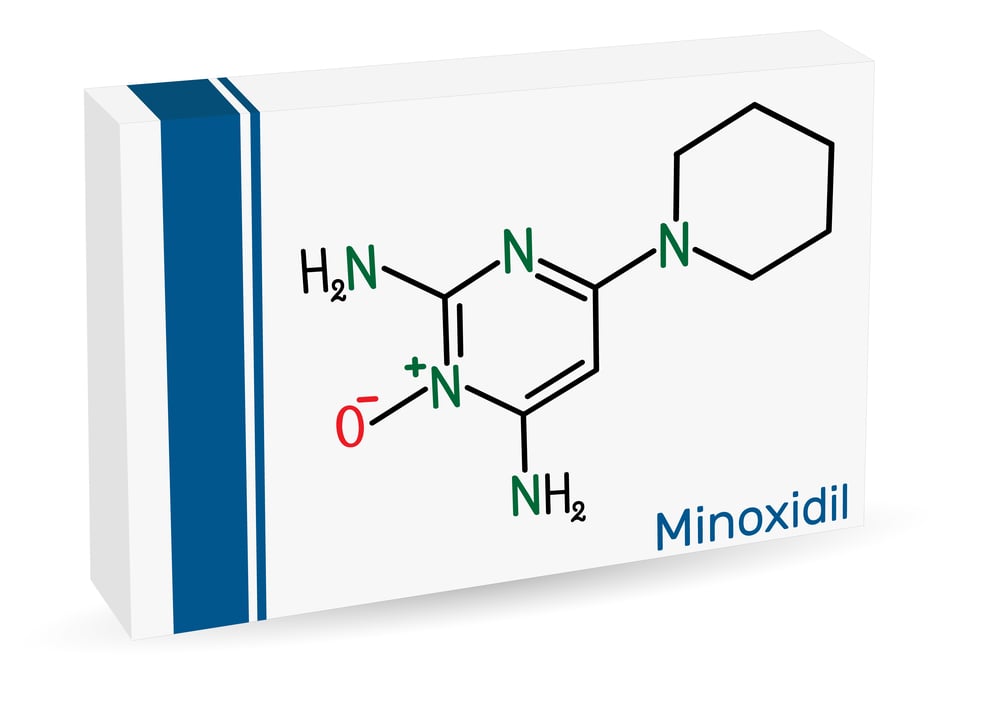
Minoxidil can improve a receding hairline in selected patients. It rarely restores a fully lost hairline. People using minoxidil receding hairline treatments often experience:
- slower progression of hair loss
- increased thickness in miniaturized hairs
- mild improvement in temple density
However, a sharp and dense frontal hairline usually requires more than topical treatment alone.
What does “working” actually mean?
When discussing minoxidil frontal hairline results, “working” does not mean complete regrowth. It usually means visible improvement in hair quality and coverage.
In practical terms:
- existing hairs become thicker and more pigmented
- weak follicles re-enter the growth phase
- the hairline appears fuller, but not fully restored
Another important point is that minoxidil does not target the hormonal cause of hair loss. It stimulates growth, but it does not stop the underlying progression by itself. This is why results can plateau or decline if used alone over time.
Dr. Mehmet Erdoğan notes that patients often misunderstand this stage. He explains that minoxidil is a support treatment, not a standalone solution for reshaping the hairline. In clinical practice at Smile Hair Clinic, combining treatments is usually what delivers more stable and visible outcomes, especially in the frontal zone.
Why the Hairline Is Harder to Treat Than the Crown
If you’ve looked into minoxidil hairline thinning, you may have noticed mixed results. Some people see improvement. Others see very little change. The reason lies in how different areas of the scalp behave.
The crown and the hairline are not the same.
Hairline vs crown: what changes?
Minoxidil was originally tested and approved for the crown area. That region tends to respond more consistently. The frontal hairline, including the temples, is more sensitive to hormonal effects and tends to lose density earlier.
When people search does minoxidil work for a receding hairline, they are often comparing their results to crown regrowth photos. That comparison can be misleading.
In the hairline:
- follicles miniaturize faster
- blood supply patterns differ
- androgen sensitivity is higher
These factors make minoxidil frontal hairline results less predictable.
Miniaturization, dormant follicles, and the point of no return
Hair loss does not happen overnight. It is a gradual process where thick hairs become thinner over time. This is called miniaturization.
Minoxidil works best during this stage.
If follicles are still present but weak, they can respond. If they have been inactive for a long time, the chances of regrowth drop significantly. This is why early intervention is key for minoxidil receding hairline treatment.
There is a practical way to think about it:
- thinning hair → high response potential
- fine, barely visible hair → moderate response
- smooth, shiny skin → very low response
FDA labeling vs real-world use
Minoxidil is officially approved for vertex (crown) hair loss. Using it on the hairline is considered off-label, but widely practiced.
Many patients still use it successfully on the frontal area, especially in early stages. The limitation is not safety, but predictability. Results vary more compared to crown treatment.
Dr. Gökay Bilgin often highlights this distinction during consultations. He explains that patients with early temple thinning can benefit from minoxidil, but those with advanced recession usually need a different strategy. At Smile Hair Clinic, treatment planning always starts with evaluating whether follicles are still active or already lost.
Who Gets the Best Results from Minoxidil on the Hairline
Not everyone responds the same to minoxidil hairline thinning treatment. Results depend on timing, hair loss pattern, and follicle condition. If you’re searching does minoxidil work for a receding hairline, the better question is this. Will it work for your specific stage?
Early-stage recession
This is where minoxidil performs best.
If your hairline has started to recede recently and you still see thin, weak hairs in the area, response rates are higher. These hairs are miniaturized, not gone.
In this stage, minoxidil hairline regrowth usually means:
- thicker strands
- better coverage
- slower progression
The earlier you start, the more you can preserve.
Temple thinning and diffuse frontal loss
Minoxidil tends to work better on diffuse thinning than sharp, deep recession.
If your temples still have visible but weak hairs, minoxidil frontal hairline application can improve density. The change is often gradual and subtle, but noticeable over time.
If the temples are completely empty, expectations need to shift.
Norwood stage and realistic expectations
Hair loss is often classified using the Norwood scale.
- Norwood 1–2 → strong candidates
- Norwood 2–3 → moderate response expected
- Norwood 3+ → limited regrowth, stabilization more likely
People in early stages benefit the most from minoxidil receding hairline treatment. At advanced stages, the focus often shifts from regrowth to preservation.
Who is unlikely to respond well?
Minoxidil is less effective in certain situations:
- long-standing, smooth bald areas
- deep temple recession with no visible hairs
- aggressive, fast-progressing hair loss
In these cases, the follicles are often no longer active.
Dr. Firdavs Ahmedov points out that many patients overestimate what medication alone can achieve. In his clinical experience at Smile Hair Clinic, minoxidil works best as part of an early intervention plan. When the hairline has already receded significantly, combining treatments or considering restoration options becomes more relevant.
How Minoxidil Works on Hairline Thinning
To understand minoxidil hairline regrowth, you need to look at what happens inside the follicle. The process is not instant, and it does not create new follicles. It works by improving the performance of existing ones.
Minoxidil mainly acts as a growth stimulator. It helps weakened follicles produce thicker, longer hairs.
What it does inside the follicle
Hair grows in cycles. Each follicle moves through growth, transition, and resting phases. In hair loss, the growth phase becomes shorter, and hairs become thinner over time.
Minoxidil helps by:
- extending the growth phase (anagen)
- increasing hair shaft thickness
- supporting weakened follicles
This is why people using minoxidil frontal hairline treatment often notice thicker, darker hairs after a few months.
It does not reverse the root cause of hair loss. It supports the follicle’s activity.
Does it increase blood flow, growth phase length, or both?
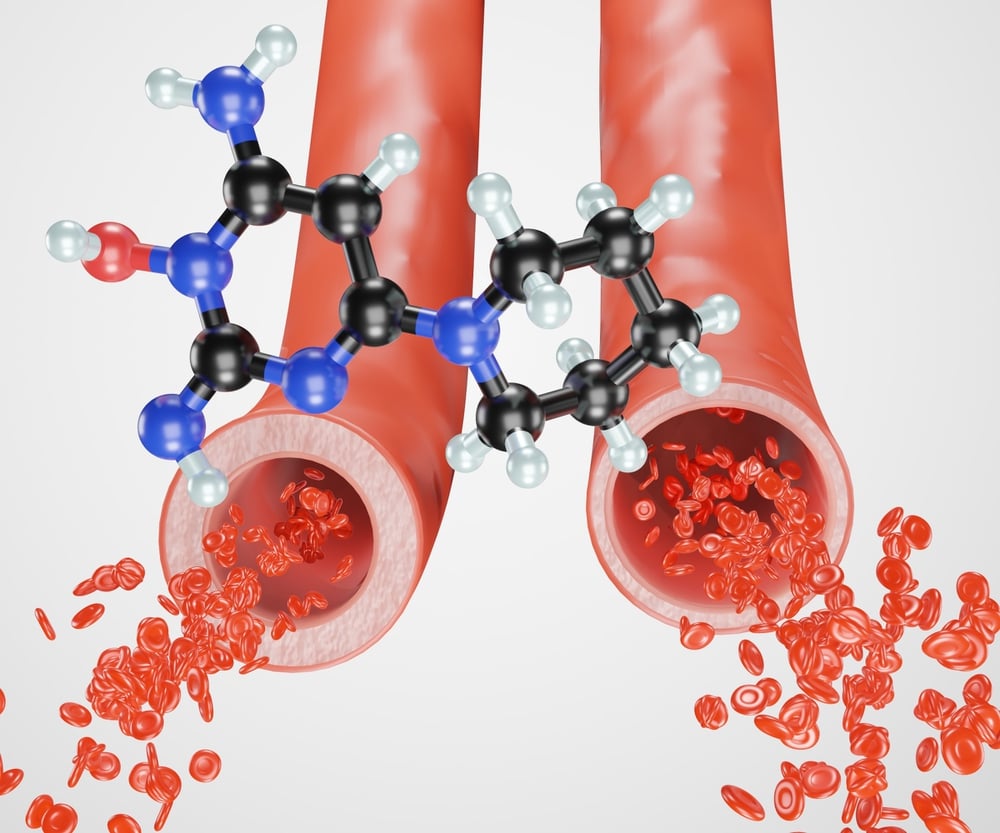
Minoxidil was first developed as a blood pressure medication. Its vasodilating effect improves blood flow to the scalp. This plays a role, but it is not the whole story.
Current understanding suggests:
- it improves follicle oxygen and nutrient delivery
- it stimulates cellular activity in the follicle
- it prolongs the active growth phase
These combined effects explain why minoxidil receding hairline treatment can lead to visible thickening, especially in early stages.
Why some people respond better than others
Not every patient sees the same outcome.
Response depends on:
- how many follicles are still active
- how advanced the miniaturization is
- individual sensitivity to the medication
Some people are strong responders. Others see modest improvement.
There is also an early shedding phase. This can happen in the first weeks as weaker hairs fall out and new growth begins. It can be unsettling, but it is part of the process for many users.
Dr. Ali Osman Soluk explains that patients often stop treatment during this shedding phase, thinking it is not working. In clinical practice at Smile Hair Clinic, those who continue beyond this period are more likely to see stabilization and visible thickening in the hairline.
Topical vs Oral Minoxidil for Hairline Regrowth
When people research minoxidil hairline regrowth, they usually start with topical products. Foam and liquid solutions are widely available and easy to use. In recent years, low-dose oral minoxidil has gained attention as an alternative.
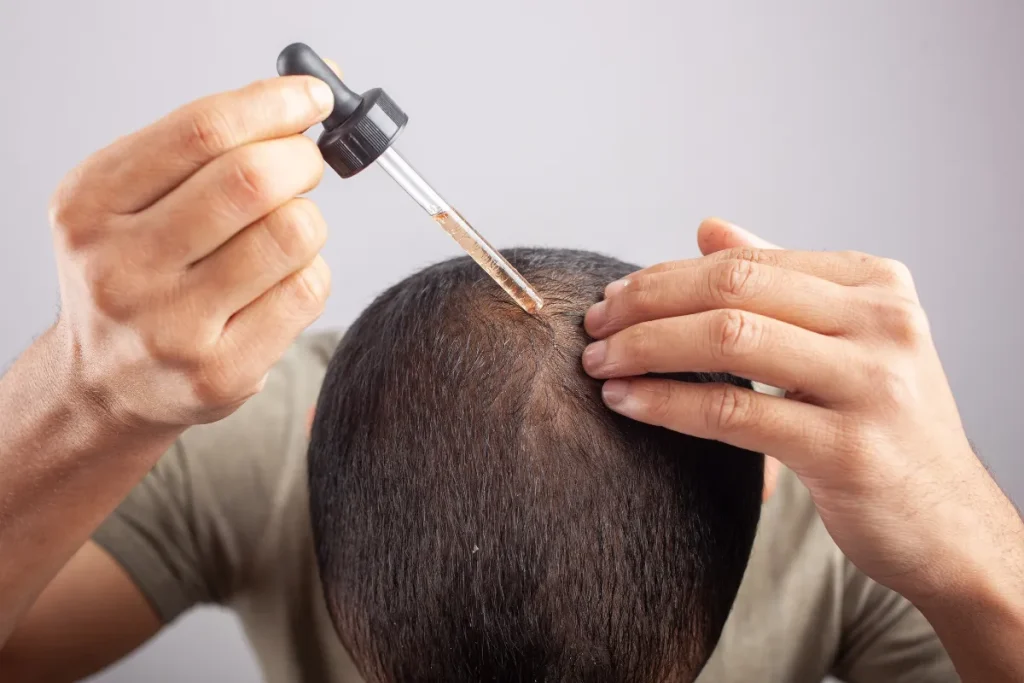
Both options can support minoxidil receding hairline treatment, but they work differently in practice.
Foam vs liquid
Topical minoxidil comes in two main forms. Foam and liquid.
Foam is often preferred for the hairline. It dries faster and tends to cause less irritation. This makes it easier to apply along the temples and frontal zone.
Liquid can be slightly stronger in penetration, but it may lead to:
- scalp dryness
- itching
- flaking in sensitive skin
For minoxidil frontal hairline use, consistency matters more than the form. The best option is the one you can apply regularly without discomfort.
Topical vs low-dose oral minoxidil
Topical minoxidil works directly on the scalp. Oral minoxidil works systemically, affecting hair growth across the body.
Low-dose oral minoxidil is sometimes used when:
- topical treatment is not effective enough
- irritation limits regular use
- broader hair density improvement is needed
Oral treatment can produce stronger overall stimulation. However, it also carries a higher risk of side effects, including unwanted body hair growth and cardiovascular effects. It should only be used under medical supervision.
Which option fits which patient?
For most people starting minoxidil hairline thinning treatment, topical application is the first step.
Oral minoxidil may be considered in selected cases, especially when response to topical use is limited or inconsistent.
- early-stage hairline recession → topical usually sufficient
- sensitive scalp → foam preferred
- low response to topical → oral may be evaluated
Dr. M. Reşat Arpacı emphasizes that treatment choice should always match the patient’s profile. At Smile Hair Clinic, topical minoxidil remains the standard starting point. Oral options are considered carefully, based on medical history and response to treatment.
How to Apply Minoxidil to the Hairline the Right Way
Using minoxidil correctly makes a noticeable difference, especially for minoxidil hairline thinning. Many people use it inconsistently or apply it in the wrong way, which limits results.
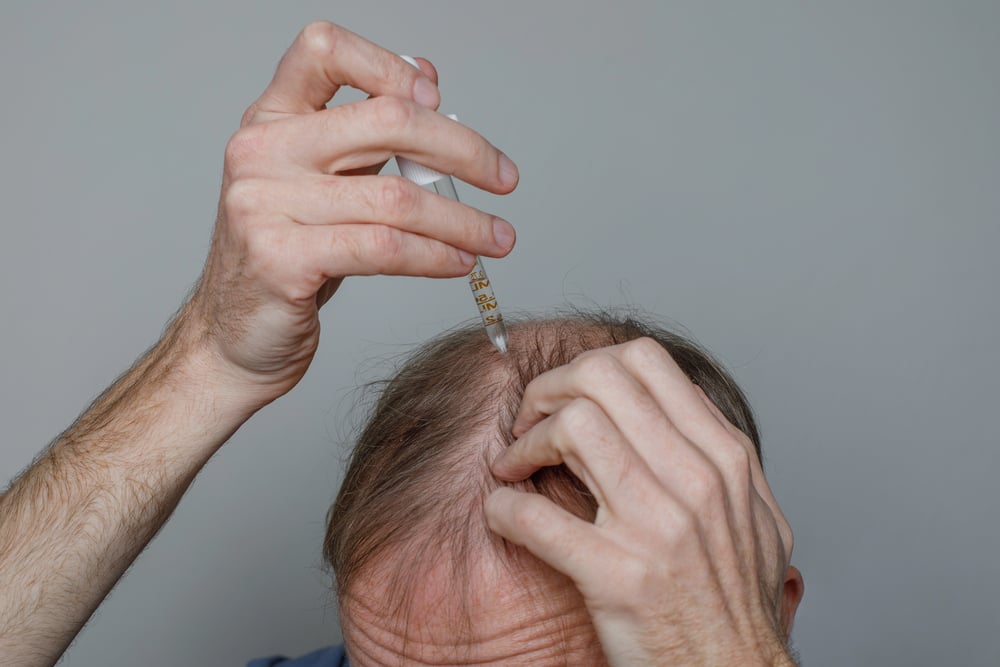
The goal is simple. Deliver the medication directly to the follicles and keep it there long enough to absorb.
How much should you use?
Most formulations recommend about 1 ml per application.
For the hairline, you usually need less. The frontal area is smaller, so applying too much can lead to unnecessary spread onto the forehead or face.
Focus on:
- applying a thin, controlled layer
- targeting thinning zones, not the hair itself
- avoiding dripping or over-saturation
Best time of day
Minoxidil is typically used once or twice daily.
If using twice daily:
- morning application should be light and well absorbed
- evening application allows longer contact with the scalp
For many patients, once-daily use in the evening is easier to maintain long term. Consistency matters more than frequency.
Common mistakes that reduce results
Small mistakes can reduce effectiveness.
- applying to wet hair instead of a dry scalp
- spreading it over hair instead of reaching the skin
- stopping too early, often within the first 2 to 3 months
- using irregularly, which disrupts the growth cycle
These patterns are very common in people trying minoxidil receding hairline treatment.
Can you use it on temples and widow’s peak?
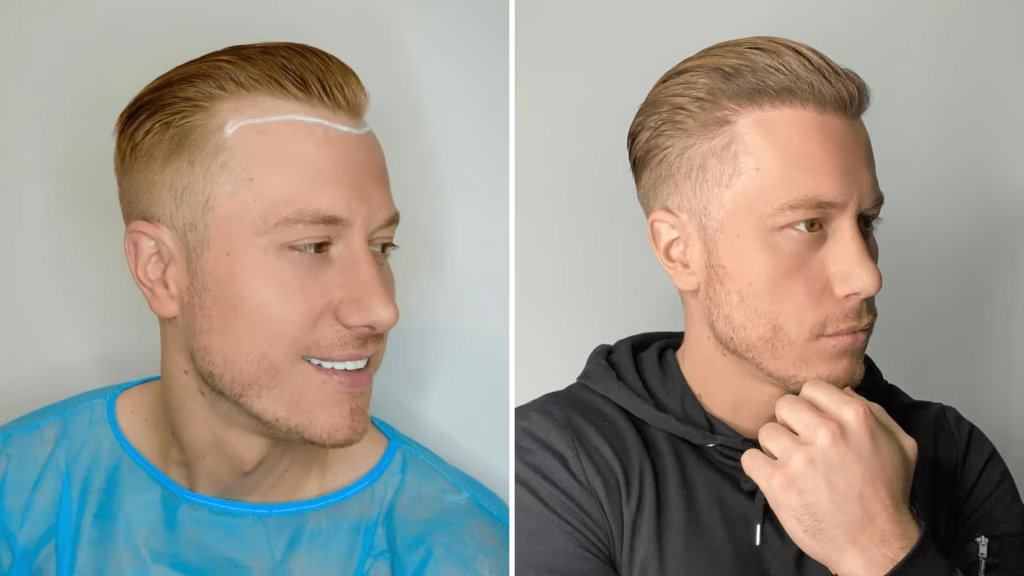
Yes, minoxidil can be applied to temples and the frontal hairline. This is common in minoxidil frontal hairline use.
The key point is precision. The hairline area is close to the face, so careful application helps avoid unwanted facial hair growth.
Dr. Gökay Bilgin notes that technique is often overlooked. At Smile Hair Clinic, patients are shown how to apply minoxidil directly to the scalp rather than the hair. This small adjustment can improve results over time.
When Will You See Hairline Results? A Real Timeline
If you’re using minoxidil hairline regrowth treatment, timing is one of the biggest concerns. Many people expect fast results and stop too early when they don’t see change.
Hair growth does not work that way. It follows a cycle.
Understanding this timeline helps you stay consistent and avoid unnecessary frustration.
Weeks 1 to 8
In the first weeks, visible improvement is rare.
Some people notice increased shedding. This can feel alarming, especially when treating a minoxidil receding hairline. In reality, this phase often means weaker hairs are being pushed out as new growth begins.
At this stage:
- shedding may increase temporarily
- hairline may look unchanged or slightly thinner
- no visible regrowth yet
This phase requires patience.
Months 3 to 6
This is when early results start to appear.
You may begin to see:
- fine, soft hairs developing along the hairline
- improved thickness in existing strands
- better overall coverage in thinning zones
For minoxidil frontal hairline use, changes are usually subtle at first. Lighting and styling can influence how noticeable the improvement feels.
Consistency during this period is critical.
Months 6 to 12
This is the stage where results become clearer.
- hairs become thicker and more pigmented
- density improves in responsive areas
- the hairline may appear fuller, though not fully restored
At this point, you can better judge how effective the treatment is for your case.
What does shedding mean?
Shedding is often misunderstood.
It does not mean the treatment is failing. It usually reflects a shift in the hair cycle, where weaker hairs are replaced by stronger ones.
Not everyone experiences it, but it is common enough to expect.
Dr. Mehmet Erdoğan explains that many patients stop during the early months, especially when shedding begins. In clinical follow-ups at Smile Hair Clinic, those who continue treatment beyond six months are far more likely to see stabilization and visible thickening in the hairline.
Does Minoxidil Work Better with Finasteride, Microneedling, or PRP?
Using minoxidil hairline regrowth treatment alone can help, especially in early stages. But many patients want stronger, more stable results. That’s where combination approaches come in.
Minoxidil stimulates growth. It does not block the underlying cause of hair loss. This is why combining treatments often produces better outcomes for a minoxidil receding hairline.
Minoxidil vs finasteride
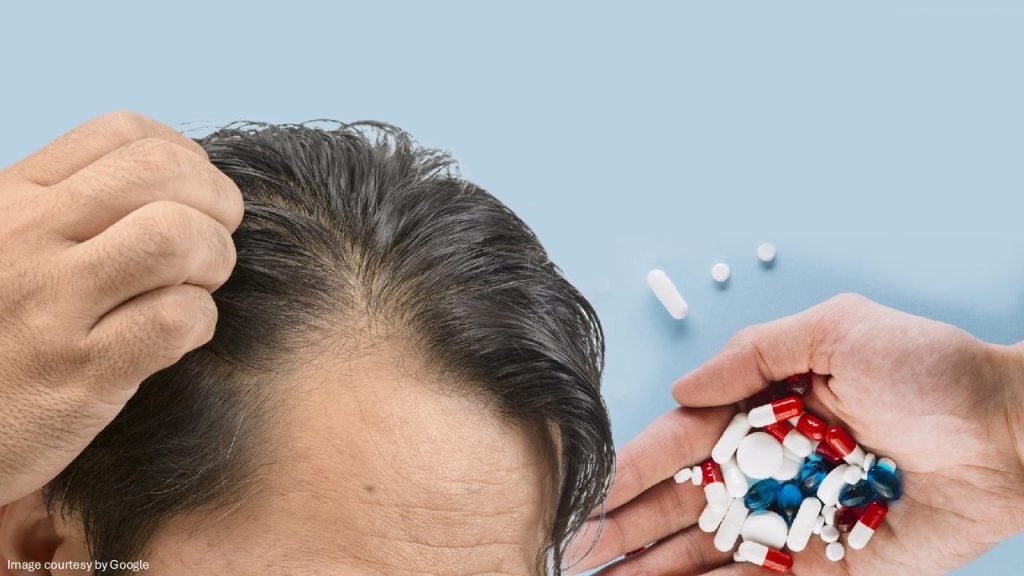
These two are often used together for a reason.
- Minoxidil supports hair growth
- Finasteride reduces DHT, the hormone driving follicle miniaturization
When used together, they target both sides of the problem.
For minoxidil frontal hairline treatment, this combination can:
- slow progression more effectively
- maintain existing density longer
- improve the chance of visible thickening
Minoxidil alone may not fully stabilize the hairline over time.
Why combination therapy often works better
Hair loss is a progressive condition. Supporting growth without controlling the cause can limit long-term results.
Combination therapy can:
- protect existing follicles
- improve response in weak areas
- extend the lifespan of transplanted or natural hairs
This is especially relevant in the hairline, where loss tends to progress earlier and faster.
Where microneedling may help
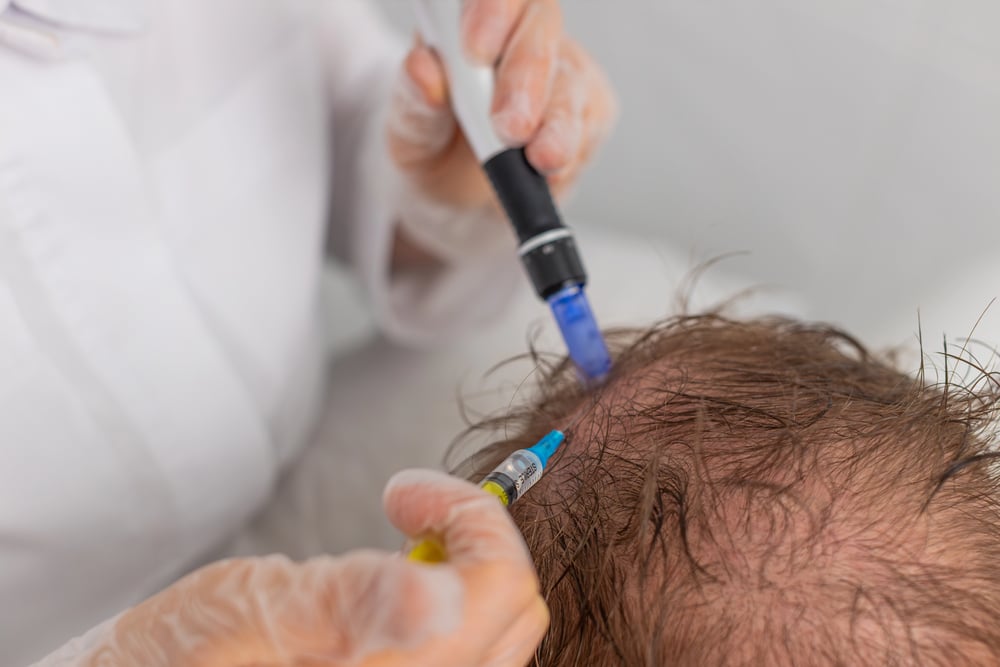
Microneedling is sometimes added to improve absorption and stimulate the scalp.
It can:
- increase penetration of topical minoxidil
- trigger a mild healing response
- support follicle activity in early thinning areas
Results vary, but it is commonly used alongside minoxidil hairline thinning treatment.
Where PRP and clinical treatments fit
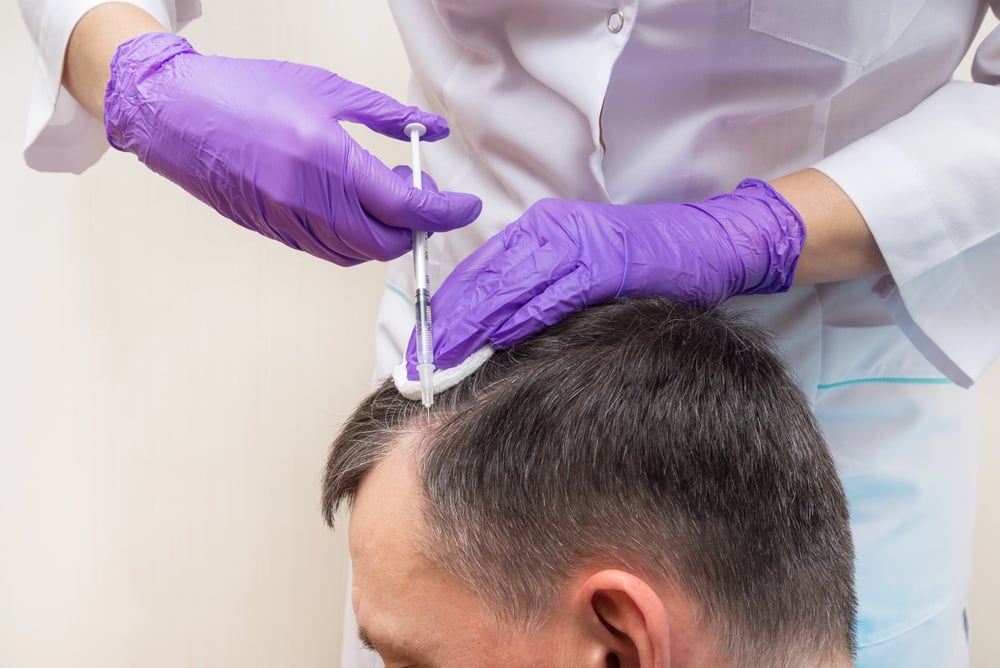
Platelet-rich plasma (PRP) is another option used in clinical settings.
It may:
- support follicle health
- improve hair thickness
- enhance overall scalp condition
It is usually considered when topical treatment alone is not enough.
Dr. Ali Osman Soluk explains that relying on a single method often leads to partial results. At Smile Hair Clinic, treatment plans are adjusted based on progression. In early stages, medication may be enough. In more advanced cases, combining therapies or planning restoration provides more consistent outcomes.
Side Effects and Safety: What You Need to Watch For
Topical minoxidil is generally well tolerated. The most common reactions are mild scalp irritation, dryness, or temporary shedding in the early weeks. These usually improve with time or by switching from liquid to foam formula.
Oral minoxidil carries a broader risk profile and should only be used under medical supervision.
If you experience strong irritation or unusual symptoms, pause use and seek medical advice.
For a full breakdown of side effects, long-term safety, and who should avoid minoxidil, see our detailed guide: Is Minoxidil Safe?
Dr. M. Reşat Arpacı notes that most side effects stem from incorrect use rather than the medication itself. Proper application technique makes a significant difference in long-term tolerance.
Can Women Use Minoxidil on the Hairline?
Yes, women can use minoxidil hairline regrowth treatment. It is actually one of the most commonly recommended options for female hair thinning. The key is understanding the pattern of loss and applying it correctly.

Hairline thinning in women often looks different from men. Instead of deep temple recession, many women experience diffuse thinning along the frontal zone or a gradual widening of the part line.
Female hairline thinning: what to expect
Minoxidil can be effective for minoxidil frontal hairline use in women, especially when thinning is recent and follicles are still active.
Typical results include:
- improved hair thickness
- better coverage along the hairline
- reduced visibility of scalp in frontal areas
As with men, it does not recreate a completely new hairline. It enhances what is still present.
Women searching does minoxidil work on hairline often see more uniform improvement compared to men, since their hair loss pattern is usually more diffuse rather than sharply receded.
Pregnancy and breastfeeding considerations
Minoxidil is not recommended during pregnancy or breastfeeding.
Even topical use can carry risks, as small amounts may be absorbed into the bloodstream. It is best to pause treatment during this period and consult a doctor before restarting.
When another condition may be involved
Not all female hairline loss is androgenetic.
Conditions like frontal fibrosing alopecia can affect the hairline and require a completely different approach. In these cases, using minoxidil alone is not enough and may delay proper diagnosis.
Warning signs include:
- rapid or uneven hairline loss
- redness or irritation around follicles
- loss of eyebrow hair
These situations should be evaluated by a specialist.
Dr. Firdavs Ahmedov notes that early diagnosis is especially important in female patients. At Smile Hair Clinic, women with frontal thinning are carefully assessed to confirm the type of hair loss before starting minoxidil receding hairline treatment. This helps avoid ineffective or delayed treatment.
When Minoxidil Is Not Enough
Minoxidil can support minoxidil hairline regrowth, especially in early stages. But there is a point where it stops being enough on its own. Recognizing that point saves time and prevents frustration.
Signs medication is unlikely to rebuild the hairline
Minoxidil works on active follicles. If those follicles are no longer functioning, results will be very limited.
You may notice:
- a smooth, shiny hairline with no visible hairs
- deep temple recession that has been stable for years
- no change after consistent use for 6 to 12 months
In these situations, minoxidil receding hairline treatment may still help protect surrounding hair, but it will not rebuild the missing hairline.
When to think about a hair transplant
A hair transplant becomes relevant when the goal shifts from preservation to restoration.
You may consider it if:
- the hairline shape has significantly changed
- density loss is clearly visible in the frontal zone
- medication provides minimal improvement
Transplant procedures place healthy follicles into the hairline to recreate a natural shape and density. Minoxidil can still play a role, but as support rather than the main solution.
How minoxidil fits before and after surgery
Minoxidil is often used as part of a broader plan.
Before treatment, it may:
- strengthen existing hair
- improve the condition of surrounding follicles
After a transplant, it can:
- support native hair retention
- improve overall density around the transplanted area
This is why minoxidil frontal hairline treatment is often continued even after surgical restoration.
Dr. Mehmet Erdoğan explains that timing is key. At Smile Hair Clinic, patients are guided based on whether the goal is to preserve existing hair or rebuild the hairline. In early stages, medication may be enough. In more advanced cases, combining treatments with a well-planned transplant provides more predictable and lasting results.
Most Common Questions About Minoxidil and the Hairline
Does minoxidil work on temples?
Yes, minoxidil can work on temples, especially in early thinning. If there are still fine or miniaturized hairs present, minoxidil frontal hairline application can improve thickness and coverage over time. Results are usually gradual and less dramatic than crown regrowth.
Can minoxidil regrow a widow’s peak?
Minoxidil can improve density around a widow’s peak if follicles are still active. It does not recreate a sharp, defined hairline if the area has been bald for a long time. In minoxidil hairline regrowth, the goal is often improvement rather than full restoration.
Can minoxidil regrow a completely bald hairline?
No, this is very unlikely. If the hairline has been smooth and hairless for years, follicles are usually no longer active. In these cases, minoxidil receding hairline treatment may help surrounding areas, but not rebuild the lost hairline.
How long should I use minoxidil before judging results?
You should use minoxidil consistently for at least 6 months before evaluating results. Early changes in minoxidil hairline thinning can be subtle, and visible improvement often takes time. Stopping too early is one of the most common reasons for disappointing outcomes.
Will I lose progress if I stop using minoxidil?
Yes. Minoxidil supports the growth cycle but does not remove the underlying cause of hair loss. If you stop, the hair you maintained or improved with minoxidil frontal hairline treatment will gradually return to its previous state.
Is foam better than liquid for the hairline?
Foam is often preferred for the hairline. It is easier to control, dries faster, and tends to cause less irritation. Liquid may penetrate slightly more but can increase dryness or flaking, especially near the forehead.
Is oral minoxidil stronger than topical?
Oral minoxidil can have a stronger overall effect since it works systemically. However, it also carries a higher risk of side effects and should only be used under medical supervision. Topical remains the first-line option for most people.
Should I use minoxidil after a hair transplant?
Yes, in many cases. After a transplant, minoxidil can help maintain existing hair and improve overall density. It supports the surrounding areas rather than replacing the need for surgery.
Please Select Your Gender
Ready to Take the Next Step?
If you’re still wondering whether minoxidil hairline thinning treatment is enough for your case, the best step is a personalized assessment.

At Smile Hair Clinic, your hairline is evaluated based on:
- current follicle condition
- stage of hair loss
- long-term progression risk
From there, you receive a clear plan. This may include medical treatment, combination therapy, or hairline restoration when needed.
You don’t have to guess what will work.
Minoxidil is only one piece of a hairline strategy, and it works best alongside a surgical plan designed around it, not layered on top of one after the fact. Every tier within hair transplant turkey cost at Smile Hair Clinic already accounts for medication and a full year of monitoring, so the two approaches stay coordinated rather than working against each other.
