If you’re searching “does finasteride regrow hair”, you’re likely trying to understand what kind of results you can realistically expect. You may have seen before and after photos online or read mixed opinions, and now you want a clear answer that actually helps you decide.

The honest answer is balanced. Finasteride can regrow hair in some cases, but its main function is to stop or slow down hair loss rather than fully reverse it. This distinction is where most confusion begins. Many people assume regrowth is guaranteed, when in reality, stabilization is the primary benefit and regrowth is a secondary effect that varies from person to person.

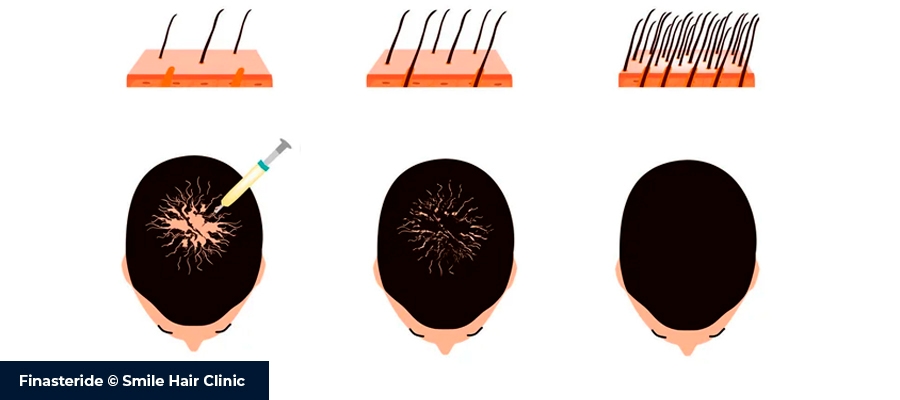
To understand why, it helps to look at how the treatment works. Finasteride reduces DHT, the hormone responsible for shrinking hair follicles in androgenetic alopecia. Once DHT levels drop, the hair loss process slows down, and follicles are given a chance to recover. In some cases, this recovery leads to visible thickening or partial regrowth, especially in areas that have not been completely lost.

This is why users often search related questions such as does finasteride stop hair loss, does finasteride thicken hair, and how reliable finasteride hair regrowth actually is. All of these outcomes are connected, but they are not equally predictable.

A more accurate way to think about it is:

  • stopping further loss is highly likely
  • maintaining existing hair is very common
  • noticeable regrowth is possible, but not guaranteed

Understanding this early helps set realistic expectations and prevents disappointment.

“Finasteride works best as a preservation treatment. When started early, it can also improve density, but its main role is to protect what you still have.”
— Dr. Mehmet Erdoğan, Smile Hair Clinic

In the next section, we’ll look at how finasteride actually works and why that matters for regrowth.

What Is Finasteride and How Does It Work?

To answer does finasteride regrow hair, you first need to understand what it actually does at a biological level. The way it works explains both its strengths and its limitations.

Does Finasteride Regrow Hair? Results, Timeline & Expectations

Finasteride is a medication that targets one key factor in hair loss: DHT, or dihydrotestosterone. In androgenetic alopecia, DHT gradually shrinks hair follicles, making each new hair thinner and shorter over time. Eventually, the follicle may stop producing visible hair altogether.

Finasteride works by reducing DHT levels in the scalp. It does this by inhibiting the enzyme responsible for converting testosterone into DHT. When DHT is lowered, the process that drives hair loss slows down.

What This Means for Your Hair

Once DHT is reduced, several changes can occur:

  • the progression of hair loss slows or stops
  • miniaturized hairs may become thicker
  • some follicles may recover partial function

This is where finasteride hair regrowth comes into play. Regrowth is not the primary goal of the medication, but it can happen as a result of stabilizing the follicle environment.

Why It Doesn’t Work Like a Growth Stimulator

Unlike treatments such as minoxidil, finasteride does not directly stimulate hair growth. It works indirectly by removing the cause of follicle shrinkage.

This distinction matters.

It explains why:

  • results take time
  • regrowth is not always dramatic
  • outcomes vary depending on follicle condition

If a follicle is still alive but weakened, it may recover. If it has been inactive for a long time, regrowth becomes less likely.

Where It Has the Most Impact

Finasteride tends to be more effective in areas where hair is thinning but not completely gone.

This includes:

  • the crown
  • mid-scalp regions

The hairline can respond, but results there are often less predictable.

“Finasteride changes the environment around the follicle by lowering DHT. When follicles are still viable, this can lead to visible improvement in thickness and density.”
— Dr. Gökay Bilgin, Smile Hair Clinic

Does Finasteride Actually Regrow Hair?

Does Finasteride Regrow Hair? Results, Timeline & Expectations

Now that you understand how it works, we can answer the core question more directly.

Does finasteride regrow hair? Yes, it can. But the extent of regrowth depends on several factors, and this is where expectations need to be realistic.

Regrowth vs Stopping Hair Loss

The most important point is this distinction.

Finasteride is primarily a treatment that:

  • slows or stops further hair loss
  • stabilizes existing follicles
  • protects what you still have

Regrowth happens as a secondary effect, not the main purpose.

This is why many people searching can finasteride regrow hair feel confused. They expect new hair growth as the primary outcome, when in reality, stabilization is the more reliable result.

When Regrowth Happens

Regrowth is more likely when:

  • hair follicles are still active but weakened
  • hair has thinned rather than completely disappeared
  • treatment is started early

In these cases, finasteride can:

  • thicken existing hairs
  • improve overall density
  • restore some visible coverage

This is often described as finasteride regrowth, but it is usually partial rather than complete.

When Regrowth Is Limited

If hair loss has progressed further, results change.

Regrowth becomes less likely when:

  • follicles are inactive for a long time
  • the area is completely bald
  • hairline recession is advanced

In these situations, finasteride still plays an important role by preventing further loss, even if regrowth is minimal.

A More Accurate Expectation

A practical way to think about it:

  • stopping hair loss is highly likely
  • maintaining current density is common
  • regrowth is possible, but varies

Clinical Perspective

“Patients often expect regrowth, but the real value of finasteride is preserving existing hair. Any regrowth should be seen as an additional benefit.”
— Dr. Firdavs Ahmedov, Smile Hair Clinic

So the answer is yes, but with conditions.

Where Does Finasteride Work Best?

When people ask does finasteride regrow hair, they often assume it works the same everywhere on the scalp. In reality, response varies significantly depending on the area affected by hair loss.

Does Finasteride Regrow Hair? Results, Timeline & Expectations

Understanding this helps set much more accurate expectations.

Crown vs Hairline: Why Results Differ

Finasteride tends to work best in the crown and mid-scalp regions. These areas usually respond more consistently to treatment, especially when thinning is still in the early or moderate stage.

In the crown area:

  • follicles are often still active but weakened
  • blood supply remains relatively stable
  • miniaturization can be partially reversed

This makes finasteride hair regrowth more noticeable in this region. Many users report improved density and thicker strands over time.

The hairline, however, behaves differently.

Hairline Response Is Less Predictable

The frontal hairline is more sensitive to DHT and tends to be the first area affected. By the time treatment begins, follicles in this zone are often more advanced in the miniaturization process.

As a result:

  • regrowth is less consistent
  • improvements are usually subtle
  • stabilization is still valuable

This is why searches like can finasteride regrow hairline often lead to mixed answers.

A more realistic breakdown looks like this:

  • crown: higher chance of visible improvement
  • mid-scalp: moderate response
  • hairline: limited but possible response

What This Means for You

If your hair loss is mainly in the crown, finasteride may deliver noticeable improvement. If it is concentrated at the hairline, the benefit is more about slowing progression.

Clinical Perspective

“We often see better regrowth in the crown because follicles there tend to remain viable longer. The hairline can improve, but expectations should be more conservative.”
— Dr. Ali Osman Soluk, Smile Hair Clinic

So location matters more than most people think.

Finasteride Results Timeline: What Happens Month by Month

Once you start treatment, the next question is usually about timing.

Not just does finasteride regrow hair, but how long it actually takes to see results.

Hair does not respond instantly. It follows a cycle, and finasteride works within that cycle. Understanding the phases helps you avoid unnecessary concern early on.

0–3 Months: Adjustment Phase

In the first few months, changes are not always visible.

You may notice:

  • little to no improvement at first
  • possible increase in shedding
  • no immediate density change

This stage can feel discouraging. Some users even question whether finasteride hair regrowth is happening at all.

In reality, the medication is already reducing DHT levels and stabilizing the environment around the follicles.

3–6 Months: Stabilization Phase

This is where the first meaningful changes begin.

You may start to notice:

  • reduced daily hair shedding
  • hair loss slowing down
  • early signs of thicker strands

At this stage, the primary benefit of finasteride becomes clear. It is stopping further loss.

Regrowth, if it happens, is still developing.

6–12 Months: Visible Improvement Phase

This is when most users begin to see noticeable results.

Changes may include:

  • improved density, especially in the crown
  • thicker, stronger hair shafts
  • better overall coverage

This is where finasteride before and after comparisons become more meaningful.

Still, results remain gradual rather than dramatic.

12 Months and Beyond: Maintenance Phase

After a year, results tend to stabilize.

At this point:

  • gains are maintained with continued use
  • further improvement may still occur slowly
  • stopping treatment will reverse progress over time

Many people stop too early.

Understanding the phases helps you stay consistent and evaluate results more accurately.

“Finasteride requires patience. The most noticeable improvements often appear after several months, once the hair cycle has fully adjusted.”
— Dr. Mehmet Erdoğan, Smile Hair Clinic

So results are not instant.

They build over time.

How Much Hair Can Finasteride Regrow?

After understanding the timeline, the next question becomes more specific.

Not just does finasteride regrow hair, but how much hair can actually come back.

This is where expectations need to stay realistic.

What Regrowth Typically Looks Like

In most cases, finasteride hair regrowth is not about bringing back a completely lost hairline. It is more about improving what is already there.

You may notice:

  • thicker existing hairs
  • increased density in thinning areas
  • improved overall coverage

This creates the appearance of fuller hair, even if the total number of follicles does not dramatically increase.

What Percentage of Regrowth Is Realistic

Results vary, but a practical expectation looks like this:

  • stabilization of hair loss in a majority of users
  • visible thickening in many cases
  • noticeable regrowth in a smaller percentage

This is why how effective is finasteride often depends on how early treatment begins.

Where the Biggest Changes Happen

As discussed earlier, regrowth is more noticeable in certain areas.

  • crown: higher chance of visible density improvement
  • mid-scalp: moderate response
  • hairline: limited regrowth, but possible stabilization

This explains why can finasteride regrow hairline often has mixed answers.

What It Cannot Do

Finasteride has limitations.

It generally cannot:

  • restore hair in completely bald areas
  • recreate a juvenile hairline
  • produce rapid or dramatic regrowth

A More Accurate Way to Think About It

Instead of expecting full regrowth, think in terms of improvement:

  • preserving existing hair
  • thickening weaker strands
  • slowing progression

“Finasteride improves density by strengthening existing follicles. It does not create new follicles, which is why early treatment leads to better outcomes.”
— Dr. Gökay Bilgin, Smile Hair Clinic

So the result is usually subtle but meaningful.

Finasteride Before and After: What’s Realistic?

When people search “finasteride before and after”, they’re usually trying to visualize results. The problem is that many examples online highlight the best cases, not the typical ones.

This creates unrealistic expectations.

What Real Results Usually Look Like

In real-world cases, the change is gradual and often subtle.

Most users experience:

  • reduced hair shedding over time
  • thicker appearance in existing hair
  • improved density in thinning areas

The difference is often more noticeable to the person than to others at first.

This is a key point that is often missed.

Why Online Photos Can Be Misleading

Before and after images can exaggerate results.

Factors that influence perception include:

  • lighting differences
  • hair length and styling
  • camera angle
  • timing between photos

These variables can make finasteride hair regrowth appear more dramatic than it actually is.

What a Good Outcome Looks Like

A successful result does not always mean visible regrowth.

In many cases, success means:

  • stopping further loss
  • maintaining current density
  • slowing progression significantly

This is especially true for those who start treatment early.

When Results Are More Noticeable

More visible improvement tends to happen when:

  • hair loss is recent
  • follicles are still active
  • thinning is present rather than complete loss

This aligns with earlier discussions around how effective is finasteride.

Setting a Realistic Expectation

A practical expectation is:

  • stabilization first
  • gradual thickening second
  • partial regrowth in some cases

“Patients often expect dramatic before and after changes. In reality, the most valuable outcome is preserving hair and improving density over time.”
— Dr. Ali Osman Soluk, Smile Hair Clinic

So when evaluating finasteride before and after, look for consistency and subtle improvement rather than dramatic transformation.

Finasteride vs Minoxidil: Which Regrows More Hair?

When asking does finasteride regrow hair, it’s almost inevitable to compare it with another common treatment.

Does Finasteride Regrow Hair? Results, Timeline & Expectations

Minoxidil.

Both are widely used, but they work in very different ways. Understanding this difference helps you decide what to expect and whether combining them makes sense.

How They Work Differently

Finasteride targets the cause of hair loss.

  • it reduces DHT levels
  • slows follicle miniaturization
  • stabilizes ongoing hair loss

Minoxidil, on the other hand, acts as a growth stimulator.

  • it increases blood flow to the scalp
  • pushes follicles into the growth phase
  • encourages new hair production

This is why people often notice faster visible changes with minoxidil.

Which One Regrows More Hair?

If the question is strictly about hair regrowth, minoxidil tends to produce more noticeable early regrowth.

However, that does not mean it is the stronger treatment overall.

Finasteride plays a different role:

  • it preserves existing hair
  • it slows progression
  • it creates the conditions for long-term improvement

So while finasteride hair regrowth may be less dramatic, it is more stable over time.

Why Many Patients Use Both

In practice, these treatments are often combined.

This approach allows you to:

  • stop further loss with finasteride
  • stimulate growth with minoxidil
  • improve both density and stability

This combination addresses both sides of the problem.

A Practical Comparison

A simple way to think about it:

  • finasteride protects
  • minoxidil stimulates
  • together, they complement each other

Clinical Perspective

“Finasteride and minoxidil work best when used together. One protects the follicles, the other encourages growth, which leads to more balanced results.”
— Dr. Firdavs Ahmedov, Smile Hair Clinic

So the question is not always which one is better.

It’s how they work together.

What Happens If You Stop Finasteride?

At some point, many users ask a follow-up question.

Not just does finasteride regrow hair, but what happens if they stop using it.

The answer is important, especially for long-term planning.

The Role of Finasteride in Maintenance

Finasteride works by continuously lowering DHT levels. As long as DHT is controlled, hair loss slows down and follicles remain stable.

When you stop, that protection is removed.

Over time:

  • DHT levels return to normal
  • the hair loss process resumes
  • previously stabilized hairs begin to thin again

This is why people sometimes feel like they are “losing ground” after stopping.

What Happens to Regrown Hair

Any improvement achieved through finasteride hair regrowth is not permanent without continued use.

Within a few months:

  • regrown or thickened hairs may begin to shed
  • density gradually decreases
  • hair returns to its natural progression pattern

This does not mean finasteride caused damage. It means the treatment effect has stopped.

Timeline After Stopping

The change is not immediate.

Most users notice:

  • gradual shedding within 3 to 6 months
  • visible reduction in density over time
  • return to baseline within a year in many cases

This timeline can vary depending on individual response and duration of use.

Why This Is Often Misunderstood

Many people interpret post-treatment shedding as a negative side effect.

In reality, it is simply the reversal of the benefit.

This is similar to other maintenance-based treatments. The effect lasts as long as the treatment continues.

Finasteride is not a one-time solution.

  • using it maintains results
  • stopping it removes that support
  • natural hair loss continues

“Finasteride works as long as it is used. Once discontinued, the underlying hair loss process resumes, which is why continuity is important for long-term results.”
— Dr. M. Reşat Arpacı, Smile Hair Clinic

So the decision to start finasteride is also a decision about consistency.

Frequently Asked Questions

Does finasteride regrow hairline?

Finasteride can regrow hairline hair, but results are less predictable compared to the crown. The frontal area is usually more sensitive to DHT and often more advanced by the time treatment begins. In most cases, the main benefit at the hairline is slowing further recession rather than significant regrowth.

How long does finasteride take to regrow hair?

Results take time. Most users begin to see changes between 3 to 6 months, with more noticeable improvement around 6 to 12 months. Early stages may include stabilization and reduced shedding before visible finasteride hair regrowth appears.

Does finasteride thicken hair?

Yes, one of the most common effects is thickening of existing hair. Finasteride helps reverse miniaturization in weakened follicles, which can make hair appear fuller and denser even without dramatic regrowth.

Is finasteride effective for everyone?

No treatment works the same for everyone. How effective is finasteride depends on factors such as age, stage of hair loss, and how early treatment is started. People with early-stage thinning tend to see better results than those with long-standing hair loss.

Can finasteride regrow completely bald areas?

In most cases, no. Finasteride is unlikely to restore hair in areas where follicles are no longer active. It works best in areas where hair is thinning rather than completely gone.

Does finasteride stop hair loss completely?

For many users, it significantly slows or stabilizes hair loss. While it may not stop it entirely in every case, it is one of the most effective treatments for reducing progression of androgenetic alopecia.

What happens if you stop finasteride?

If you stop using finasteride, the benefits gradually reverse. Hair that was maintained or improved may begin to shed over time, and hair loss will continue according to your natural pattern.

Is finasteride better than minoxidil for regrowth?

They serve different roles. Finasteride focuses on stopping hair loss, while minoxidil is more directly associated with stimulating growth. For many people, using both together provides better overall results than using either alone.

Want to Know If Finasteride Will Work for You? Get a Clear, Personalized Plan

If you’re still wondering “does finasteride regrow hair for me”, the best answer comes from evaluating your specific hair loss pattern.

Not every case responds the same way.

Does Finasteride Regrow Hair? Results, Timeline & Expectations

At Smile Hair Clinic, specialists assess:

  • your stage of hair loss
  • which areas are still responsive
  • whether finasteride alone is enough
  • if combination treatment is more suitable

You get a realistic expectation and a plan that fits your situation.

Reach out to Smile Hair Clinic for a personalized consultation and take the next step with clarity and confidence.