

PRP hair treatment is a medical procedure that uses your own blood to support weaker follicles. At Smile Hair Clinic, PRP hair treatment in Turkey is planned like any other medical therapy, not treated as a quick add on. The aim is simple. Help your hair stay longer in the growth phase and slow the thinning process.
During platelet rich plasma for hair sessions, a small amount of blood is taken from your arm. It is then spun in a centrifuge to separate the plasma rich in platelets. This concentrated plasma is used for prp injections for hair loss, directly into thinning areas. PRP uses growth factors from your blood that may signal follicles to work better, supporting prp for hair restoration in the right candidates.
Patients usually search prp for hair loss when they notice early gaps, shedding or a softer hairline. They want something more serious than shampoo, but less invasive than surgery. PRP hair treatment turkey sits exactly in that space. It can also support results after a transplant or amplify the effect of medical therapy.
Results depend on your stage, genetics, hormones and existing follicle count. PRP is not a miracle. Evidence shows benefit for many cases of prp for androgenetic alopecia, but not everyone responds at the same level. That honesty matters.
Dr. Gökay Bilgin often explains PRP in one line. It does not create new follicles. It helps the ones you still have perform at their best.
PRP Hair Treatment in Turkey at Smile Hair Clinic
A medically guided way to protect the hair you still have
Thinning hair feels stressful. Shedding breaks your confidence. And waiting only makes the problem harder to control. PRP hair treatment in Turkey gives you a targeted, science based method to support active follicles before they weaken further.
At Smile Hair Clinic, PRP is performed by doctors who understand the patterns behind prp for hair loss. Every session follows a structured plan built around your scalp’s biology, not guesswork.
This is hair care with a clear purpose. A plan you can trust.
Why Choose Smile Hair Clinic for PRP Hair Treatment?
Doctor Led Treatment From Start to Finish
No rushed injections. No generic patterns. Every step is performed by a hair restoration specialist who evaluates your scalp, density maps and shedding history before recommending PRP.
High Concentration PRP for Stronger Support
Smile uses controlled processing designed to provide consistent platelet rich plasma for hair quality. This helps improve the signals that follicles respond to.
Treatment Designed for Real Hair Loss Patterns
Whether you are facing prp for androgenetic alopecia, a soft hairline, prp for crown thinning or ongoing shedding, your plan matches your stage. This avoids wasted sessions and prevents disappointment.
Integrates With Hair Transplant Plans
PRP can support recovery after a transplant, calm irritation or help strengthen native hair. You receive guidance on how PRP fits into your overall long term plan.
Comfort Focused Care
Local numbing and gentle techniques make the experience manageable. Sessions fit easily into your week.
Dr. Gökay Bilgin often says that PRP works best when the right patient, the right protocol and the right timing meet.
Key Benefits of PRP Hair Treatment
Helps Reduce Shedding
Many patients notice calmer shedding after their first few sessions. This is often the earliest sign that the follicles are responding.
Supports Density and Coverage Over Time
In active zones, PRP may help prp stimulates hair follicles, prp increases hair density and prp improves hair thickness.
Improves Hair Texture and Strength
PRP supports natural shine and helps hair feel fuller at the roots.
Strengthens Existing Follicles
PRP uses your own growth factors to support prp for thinning hair and prp for receding hairline, keeping miniaturised follicles active longer.
Personalised Protocols for Better Results
Smile does not rely on generic packages. Treatment is shaped around your biology, your age, your shedding pattern and your goals.
Who Is PRP Hair Treatment Best For?
Patients usually consider PRP hair treatment when thinning becomes noticeable but not yet severe. They want something medically guided that supports existing follicles without jumping straight into surgery. Smile Hair Clinic evaluates your scalp carefully before suggesting prp for hair loss, because results depend heavily on timing and the number of active follicles left.
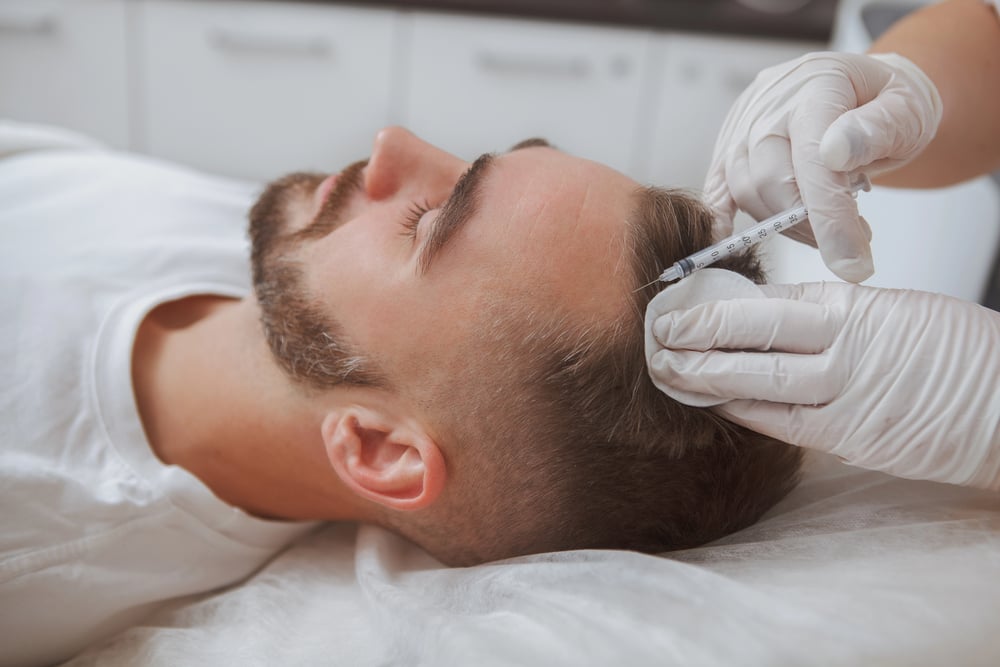
Early to Moderate Androgenetic Alopecia
People with prp for androgenetic alopecia often respond well because their follicles still exist, even if miniaturised. This includes early prp for male pattern baldness and prp for female pattern hair loss. If you see a softer hairline, shrinking density or slower regrowth, PRP may help slow progression and support healthier cycles.
Thinning Hair, Receding Hairline and Crown Weakness
Many patients start PRP due to prp for thinning hair, prp for receding hairline or prp for crown thinning. These areas still contain living follicles that can respond to growth factor stimulation. You should not wait until the scalp becomes shiny. PRP works best where there is still life.
People Struggling With Shedding
If you feel hair shedding every time you shower or brush, prp to reduce hair shedding can help stabilize the cycle. Shedding control is often one of the first improvements patients notice.
Who PRP Is Not Ideal For
PRP cannot regrow hair where follicles are gone. Patients with large, smooth bald patches usually need a transplant, sometimes supported by PRP for native hair.
Certain conditions like platelet disorders, active infections or uncontrolled autoimmune issues also require different treatment plans.
Dr. Mehmet Erdoğan often reminds patients: PRP is strongest in the early chapters of hair loss. Waiting too long closes doors.
How PRP Hair Treatment Works at Smile Hair Clinic
Patients want clarity. They want to know how PRP hair treatment actually works, what happens during the session and why some people respond better than others. Smile Hair Clinic uses a structured, doctor led approach so every step has purpose. You always know what is being done and why.
Step 1: Diagnosis and Planning
Your journey starts with a detailed scalp evaluation. The doctor examines density, miniaturisation, shedding patterns and scalp health. This step helps define whether prp for hair loss should be used alone or paired with treatments like prp with minoxidil, mesotherapy or medication. PRP works best when matched correctly to your hair loss stage.
Step 2: Preparing the Platelet Rich Plasma
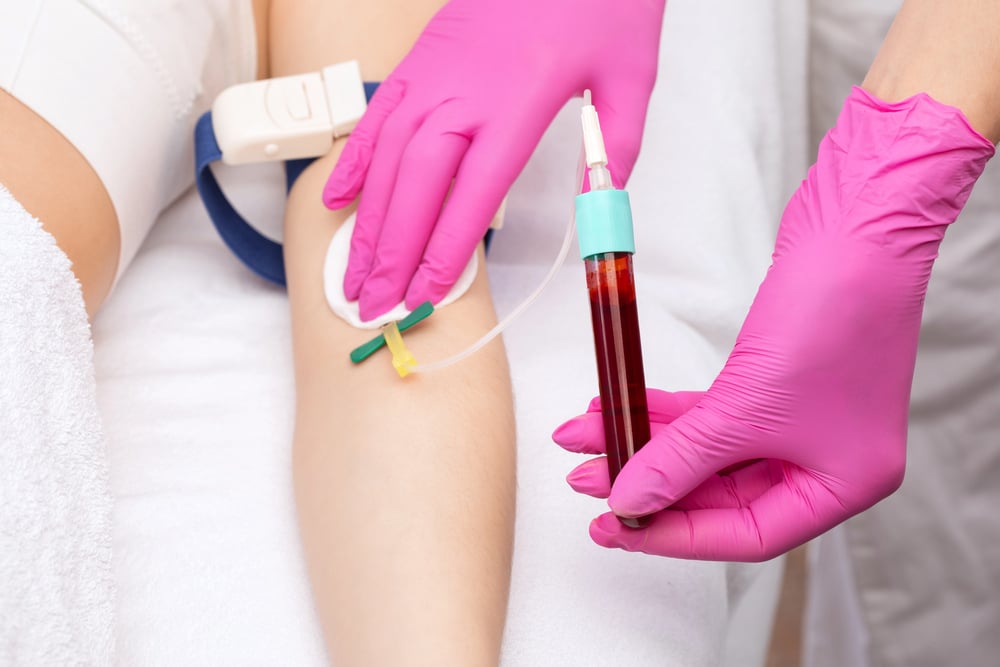
A small blood sample is drawn from your arm and placed into a centrifuge. This process concentrates your platelets into platelet rich plasma for hair, which carries the growth factors that drive results. These biologically active components explain how PRP works for hair loss and why it can help early to moderate thinning.
Step 3: PRP Injections Into Key Thinning Areas
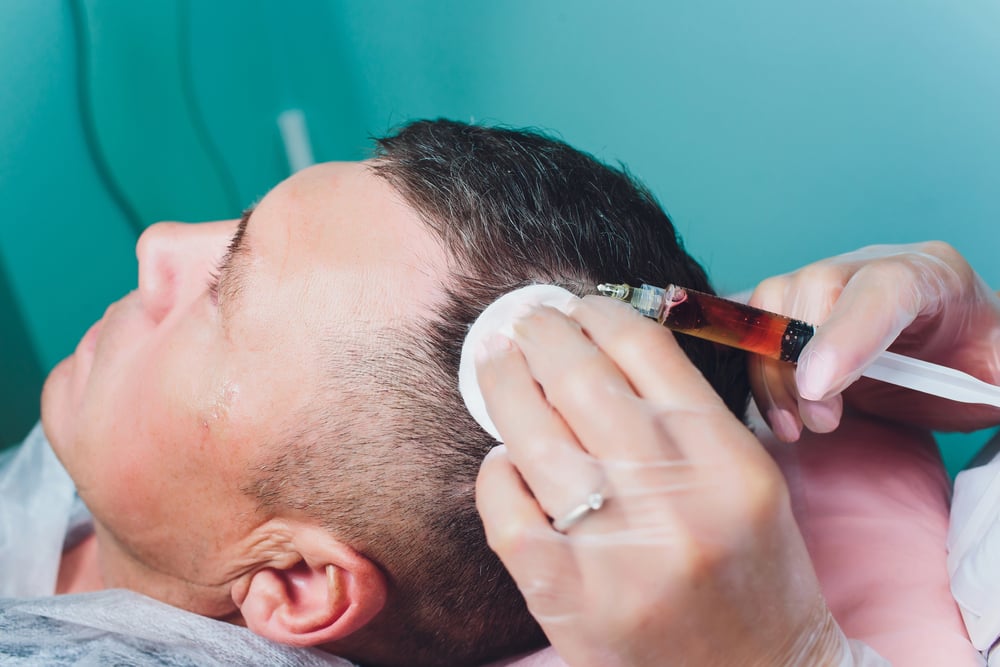
The doctor injects PRP across targeted zones. Depth and spacing matter because prp stimulates hair follicles only when delivered precisely. Patients may feel mild pressure or warmth. Sessions usually take 45 to 60 minutes.
Smile avoids rushed injection patterns. Every follicular zone gets the attention it needs.
What a Session Feels Like
Most patients describe mild discomfort, similar to tiny pinches. Some prefer vibration or local numbing for added comfort. There is no downtime. You can continue your day right after your prp hair treatment procedure.
Dr. Firdavs Ahmedov notes that technique shapes outcomes. Consistent depth, careful patterns and correct platelet concentration matter as much as the plasma itself.
PRP Hair Treatment Results: What to Expect and When
Many patients start PRP hair treatment because they want progress they can see and feel, not abstract promises. At Smile Hair Clinic, results follow a natural timeline. PRP supports existing follicles, so improvements depend on your biology, your stage of prp for hair loss, and how consistently you follow the plan.
Early Changes: Shedding Control and Scalp Balance
One of the earliest signs of response is reduced shedding. People often notice this after several weeks, especially when PRP is used for prp to reduce hair shedding. Shower drains look clearer. Brushes feel cleaner. This stage brings emotional relief because the decline slows.
Some patients also report healthier scalp comfort. PRP may support local healing and reduce irritation, which gives thinning areas a calmer base.
Density and Coverage Improvements
Visible change usually appears between 3 to 6 months. This can include:
- better coverage in thinning zones
- improved texture and grip
- slightly stronger strands
- a fuller outline in areas of prp for receding hairline or prp for crown thinning
These shifts often appear subtle at first, then gradually more noticeable. Many patients say people around them notice before they do.
Growth Cycle Improvements Over Time
PRP helps follicles stay in the growth phase longer. In responders, prp increases hair density, prp improves hair thickness and prp improves hair quality and strength across the treated area. It works best where follicles are still alive.
Before and After Expectations
Real results depend on your stage. Patients with early prp for androgenetic alopecia tend to have the strongest prp hair treatment success rate. Advanced cases benefit mostly in texture and stability, not dramatic regrowth.
Dr. Ali Osman Soluk often explains that PRP is momentum based. Each session helps push follicles toward healthier cycles.
PRP Hair Treatment Protocols: How Many Sessions You Really Need
Patients constantly ask one question: how many PRP sessions for hair loss do I actually need? Smile Hair Clinic gives clear answers based on your stage, shedding rate and follicle activity. PRP works best as a structured journey, not a single appointment.
Initial Treatment Phase
Most patients begin with a prp 3 sessions protocol, spaced evenly to stimulate the follicles. A common pattern is:
- prp sessions every 4 to 6 weeks: This timing aligns with natural hair cycles and allows the scalp to respond gradually. During this phase, PRP helps stabilize shedding and prepares follicles for improved density.
Patients with moderate prp for thinning hair, active shedding or combined pattern loss may need 4 or 5 sessions to reach meaningful improvement.
Maintenance Phase
If you respond well, your doctor may suggest prp hair maintenance sessions. These are often scheduled as:
- prp booster every 6 to 12 months: This helps protect your gains, especially for prp for androgenetic alopecia, which naturally progresses over time.
Your maintenance plan depends on how your hair behaves after the initial rounds. Some patients maintain results longer, while others need more frequent boosters.
Adjustments Based on Your Biology
Smile does not force identical plans on everyone. Doctors adjust session count based on:
- miniaturisation levels
- shedding severity
- density maps
- hormonal influences
- medication use
When PRP May Not Be Continued
If your follicles do not respond after multiple sessions, the doctor may shift focus to medications, prp with microneedling for hair loss, or a transplant plan. Not continuing PRP is sometimes the smartest decision.
Dr. M. Reşat Arpacı often says that good treatment is not about adding sessions. It is about choosing the right sessions.
PRP Hair Treatment and Hair Transplant at Smile Hair Clinic
Many patients wonder how prp hair treatment fits with a transplant. They want to know whether it improves healing, strengthens native hair or boosts overall results.
At Smile Hair Clinic, PRP is integrated into transplant care only when it adds true value. It is never offered as a default add on. It must serve a purpose.
PRP Before a Hair Transplant
Some patients begin prp before hair transplant to stabilize shedding and strengthen existing follicles. This helps create a healthier environment for planning. When native hair behaves predictably, it becomes easier for the medical team to design natural looking density and direction.
PRP may also help calm inflammation or irritation in people with sensitive scalps. A stable scalp supports smoother surgical preparation.
PRP After a Hair Transplant
Once healing passes the early phase, prp after hair transplant can support the surrounding tissue. This step is especially helpful for:
- nourishing native hair near grafts
- easing post procedure tightness
- helping the scalp feel balanced during recovery
Some clinics claim PRP boosts graft survival. Smile takes a realistic view. PRP supports the environment, but graft success depends far more on surgical skill, graft handling and correct implantation depth.
Combination Plans for Better Long Term Results
PRP can be paired with:
- prp with hair transplant package
- prp with microneedling for hair loss
- prp with minoxidil
- prp and stem cell therapy (in select, medically appropriate cases)
- or even advanced options sometimes marketed as acell prp hair treatment turkey
Smile selects combinations only when they enhance your outcome, not to inflate packages.
A Structured Treatment Ladder
You may start with medical therapy, then add PRP, then consider a transplant, or follow the reverse order depending on your condition. PRP supports growth when used correctly and at the right stage.
Dr. Gökay Bilgin explains that PRP is a supporting actor, not the whole story. When placed in the right position, it strengthens the final outcome.
Is PRP Hair Treatment Safe? Side Effects and Evidence
Patients often search is prp safe for hair loss long before they look at results photos. Safety matters, especially when treatments involve injections. At Smile Hair Clinic, PRP is performed under medical supervision with controlled protocols, sterile technique and careful candidate selection. You always know what is being done, why it is needed and what to expect after.
Common, Short Term Reactions
Most people experience mild, temporary effects after prp hair treatment, including:
- light swelling in treated zones
- mild tenderness
- small pinpoint bruises
- warmth or tightness
These usually fade within hours or a couple of days. They are expected as part of the injection process and rarely disrupt daily life. Patients can return to normal routines immediately.
Understanding PRP Hair Treatment Risks
PRP is autologous, which means it uses your own blood. This lowers the risk of allergic reactions. Still, prp hair treatment risks exist and should be discussed openly. Rare issues include infection, prolonged redness or flare up in people with inflammatory scalp conditions.
Patients with platelet disorders, uncontrolled autoimmune diseases or active infections are evaluated carefully to prevent unwanted outcomes.
Does PRP Really Work for Hair Loss? What Evidence Says
Current research shows clear benefits for many patients with prp for androgenetic alopecia. Studies report:
- improved density
- reduced shedding
- healthier growth cycles
However, PRP is not equally effective for everyone. Some people respond strongly. Others see mild change. A small percentage see little difference. This variation is why realistic expectations and diagnosis are important.
Evidence also shows that PRP often outperforms placebo, and some trials compare prp vs minoxidil effectiveness with mixed results depending on patient profile.
Before and After Expectations
prp hair treatment before and after photos often show better coverage, fuller outlines and reduced thinning in early stage patients. Advanced bald areas without follicles do not respond.
Dr. Firdavs Ahmedov emphasizes that PRP is biologically logical, but not magical. Good screening and honest guidance are what protect your results.
PRP Hair Treatment Cost in Turkey and at Smile Hair Clinic
Patients comparing prp hair treatment turkey options often feel overwhelmed. Prices vary widely. Some clinics advertise unbelievably low offers. Others quote numbers that feel inflated. You want clarity. You want honesty. Smile Hair Clinic gives both so you can plan with confidence.
PRP Hair Treatment Cost in Turkey vs Abroad
Across the country, the prp hair treatment cost in turkey typically ranges between $150 to $300 per session. The variation depends on the clinic’s medical standards, who performs the injections, the concentration method and whether diagnostics are included.
For comparison:
- Turkey: usually $150 to $300 per session
- UK: often several hundred pounds per session
- USA: can exceed a thousand dollars depending on clinic
These differences matter because PRP works best in multiple sessions, not one. A standard prp 3 sessions protocol abroad can cost as much as a full treatment program in Istanbul.
PRP Pricing at Smile Hair Clinic
Smile Hair Clinic uses a transparent structure. Your prp hair cost per session turkey at Smile falls inside the same 150 to 300 dollar range, based on:
- platelet concentration method
- injection technique
- session length
- whether PRP is paired with other therapies
You always know your cost before starting. No hidden fees. No vague package language.
If you are visiting Istanbul, your total pricing also reflects optional add ons like:
- prp hair treatment turkey all inclusive style coordination
- prp with hair transplant package
- multi session bundles that reduce per session cost
Why Turkey Offers Better Value
PRP is a time based treatment. You need consistency, not one appointment. This makes Turkey a practical choice. You get medically guided sessions at a lower overall cost, without sacrificing quality.
Dr. Mehmet Erdoğan often reminds patients that PRP price should match medical quality. Cheap PRP with poor technique is more expensive in the long run.
FAQs About PRP Hair Treatment in Turkey at Smile Hair Clinic
Does PRP really work for hair loss?
Many patients with early to moderate PRP for androgenetic alopecia respond well. PRP helps reduce shedding and may improve density where follicles still exist. It does not regrow hair in bald, follicle free areas.
How many PRP sessions for hair loss do I need?
Most people start with a PRP 3 sessions protocol, spaced PRP sessions every 4 to 6 weeks. Responders continue with PRP hair maintenance sessions every 6 to 12 months.
Can PRP regrow hair in shiny bald areas?
No. PRP supports active follicles. It cannot rebuild areas that lack follicles.
Is PRP safe for hair loss?
Yes, when performed by medical professionals. PRP uses your own blood, reducing allergy risk. Mild swelling or tenderness is common. Serious PRP hair treatment risks are rare.
Does PRP hurt?
Patients describe mild pinching or pressure. Vibration and numbing options help make the session more comfortable.
When will I see results?
Many notice shedding reduction by month two and density improvements between months three and six. Full response may take 12 months.
Can PRP be combined with minoxidil or finasteride?
Yes. PRP with minoxidil or medications often helps maintain progress.
Should I use PRP after a hair transplant?
It can support healing and strengthen native hair if timed correctly. Smile doctors determine your schedule for PRP after hair transplant.
Is PRP better than minoxidil?
Not always. PRP vs minoxidil effectiveness varies by patient. Some respond better to one, some to both. Combination treatment is common.
How much does PRP cost in Istanbul?
The typical PRP hair treatment price Istanbul ranges from $150 to $400 per session, depending on your plan and concentration method.
Start Your PRP Hair Treatment Journey With Smile Hair Clinic
If you are noticing thinning, shedding or slow density changes, you deserve clarity instead of guesswork. PRP hair treatment in Turkey offers a medically guided way to support the follicles you still have, without committing to surgery before you are ready.
At Smile Hair Clinic, the process is personal, steady and transparent. You receive a plan shaped around your biology, your goals and your stage of prp for hair loss.

Your doctor examines your scalp, reviews your history and explains whether PRP belongs in your treatment path. If it does, you will know how many sessions you need, when to expect improvement and what to combine it with for the best outcome. If not, you will be guided toward other options that match your condition more realistically. This honesty protects your time, budget and results.
You do not have to navigate thinning alone. You do not have to guess what your hair needs. Smile brings expert guidance into a simple, supportive process that respects every stage of your journey.
Free Online PRP Assessment
Send your photos. Share your symptoms. Tell us what worries you most.
A Smile doctor reviews everything personally and responds with a tailored plan that shows exactly how PRP could help you, or what alternative fits better.
Start your free PRP hair assessment today and move one step closer to stronger, fuller, healthier hair.
