


Table of Contents
If you’re experiencing postpartum hair loss, you’re not the only one having this situation. Many women notice increased shedding a few months after giving birth. It can feel sudden. Sometimes alarming. Hair everywhere. Shower. Pillow. Brush. Here’s the clear answer.
Hair loss after pregnancy is very common. It’s usually temporary. And in most cases, it’s part of a normal biological process called telogen effluvium postpartum.
During pregnancy, higher estrogen levels keep hair in the growth phase longer than usual. Hair that would normally fall out stays in place. Everything feels thicker. Fuller.
Then comes the shift. After birth, estrogen levels drop. The hair cycle resets. And the strands that were “held” during pregnancy begin to shed. Not gradually. All at once. This is why postpartum shedding feels intense. But it’s not new hair loss. It’s delayed hair loss catching up.
Many women worry:
- Is this normal?
- Is it permanent?
- Will my hair grow back the same?
In most cases, yes. It resolves over time. But not every situation is identical.
Sometimes excessive postpartum hair shedding can overlap with other issues like iron deficiency, thyroid imbalance, or early pattern thinning. That’s where confusion begins.
“Postpartum hair loss is expected, but we always look at pattern and duration. If shedding doesn’t follow the typical timeline, we investigate further.”
— Dr. Mehmet Erdoğan, Smile Hair Clinic
This guide will explore it step by step.
You’ll understand:
- why hair loss after giving birth happens
- when it starts and how long it lasts
- what normal looks like vs what needs attention
- how to support recovery without unnecessary stress
What Is Postpartum Hair Loss?
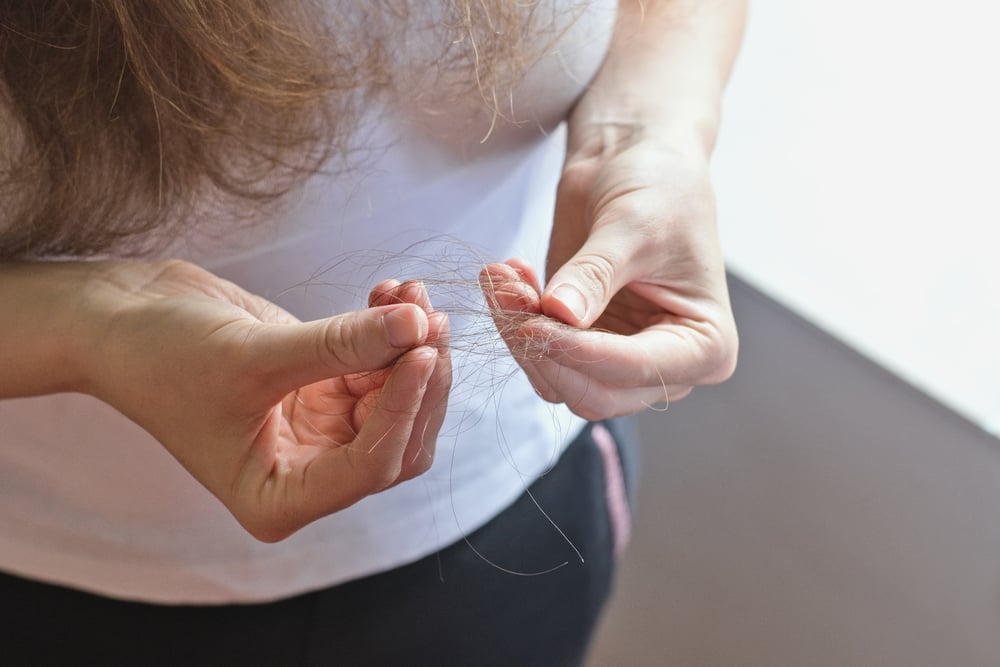
Postpartum hair loss is not random. It follows a very specific biological pattern.
Once you understand that pattern, it becomes far less confusing.
What Happens to Hair During Pregnancy
During pregnancy, estrogen levels stay elevated for months.
This affects the hair cycle directly.
Normally, hair rotates through three phases:
- growth (anagen)
- transition (catagen)
- resting and shedding (telogen)
On a typical day, some hair sheds. That’s normal.
But during pregnancy, fewer hairs enter the shedding phase. They stay longer in the growth phase.
The result?
Thicker hair. More volume. Less daily shedding.
What Changes After Birth
After delivery, hormone levels shift quickly.
Estrogen drops.
And the hair cycle resets.
This is where telogen effluvium postpartum begins.
A large number of hairs move into the shedding phase at the same time. Not gradually. All together.
That’s why hair loss after pregnancy feels sudden and dramatic.
It’s not new damage. It’s delayed shedding catching up.
Why Shedding Feels So Intense
The intensity surprises most women.
You may notice:
- clumps of hair during washing
- more hair on your brush than usual
- visible thinning around the hairline
This is typical postpartum shedding behavior.
And here’s the key point.
The follicles are not dying. They’re resetting.
New hair is already forming underneath.
A More Accurate Way to Think About It
Instead of asking “why am I losing hair,” a better question is: why is my hair shedding all at once?
That shift changes the perspective.
“Postpartum shedding is a synchronized process. The hair cycle is simply returning to normal after pregnancy.”
— Dr. Gökay Bilgin, Smile Hair Clinic
Next, let’s look at what actually causes this process in more detail.
What Causes Postpartum Hair Loss?
Postpartum hair loss has one main driver, but several contributing factors shape how intense it feels. Understanding those layers helps you interpret what your hair is doing.
Hormonal Changes (Estrogen Drop)
The core trigger is hormonal. During pregnancy, high estrogen levels extend the growth phase of hair. After birth, estrogen drops quickly. That shift pushes a large number of hairs into the shedding phase.
This is why estrogen drop hair loss is often used to describe hair loss after pregnancy. It’s not damage. It’s timing.
Hair Cycle Reset
Hair doesn’t fall out immediately after delivery.
There’s a delay.
Most women notice postpartum shedding around:
- 2 to 4 months after birth
This happens because hair needs time to move through the cycle before shedding.
So when people ask:
“when does postpartum hair loss start”, the delayed timing is part of the answer.
Physical Stress of Childbirth
Pregnancy and delivery place stress on the body. Even smooth deliveries require recovery. This physiological stress can contribute to telogen effluvium postpartum, amplifying shedding.
C-section recovery, sleep disruption, and postpartum fatigue can also play a role.
Nutritional Factors
After giving birth, the body’s nutrient demands shift again.
Low levels of certain nutrients can increase shedding:
- iron deficiency
- low protein intake
- vitamin imbalances
This is one reason why postpartum hair loss treatment often includes nutritional support.
Why It Feels Worse for Some Women
Not everyone experiences the same level of shedding.
Severity depends on:
- how much hair was retained during pregnancy
- baseline hair density
- overall health and recovery
This explains why excessive postpartum hair shedding varies so much from person to person.
“The hormonal trigger is universal, but the intensity depends on the individual’s baseline health, nutrition, and hair cycle dynamics.”
— Dr. Firdavs Ahmedov, Smile Hair Clinic
So the cause is clear. Hormones start the process.
But other factors decide how noticeable it becomes.
Next, let’s look at the timeline.
When Does Postpartum Hair Loss Start?
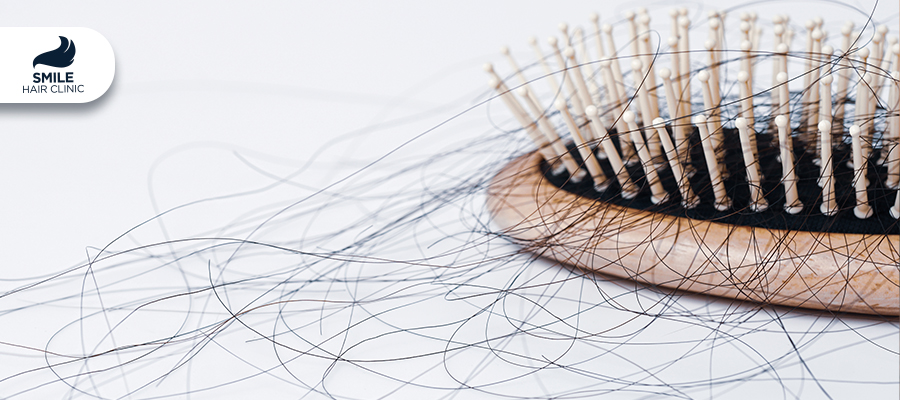
This is one of the most searched questions.
“When does postpartum hair loss start?”
The timing often catches people off guard.
The Typical Timeline (2–4 Months Postpartum)
In most cases, postpartum hair loss begins around:
- 2 to 4 months after giving birth
Not immediately.
This delay is important.
Hair needs time to move through its cycle before shedding becomes visible. So even though the hormonal shift happens right after delivery, the shedding appears later.
That’s why many women feel confused.
Everything seemed fine at first. Then suddenly, shedding starts.
Why It Doesn’t Happen Right Away
Hair doesn’t fall out the moment hormones change.
Instead:
- hairs enter the resting phase
- stay there for several weeks
- then shed all at once
This is the nature of telogen effluvium postpartum.
So when you notice hair loss after pregnancy, you’re actually seeing the result of changes that began weeks earlier.
What Early vs Late Shedding Might Mean
Timing can give useful clues.
- shedding at 2–4 months → typical postpartum pattern
- shedding much earlier → may involve additional stress triggers
- shedding much later → could indicate prolonged telogen phase or other factors
This helps answer another concern:
“is postpartum hair loss normal?”
If the timing fits the expected window, it usually is.
What You Might Notice First
Early signs often include:
- more hair in the shower drain
- increased hair on your brush
- visible shedding when running fingers through hair
It builds gradually over days, then becomes more noticeable.
A Clinical Perspective
“The delayed onset is one of the defining features. When shedding starts around three months postpartum, it strongly points to telogen effluvium rather than another cause.”
— Dr. Ali Osman Soluk, Smile Hair Clinic
So if shedding begins a few months after birth, the timing itself is reassuring.
Next, let’s talk about duration.
How Long Does Postpartum Hair Loss Last?
Once postpartum hair loss begins, the next question comes quickly.
“How long does postpartum hair loss last?”
It’s temporary in most cases. But the timeline matters.
Typical Duration of Postpartum Shedding
For most women, postpartum shedding lasts:
- around 3 to 6 months
Shedding may peak for a few weeks, then gradually slow down.
It doesn’t stop overnight. It tapers.
This phase reflects the body completing the hair cycle reset that started after delivery.
When Does Hair Start Growing Back?
Regrowth usually begins while shedding is still happening. That’s an important detail.
You may notice:
- short “baby hairs” along the hairline
- fine new strands coming through
- gradual improvement in density over time
This answers another common concern:
“when does postpartum hair grow back”
Growth often starts within a few months after shedding peaks.
What Full Recovery Looks Like
Hair recovery is gradual.
In most cases:
- noticeable improvement within 6–9 months
- fuller appearance closer to 9–12 months postpartum
Hair may not look exactly the same as during pregnancy. That phase was hormonally enhanced.
But density typically returns to your baseline.
Why Some Women Feel It Lasts Longer
Several factors can extend the timeline:
- ongoing stress or sleep disruption
- low iron or nutritional deficiencies
- hormonal imbalances
- overlapping conditions like thyroid issues
In these cases, excessive postpartum hair shedding may feel prolonged.
When Duration Becomes a Signal
If shedding continues beyond 6–9 months without slowing, it’s worth looking deeper.
At that point, it may not be purely telogen effluvium postpartum.
“We expect stabilization within months. If shedding continues beyond that window, we evaluate for underlying causes rather than assuming it’s still postpartum-related.”
— Dr. M. Reşat Arpacı, Smile Hair Clinic
So yes, it takes time.
But the timeline follows a pattern. And that pattern is reassuring when it fits.
Next, let’s look at how to tell what’s normal and what isn’t.
Is Postpartum Hair Loss Normal or a Sign of Something Else?
Most cases of postpartum hair loss are completely normal. That’s the starting point.
Still, not every type of shedding after pregnancy follows the same pattern. Knowing the difference helps you avoid unnecessary worry, or catch something early if needed.
What Normal Postpartum Shedding Looks Like
Typical hair loss after pregnancy has a few clear features:
- starts around 2–4 months postpartum
- affects the entire scalp, not just one area
- shedding is noticeable but not patchy
- gradually slows down over a few months
This is classic telogen effluvium postpartum.
You may feel like you’re losing a lot of hair. In reality, it’s synchronized shedding from the pregnancy phase.
What Might Not Be Normal
Certain signs suggest something beyond standard postpartum shedding.
Pay attention if you notice:
- shedding that lasts longer than 6–9 months
- visible widening of the part that keeps progressing
- thinning focused mainly at the crown or front
- patchy hair loss instead of overall shedding
- symptoms like fatigue, dizziness, or weight changes
These can point toward other causes.
Conditions That Can Overlap
This is where many women get confused.
Postpartum shedding can overlap with:
- iron deficiency
- thyroid imbalance
- early female pattern hair loss
- chronic telogen effluvium
In these cases, the question shifts from “is postpartum hair loss normal” to what else might be contributing?
A Simple Way to Differentiate
- diffuse shedding → usually temporary
- patterned thinning → may be genetic
- prolonged shedding → needs evaluation
This kind of pattern-based thinking is often missing from general advice.
When to Seek Help
If something feels off, trust that instinct.
“We don’t just look at shedding volume. We look at distribution, duration, and progression. That’s how we distinguish normal postpartum loss from early-stage conditions.”
— Dr. Firdavs Ahmedov, Smile Hair Clinic
So yes, most hair loss after giving birth is expected.
But the pattern tells the real story.
Next, let’s look at what postpartum hair loss actually looks like day to day.
How to Stop or Reduce Postpartum Hair Loss

Postpartum hair loss can’t be completely stopped. That’s important to understand early. The process is biological. It’s driven by hormones and the hair cycle resetting. But you can influence how intense it feels. And how well your hair recovers.
Nutrition and Recovery First
Hair is not a priority tissue for the body. Recovery comes first. If your body is low on nutrients, hair growth slows down.
This is why postpartum hair loss treatment often starts with basics:
- adequate protein intake
- sufficient iron levels
- balanced vitamins and minerals
Iron deficiency is especially common after pregnancy. Even mild deficiency can increase shedding.
So if you’re dealing with excessive postpartum hair shedding, checking your nutritional status is a practical first step.
Hair Care Habits That Make a Difference
You don’t need complicated routines. But small adjustments help reduce stress on already shedding hair.
For example:
- avoid tight hairstyles that pull on the hairline
- reduce excessive heat styling
- use gentle brushing, especially on wet hair
These don’t stop hair loss after pregnancy, but they prevent additional breakage.
Stress and Sleep Matter More Than Expected
Postpartum life is demanding. Sleep is disrupted. Stress levels shift. That affects hair more than most people realize.
Telogen effluvium is often triggered or prolonged by stress. So even though postpartum shedding is expected, recovery depends partly on how your body stabilizes afterward.
What Actually Helps vs What Doesn’t
There’s a lot of advice online. Not all of it is useful.
Helpful:
- consistent nutrition
- gentle hair care
- patience with the cycle
Less helpful:
- aggressive supplements without deficiency
- frequent product switching
- expecting instant regrowth
Hair follows its timeline.
“Our focus is supporting the recovery phase rather than trying to interrupt the natural cycle. Once the trigger passes, regrowth follows.”
— Dr. Gökay Bilgin, Smile Hair Clinic
So instead of trying to stop the process, support it.
Next, let’s look at a common concern.
What Does Postpartum Hair Loss Look Like?
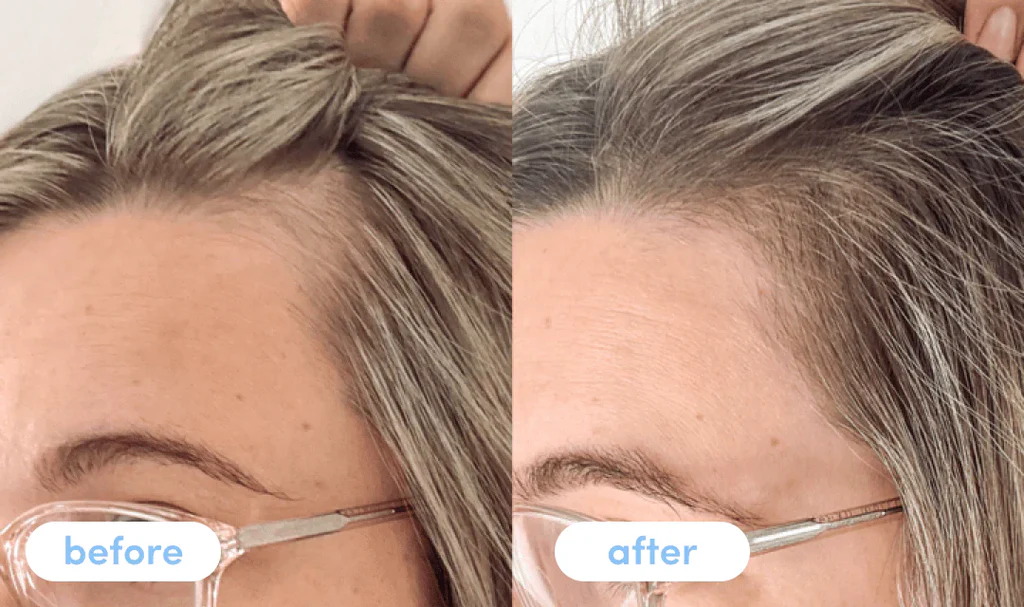
By the time postpartum hair loss becomes visible, most women already feel something has changed. It’s not subtle. You don’t just notice it. You experience it daily.
Diffuse Shedding Across the Scalp
The most common pattern is diffuse shedding.
That means:
- hair falls evenly from all areas
- no single bald spot
- overall density feels reduced
This is typical postpartum shedding.
You may notice:
- more hair in the shower drain
- strands covering your brush
- hair falling when you run your fingers through
It feels excessive. But the distribution is uniform.
Hairline and Temple Thinning
One of the most noticeable changes appears around the front.
You might see:
- thinning near the temples
- a softer, less defined hairline
- short, broken-looking strands
This is still part of hair loss after pregnancy.
These areas are more sensitive to hormonal shifts, so the change becomes more visible.
Overall Volume Loss
Many women describe it as: “My hair feels lighter.”
That’s accurate. The ponytail feels thinner. The volume drops. Styling becomes different.
This is not because all your hair is gone. It’s because a large portion entered the shedding phase at once.
What It Does NOT Look Like
This is where clarity helps.
Typical postpartum hair loss does not cause:
- completely bald patches
- sharply defined hair loss areas
- sudden isolated spots of missing hair
If you notice these patterns, something else may be involved.
Why the Visual Change Feels Dramatic
During pregnancy, hair is unusually full.
After birth, it returns to baseline.
So part of what you’re seeing is contrast.
“Patients often compare postpartum hair to pregnancy hair. That’s not the right reference point. The goal is returning to your normal baseline.”
— Dr. Ali Osman Soluk, Smile Hair Clinic
So if your hair looks thinner than before, it may actually be returning to where it was.
Next, let’s focus on what you can do about it.
Postpartum Hair Loss and Breastfeeding
Many women notice postpartum hair loss while breastfeeding and naturally ask if the two are connected.
It’s a fair question, especially when shedding starts a few months after delivery, which often overlaps with active breastfeeding.
Does Breastfeeding Cause Hair Loss?
Breastfeeding itself does not directly cause hair loss after pregnancy. The main trigger remains hormonal changes, particularly the drop in estrogen after birth.
That hormonal shift happens regardless of whether you breastfeed or not.
However, breastfeeding can indirectly influence how your body recovers, and that can affect how noticeable postpartum shedding feels.
How Breastfeeding Can Influence Shedding
Breastfeeding places additional demands on your body. Nutrients are redirected to support milk production, and your own reserves may become depleted if intake is not sufficient.
This can lead to:
- lower iron levels
- reduced protein availability
- general fatigue and slower recovery
All of these factors can make excessive postpartum hair shedding feel more intense or last slightly longer.
Another factor is hormonal balance. While estrogen remains lower during breastfeeding, this does not create new hair loss. It simply means the hair cycle takes longer to stabilize.
What This Means in Practice
If you are breastfeeding and noticing shedding, it is still most likely telogen effluvium postpartum, not a separate condition.
The key is to support your body properly during this phase:
- maintain consistent nutrition
- stay hydrated
- avoid restrictive diets
These steps support both recovery and hair regrowth.
A Clinical Perspective
“Breastfeeding does not trigger hair loss on its own. When shedding feels prolonged, we usually find contributing factors like nutritional depletion or recovery delays rather than lactation itself.”
— Dr. Mehmet Erdoğan, Smile Hair Clinic
So if you’re connecting postpartum hair loss breastfeeding together, the link is indirect.
The root cause remains the same. Hormonal reset after pregnancy.
Next, let’s address a concern many women have quietly.
Can Postpartum Hair Loss Be Permanent?
This is one of the most worrying questions.
“Is postpartum hair loss permanent?”
In most cases, the answer is no.
Postpartum hair loss is typically temporary. It reflects a shift in the hair cycle, not damage to the follicles themselves. Once the cycle stabilizes, hair begins to grow back.
When It Is Temporary
For the majority of women, hair loss after pregnancy follows a predictable pattern:
- shedding starts around 2–4 months postpartum
- peaks over the next few weeks
- gradually slows down
- regrowth becomes visible within months
The follicles remain active throughout this process. They are not destroyed. They are simply transitioning.
This is why telogen effluvium postpartum is considered reversible.
When It May Feel Like It’s Not Improving
Sometimes, recovery feels slower than expected.
This can happen when other factors are involved:
- low iron levels
- thyroid imbalance
- prolonged physical or emotional stress
- inadequate nutrition during recovery
In these cases, postpartum shedding may last longer, which creates the impression that something is wrong.
The key is that the underlying issue is still correctable.
When It Might Not Be Purely Postpartum
There are situations where hair thinning continues beyond the expected timeline or follows a different pattern.
This is where it’s important to consider other conditions:
- early female pattern hair loss
- chronic telogen effluvium
- hormonal imbalances unrelated to pregnancy
In these cases, the question shifts from “hair loss after giving birth” to identifying an ongoing cause.
A Practical Way to Look at It
- temporary shedding → very common, expected
- prolonged shedding → needs evaluation
- patterned thinning → may be genetic
This distinction helps remove unnecessary fear.
Clinical Insight
“Permanent hair loss after pregnancy is rare. When we see ongoing thinning, there is usually another underlying factor that needs attention.”
— Dr. Firdavs Ahmedov, Smile Hair Clinic
So if you’re worried about permanence, focus on duration and pattern.
Those two factors tell you far more than the shedding itself.
Next, let’s look at conditions that are often confused with postpartum hair loss.
Conditions Often Confused With Postpartum Hair Loss
Not all shedding after pregnancy is purely postpartum hair loss.
This is where confusion happens most often. The timing overlaps, but the cause can be different.
Understanding what else might be involved helps you avoid missing something important.
Iron Deficiency
Iron levels often drop during and after pregnancy.
Even mild deficiency can affect hair growth.
Signs that suggest this:
- ongoing fatigue
- dizziness or low energy
- pale skin
- prolonged excessive postpartum hair shedding
Iron deficiency can mimic telogen effluvium postpartum, but recovery will not fully happen until levels are corrected.
Thyroid Imbalance
Thyroid function can change after pregnancy.
Both underactive and overactive thyroid conditions can lead to hair shedding.
You might notice:
- unexplained weight changes
- mood fluctuations
- sensitivity to cold or heat
- persistent hair thinning beyond expected timelines
This is one of the most commonly overlooked causes of prolonged hair loss after pregnancy.
Female Pattern Hair Loss
This is different from temporary shedding.
It develops gradually and follows a pattern.
Look for:
- widening part line
- reduced density at the crown
- finer, shorter hairs over time
This condition can become more noticeable after pregnancy, which leads many to assume it’s still postpartum shedding.
In reality, it’s a separate process.
Chronic Telogen Effluvium
Sometimes shedding continues longer than expected.
If hair loss lasts beyond 6–9 months without slowing, it may no longer be standard postpartum hair loss.
This is referred to as chronic telogen effluvium.
It often requires a closer look at lifestyle, stress, and internal balance.
Why This Distinction Matters
When everything is labeled as hair loss after giving birth, underlying causes can be missed.
Looking at pattern and duration changes the approach.
“We always separate temporary shedding from progressive thinning. That distinction determines whether reassurance is enough or treatment is needed.”
— Dr. Ali Osman Soluk, Smile Hair Clinic
So if something doesn’t follow the expected timeline, it’s worth looking deeper.
Next, let’s bring everything into a simple, practical plan you can follow.
What You Should Do If You’re Losing Hair After Pregnancy
If you’re dealing with postpartum hair loss, the goal is not to react quickly. It’s to respond correctly.
Hair follows patterns. Once you read those patterns, decisions become much easier.
Step 1: Check the Timeline
Start with timing.
Ask yourself:
- did shedding begin around 2–4 months postpartum?
If yes, this strongly points to telogen effluvium postpartum. That alone is reassuring.
If shedding started much later or continues far beyond the expected window, it may need a closer look.
Step 2: Look at the Pattern
Next, observe how the hair is shedding.
- diffuse shedding across the scalp → typical postpartum shedding
- thinning in specific areas → may suggest something else
This helps answer whether your hair loss after pregnancy is following a normal course.
Step 3: Review Recent Changes
Think about what changed around the same time.
- diet or calorie intake
- sleep quality
- stress levels
- recovery after delivery
These factors can intensify excessive postpartum hair shedding.
Hair reflects what your body is going through internally.
Step 4: Support Your Recovery
Instead of trying to stop shedding, focus on recovery.
- maintain balanced nutrition
- ensure adequate iron and protein intake
- avoid restrictive diets
- keep hair care gentle and consistent
This supports regrowth and stabilizes the cycle.
Step 5: Track Before Taking Action
Hair changes take time.
Give your body a few weeks to stabilize before making major changes.
If shedding gradually decreases, you’re on the expected path.
If it doesn’t, that’s useful information too.
Step 6: Know When to Seek Evaluation
Consider professional assessment if:
- shedding continues beyond 6–9 months
- thinning becomes patterned
- symptoms like fatigue or hormonal imbalance appear
At that point, it may not be purely postpartum hair loss.
“The key is not to overreact early, but also not to ignore prolonged changes. Timing and pattern guide the next step.”
— Dr. M. Reşat Arpacı, Smile Hair Clinic
A Simple Way to Think About It
Understand first. Then act.
Most cases resolve naturally. The rest become clear with the right evaluation.
Bottom Line: What You Should Know About Postpartum Hair Loss
If you’re experiencing postpartum hair loss, the most important thing to understand is this.
It’s common. It’s expected. And in most cases, it’s temporary.
Hair loss after pregnancy is part of a natural reset in the hair cycle. During pregnancy, higher estrogen levels keep hair in the growth phase longer. After birth, that balance shifts, and the hair that was “held” begins to shed over a few months.
That’s why postpartum shedding feels sudden and intense.
But it’s not new damage. It’s delayed shedding.
What the Evidence and Experience Show
- most women notice shedding around 2–4 months postpartum
- the process typically lasts 3–6 months
- regrowth begins gradually during or after the shedding phase
- full recovery often happens within the first year
For the majority, hair returns to its baseline density.
When You Should Pay Closer Attention
Not every case follows the same path.
Look a bit deeper if:
- shedding continues beyond 6–9 months
- thinning becomes more localized or patterned
- symptoms like fatigue or hormonal imbalance appear
In these cases, postpartum hair loss may be overlapping with other conditions.
A Clear Way to Frame It
- telogen effluvium postpartum → temporary and reversible
- excessive postpartum hair shedding → often linked to recovery factors
- persistent thinning → may need evaluation
This perspective removes a lot of uncertainty.
“Most postpartum hair loss resolves on its own. Our role is to identify when it doesn’t follow the expected pattern and guide patients accordingly.”
— Dr. Gökay Bilgin, Smile Hair Clinic
What Matters Most
Focus on recovery, not panic.
Your body is adjusting. Your hair is part of that process.
Frequently Asked Questions
When does postpartum hair loss start?
Postpartum hair loss usually begins around 2 to 4 months after giving birth. The delay happens because hair needs time to move through its cycle before shedding becomes visible. So even though hormonal changes occur right after delivery, the shedding appears later.
How long does postpartum hair loss last?
Most cases of postpartum shedding last around 3 to 6 months. Shedding often peaks for a few weeks, then gradually slows down. Full recovery, including regrowth and improved density, can take 6 to 12 months.
Is postpartum hair loss normal?
Yes, hair loss after pregnancy is very common. It affects a large number of women and is considered a normal response to hormonal changes. As long as the timing and pattern fit the typical course, it usually does not indicate a problem.
Is postpartum hair loss permanent?
No, postpartum hair loss is not permanent in most cases. It is a temporary form of telogen effluvium postpartum, meaning the hair follicles remain active and regrowth occurs over time. Permanent hair loss is usually linked to other conditions, not pregnancy itself.
How can I stop postpartum hair loss?
You cannot completely stop postpartum shedding, but you can support recovery. Focus on balanced nutrition, adequate iron and protein intake, and gentle hair care. Avoid restrictive diets and unnecessary supplements unless a deficiency is confirmed.
Does breastfeeding cause postpartum hair loss?
Breastfeeding does not directly cause postpartum hair loss breastfeeding concerns. The main trigger remains hormonal changes after pregnancy. However, nutritional demands during breastfeeding can make shedding feel more intense if intake is not sufficient.
When will my hair grow back after pregnancy?
Hair regrowth often begins within a few months after shedding peaks. Many women notice new short hairs along the hairline. Full recovery usually takes several months, with noticeable improvement by the end of the first year postpartum.
Not Sure If Your Hair Loss Is Normal? Get a Clear Answer
If your hair loss after giving birth feels heavier than expected or doesn’t seem to improve, getting a proper evaluation can save time and stress.

At Smile Hair Clinic, specialists assess:
- shedding pattern and distribution
- hair density and miniaturization
- recovery timeline after pregnancy
You get a clear understanding of what’s happening and what to do next.
Reach out to the Smile Hair Clinic team for a personalized assessment and take the guesswork out of your hair recovery process.
