

If you just had a hair transplant, you will hear one product mentioned again and again. Panthenol spray after hair transplant. Patients search for it, clinics recommend it, and recovery routines depend on it. But one question keeps coming up. Panthenol spray after hair transplant when to start, and how exactly should you use it without harming grafts?
This guide answers that clearly. No confusion. No mixed advice.
You will learn:
- when to use panthenol spray after hair transplant
- how often to apply it during early recovery
- how long to continue using it
- what mistakes to avoid during healing
You will also see how clinics use panthenol foam hair transplant care as part of a structured aftercare protocol.
The goal is simple. Protect grafts. Support healing. Keep the scalp calm.
Dr. Gökay Bilgin often explains that the first 10 days shape your entire result. Small care details matter more than people expect.
When to Start Panthenol Spray After Hair Transplant
When should you start panthenol spray after hair transplant
Most clinics advise starting panthenol spray after hair transplant within the first 24 to 48 hours after surgery.
The exact timing depends on your clinic protocol and technique used.
How often should you use panthenol spray
In the early phase, you typically use panthenol spray:
- 3 to 5 times per day
- before your first wash
- until scabs soften and fall off
How long should you use panthenol spray
Most patients continue using panthenol spray hair transplant aftercare for 7 to 10 days, sometimes up to 14 days depending on healing speed.
Dr. Mehmet Erdoğan notes that panthenol keeps the scalp hydrated and helps soften scabs, which makes the first wash safer and easier.
What Is Panthenol Spray and Why It’s Used After Hair Transplant
What is dexpanthenol
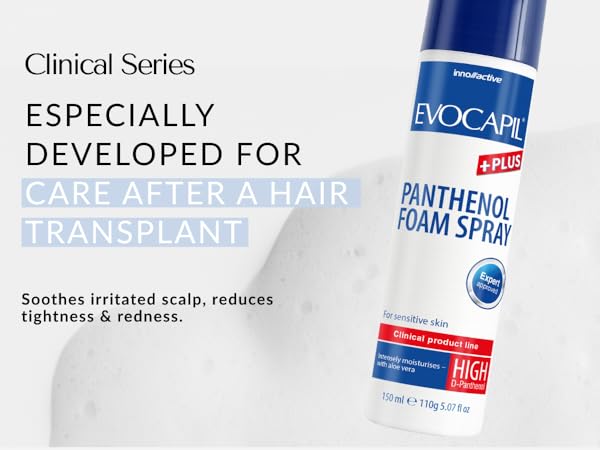
Panthenol spray, also known as dexpanthenol spray hair transplant care, is a vitamin B5 derivative used in dermatology for skin repair.
It converts into pantothenic acid in the skin and supports cell regeneration.
How panthenol supports healing
After a transplant, your scalp needs hydration and protection.
Panthenol helps:
- keep the graft area moist
- support skin barrier repair
- reduce tightness and dryness
- soothe redness and irritation
This is why it is a standard part of hair transplant aftercare routine.
Why clinics recommend panthenol spray
Clinics include panthenol in aftercare kits because it helps with three things patients struggle with most.
- dryness
- itching
- scab formation
Dr. Firdavs Ahmedov explains that hydrated skin heals more comfortably and reduces the urge to scratch.
Why panthenol matters in the first 10 days
The first 10 days are sensitive. Grafts are stabilizing. The skin is rebuilding.
Panthenol spray after hair transplant keeps the environment calm and stable while the follicles anchor into place.
Next, we go deeper into the exact timing of when to start panthenol spray depending on your day-by-day recovery stage.
When to Start Panthenol Spray After Hair Transplant
Timing matters. Starting panthenol spray after hair transplant at the right moment protects grafts and keeps the scalp calm. Most confusion comes from day-by-day details that many guides skip. Here is a clear timeline.
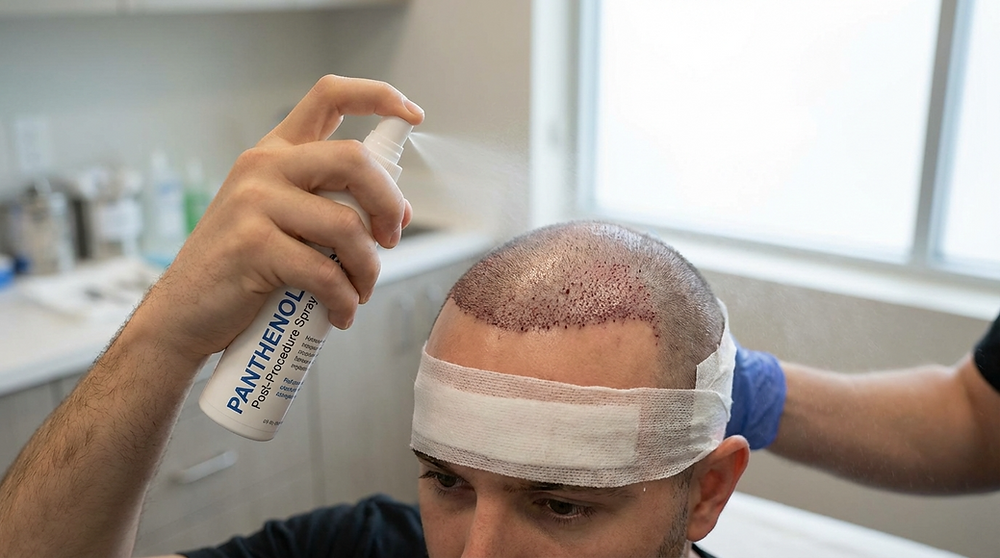
Day 0 to Day 1 – the immediate post-op period
Right after surgery, grafts are freshly placed. The focus is rest and protection.
During the first 24 hours:
- avoid touching the recipient area
- avoid any direct products unless your clinic instructs
- keep the scalp dry and protected
Some clinics start panthenol foam hair transplant care within the first day, lightly sprayed from a distance. Others wait until day two. Follow your clinic’s protocol.
Dr. Ali Osman Soluk notes that the first 24 hours are about stability. Minimal interference is best.
Day 1 to Day 2 – when most patients begin
This is when most patients start when to use panthenol spray after hair transplant routines.
Typical approach:
- begin light spraying 24–48 hours after surgery
- apply from a distance, no rubbing
- let the foam sit gently on the scalp
At this stage, panthenol helps reduce tightness and dryness.
Before the first wash – key role of panthenol
Before your first wash, usually day 2 or 3, panthenol spray hair transplant aftercare becomes more important.
It helps:
- soften early scabs
- prepare the scalp for washing
- reduce friction during rinsing
Dr. Mehmet Erdoğan often explains that soft scabs reduce trauma during the first wash.
Different timing by technique
Your method can slightly affect timing.
- FUE and Sapphire FUE patients usually start within 24–48 hours
- DHI patients sometimes start a little earlier because the area is less traumatized
Your clinic will confirm the exact plan.
The key takeaway
Most patients start panthenol spray after hair transplant between day 1 and day 2, continue regularly before washing, and use it daily until scabs are gone.
How to Use Panthenol Spray Correctly After Hair Transplant
Using panthenol spray after hair transplant sounds simple, but technique matters. The way you apply it can protect grafts or disturb them. A calm, gentle routine is the goal.
How to apply panthenol spray safely
Start with clean hands. Hold the bottle a short distance from the scalp.
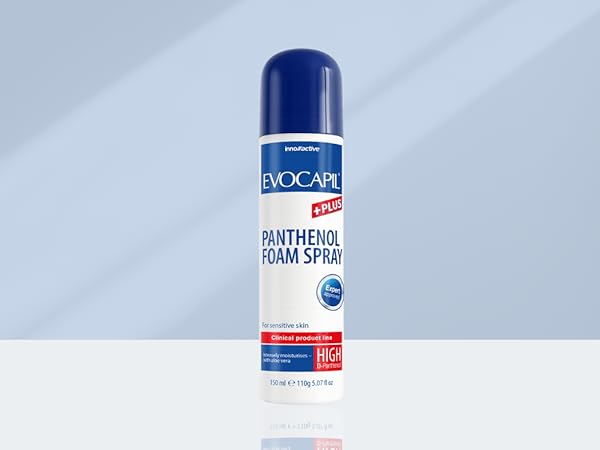
Apply the foam lightly so it settles on the surface. Do not press the nozzle directly onto the grafts. Do not rub, massage, or spread with your fingers.
Let the foam sit and absorb naturally.
Dr. Mehmet Erdoğan often explains that the graft area should be treated like a delicate surface during the first week.
How often to use panthenol spray per day
Most aftercare routines suggest using panthenol spray hair transplant aftercare several times per day in the early stage.
Typical frequency:
- 3 to 5 applications daily during days 1 to 5
- 2 to 3 applications daily during days 6 to 10
This keeps the scalp hydrated and prevents dryness between washes.
How long to leave panthenol on the scalp
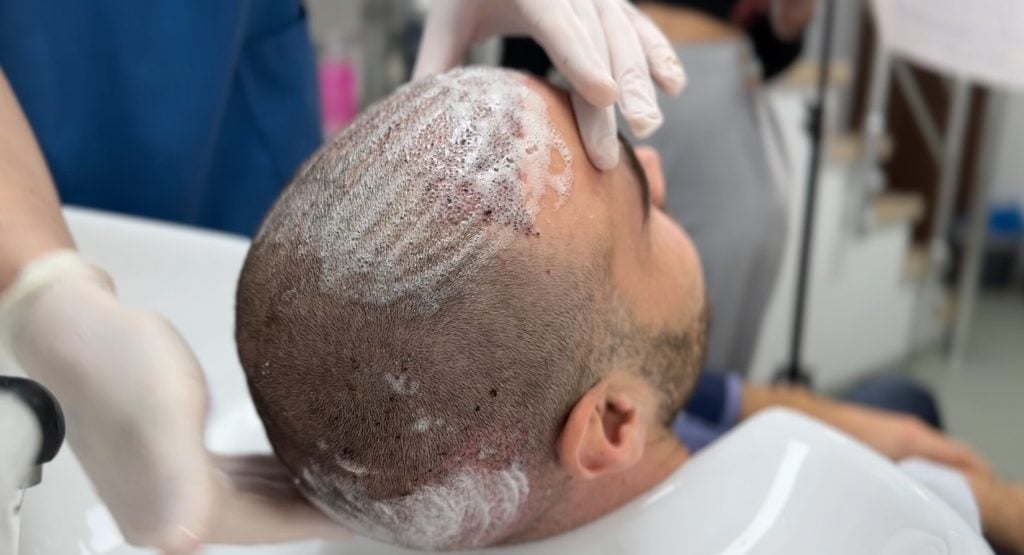
Panthenol foam is usually left on the scalp for a period before washing.
Common practice:
- leave it on for 20 to 40 minutes before washing
- in early days, some clinics allow it to remain without rinsing
It softens scabs and reduces friction during washing.
What to avoid during application
Avoid common mistakes that can disturb grafts:
- do not rub or scratch the area
- do not apply pressure with the bottle
- do not use hot water when rinsing
- do not combine with random cosmetic products
Dr. Firdavs Ahmedov advises patients to keep aftercare simple and controlled during the first 10 days.
The key takeaway
Correct use of panthenol spray after hair transplant means gentle spraying, no contact, regular hydration, and careful timing before washing.
Panthenol Spray Timeline: Day-by-Day Healing Plan
Knowing when and how to use panthenol spray after hair transplant each day removes a lot of anxiety. The first 10 days follow a clear rhythm. Gentle care, gradual washing, and steady healing.
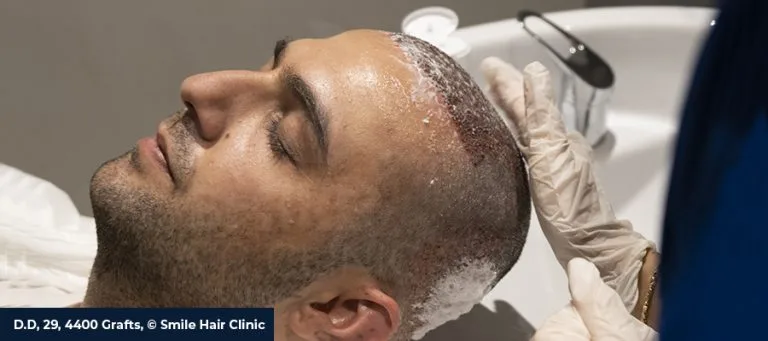
Days 1 to 3 – protection and hydration
This is the most sensitive phase. Grafts are still stabilizing.
During these first days:
- begin panthenol spray after hair transplant around day 1 or 2
- spray lightly, no rubbing or pressure
- keep the scalp moist to reduce tightness
You may not wash the hair on day one. By day two or three, panthenol helps soften early scabs before your first wash.
Dr. Ali Osman Soluk often reminds patients that moisture prevents dryness-related irritation.
Days 4 to 7 – scab softening and controlled washing
This is when visible scabs form and start loosening.
Routine usually includes:
- applying panthenol foam hair transplant care before each wash
- leaving it on for 20 to 30 minutes
- washing gently with approved shampoo
At this stage, scabs begin to soften and detach naturally.
Dr. Mehmet Erdoğan explains that forcing scabs off too early can harm grafts. Softening them gradually is the safest path.
Days 8 to 10 – scab removal and scalp comfort
By this point, most scabs are ready to fall off.
You will notice:
- less redness
- smoother scalp texture
- stronger, anchored grafts
Continue using panthenol spray hair transplant aftercare lightly until all scabs are gone.
Dr. Firdavs Ahmedov notes that by day 10, grafts are usually secure, but the scalp still benefits from hydration.
After day 10 – transition phase
Once scabs are gone, panthenol use can gradually reduce.
You may:
- switch to once-daily application
- begin normal washing habits
- move toward standard hair care products
The key takeaway
A structured panthenol spray after hair transplant timeline protects grafts, softens scabs safely, and supports smooth healing during the first 10 days.
Benefits of Panthenol Spray After Hair Transplant
Using panthenol spray after hair transplant is not just a routine step. It actively supports the healing process and protects your grafts during the most sensitive days.
Patients often search is panthenol necessary after hair transplant or what does panthenol do for scalp healing. The answer lies in how it supports the skin barrier and follicle environment.
Hydration and skin barrier repair
After a transplant, the scalp is dry and slightly inflamed.
Panthenol spray hair transplant aftercare helps:
- maintain moisture on the scalp surface
- reduce tightness and dryness
- support skin barrier repair
A hydrated scalp heals more comfortably and consistently.
Dr. Gökay Bilgin notes that dry skin is more likely to crack and itch, which increases the risk of touching grafts.
Scab softening and easier washing
Scab formation is a normal part of healing. Removing them safely is key.
Panthenol helps:
- soften scabs before washing
- reduce friction during rinsing
- allow scabs to fall off naturally
This protects grafts from unnecessary trauma.
Dr. Mehmet Erdoğan explains that softened scabs reduce the need for pressure during washing.
Itch relief and comfort
Itching is common after a transplant.
Using dexpanthenol spray hair transplant care can:
- calm irritated skin
- reduce itching sensation
- prevent the urge to scratch
This is important, since scratching can dislodge grafts.
Dr. Firdavs Ahmedov often advises patients that comfort leads to better compliance with aftercare.
Protection of graft environment
The early days are about keeping follicles stable.
Panthenol creates a calm environment that supports:
- graft anchoring
- even healing
- better cosmetic results
The key takeaway
Panthenol spray after hair transplant supports hydration, reduces itching, softens scabs, and protects grafts during the most sensitive healing phase.
FUE vs Sapphire FUE vs DHI: Does Panthenol Timing Change
The core rule stays the same. Gentle hydration, no contact, steady healing. Still, small differences exist between techniques. These differences can change how you use panthenol spray after hair transplant in the first days.

FUE recovery and panthenol timing
Standard FUE hair transplant aftercare involves tiny extraction sites and small recipient incisions.
Typical pattern:
- start panthenol spray hair transplant aftercare around day 1–2
- apply 3–5 times daily in the first week
- use before each wash to soften scabs
Scab formation is moderate with FUE. Panthenol helps loosen them safely before washing.
Dr. Ali Osman Soluk explains that FUE patients benefit from consistent hydration to reduce dryness around each graft.
Sapphire FUE recovery and panthenol usage
Sapphire FUE uses finer blades for channel creation. This often means slightly less tissue trauma and cleaner incisions.
With Sapphire FUE:
- panthenol may be started a bit earlier, depending on clinic protocol
- scabs may be smaller and more uniform
- washing can feel smoother due to finer channels
Dr. Mehmet Erdoğan notes that refined channel creation supports more comfortable healing and easier aftercare routines.
DHI recovery and panthenol timing
DHI hair transplant aftercare can differ slightly. Implantation is done with a pen device, often creating less surface trauma.
Typical DHI pattern:
- panthenol may start earlier in some protocols
- less scab formation in certain areas
- focus on hydration between dense graft placements
Dr. Firdavs Ahmedov often explains that DHI patients still need the same careful routine, even if the scalp feels less irritated.
What stays the same across all techniques
Regardless of technique:
- no rubbing or pressure on grafts
- regular light application of panthenol
- use before washing to soften scabs
- continue until scabs are fully gone
The key takeaway
FUE, Sapphire FUE, and DHI all benefit from panthenol spray after hair transplant. The exact timing may vary slightly, but the goal stays the same. Keep the scalp hydrated, calm, and protected during early healing.
Common mistakes when using panthenol spray after hair transplant
Small errors can slow healing or irritate the scalp. Most issues come from overuse or wrong technique. Keep your routine simple and consistent.
Starting too early or too late
Timing matters with panthenol spray after hair transplant.
Starting too early can add unnecessary moisture before grafts settle. Starting too late can leave the scalp dry and tight.
Best practice:
- begin around day 1–2, as your clinic advises
- stay consistent through the first 7–10 days
Dr. Gökay Bilgin says correct timing keeps the environment calm without disturbing grafts.
Touching or rubbing the graft area
This is the most common mistake.
Avoid:
- spreading foam with fingers
- pressing the bottle tip onto the scalp
- scratching itchy spots
Let panthenol spray hair transplant aftercare sit on the surface and absorb naturally.
Dr. Mehmet Erdoğan reminds patients that any friction can dislodge fragile grafts in the early days.
Using too much product
More product does not mean faster healing.
Excess foam can:
- clog the area with residue
- prolong washing time
- increase unnecessary moisture
Use light, even coverage. That is enough.
Skipping use before washing
Panthenol has an important role before each wash.
It helps:
- soften scabs
- reduce friction during rinsing
- make washing safer
Skipping this step can make scab removal harder.
Stopping too early
Some patients stop using dexpanthenol spray hair transplant care once redness reduces.
That can leave scabs firm and dry.
Continue until:
- scabs fully soften and fall off
- the scalp surface feels smooth
Dr. Firdavs Ahmedov notes that completing the full aftercare cycle supports better cosmetic results.
Mixing with random products
Avoid adding new cosmetic products during the first 10 days.
Stick to:
- clinic-approved shampoo
- panthenol spray
- saline if recommended
The key takeaway
Use panthenol spray after hair transplant gently, consistently, and only as directed. Simple routines protect grafts and support smooth healing.
Alternatives and supportive products used alongside panthenol
Panthenol spray after hair transplant is the core product for early healing. Some clinics add supportive options to improve comfort and cleanliness. These products do not replace panthenol. They complement it.
Saline spray for gentle hydration
Sterile saline is often used during the first 24–48 hours.
It helps:
- keep the graft area lightly moist
- remove tiny debris without pressure
- cool the scalp during the first night
Some clinics start with saline first, then introduce panthenol spray hair transplant aftercare on day one or two.
Dr. Ali Osman Soluk explains that saline is useful immediately after surgery, before switching to panthenol for longer hydration.
Medical shampoo for first washes
Your first washes are controlled and gentle.
Clinics provide a post hair transplant shampoo that:
- has a mild, non-irritating formula
- cleans without stripping moisture
- supports scab removal safely
Panthenol is applied before washing. Shampoo is used during washing.
Dr. Mehmet Erdoğan notes that shampoo and panthenol work together as a system, not separate steps.
PRP and clinic aftercare kits
Some clinics include additional support options.
These may include:
- PRP sessions to support healing
- aftercare kits with panthenol, shampoo, and lotions
- scheduled follow-ups for progress checks
Dr. Firdavs Ahmedov often reminds patients that follow-up care is part of the treatment, not an extra.
What to avoid in early recovery
Avoid adding cosmetic or styling products too early.
Do not use:
- hair sprays
- gels or waxes
- strong oils or serums
Keep the routine clean and simple during the first 10 days.
The key takeaway
Panthenol spray after hair transplant works best as the central product, supported by saline, gentle shampoo, and clinic-approved aftercare items. A simple routine protects grafts and keeps healing steady.
When to Stop Using Panthenol Spray After Hair Transplant
At some point, you can step back from daily use. The goal is to stop panthenol spray after hair transplant at the right time, not too early and not too late.
Signs your scalp is ready
Most patients stop when healing looks and feels stable.
You will notice:
- scabs are fully gone
- the scalp surface feels smooth
- redness has reduced
- no tightness or dryness remains
These are clear signs the early healing phase is complete.
Dr. Mehmet Erdoğan often explains that once the surface is calm and clean, heavy moisturising is no longer needed.
Typical timeline for stopping panthenol
For most patients, the timeline looks like this:
- daily use from day 1–2 until day 7–10
- lighter use between days 10–14 if needed
- stop completely once scabs have cleared
Some patients with sensitive skin may continue light use a few extra days.
Dr. Firdavs Ahmedov notes that each scalp heals at a slightly different pace, so timing should match your recovery, not a fixed date.
Transitioning to normal hair care
After stopping panthenol spray hair transplant aftercare, you can gradually return to normal routines.
Transition includes:
- switching to your regular gentle shampoo
- resuming normal washing frequency
- avoiding harsh styling products for a few more weeks
Keep the scalp clean and avoid irritation during the first month.
Do you need panthenol later
Once healing is complete, dexpanthenol spray hair transplant care is no longer required daily.
You may still use it occasionally if the scalp feels dry or irritated, but it is no longer part of your core routine.
Dr. Gökay Bilgin explains that after day 10–14, the focus shifts from healing to hair growth and long-term maintenance.
The key takeaway
Stop using panthenol spray after hair transplant once scabs are gone and the scalp feels calm, usually around day 10–14. Then move gradually into normal hair care.
Who Should Use Panthenol Spray After Hair Transplant
Most patients benefit from panthenol spray after hair transplant. It supports early healing, keeps the scalp comfortable, and helps protect grafts during the first days.
Searches like who needs panthenol after hair transplant or is panthenol necessary after FUE usually come from patients comparing routines. The answer is simple. It fits almost every case, with small adjustments.
FUE patients
If you had a FUE hair transplant, you will likely use panthenol daily during the first week.
It helps:
- soften scabs across the frontal area
- reduce dryness between washes
- support even healing around each graft
Dr. Ali Osman Soluk explains that FUE patients often experience more visible scabbing, so hydration plays an important role.
Sapphire FUE patients
With Sapphire FUE, incisions are finer and more precise.
Panthenol still helps:
- maintain scalp hydration
- support clean, even healing
- reduce tightness after the procedure
Patients often find washing more comfortable with consistent panthenol use.
Dr. Mehmet Erdoğan notes that refined channels still require the same gentle aftercare.
DHI patients
DHI hair transplant aftercare can feel slightly different, but panthenol remains part of the routine.
It helps:
- hydrate dense implantation zones
- calm mild redness
- reduce itching in tightly packed areas
Dr. Firdavs Ahmedov often advises DHI patients to follow the same structured hydration routine as FUE patients.
Long hair or unshaven procedures
Patients with long hair transplants or unshaven techniques benefit from spray-based products.
Panthenol spray:
- is easy to apply without disturbing long hair
- spreads evenly across covered areas
- supports healing without heavy handling
Sensitive skin and dryness-prone patients
If your scalp tends to dry or itch easily, panthenol spray hair transplant aftercare becomes even more helpful during recovery.
The key takeaway
Nearly all hair transplant patients benefit from panthenol spray after hair transplant. The routine may vary slightly by technique, but hydration and protection remain essential in every case.
Building a simple, safe recovery routine that protects your results
The first 10 days set the tone for everything that follows. A clear routine keeps the scalp calm, protects grafts, and supports steady healing. Keep it simple. Stay consistent.
Your daily routine at a glance
Morning: Lightly apply panthenol spray after hair transplant. Let it settle. No rubbing. If it is a wash day, apply panthenol first, wait 20–30 minutes, then wash with your clinic shampoo.
Midday: If the scalp feels dry, apply a light layer again. Keep your hands away from the grafts.
Evening: A final light application keeps the area hydrated overnight. Use a clean pillowcase and sleep with your head slightly elevated.
Dr. Gökay Bilgin often says that calm, repeatable steps protect grafts better than complicated routines.
Washing rhythm during the first 10 days
- First wash around day 2–3, guided by your clinic
- Daily gentle washing from that point
- Panthenol before each wash to soften scabs
- Lukewarm water, low pressure, no direct shower stream on grafts
By day 8–10, most scabs are ready to fall away naturally.
Small habits that make a big difference
- Wear loose, front-opening shirts to avoid contact
- Avoid sun exposure and sweating in the first week
- Skip gyms, pools, and saunas for 10–14 days
- Do not use styling products until your clinic approves
Dr. Mehmet Erdoğan notes that reducing friction and heat in the first week lowers irritation and supports smoother healing.
What changes after day 10
Once scabs are gone and the scalp feels calm, reduce panthenol spray hair transplant aftercare and move toward your normal routine. Keep the scalp clean, avoid harsh products, and follow your clinic’s long-term plan.
Dr. Firdavs Ahmedov reminds patients that aftercare continues with follow-ups and guidance as hair growth begins.
FAQs About Panthenol Spray After Hair Transplant
When should I start panthenol spray after hair transplant?
Most patients begin panthenol spray after hair transplant between 24 and 48 hours after surgery. Some clinics start earlier, some later. Always follow your clinic’s exact protocol.
How often should I use panthenol spray after hair transplant?
In the first days, use panthenol spray hair transplant aftercare around 3 to 5 times daily. After the first week, this usually reduces to 1 to 2 times daily as healing improves.
How long should I use panthenol spray after hair transplant?
Most patients use panthenol for 7 to 10 days, sometimes up to 14 days. You can stop when scabs are gone and the scalp feels calm and smooth.
Do I need to wash panthenol spray off?
Panthenol is often applied before washing and left for 20 to 30 minutes. In early days, some clinics allow it to stay on without rinsing. Follow your clinic instructions.
Can panthenol spray damage hair grafts?
No. Dexpanthenol spray hair transplant care is safe when used correctly. The only risk comes from rubbing or touching the grafts during application.
Can I sleep with panthenol spray on my scalp?
Yes, if your clinic allows it. Many patients apply a light layer at night to reduce dryness and itching. Keep your pillow clean and avoid friction.
Is panthenol better than saline spray after hair transplant?
Both have a role. Saline is often used in the first 24–48 hours. Panthenol spray after hair transplant is used after that for longer hydration and scab softening.
Can I use panthenol spray after DHI hair transplant?
Yes. DHI hair transplant aftercare still includes panthenol. The timing may be slightly earlier or lighter depending on your clinic’s plan.
What happens if I stop using panthenol too early?
Stopping too early can leave scabs hard and dry. This may make washing more difficult and increase irritation. Continue until scabs have softened and cleared.
Can I use other products with panthenol during recovery
During the first 10 days, keep your routine simple. Use only panthenol spray, clinic shampoo, and any approved products your doctor recommends.
Take the next step with a clear, doctor-led plan
A smooth recovery is not about guesswork. It comes from a calm plan, careful technique, and consistent follow-up. That is how natural results are protected.

At Smile Hair Clinic, every patient receives a doctor-led aftercare pathway from day one. From your first application of panthenol spray after hair transplant to your final growth check, each step is guided and monitored.
You receive:
- a personalised recovery plan based on your technique and scalp
- clear instructions for panthenol, washing, and daily care
- direct access to your medical team during healing
- scheduled follow-ups to track progress and support growth
Dr. Gökay Bilgin often says that great results are built in the days after surgery, not just on the surgery day.
This is the Smile approach. Calm, precise, and focused on long-term transformation. Natural aesthetics. Comfort. Confidence that grows with you.
If you are considering a hair transplant or want a second opinion on your aftercare routine, you can reach out today.
A short consultation can give you clarity on:
- your hairline design and graft plan
- your recovery timeline and daily care routine
- what results you can expect over the next 12 months
