

If you’re asking how long does a hair transplant take, you’re likely planning your time, travel, and recovery around it. You want a clear answer. Not just “a few hours”, but what the full day actually looks like, how many days you need in the city, and when you’ll feel normal again.
Here is the starting point. Most hair transplant procedures take between 4 to 8 hours on the surgery day. Larger sessions can take longer. Smaller sessions can be shorter. The total time depends on the number of grafts, the method used such as FUE hair transplant, DHI hair transplant, or FUT hair transplant, and the planning involved.
But the surgery hours are only part of the picture.
A real hair transplant timeline includes:
- Consultation and planning before surgery
- The full surgical day from preparation to final placement
- The first wash and aftercare instructions
- The recovery days before you return to normal life
- The growth timeline over the next 12 to 18 months
Most patients don’t just want to know how long the procedure lasts. They want to know how it fits into their life.
Can I go back to work quickly.
When can I fly home.
How many days should I stay in Istanbul.
When will I see results.
At Smile Hair Clinic, time planning is part of the medical plan itself. The team builds your schedule based on graft count, method, and recovery comfort so you know exactly what to expect.
Dr. Mehmet Erdoğan explains: “Patients don’t just need a good result. They need a clear timeline they can trust from day one.”
In the next section, you’ll get a clear, fast answer with real numbers so you can immediately understand how long a hair transplant surgery takes for most patients.
Quick answer: how long does a hair transplant take?
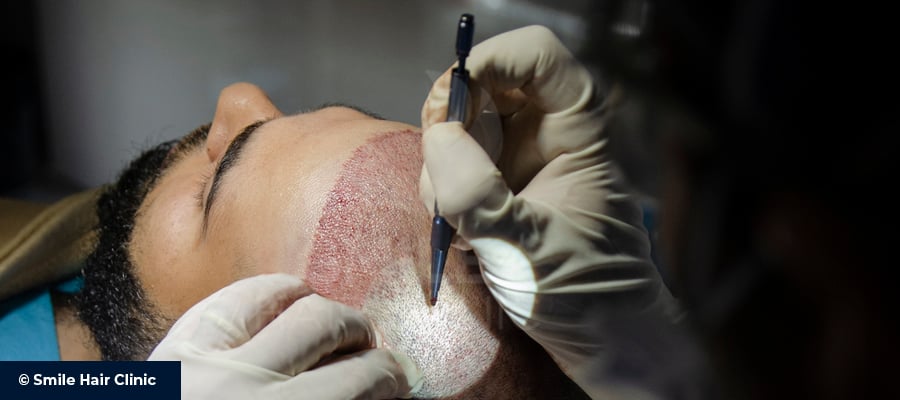
If you want a direct answer to how long does a hair transplant take, here it is in simple terms.
Most hair transplant procedures take 4 to 8 hours on the surgery day. Smaller sessions can take around 3–4 hours. Larger sessions with 4000+ grafts can extend to 8–10 hours, sometimes split across two days.
That’s the core number most patients search for. But the real timeline depends on a few key factors.
Typical hair transplant duration by method
Different techniques change how long the procedure takes.
- FUE hair transplant usually takes 6–8 hours for 3000–4000 grafts
- DHI hair transplant can take 7–9 hours because placement is more detailed
- FUT hair transplant often takes 4–6 hours depending on strip size
- Sapphire FUE has similar timing to FUE, with slight variation during channel creation
The biggest difference is not just the method. It is the number of grafts and the level of detail in hairline design.
Quick time estimate by graft count
Here is a practical way to think about time.
- 1500–2000 grafts → about 4–5 hours
- 2500–3000 grafts → about 5–7 hours
- 3500–4500 grafts → about 7–9 hours
These ranges assume an experienced team working in coordinated stages.
Is hair transplant done in one day?
In most cases, yes. A standard FUE hair transplant or DHI hair transplant is completed in one day. Very large sessions or special cases may be divided into two consecutive days for comfort and graft safety.
The key point patients often miss
The total “time” is not just surgery hours. It includes your clinic day, your recovery days, and your long-term growth timeline.
Dr. Gökay Bilgin explains: “The surgery lasts one day. The plan lasts a lifetime. We design both carefully.”
In the next section, we’ll break down the procedure step by step so you can see exactly where those hours go during the day.
What actually happens during a hair transplant (step-by-step timing)
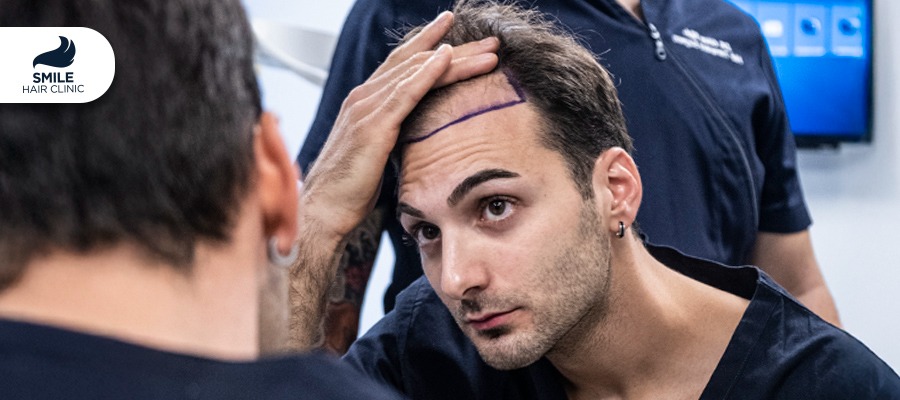
When patients ask how long does a hair transplant take, they usually imagine one long surgery block. In reality, the day is structured into clear stages. Each stage has its own timing and purpose. Once you understand these steps, the full hair transplant procedure time becomes much easier to plan.
Consultation and planning (30–60 minutes)
Your day starts with design and preparation.
- Hairline design and density mapping
- Donor analysis and graft number confirmation
- Medical checks and photos
This stage creates the blueprint for the final result. Rushing this part is never a good idea.
Donor extraction phase (2–4 hours)
This is the harvesting stage of FUE hair transplant.
- Grafts are extracted one by one from the donor area
- The team sorts and protects each graft carefully
The exact duration depends on your graft count and donor density.
Channel creation phase (1–2 hours)
Tiny recipient sites are created where hair will grow.
- In standard FUE, channels are opened first
- In Sapphire FUE, sapphire blades create finer, more precise incisions
- In DHI hair transplant, this step can be combined with implantation
This stage defines the angle, direction, and density of the new hair.
Implantation phase (2–4 hours)
Each graft is placed into the prepared sites with precision.
- Standard placement uses fine forceps
- DHI hair transplant uses implanter pens for controlled insertion
This is where visual density and natural flow are achieved.
Breaks and pacing during the procedure
A full hair transplant surgery duration always includes short breaks.
- Meal break and hydration
- Short rest pauses for comfort
- Position adjustments during the day
These breaks help maintain graft quality and patient comfort.
Dr. Ali Osman Soluk explains: “A well-paced surgery protects graft survival and patient comfort. Speed alone never creates a better result.”
FUE vs DHI vs Sapphire FUE — how long each method takes
Now that you’ve seen the full procedure flow, let’s focus on what most patients compare in real life. How long FUE hair transplant, DHI hair transplant, and Sapphire FUE actually take, and why their timelines differ.
All three methods share the same foundation. Grafts are harvested, sites are created, and follicles are placed with precision. The difference lies in how these steps are performed and how much detail is required.
FUE hair transplant duration
FUE hair transplant is the most common technique and offers a balanced timeline.
For most patients:
- 2500–3500 grafts take about 5–7 hours
- 3500–4500 grafts can take 7–8 hours
The workflow is efficient. Extraction, channel creation, and implantation are done in coordinated stages by an experienced team. This keeps the procedure time stable while protecting graft quality.
DHI hair transplant duration
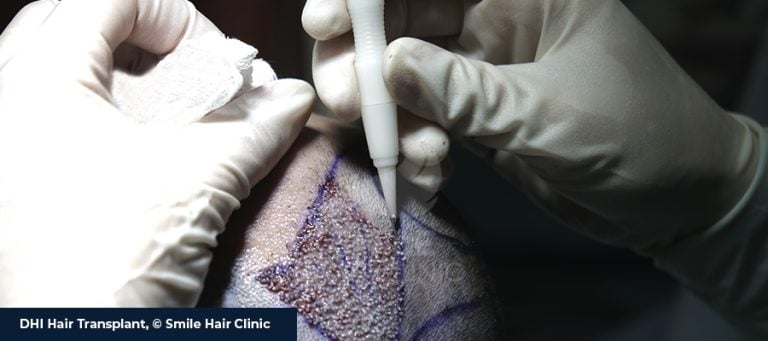
DHI hair transplant usually takes longer than standard FUE.
Why?
Because implantation is done one graft at a time using implanter pens. This adds more precision, especially in the frontal hairline and density zones.
Typical ranges:
- 2000–3000 grafts → 6–8 hours
- Detailed hairline refinement sessions may extend beyond that
DHI is slower by design. It prioritizes control over speed.
Sapphire FUE timing
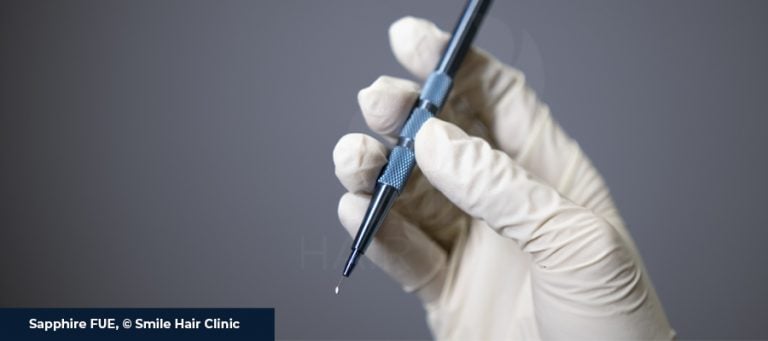
Sapphire FUE follows the same timeline as FUE for extraction and implantation. The difference is in the channel creation stage, where sapphire blades are used.
This stage may take slightly longer due to finer incisions and tighter spacing. In practice, the total procedure time remains close to standard FUE, usually within the same 5–8 hour range.
What actually determines your procedure time
Across all three techniques, your final timeline depends on:
- Total graft number
- Density and hairline design complexity
- Donor area structure
- Team size and surgical workflow
Dr. Firdavs Ahmedov explains: “Time is not the goal. Precision is the goal. The right pacing protects both the grafts and the final result.”
How graft count affects hair transplant duration
After understanding the method, the next big factor is simple. How many grafts you need. This directly affects how long does a hair transplant take and how your day is structured in the clinic.
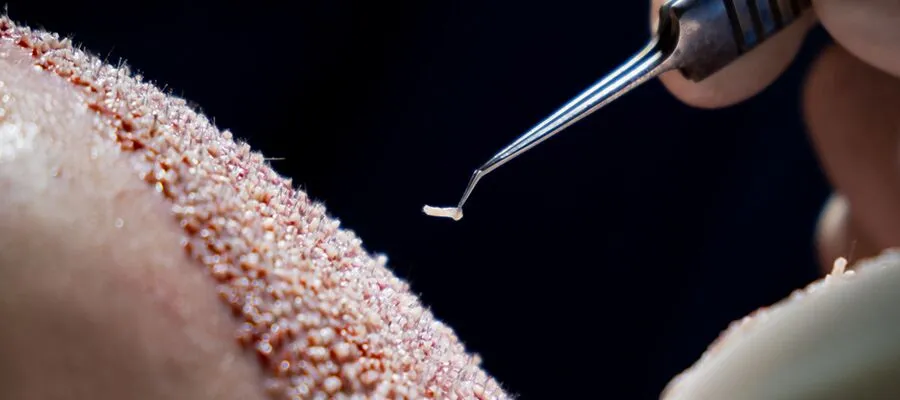
A hair transplant duration is closely linked to graft count and the level of detail in your design. More grafts mean more extraction time, more channel creation, and more placement work.
Typical time estimates by graft number
Here is a realistic breakdown based on standard clinic workflow.
- 1500–2000 grafts → about 4–5 hours
- 2000–3000 grafts → about 5–7 hours
- 3000–4000 grafts → about 6–8 hours
- 4000–4500+ grafts → about 7–9 hours or split into two days
These numbers apply mainly to FUE hair transplant and Sapphire FUE. DHI hair transplant may take slightly longer because implantation is more detailed.
How many grafts can be done per hour?
Patients often ask about speed. The more helpful way to think about it is quality per hour.
A coordinated medical team typically handles:
- Extraction in steady, controlled phases
- Channel creation based on design density
- Implantation in organized batches
Trying to rush beyond safe pacing can reduce graft survival and naturalness. That’s why experienced clinics focus on balanced workflow instead of maximum speed.
Why your personal case may take longer or shorter
Even with the same graft number, timing can change based on:
- Hair characteristics such as thickness and curl
- Donor area density and scalp flexibility
- Complexity of the hairline design
- Need for dense packing in frontal zones
Smile Hair Clinic planning approach
At Smile Hair Clinic, the schedule is planned according to your graft target and comfort level. Larger sessions can be divided into two consecutive days if it improves precision and recovery comfort.
Dr. M. Reşat Arpacı explains: “We plan the number of grafts first, then we plan the time needed to place them correctly. Rushing never benefits the patient.”
Your hair transplant day schedule (real patient timeline)
Understanding how long does a hair transplant take becomes much clearer when you see a real clinic day from start to finish. Most patients spend a full day at the clinic, with a structured schedule designed for both comfort and graft safety.
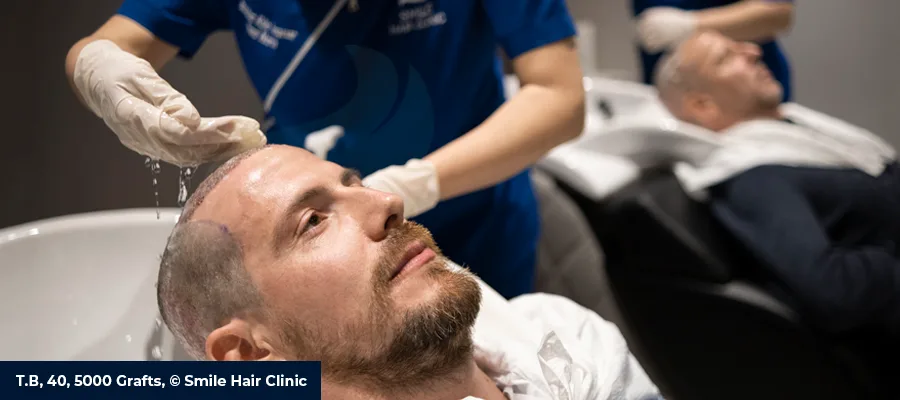
Here’s how a typical hair transplant day unfolds with FUE hair transplant, DHI hair transplant, or Sapphire FUE.
Arrival and preparation (08:30 – 09:30)
Your day begins with final checks and preparation.
- Review of your treatment plan and graft number
- Hairline confirmation and marking
- Donor area preparation and local anesthesia
This stage is calm and detailed. You’ll have time to ask final questions before the procedure starts.
Extraction phase (09:30 – 12:30)
This is the first major surgical stage.
- Grafts are extracted one by one in FUE hair transplant
- The team carefully sorts and protects each graft
You’ll be lying comfortably, with short breaks as needed.
Lunch and short break (12:30 – 13:30)
A relaxed break allows you to rest and recharge. Staying comfortable helps maintain good pacing for the second half of the day.
Channel creation and implantation (13:30 – 17:30)
This stage focuses on building your final look.
- Channels are created based on your hairline design
- In Sapphire FUE, sapphire blades create fine incisions
- In DHI hair transplant, implanter pens may be used for placement
Each graft is placed with attention to angle and direction.
Final checks and aftercare briefing (17:30 – 18:30)
Before you leave the clinic:
- The team checks the donor and recipient areas
- You receive your medications and care instructions
- The first wash appointment is scheduled for the next day
What patients usually feel after the procedure
You may feel mild tightness or sensitivity. Most patients are comfortable and able to return to the hotel the same evening.
Dr. Gökay Bilgin explains: “A well-organized day keeps patients relaxed and protects graft quality from start to finish.”
How many days do you need for a hair transplant trip?
When you ask how long does a hair transplant take, the answer is not just the surgery day. You need to plan your full trip. That includes consultation, procedure, first wash, and a short recovery window before flying home.
Most patients travel for FUE hair transplant, DHI hair transplant, or Sapphire FUE and want a smooth, predictable schedule. Here is what works in real practice.
Minimum stay: 2–3 days
If your schedule is tight, you can complete your treatment in a short stay.
- Day 1 → arrival and consultation
- Day 2 → surgery day
- Day 3 → first wash and aftercare check, then departure
This plan works for many patients, especially with smaller or medium sessions.
Ideal stay: 3–4 days
A slightly longer stay gives you more comfort and flexibility.
- Day 1 → arrival and medical evaluation
- Day 2 → surgery
- Day 3 → first wash and rest day
- Day 4 → optional check and travel home
This extra day allows swelling to settle and gives you time to rest before flying.
When is it safe to fly after a hair transplant?
Most clinics recommend waiting 48 to 72 hours after surgery before flying. This allows:
- Early healing of the grafts
- Reduced swelling and pressure changes
- Proper first wash and instructions
What about larger sessions or two-day procedures?
If your graft number is high or your case is more complex, your procedure may be split into two days. In this case, your stay may extend to 4–5 days for comfort and recovery.
Smile Hair Clinic travel planning
At Smile Hair Clinic, your travel plan is built around your graft count and method. The team organizes consultation, surgery, and aftercare so your trip is efficient and comfortable.
Dr. Mehmet Erdoğan explains: “Patients travel for treatment. Our job is to make their timeline simple, safe, and predictable.”
Recovery timeline: how long until you feel normal again
After learning how long does a hair transplant take, the next question is just as important. How long until you feel like yourself again. The recovery phase is usually easier than patients expect, especially with modern FUE hair transplant, DHI hair transplant, and Sapphire FUE techniques.
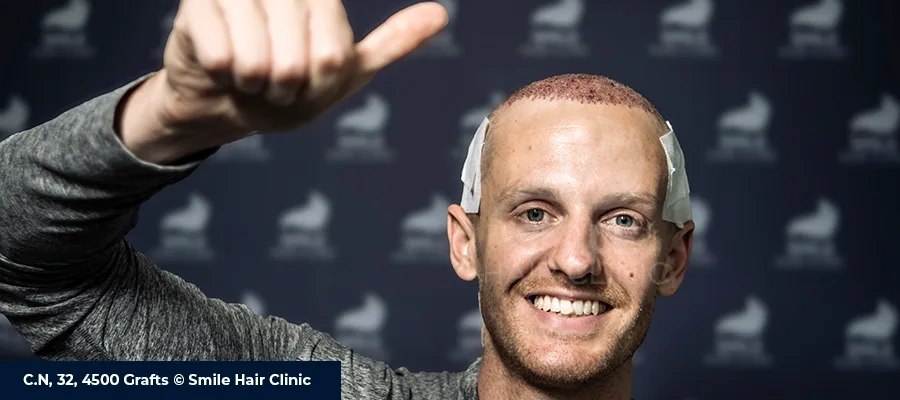
Here is a clear, realistic recovery timeline you can plan around.
First 3 days after surgery
This is the initial healing phase.
- Mild swelling or tightness can appear
- Small scabs form around the grafts
- You’ll sleep with your head slightly elevated
Most patients rest at the hotel and avoid touching the area.
Day 7–10: visible healing stage
By the end of the first week:
- Scabs begin to fall off with washing
- Redness fades significantly
- The donor area looks much more normal
At this stage, most patients feel comfortable being in public again.
When can you go back to work?
Many patients return to non-physical work within 3–5 days.
If your job is physically active, waiting 7–10 days is more comfortable.
Exercise, sports, and daily activities
Your lifestyle gradually returns step by step.
- Light walking after a few days
- Gym and moderate exercise after 10–14 days
- Swimming, sauna, and intense sports after 3–4 weeks
This protects the grafts during the early healing phase.
When will everything feel completely normal?
By 2–3 weeks, most visible signs are gone.
By 1 month, your scalp feels normal again in daily life.
Smile Hair Clinic aftercare approach
At Smile Hair Clinic, every patient receives a structured aftercare plan and follow-up support. The team guides you day by day so you know exactly what to do and what to expect.
Dr. Firdavs Ahmedov explains: “Recovery is not something we leave to chance. We guide patients step by step so the healing process stays smooth.”
Results timeline: when will you see hair growth after a transplant?
After learning how long does a hair transplant take and how recovery works, the next question is always the same. When will I actually see new hair growing?
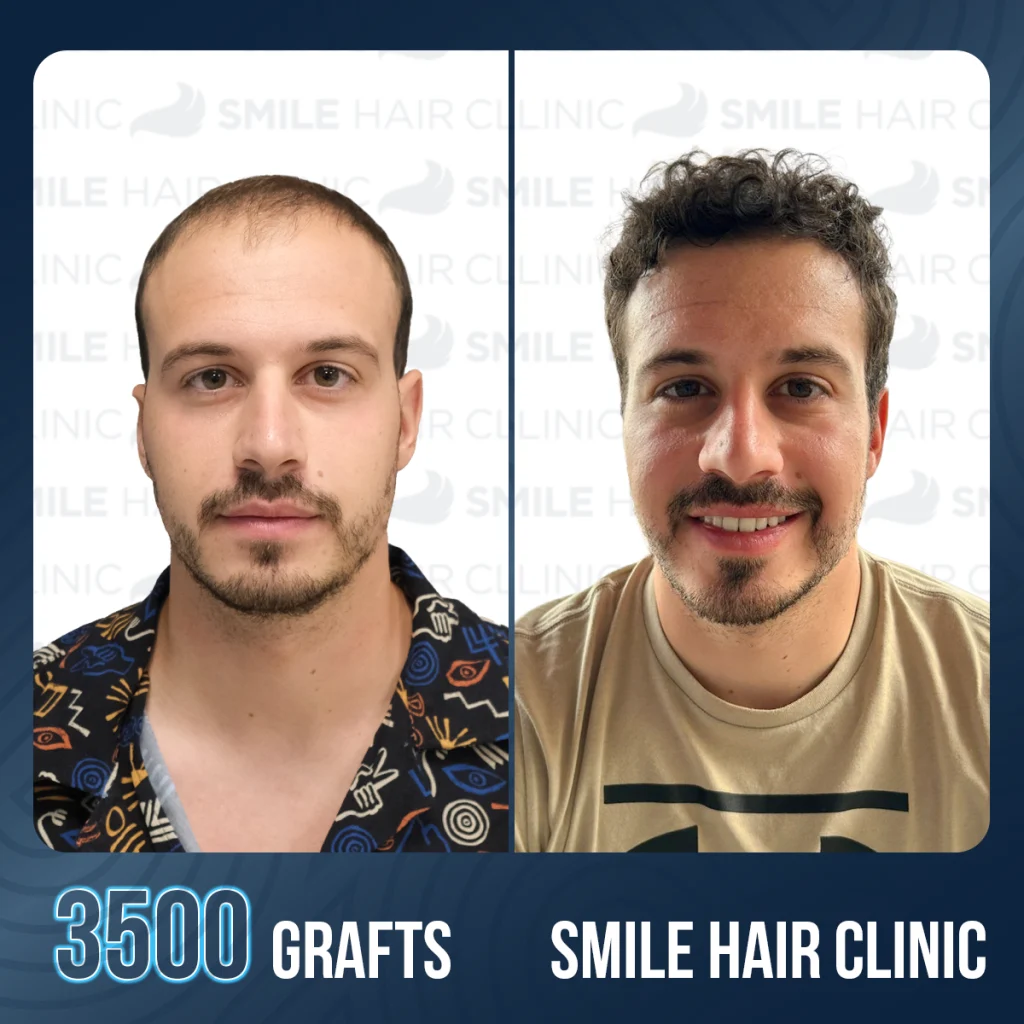
Hair growth after FUE hair transplant, DHI hair transplant, or Sapphire FUE follows a predictable biological cycle. Knowing this timeline helps you stay patient and confident during the process.
Weeks 2–6: the shedding phase
This stage often surprises patients.
- Transplanted hairs begin to shed
- The follicles remain healthy under the skin
- The scalp may look similar to before surgery
This shedding is normal. It is part of the natural growth cycle.
Months 3–4: early regrowth begins
Around the third month, new hairs start to appear.
- Fine, thin hairs become visible
- Growth may look uneven at first
- Texture is soft and light
This is the first visible sign that your transplant is working.
Months 5–7: density starts to build
The hair becomes stronger and thicker.
- Coverage improves across the treated areas
- Hairline shape becomes more defined
- Styling becomes easier
At this stage, most patients start to feel more confident.
Months 9–12: visible transformation
This is when the result becomes clear.
- Density increases significantly
- Hair texture becomes more natural
- The overall look blends with existing hair
Photos taken at this stage usually show a strong transformation.
12–18 months: final maturation
The last stage is refinement.
- Hair continues to thicken and mature
- Any remaining weak areas fill in
- The final natural look settles in
Smile Hair Clinic long-term planning
At Smile Hair Clinic, the focus is not just early growth. The team plans for how your hair will look years later, not just months later.
Dr. Gökay Bilgin explains: “A successful transplant is one that still looks natural ten years later, not just at month twelve.”
What can make a hair transplant take longer?
If you’ve been reading about how long does a hair transplant take, you’ve probably noticed the wide range of times. Some patients finish in five hours. Others spend most of the day in the clinic. The difference comes down to a few key factors that directly affect the hair transplant procedure time.
Larger graft numbers
The most obvious factor is graft count.
- 2000 grafts require fewer extraction and placement cycles
- 4000+ graft sessions need longer working time and pacing
More grafts always mean more time. It’s simple math.
Detailed hairline design and dense packing
Not all grafts are placed the same way.
- Soft, natural hairline design requires careful angle control
- Dense packing in the frontal zone takes more precision per graft
High-detail work naturally slows the process. This is where DHI hair transplant often takes longer than standard FUE hair transplant.
No-shave or partial-shave procedures
Some patients request minimal shaving for social or professional reasons.
- Grafts must be extracted carefully between existing hairs
- Visibility is reduced, so work progresses more slowly
These cases can extend the total session time.
Donor area characteristics
Your hair and scalp also influence timing.
- Thick, curly hair may require slower extraction
- Lower donor density needs more selective harvesting
- Sensitive scalp areas require more careful pacing
Each patient’s biology changes the workflow.
Team size and clinic workflow
A coordinated, experienced team can manage each phase efficiently. Smaller teams may need more time to complete the same number of grafts safely.
At Smile Hair Clinic, procedures are organized with structured teams so extraction, channel creation, and placement move in a balanced rhythm throughout the day.
Dr. Mehmet Erdoğan explains: “We never chase speed. We build a steady pace that protects graft quality and patient comfort.”
FAQs about hair transplant time and duration
How many hours is a hair transplant surgery?
Most hair transplant procedures take between 4 to 8 hours on the surgery day. Smaller sessions may finish in 3–4 hours. Larger sessions with 4000+ grafts can take 8–9 hours or be divided into two days for comfort.
Is a hair transplant done in one day?
In most cases, yes. A standard FUE hair transplant, DHI hair transplant, or Sapphire FUE session is completed in one day. Very large or complex cases may be split into two consecutive days.
How many days should I stay in Istanbul for a hair transplant?
Most patients stay 3 to 4 days.
- Day 1 → arrival and consultation
- Day 2 → surgery
- Day 3 → first wash and rest
- Day 4 → optional check and travel home
Shorter stays are possible, but this plan is the most comfortable.
When can I go back to work?
Most patients return to desk-based work within 3–5 days.
Physically demanding jobs may require 7–10 days of rest.
When is it safe to fly after a hair transplant?
Flying is usually safe 48–72 hours after surgery. This allows early healing and the first wash to be completed before travel.
How long until I see hair growth after a transplant?
- Shedding phase: weeks 2–6
- Early growth: months 3–4
- Visible density: months 6–9
- Final result: 12–18 months
Can a hair transplant be done in two sessions?
Yes. Some patients need two sessions to achieve full coverage or density, especially with larger areas of hair loss or limited donor supply.
Start planning your hair transplant timeline with Smile Hair Clinic
You now know how long a hair transplant takes, how the procedure day is structured, and what your recovery and growth timeline will look like.

The next step is simple. Get a timeline that is built specifically for you.
At Smile Hair Clinic, your plan starts with a detailed medical evaluation. The team reviews your donor capacity, hair loss pattern, graft requirement, and travel schedule. Then they design a personalized timeline covering:
- Your exact procedure duration based on graft count
- The most suitable method between FUE hair transplant, DHI hair transplant, or Sapphire FUE
- Your clinic day schedule from arrival to discharge
- Your recovery days and safe travel timing
- Your expected growth milestones over the next 12–18 months
Everything is mapped out before you book your flight.
The Smile team, led by Dr. Gökay Bilgin and Dr. Mehmet Erdoğan, focuses on clear planning, steady surgical pacing, and natural long-term results.
Dr. Erdoğan explains: “When patients understand their timeline, they feel calm and confident. That’s how every treatment should begin.”
Get your personalized timeline
Send your photos for a free medical assessment and receive:
- Your graft estimate
- Your exact surgery duration
- Your full travel and recovery schedule
- Transparent pricing and treatment options
Talk to the Smile Hair Clinic team today and move forward with a plan that fits your life, your schedule, and your goals.
