

If you are asking how long do hair transplants last, you want a clear, honest answer. You want to know if the result is permanent, how it changes over time, and what you can do to keep it looking natural.
A hair transplant can provide long-lasting, often lifelong results. Yet there is an important detail. The transplanted hairs are usually permanent, but your existing non-transplanted hair can still thin over time. This is why many people also search is hair transplant permanent and do hair transplants last forever.
Most patients share the same concerns:
- Will the new hair stay for life
- Can transplanted hair fall out years later
- Do you need medication after hair transplant
- What happens after 5 or 10 years
These are valid questions. The answers depend on donor hair quality, your genetics, and how the procedure is planned.
Many online guides give a short answer like “it lasts forever.” That is incomplete. The real picture includes biology, long-term planning, and maintenance. This guide explains all of it in simple terms.
You will learn:
- how long transplanted hair actually lasts
- what affects hair transplant longevity
- whether FUE hair transplant and DHI hair transplant last differently
- how to maintain results for years
How long do hair transplants last?
Hair transplants can last a lifetime. Transplanted follicles are usually resistant to hair loss and continue to grow permanently. However, non-transplanted hair may still thin over time. Long-term results depend on donor quality, surgical planning, and maintenance with medical treatments if needed.
Are hair transplants permanent
If you are asking is hair transplant permanent, the short answer is yes for the transplanted follicles. The longer answer explains why that happens and what it means for your future hair.
Donor dominance explained
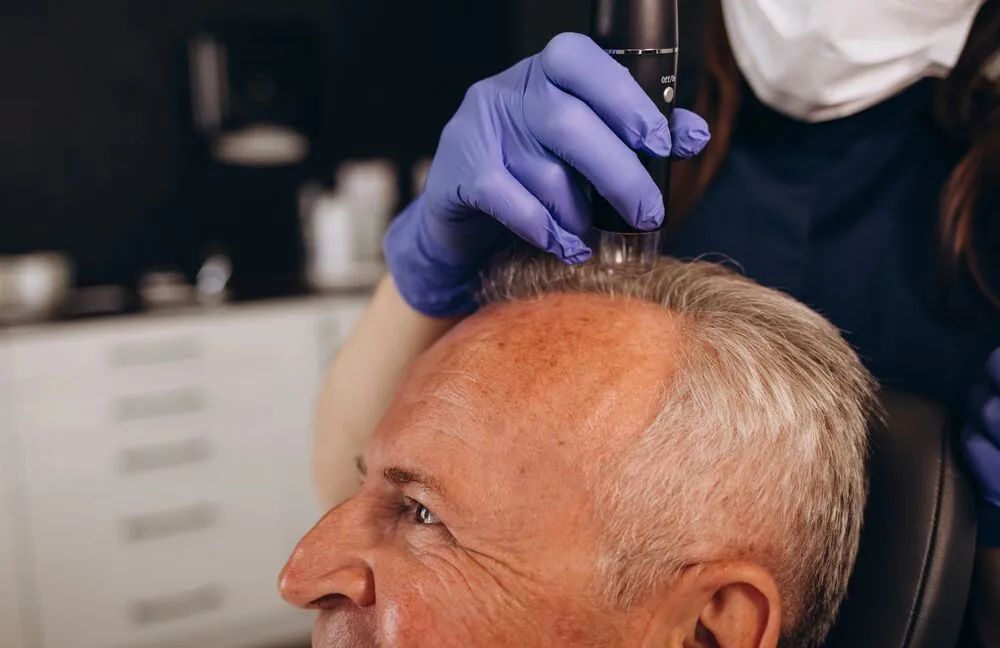
Hair transplant longevity is based on a concept called donor dominance.
In simple terms:
- Hair at the back and sides of the scalp is genetically more resistant to hair loss
- These follicles keep their resistance even after being moved
- When transplanted to the front or crown, they continue to grow like they did before
This is why many people ask do hair transplants last forever. The follicles themselves can last a lifetime.
Dr. Mehmet Erdoğan explains that choosing the right donor zone is the foundation of a long-lasting result.
DHT resistance and why transplanted hair stays
Male pattern hair loss is driven by sensitivity to a hormone called DHT. Donor hair is less sensitive to this hormone.
Because of this:
- Transplanted hair is less likely to thin over time
- The new hairline remains stable for many years
- The result can look natural even as you age
This is why a properly planned FUE hair transplant or DHI hair transplant can create a long-term change in appearance.
What is not permanent
Here is the important part that many articles skip.
A transplant does not stop your natural hair loss in other areas.
This means:
- Existing hair behind the transplant may continue to thin
- The crown may change over time
- You may need medical treatment to maintain overall density
Dr. Gökay Bilgin emphasizes that long-term planning is just as important as the procedure itself.
What this means for you
Transplanted hair is long-lasting. Your overall hair pattern still evolves. A natural result comes from planning for both.
Next, we look at how long transplanted hair actually lasts over 1, 5, and 10 years so you can understand the long-term picture clearly.
How long transplanted hair actually lasts
When you ask how long do hair transplants last, you are really asking what your hair will look like over time. The answer is best understood in stages. Your result evolves from the first year to the long term.

What to expect after 1 year
The first year shows the true outcome of the hair transplant results timeline.
By month 10–12 you usually see:
- Full growth of transplanted follicles
- Improved density in the frontal area
- A natural hairline that blends with existing hair
At this stage, the result reflects the original plan and graft placement.
Dr. Firdavs Ahmedov explains that final evaluation should be done around one year, not earlier.
What 5-year results look like
Five years later, transplanted hair generally remains stable.
Typical changes:
- Transplanted hair continues to grow normally
- Hair color, texture, and thickness age naturally
- Some non-transplanted hair may thin behind the transplant
This is why some patients consider a second session later, especially for crown areas.
What happens after 10 years and beyond
Long-term outcomes depend on your genetics and planning.
After 10 years:
- Transplanted hair usually remains in place
- Natural aging can slightly change density and texture
- Additional thinning may appear in untreated areas
This is where long-term design becomes important. A conservative, age-appropriate hairline continues to look natural over time.
Dr. Ali Osman Soluk notes that planning for future hair loss at the first procedure helps avoid unnatural gaps years later.
The key takeaway
The follicles themselves are long-lasting. The overall look of your hair changes gradually with age.
Next, we break down the hair transplant timeline and growth stages, so you know exactly when changes happen after the procedure.
Hair transplant timeline (growth stages)
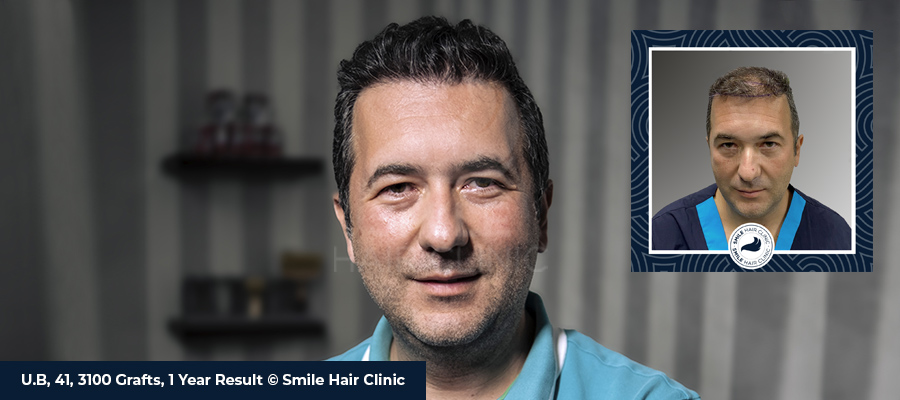
Understanding the hair transplant results timeline helps you set realistic expectations. Growth follows a predictable pattern. It is gradual, not instant.
Shedding phase (month 1–3)
After the procedure, transplanted hairs shed.
What happens:
- Hair shafts fall out from the follicle
- The scalp may look similar to before
- This is a normal biological process
Many people search can transplanted hair fall out during this phase. The follicles remain alive under the skin.
Dr. Firdavs Ahmedov explains that shedding is expected and temporary.
Early growth phase (month 4–6)
New hair begins to appear.
You may notice:
- Fine, soft new hairs emerging
- Light coverage in the frontal area
- Gradual thickening month by month
At this stage, the shape of your hairline becomes visible.
Density phase (month 7–9)
The change becomes more noticeable.
- Hair thickens and darkens
- Density increases across treated areas
- Styling becomes easier without concealment
This is when many patients feel confident with their decision.
Maturation phase (month 10–12+)
Final results develop.
- Hair reaches planned density
- Texture and direction settle naturally
- The hairline blends with existing hair
Dr. Mehmet Erdoğan notes that true evaluation should be done after month ten or later.
Why this timeline matters
Online photos sometimes show quick changes that do not match biology. Real growth takes time.
Understanding this timeline prevents unnecessary worry and helps you judge progress accurately.
Next, we look at factors that affect how long hair transplants last, including donor quality, age, and surgical planning.
Factors that affect how long hair transplants last
If you’re asking how long do hair transplants last, longevity depends on several factors working together. The procedure matters. Your biology matters. Long-term planning matters.
Donor quality and density
Your donor area sets the ceiling for any result.
Stronger donor characteristics include:
- Higher donor density (more grafts available)
- Thicker hair caliber for better coverage
- Lower contrast between hair and scalp
Better donor quality supports longer-lasting, fuller-looking results.
Dr. Mehmet Erdoğan explains that protecting donor capacity is part of lifetime planning, not just one procedure.
Age and stage of hair loss
Timing affects stability.
Key points:
- Younger patients may still be in an active hair loss phase
- Mature, stable patterns are easier to plan long term
- Aggressive early designs can look unnatural as you age
An age-appropriate hairline helps your result stay balanced over time.
Surgical planning and technique
Technique supports precision. Planning determines outcome.
Well-executed FUE hair transplant, Sapphire FUE, or DHI hair transplant focuses on:
- Correct angle and direction of grafts
- Natural density gradients from front to back
- Conservative use of donor follicles
Dr. Gökay Bilgin notes that careful design and placement create results that hold up in everyday light, not only photos.
Lifestyle and scalp health
Your daily habits influence long-term appearance.
Helpful habits include:
- Consistent scalp care and gentle grooming
- Managing stress and sleep
- Avoiding smoking, which can affect circulation
Medical maintenance
Many patients benefit from ongoing support:
- Finasteride to slow ongoing loss
- Minoxidil to support thickness
- PRP as an adjunct in selected cases
Dr. Firdavs Ahmedov reminds patients that maintenance protects surrounding native hair, keeping the overall look fuller.
Next, we address will transplanted hair fall out over time, and how to distinguish normal shedding from true loss.
Will transplanted hair fall out over time
This is one of the most common questions behind how long do hair transplants last. The short answer is that transplanted hair is designed to stay. The longer answer explains normal shedding, aging, and rare causes of true loss.
Shock loss vs real hair loss
Early shedding is expected. It is not failure.
What you may notice:
- Transplanted hairs shed in the first 1–3 months
- Nearby native hairs can shed temporarily (shock loss hair transplant)
- The scalp may look thinner before regrowth begins
This is part of the normal hair transplant results timeline. The follicles remain alive under the skin and regrow.
Dr. Firdavs Ahmedov explains that this early shedding phase is temporary and resolves as new growth appears.
Long-term stability of transplanted follicles
Over time, transplanted follicles tend to remain stable.
Typical long-term pattern:
- Transplanted hair continues to grow for years
- It can be cut, styled, and shaved like normal hair
- It ages naturally in color and texture
This is why many people ask do hair transplants last forever. In most well-planned cases, the follicles are long-lasting.
Changes that can still happen over time
Even when transplanted hair remains, you may notice:
- Thinning of non-transplanted hair behind the hairline
- Age-related changes in hair thickness
- Gradual crown thinning if it was not treated
These changes do not mean the transplant failed. They reflect natural hair loss progression.
Dr. Ali Osman Soluk notes that long-term planning at the first procedure helps prevent visible gaps later.
Rare causes of true graft loss
In rare cases, grafts may not survive if:
- Planning or technique is poor
- Aftercare instructions are not followed
- Donor area is overharvested
These situations are uncommon with experienced, doctor-led teams.
Next, we look at do you need medication after a hair transplant, and how maintenance supports long-term results.
Do you need medication after a hair transplant
When people search how long do hair transplants last, the next question is maintenance. Medication is not required for the transplanted follicles themselves. It is often recommended to protect your existing hair.
Why medication is recommended
A hair transplant moves stable donor follicles. It does not stop the natural process of hair loss in other areas.
Without maintenance, you may see:
- Thinning behind the transplanted hairline
- Reduced density over time
- Visible gaps between transplanted and native hair
This is why many patients also search do you need medication after hair transplant.
Finasteride (oral or topical)
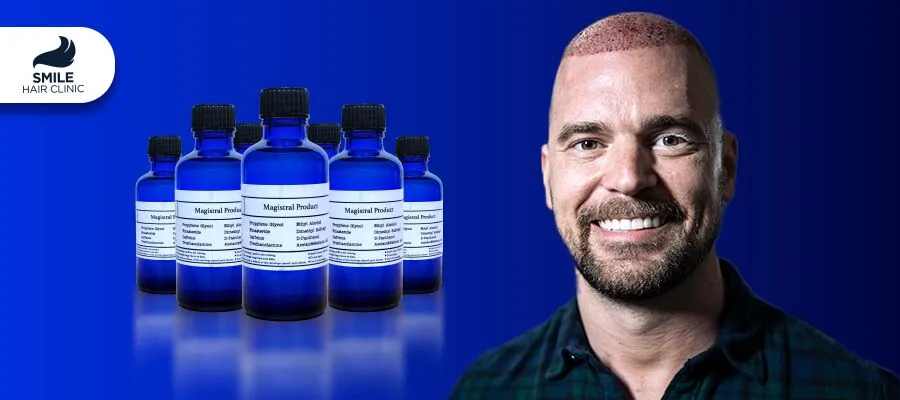
Finasteride helps slow hair loss by reducing DHT sensitivity.
Benefits may include:
- Slowing progression of male pattern hair loss
- Protecting existing native hair
- Supporting a fuller overall look around the transplant
Dr. Mehmet Erdoğan explains that finasteride can help maintain the balance between transplanted and native hair over time.
Minoxidil (topical or oral)
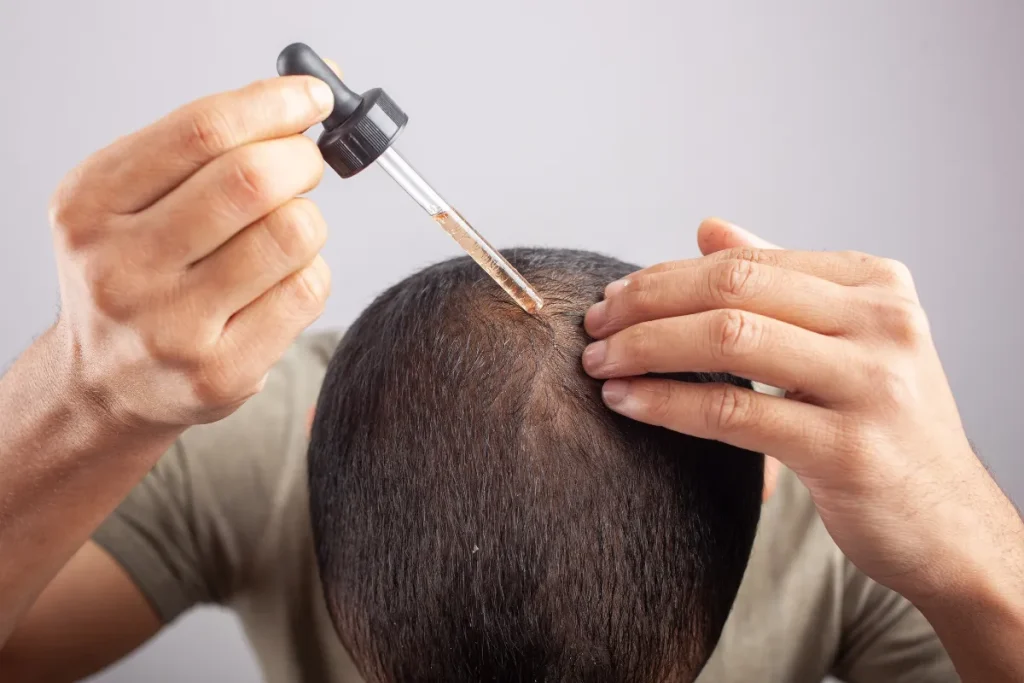
Minoxidil supports hair growth and thickness.
Potential benefits:
- Improved density in thinning areas
- Stronger, thicker hair shafts
- Support for early-stage regrowth after transplant
It is often used alongside finasteride for combined support.
PRP and supportive treatments

Some clinics offer PRP as an additional option.
Possible roles:
- Improve scalp health
- Support existing follicles
- Enhance overall hair quality
Dr. Firdavs Ahmedov notes that PRP is supportive, not a replacement for medication in most cases.
Is medication mandatory
Medication is not mandatory. It is recommended for long-term stability.
Patients who choose not to use medication may still have lasting transplanted hair, but surrounding native hair may continue to thin.
Next, we compare FUE vs DHI vs FUT longevity and whether technique changes how long results last.
FUE vs DHI vs FUT longevity comparison
Many people ask how long do FUE hair transplants last or how long does DHI hair transplant last. The answer is reassuring. Longevity is similar across modern techniques. What matters most is planning, donor quality, and precise execution.
Do techniques change how long results last
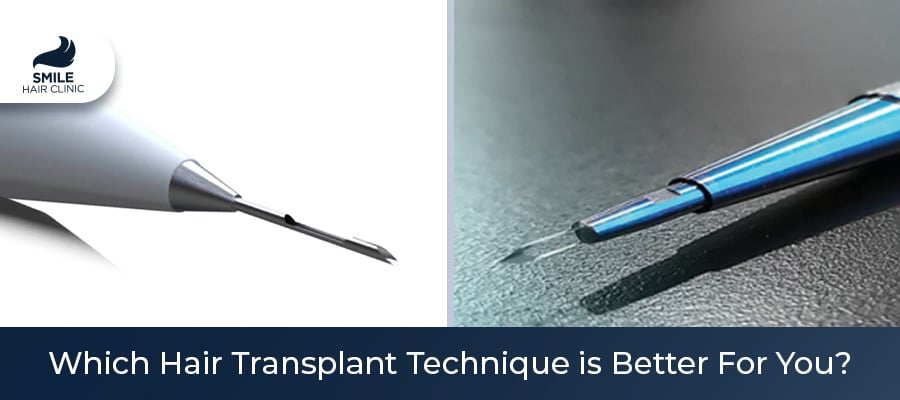
In general, FUE hair transplant, Sapphire FUE, DHI hair transplant, and FUT can all provide long-lasting results when performed correctly.
Key point:
- The follicle’s biology determines longevity, not the tool used to place it
If healthy donor follicles are transplanted carefully, they tend to keep growing for years regardless of technique.
What each method focuses on
Each method has strengths in different stages of the procedure:
- FUE hair transplant: individual graft extraction with minimal visible scarring
- Sapphire FUE: precise channel creation for refined angles and spacing
- DHI hair transplant: controlled placement using an implanter pen
- FUT: strip method providing a large number of grafts in one session
These differences affect healing, design precision, and scarring. They do not change the inherent lifespan of transplanted follicles.
Why planning matters more than technique
Long-term outcomes depend on:
- Hairline design that suits your age and face
- Balanced density distribution
- Protection of donor capacity for the future
Dr. Gökay Bilgin explains that technique is a tool. The final result depends on design and long-term planning.
What patients should focus on
Instead of asking which technique lasts longer, focus on:
- Doctor-led planning and execution
- Realistic graft numbers
- Long-term strategy for future hair loss
These factors determine whether your result still looks natural years later.
Next, we look at can a hair transplant fail, what causes problems, and how to avoid them.
Can a hair transplant fail
When people ask how long do hair transplants last, they also worry about failure. A well-planned procedure rarely fails. Most issues come from poor planning, not the biology of the follicles.
What real failure looks like
True failure is uncommon but possible.
It may include:
- Very low graft survival
- Patchy or uneven growth
- Unnatural hairline design
- Visible donor damage
These problems are usually linked to technique, planning, or aftercare mistakes.
Common causes of hair transplant failure
The most frequent reasons include:
- Poor planning: incorrect hairline height, wrong density, no long-term strategy
- Inexperienced teams: limited doctor involvement in extraction or placement
- Donor overharvesting: taking too many grafts from a limited area
- Incorrect graft handling: dehydration or trauma to follicles
- Weak aftercare compliance: friction, infection, or sun exposure early on
Dr. Ali Osman Soluk notes that protecting the donor area is part of lifetime planning, not just one session.
Early shedding vs real failure
Early shedding often worries patients.
Important distinction:
- Shedding phase in months 1–3 is normal
- New growth begins in months 4–6
- Density builds gradually until month 10–12
Searching can transplanted hair fall out years later often refers to early shedding, not failure.
How to avoid failure
You can reduce risk by choosing:
- A clinic with strong doctor involvement
- Transparent graft planning and realistic density
- Clear aftercare instructions and follow-up
Dr. M. Reşat Arpacı explains that controlled planning and careful handling of grafts protect long-term results.
The key takeaway
Hair transplants are reliable when done correctly. Most problems are preventable with proper planning and experienced hands.
Next, we look at how to make your hair transplant last longer, including aftercare, lifestyle, and long-term maintenance strategies.
How to make your hair transplant last longer
If you’re asking how long do hair transplants last, you also want to protect your result. Longevity depends on good aftercare, healthy habits, and a simple long-term plan.
Follow early aftercare instructions
The first weeks set the foundation for graft survival.
Focus on:
- Gentle washing as instructed
- Sleeping with your head elevated
- Avoiding friction, sweat, and sun exposure early on
These steps protect the grafts during the healing phase.
Dr. Firdavs Ahmedov notes that careful aftercare in the first days supports consistent growth later.
Protect your native hair
Transplanted follicles are stable. Your existing hair may still thin.
Consider:
- Finasteride to slow ongoing loss
- Minoxidil to support thickness and density
- Periodic check-ins to monitor changes
This keeps the overall look balanced as you age.
Choose a natural, age-appropriate design
Design choices affect how your result looks years later.
Aim for:
- A hairline height that suits your age
- Soft, irregular edges at the front
- Balanced density from front to back
Dr. Gökay Bilgin explains that conservative design ages better than very low, straight hairlines.
Maintain scalp health and lifestyle
Daily habits support long-term appearance.
Helpful practices:
- Gentle grooming and scalp care
- Good sleep and stress management
- Avoiding smoking, which affects circulation
Plan for the future
Hair loss is progressive. Some patients benefit from:
- A second session later for crown or density
- Periodic PRP as supportive care
- Adjusting medical therapy over time
Dr. Mehmet Erdoğan reminds patients that long-term planning keeps results looking natural, not only in the first year.
The bottom line
A hair transplant can last for many years. Thoughtful care and planning help it look consistent over time.
Hair transplant longevity FAQs
Do hair transplants last forever?
Transplanted follicles are usually long-lasting and can remain for many years. They are taken from areas that resist hair loss. Your non-transplanted hair can still thin over time, which is why long-term planning matters.
How long do FUE and DHI hair transplants last?
Both FUE hair transplant and DHI hair transplant can last a lifetime when healthy donor follicles are used and placed correctly. Longevity depends more on donor quality and planning than the specific technique.
Can transplanted hair fall out years later?
True loss of transplanted follicles years later is uncommon. Early shedding in the first months is normal. Over time, aging and thinning of surrounding native hair can change overall density.
When will I see final results?
Most patients see:
- Early growth around month 4
- Noticeable density by months 7–9
- Final maturation around months 10–12
This matches the typical hair transplant results timeline.
Will I need medication after a hair transplant?
Medication is not required for the transplanted hair itself. Many patients use treatments like finasteride or minoxidil to protect existing hair and keep overall density balanced.
Do hair transplants go grey?
Yes. Transplanted hair ages naturally with your body. It can turn grey or change texture over time, just like your original hair.
Can a hair transplant fail?
Failure is rare with experienced, doctor-led teams. Poor planning, incorrect graft handling, or weak aftercare can affect results. Choosing a qualified clinic and following instructions reduces risk.
Will I need another hair transplant in the future?
Some patients choose a second session later if:
- Hair loss progresses in untreated areas
- Additional density is desired
- The crown area is treated in a separate stage
A long-term plan helps reduce the need for future procedures.
Book your long-term hair plan at Smile Hair Clinic
You’ve learned how long hair transplants last and what keeps results stable. The next step is to see what works for you. Not a generic promise. A plan built on your hair and your future.

At Smile Hair Clinic, every case follows the True™ Philosophy. Doctor-led procedures. Careful design. Natural aesthetics that age well.
What your consultation includes
- A doctor-reviewed assessment of your hairline, crown, and donor
- A clear path: medical therapy, transplant, or a combined approach
- A refined hairline design that fits your face and age
- A realistic graft range and density plan based on your donor
- A long-term maintenance plan to protect surrounding hair
Dr. Gökay Bilgin and Dr. Mehmet Erdoğan focus on balanced density and soft, natural fronts. Dr. Firdavs Ahmedov, Dr. Ali Osman Soluk, and Dr. M. Reşat Arpacı plan each case with long-term stability in mind. Your procedure is led by doctors with precise control of angle, direction, and placement.
A calm, supported journey
From your first message to your final follow-up, you’re supported at every step. Comfortable transfers. An organized clinic day. Clear aftercare. Ongoing check-ins once you’re home.
Clarity replaces uncertainty.
Start your assessment
- Share clear photos of your front, temples, crown, and donor area
- Receive a doctor-led evaluation with honest recommendations
- Discuss technique (FUE, Sapphire FUE, or DHI) and long-term planning
- Move forward only if it fits your goals
If you want a natural result that holds up over time, request your consultation with Smile Hair Clinic today.
