
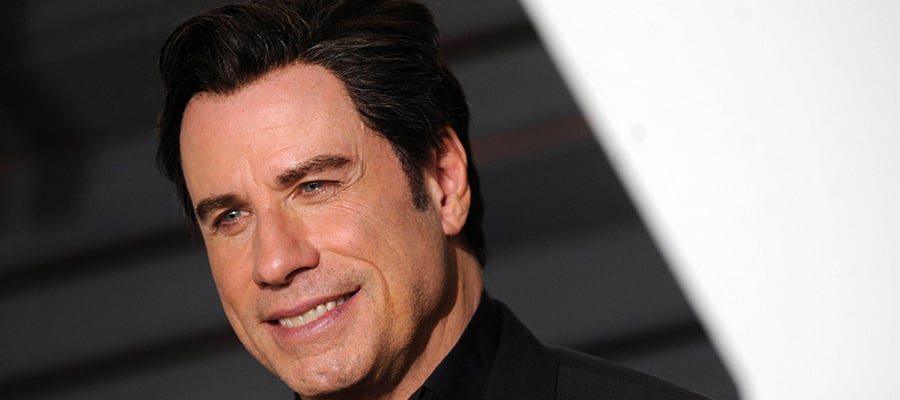
Search interest around hair transplant famous actors continues to grow. People are curious. They want to know which celebrities had procedures, how their hairlines changed, and whether those results are realistic for them.
Celebrity transformations are powerful. A stronger hairline can change how a face looks on camera and in real life. Many fans search celebrities hair transplant, actors with hair transplants, and celebrity hair transplant before after to understand what is possible.
At the same time, most online content mixes confirmed cases with speculation. It rarely explains what a hair transplant can realistically achieve. It rarely explains why some results look natural and others do not.
This guide takes a more grounded approach. You will see real examples of famous actors with hair transplant, clear differences between confirmed and rumored cases, and how techniques like FUE, Sapphire FUE, and DHI are used in modern clinics.
You will also learn what matters most:
- how hairline design affects appearance
- why donor density limits every result
- how long-term planning shapes a natural outcome
These are the details most list-style articles skip.
We use celebrity cases as reference points, not promises. Your hairline is unique. Your donor capacity is unique. Your long-term plan matters.
Do famous actors get hair transplants?
Many actors and public figures undergo or are believed to have had hair transplants to restore their hairline or density. Modern techniques such as FUE, Sapphire FUE, and DHI allow natural-looking results that develop over 6–12 months. Not all celebrity cases are confirmed, and outcomes depend on donor hair, design, and long-term planning.
Why hair loss affects actors and celebrities
Hair loss does not discriminate. Actors experience the same male pattern hair loss and thinning patterns as anyone else. The difference is visibility. Cameras, lighting, and close-up shots make even small changes look dramatic.
Pressure of camera and public image
For actors, appearance is part of the job. Hairlines are visible in every scene, interview, and red-carpet event.
Small changes can have a big effect:
- A receding hairline can make a face look older on camera
- Harsh lighting can exaggerate temple recession
- HD filming reveals scalp contrast more clearly
This is why many search hollywood actors hair transplant or celebrities hair transplant. The expectation to maintain a youthful look is constant.
Dr. Gökay Bilgin explains that patients who work in front of cameras often choose conservative, natural hairline designs that still look realistic under strong lighting.
Male pattern hair loss in actors
The most common cause of hair loss in male actors is androgenetic alopecia.
Typical patterns include:
- Receding temples
- Thinning frontal hairline
- Crown thinning over time
These patterns often begin in the late twenties or thirties. They progress slowly, but they are visible early on camera.
Many actors with hair transplants choose treatment at early stages to maintain their image.
Why actors act earlier than most people
Compared to the general population, actors tend to take action sooner.
Common reasons:
- Career longevity and public image
- Contract requirements for appearance
- Confidence on screen and in public
Dr. Mehmet Erdoğan notes that early, well-planned procedures usually produce more natural and stable long-term outcomes.
Hair loss in actors follows the same biology as anyone else. The difference is timing and visibility.
Famous actors with hair transplants (confirmed and widely reported)
When people search hair transplant famous actors, they often want real examples. Some public figures have openly discussed procedures. Others have clear visual changes over time that are widely reported and analyzed.
Hollywood examples
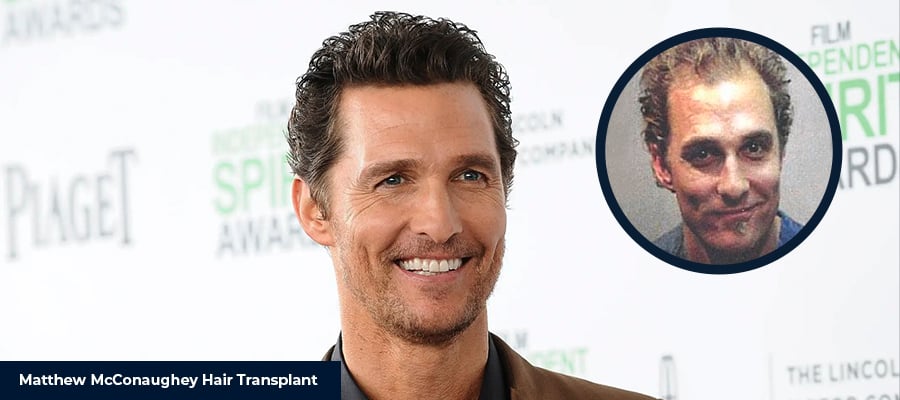
Several well-known figures are often cited in celebrity hair transplant before after discussions.
Commonly referenced names include:
- John Travolta – visible hairline improvement later in his career
- Matthew McConaughey – has spoken about hair regrowth efforts publicly
- Joel McHale – openly discussed his transplant in interviews
These cases are frequently used to illustrate how a natural hairline can be restored with careful planning.
Sports and entertainment crossovers
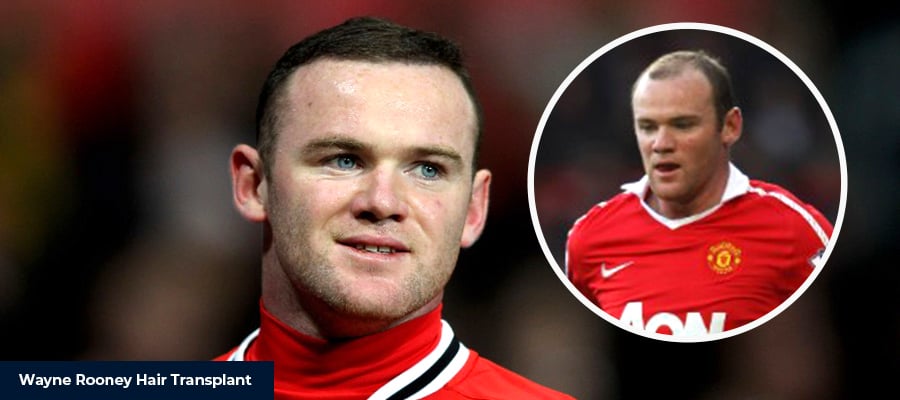
Some of the most discussed transformations come from sports figures who moved into media and entertainment.
Examples often mentioned in famous actors with hair transplant lists:
- Wayne Rooney – publicly confirmed his transplant
- John Cena – noticeable hairline improvement discussed by fans
These cases show how early intervention can maintain a consistent public image.
Bollywood and global actors
In global cinema, hair restoration is equally common.
Actors often cited include:
- Salman Khan
- Akshay Kumar
- Amitabh Bachchan
These names appear frequently in hollywood actors hair transplant and international celebrity discussions.
What these examples show
Looking at celebrity hair transplant before after cases reveals a pattern:
- Hairlines are designed to look natural and age-appropriate
- Density is focused on the frontal area for visual impact
- Results develop gradually over time, not instantly
Dr. Firdavs Ahmedov explains that successful celebrity results are based on careful design and long-term planning, not aggressive density.
These examples can be helpful reference points. They should not be copied directly. Every patient has different donor capacity, hair characteristics, and future hair loss patterns.
Rumored celebrity hair transplants (unconfirmed but widely discussed)
Many searches for hair transplant famous actors include names that are often discussed online but never officially confirmed. These cases drive curiosity, yet they also create confusion for patients trying to understand what is realistic.
Frequently discussed Hollywood examples
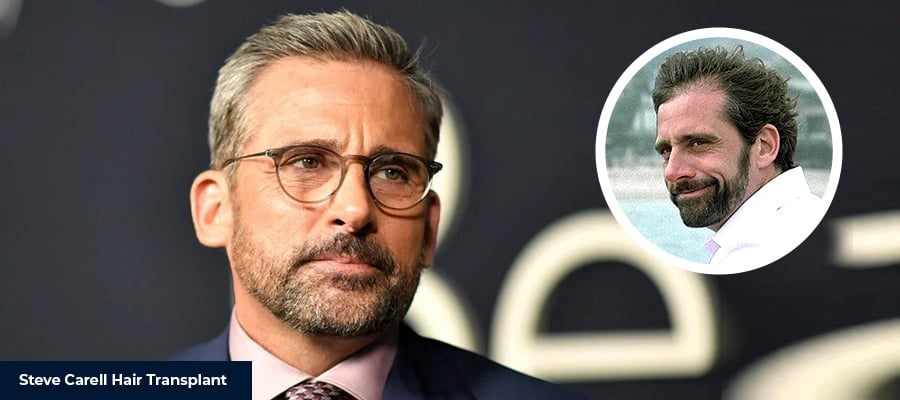
In forums and media articles, the same names appear repeatedly in celebrities hair transplant conversations:
- Steve Carell – noticeable hairline change early in his career
- Bradley Cooper – fuller density compared to earlier photos
- Ben Affleck – shifting hairline shape across films
- Jude Law – periods of thinning followed by improved coverage
These examples are often cited as actors with hair transplants, yet none of them have publicly confirmed any procedure.
Why these cases create confusion
Online comparisons of celebrity hair transplant before after images rarely follow controlled conditions.
Common issues include:
- Different hairstyles and hair lengths
- Lighting that hides or exaggerates scalp visibility
- Film styling and professional hair products
- Temporary density changes from grooming choices
These factors can create the appearance of a transplant when the change may be due to styling or natural variation.
The risk of copying celebrity assumptions
Many patients come to consultations with a specific celebrity photo in mind.
Dr. Gökay Bilgin often explains that copying a celebrity hairline without considering donor capacity and future hair loss can lead to unnatural results later.
Dr. Mehmet Erdoğan adds that a natural design should still look balanced at age forty or fifty, not only at the time of surgery.
What these cases actually teach
These rumored transformations highlight an important point. Photos alone do not prove a procedure. They show what is possible visually, not what was medically done.
For patients, the better approach is to focus on:
- Your own hair loss pattern
- Your donor strength
- A design that fits your face and long-term plan
Celebrity hair transplant before and after transformations
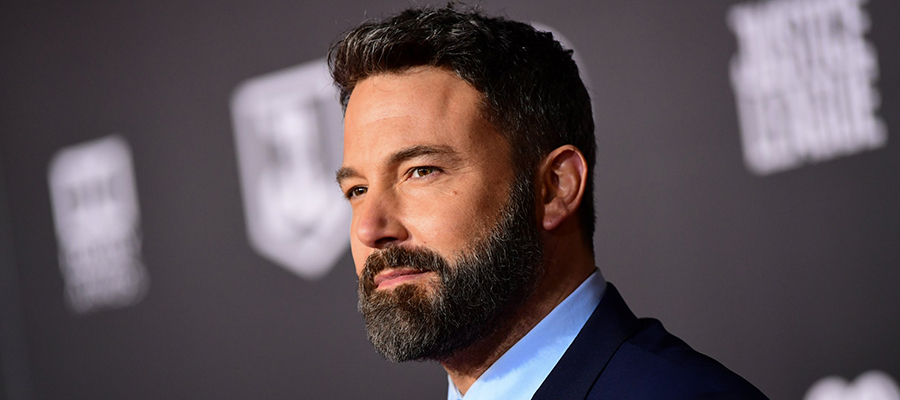
When people search celebrity hair transplant before after, they usually focus on visible change. The hairline looks stronger. The temples look fuller. The face appears younger. These visual shifts follow consistent patterns across many hair transplant famous actors cases.
Hairline design changes
The most noticeable change is the frontal hairline.
Typical improvements include:
- A softer, more defined frontal edge
- Reduced temple recession
- A more balanced frame for the face
Natural hairlines are not perfectly straight. They have small irregularities that mimic natural growth. This detail is what makes many actors with hair transplants look believable on camera.
Dr. Ali Osman Soluk explains that a well-designed hairline should fit facial proportions and age, not copy a single celebrity image.
Density improvements in the frontal zone
The front area creates the biggest visual impact.
Common design strategy:
- Single-hair grafts at the very front for softness
- Multi-hair grafts behind for density
- Gradual transition from soft to dense
This approach creates a fuller look in photos without requiring extreme graft numbers.
Crown restoration and coverage
Some famous actors with hair transplant also treat the crown.
Key points:
- Crown work requires more grafts for visible coverage
- Swirl patterns must match natural hair direction
- Results take longer to become noticeable compared to the front
Because the crown is less visible on camera, many celebrities prioritize the frontal hairline first.
Why transformations look dramatic
Before and after comparisons often look dramatic due to:
- Lighting and camera angles
- Hairstyling and grooming
- Weight changes or facial aging
- Professional photo editing
Dr. Firdavs Ahmedov notes that real-life results are judged in natural light, not staged photos.
These transformations show what is possible with proper planning and technique. They also show why expectations must be realistic and tailored to your own hair characteristics.
What techniques celebrities use
When people search hair transplant famous actors, they often wonder which techniques celebrities choose. Modern clinics rely on advanced methods that allow natural results, minimal scarring, and precise design.
FUE hair transplant
FUE (Follicular Unit Extraction) is the most widely used method among celebrities hair transplant cases.
Why it is preferred:
- Individual graft extraction leaves minimal visible marks
- Faster healing compared to older strip methods
- Allows flexible hairstyles after recovery
FUE is ideal for actors who want natural density and the option to wear short hair.
Dr. Mehmet Erdoğan explains that FUE offers strong control over graft placement and distribution, which is key for natural results under camera lighting.
Sapphire FUE
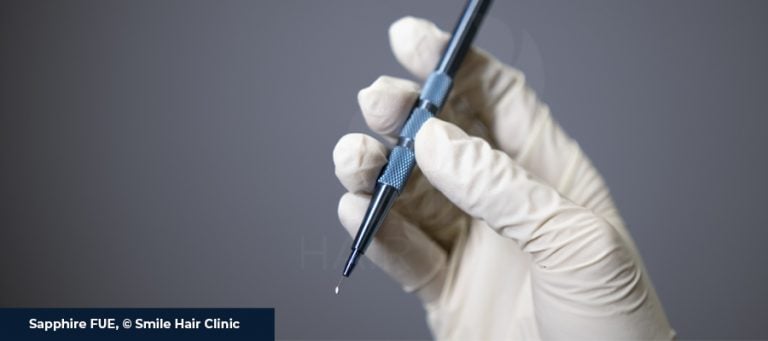
Sapphire FUE is a refined version of FUE used for detailed work.
Key benefits:
- Sapphire blades create precise, smaller channels
- Allows tighter placement of grafts
- Supports natural angle and direction in the hairline
This technique is often used for frontal hairline design in hollywood actors hair transplant cases where detail is important.
DHI hair transplant
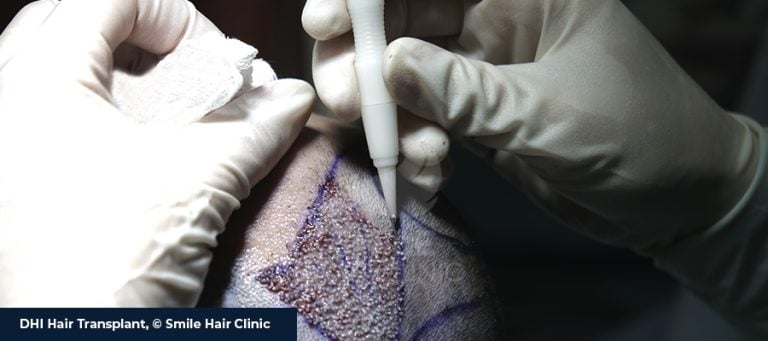
DHI (Direct Hair Implantation) focuses on the placement stage.
How it works:
- Grafts are placed directly with an implanter pen
- Angle and direction are controlled during implantation
- Useful for dense packing in smaller areas
DHI is often chosen for hairline refinement and targeted density work.
Dr. Firdavs Ahmedov notes that DHI can be helpful for fine, detailed zones where direction control matters most.
Why technique alone does not define results
Many readers search celebrity hair transplant techniques FUE DHI expecting a single “best” method. In reality, the result depends on:
- Hairline design
- Donor capacity
- Surgical planning
- Long-term strategy
Dr. Gökay Bilgin emphasizes that technique is only one part of the outcome. Planning and execution determine whether the result looks natural.
Why celebrities choose hair transplants
Searches for hair transplant famous actors often focus on results. The reason behind the decision matters just as much. For many public figures, hair restoration is part of maintaining a consistent on-screen image.
Career image and visibility
Actors work under strong lighting, high-definition cameras, and close framing. Small changes in hairline shape can alter how a face reads on screen.
Common pressures include:
- Casting expectations for a specific age or look
- Continuity between projects and seasons
- Public appearances and interviews under bright lighting
These factors explain why many search why celebrities get hair transplant or do actors get hair transplants. The decision is often about maintaining a stable, recognizable image.
Dr. Gökay Bilgin explains that early, conservative design helps actors keep a natural look across years of filming.
Confidence and public perception
Hair affects self-image. For actors, confidence is visible in performance, interviews, and live events.
Typical motivations:
- Feeling comfortable in close-up scenes
- Reducing reliance on styling tricks or concealers
- Maintaining a consistent appearance in public
Dr. Mehmet Erdoğan notes that when the hairline matches facial proportions, patients feel more at ease in everyday situations, not just on camera.
Long-term appearance planning
Celebrities often plan ahead. They consider how their hair will look in five or ten years, not just the next project.
Key planning points:
- Preserving donor capacity for future needs
- Designing an age-appropriate hairline
- Combining surgery with medical therapy when needed
Dr. Ali Osman Soluk emphasizes that long-term planning prevents unnatural results as hair loss progresses.
Cost and where celebrities get hair transplants
When people search hair transplant famous actors, cost and location come up quickly. Many assume celebrities only use exclusive clinics in the US or UK. In reality, high-profile patients choose clinics based on expertise, privacy, and doctor involvement, not just location.
USA, UK and Europe
In Western countries, prices are higher due to overhead and surgeon time.
Typical ranges:
- United States: $8,000 – $20,000+
- United Kingdom / Western Europe: €6,000 – €12,000
These clinics often offer personalized care with direct physician involvement throughout the procedure.
Turkey and international medical tourism
Turkey has become a global hub for hair restoration. Many patients, including public figures, choose clinics there for experience and value.
Typical ranges:
- Turkey: $2,500 – $5,500 for all-inclusive packages
Packages often include:
- Procedure with FUE, Sapphire FUE, or DHI
- Hotel accommodation and transfers
- Medications and aftercare
- Follow-up support
The key difference is not only price. It is how the clinic operates and who performs each step.
Dr. Gökay Bilgin explains that patients should focus on doctor-led planning and long-term strategy rather than choosing based on price alone.
Doctor-led clinics vs high-volume models
There are two main clinic models:
- Doctor-led clinics where surgeons design and perform key stages
- High-volume centers where technicians perform most steps
Doctor-led models tend to produce more consistent and natural outcomes.
What celebrities prioritize
Public figures usually look for:
- Privacy and discretion
- Natural hairline design
- Long-term follow-up support
- Surgeons with strong aesthetic experience
Dr. Mehmet Erdoğan notes that planning and surgical precision matter more than location alone.
What you can learn from celebrity hair transplants
Looking at hair transplant famous actors can be inspiring. It can also be misleading if you do not look at the full picture. The value of these examples is not copying a face or a hairline. It is understanding what makes results look natural and last over time.
Realistic expectations
Celebrity results are often presented under ideal conditions. Lighting, styling, and camera angles enhance density.
Key takeaways:
- Results develop over 6–12 months, not instantly
- Frontal density creates the biggest visual change
- Crown areas take longer and often need more grafts
Dr. Mehmet Erdoğan explains that real-life evaluation should be done in natural light, not studio lighting.
Donor limitations
Every transplant is limited by your donor supply.
What this means:
- You cannot create unlimited density
- Hair thickness and curl affect coverage
- Overharvesting can damage the donor area
Many actors with hair transplants choose conservative density that looks natural from all angles.
Dr. Firdavs Ahmedov reminds patients that protecting the donor area is part of long-term planning.
Importance of planning
The biggest difference between natural and unnatural celebrity results is planning.
A good plan includes:
- An age-appropriate hairline
- Consideration of future hair loss
- Balanced density distribution
Dr. Ali Osman Soluk explains that copying a very low, straight celebrity hairline often leads to unnatural results later in life.
Your hairline is not a copy
Even when you admire celebrity hair transplant before after transformations, your result must fit your face, your donor capacity, and your long-term pattern.
The lesson from celebrities is simple. Natural results come from careful design and realistic planning, not aggressive density.
Are celebrity hair transplants always natural?
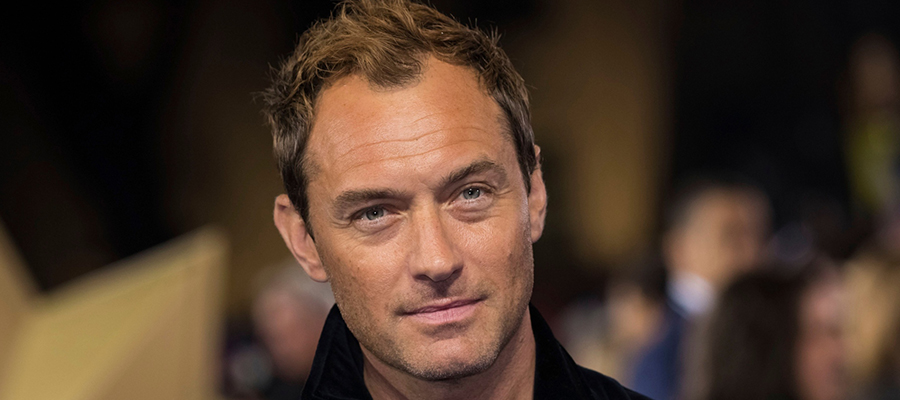
Searches for hair transplant famous actors often assume every celebrity result is flawless. In reality, outcomes vary. Some look natural in all settings. Others look dense on camera yet less convincing in daily life.
What makes a result look natural
Natural-looking celebrity hair transplant before after results usually share the same features:
- A soft, irregular front edge, not a straight line
- Age-appropriate height that fits facial proportions
- Correct angle and direction of each graft
- A density gradient that is lighter at the very front and fuller behind
These details make the hairline blend under different lighting conditions.
Dr. Gökay Bilgin explains that subtle irregularity and correct angulation are what make a hairline believable from close range.
Why some results look artificial
Unnatural results usually come from planning or execution errors:
- Hairline placed too low for the patient’s age
- Straight, sharp edges without natural micro-irregularity
- Overpacking that creates a harsh, “pluggy” look
- Incorrect angles that cause hair to stand upright
These issues may look dense in photos, but less natural in everyday light.
Dr. Mehmet Erdoğan notes that strong frontal density without proper design can draw attention rather than blend naturally.
Common mistakes to avoid
Patients inspired by actors with hair transplants sometimes request features that do not suit them.
Typical mistakes include:
- Asking for a very low, flat hairline
- Ignoring future hair loss patterns
- Focusing only on the front and not the crown
- Choosing based on price instead of planning quality
Dr. Ali Osman Soluk reminds patients that a balanced, long-term design is more important than copying a celebrity look.
The takeaway
Not every celebrity result is perfect. The best ones share careful planning, conservative design, and precise placement.
Celebrity hair transplant FAQs
Do celebrities hide hair transplants?
Many do not openly discuss procedures. Public figures often keep medical treatments private. Some, like Wayne Rooney, have spoken openly. Others prefer not to comment. Privacy does not change the medical process or the timeline of results.
How many grafts do celebrities usually use?
The number of grafts depends on the area treated and donor capacity. Frontal hairline work often ranges between 1,500 and 3,000 grafts. Crown restoration may require more. Online numbers are estimates unless confirmed by a clinic.
Which techniques do celebrities use?
Modern procedures typically involve:
- FUE hair transplant for extraction
- Sapphire FUE for precise channel creation
- DHI hair transplant for controlled placement
The choice depends on hair characteristics, design, and the area being treated.
Do celebrity results look natural in real life?
Natural results depend on hairline design, angle, direction, and density distribution. Good planning creates results that look natural in everyday lighting, not just on camera.
Can anyone get the same result as a celebrity?
No. Every patient has different donor density, hair thickness, and future hair loss patterns. A responsible plan adapts the design to your face and long-term needs.
How long do celebrity hair transplant results take?
The timeline is the same for everyone:
- Shedding in the first 1–3 months
- New growth from month 4
- Noticeable density by months 7–9
- Final results around 10–12 months
Book your personalized hair assessment at Smile Hair Clinic
You’ve explored hair transplant famous actors and seen how results come together. The next step is to see what fits your own hair. Not a copy of a celebrity. Your plan.
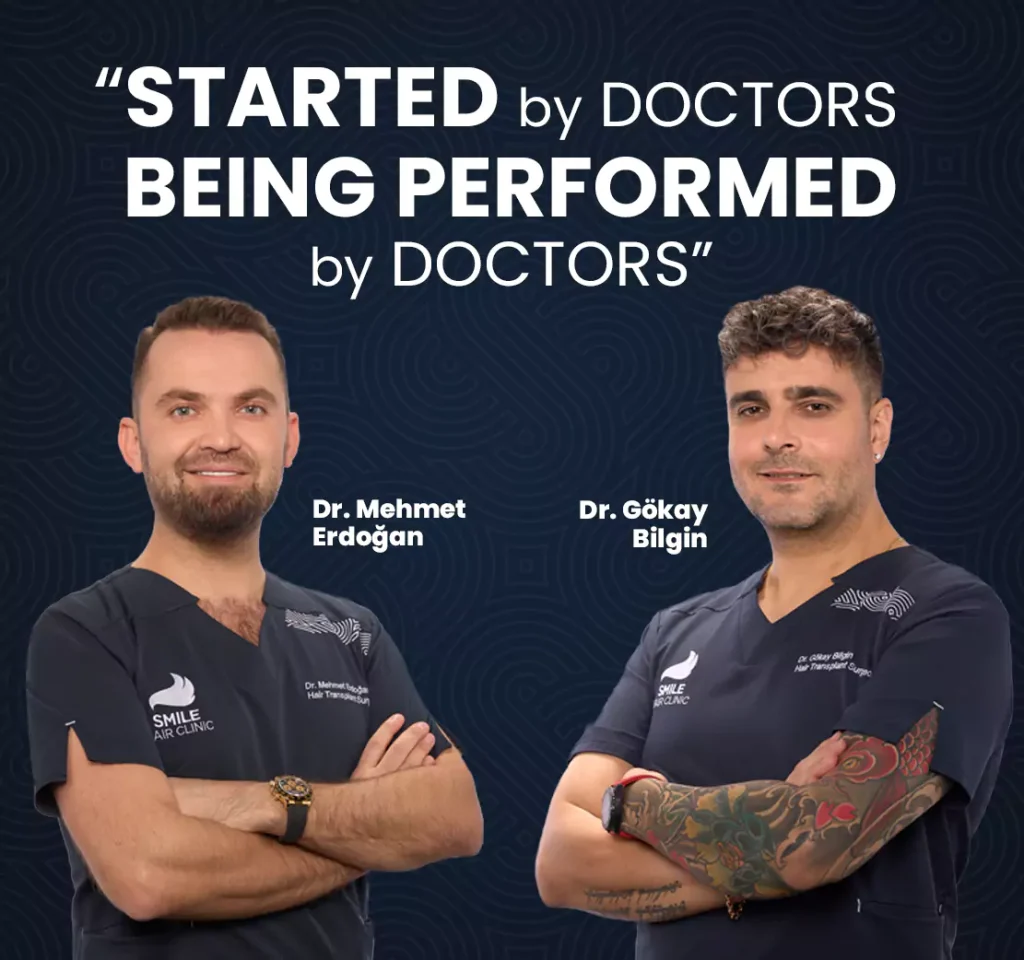
At Smile Hair Clinic, every case follows the True™ Philosophy. Doctor-led procedures, careful design, and natural aesthetics that age well.
What your consultation includes
- A doctor-reviewed assessment of your hairline, temples, crown, and donor
- A clear path: medical therapy, transplant, or a combined approach
- A refined hairline design that suits your face and age
- A realistic graft range and density plan based on your donor
- A simple timeline for recovery, growth, and follow-up
Dr. Gökay Bilgin and Dr. Mehmet Erdoğan focus on balanced density and soft, natural fronts. Dr. Firdavs Ahmedov, Dr. Ali Osman Soluk, and Dr. M. Reşat Arpacı plan each case with long-term stability in mind. Your procedure is led by doctors, with precise control of angle, direction, and placement.
A calm, supported journey
From your first message to your final check-in, you’re supported at every step. Comfortable transfers. An organized clinic day. Clear aftercare. Ongoing follow-up once you’re home.
Clarity replaces guesswork.
Start your assessment
- Share clear photos of your front, temples, crown, and donor area
- Receive a doctor-led evaluation with honest recommendations
- Discuss technique (FUE, Sapphire FUE, or DHI) and planning
- Move forward only if it fits your goals
If you’re ready for a plan built on your biology and your future, request your consultation with Smile Hair Clinic today.
