

What is Eyelid Surgery (Blepharoplasty)?
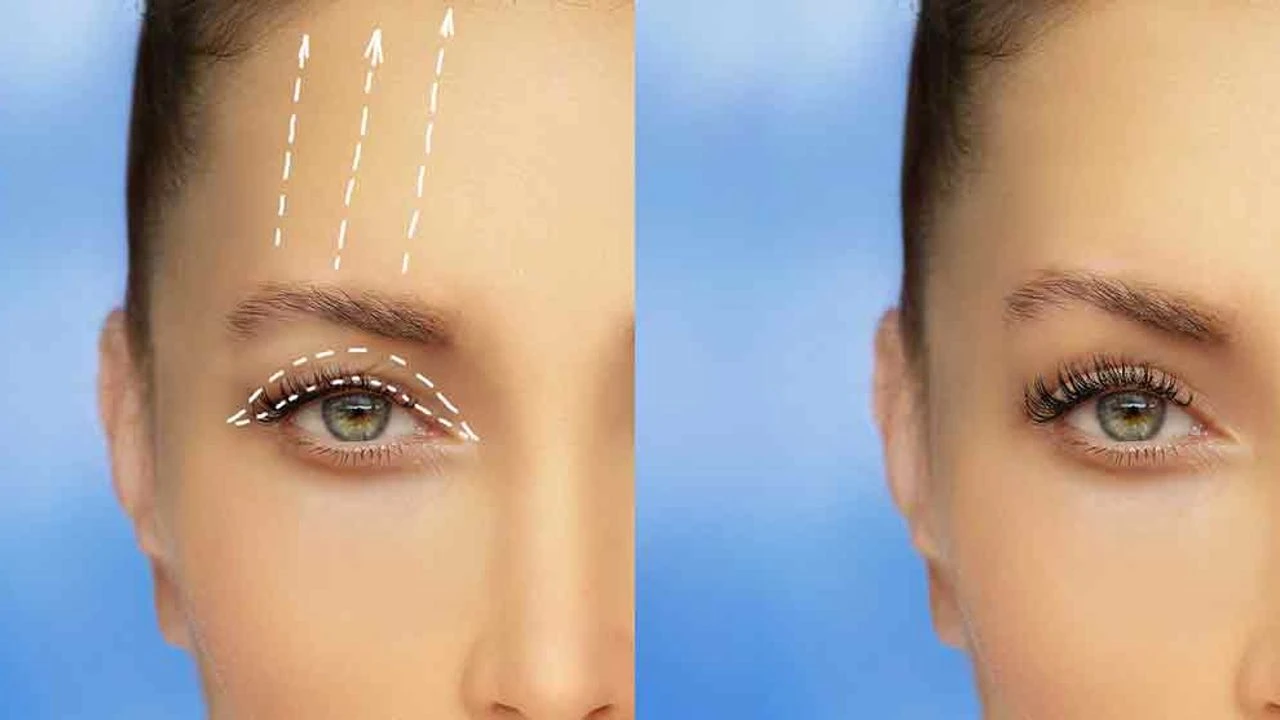
Eyelid surgery (blepharoplasty) corrects sagging and puffiness in the upper or lower eyelids. This procedure also removes excess skin. The surgery provides a younger appearance and eliminates excess tissue that narrows the field of vision.
Over time, with aging, the skin around the eyes may lose elasticity. Especially sagging in the upper eyelids can make a person look tired and older, while in some cases it may also restrict the field of vision. On the lower eyelids, puffiness, dark circles, and looseness may cause aesthetic concerns. Eyelid surgery permanently resolves these problems.
During the surgery, excess skin, fat tissue, and weakened muscles are removed or reshaped. This gives the eye area a firmer, more balanced, and natural look. The operation is usually performed under local anesthesia, and patients can be discharged the same day. Recovery varies from person to person, but most people can return to daily life within a few days.
How is Eyelid Surgery Performed?
Eyelid surgery (blepharoplasty) is a surgical procedure that involves removing or reshaping excess skin, fat, and muscle tissue.
For upper eyelid surgery, a fine incision is made along the natural fold line, through which excess skin is removed, and if necessary, fat tissue is also removed or repositioned. Since the incision line coincides with the natural crease of the eyelid, the scar gradually becomes less visible over time.
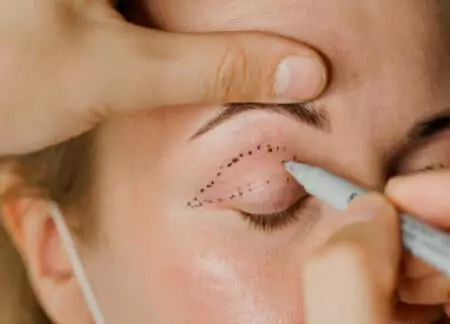
For the lower eyelid, an incision can be made under the lash line or inside the eyelid. Fat deposits in this area are removed or redistributed, and if there is excess skin, it is adjusted. This eliminates puffiness and looseness in the lower eyelid.
Conditions Requiring Blepharoplasty
This operation, performed for both aesthetic and functional reasons, generally aims to correct age-related deformations. Here are the main conditions that require blepharoplasty:
1. Upper Eyelid Skin Sagging
Skin that loses its elasticity over time may cause sagging of the upper eyelid. This can lead to:
- Heaviness of the eyelids
- Restriction of the field of vision
- A tired and aged facial expression
Sagging that affects visual quality makes blepharoplasty necessary for both health and aesthetic reasons.
2. Puffiness in the Lower Eyelid
Puffiness occurs when fat tissue in the lower eyelid bulges outward and the skin becomes loose. This can make a person look older, constantly tired, or sleepless.
Surgical correction of this condition provides a fresher and more youthful look.
3. Excess Skin Around the Eyes
In individuals with excess skin on the upper or lower eyelids:
- The folding of the eyelids makes makeup application difficult
- The natural crease of the eye is lost
- A constant feeling of heaviness in the eyes occurs
Removing excess skin provides significant relief both aesthetically and in terms of comfort.
4. Eyelid Asymmetry
An eyelid may be lower than the other due to congenital or age-related reasons. This condition is called ptosis. Blepharoplasty can restore symmetry between the two eyes, helping balance the facial expression.
5. Eyelid Drooping that Blocks the Field of Vision
If eyelid drooping is severe, the person may need to constantly raise their head. This leads to overuse of the forehead muscles. Blepharoplasty eliminates this problem and restores a more natural field of vision.
What Causes Eyelid Drooping?
Eyelid drooping (ptosis) occurs when the upper eyelid is positioned lower than normal. This condition is noticeable aesthetically and, in advanced cases, can restrict vision. Various factors may contribute to eyelid drooping.
One of the most common causes is muscle weakness. Weakening of the levator muscle, which lifts the eyelid, or its inability to function properly causes the eyelid to fall below its normal level. This condition becomes more noticeable with age and usually appears to varying degrees in both eyes.
Congenital ptosis, meaning drooping present from birth, is often related to underdevelopment of the muscle that lifts the eyelid. This condition can be noticed during childhood and may require surgical intervention in later years.
What are the Symptoms of Eyelid Drooping?
Here are the main symptoms to watch for:
- 1. Narrowing of the Field of Vision
- The upper eyelid partially or completely covering the pupil can reduce the field of vision.
- 2. Tired and Sleepy Expression
- A drooping eyelid gives a person a constantly tired, weak, or sleepy look.
- 3. Habit of Raising the Eyebrows
- Individuals lift their eyebrows to see more clearly, which causes forehead muscle tension and wrinkles.
- 4. Changing Head and Neck Position
- To improve vision, the person may constantly tilt their head upward. Over time, this habit can cause neck pain.
- 5. Noticeable Difference Between the Two Eyes
- In unilateral eyelid drooping, a visible asymmetry develops between the eyelids.
- 6. Eye Fatigue and Dryness
- Problems with eyelid closure or incomplete opening leave the eye surface less protected, leading to dryness, burning, and fatigue.
- 7. Difficulty Opening the Eyes
- When the eyelid droops too much, the person may struggle to fully open their eyes. This creates constant effort and strain while trying to see.
Eyelid Surgery Recovery Process
The recovery process after eyelid surgery (blepharoplasty) is usually quick and comfortable. Immediately after the operation, mild bruising, swelling, and a feeling of tightness around the eyes may occur. These are considered normal and usually decrease and disappear within a few days. Applying cold compresses during the first days helps make this process more comfortable.
In general, during the first week after eyelid surgery, it is recommended to rest the eyes and avoid strenuous activities. No pressure should be applied to the eye area, sleep should be done with the head elevated, and screen time should be limited if possible. Stitches are usually removed within 5 to 7 days. During this period, water contact with the eye area should be avoided, and the ointments prescribed by the doctor should be used regularly.
Within the first 10 days, bruising and swelling decrease significantly. Full recovery usually takes 2 to 4 weeks. During this time, applying makeup, using tanning beds, or direct sun exposure is not recommended. Wearing sunglasses is an important step to support recovery.
What Are the Risks of Eyelid Surgery?
The most common post-surgery conditions include swelling, bruising, sensitivity, and mild pain. These are generally temporary and decrease within a few days. However, if care is not taken during the recovery process, these symptoms may last longer.
As with any surgical procedure, there is also a risk of infection. To reduce this risk, hygiene rules should be followed after eyelid surgery, and prescribed antibiotics or care products should be used regularly. In rare cases, scarring or asymmetry may occur. These issues can usually be corrected with a minor revision surgery.
Dry eyes, a stinging sensation, or temporary blurred vision may also be experienced by some patients. These effects are generally short-lived and improve as the healing process progresses. Very rarely, functional complications such as incomplete eyelid closure or pulling down of the lower eyelid may occur.
Is Blepharoplasty a Difficult Surgery?
The eye area is one of the most noticeable parts of the face and has the thinnest skin. Therefore, it is very important to maintain both the aesthetic balance and the functional role of the eyelid during the procedure.
Even a small mistake may cause asymmetry, scarring, or incomplete closure of the eyelid. For this reason, although the procedure may seem simple, it actually requires great precision and detailed planning.
Who Cannot Have Blepharoplasty?
For this operation to provide successful and safe results, certain health conditions and individual factors must be considered. So, who cannot undergo blepharoplasty? Here are the groups unsuitable for the procedure:
Individuals with Uncontrolled Chronic Diseases
People with chronic conditions such as diabetes, hypertension, or heart disease that are not well controlled may face surgical risks. In these individuals:
- Wound healing is slower
- Risk of infection increases
- Postoperative complication risk is higher
Individuals with Serious Eye Diseases
Eye health is an important criterion for eyelid surgery. The following eye conditions may make the operation risky:
- Glaucoma (eye pressure)
- Dry eye syndrome (low tear production)
- Retinal problems
Individuals with Bleeding Disorders
People with blood clotting problems or those using blood thinners (anticoagulants) face a higher risk of bleeding after surgery. These patients should have their blood values carefully reviewed.
Pregnant or Breastfeeding Women
During pregnancy and breastfeeding, hormonal changes and differences in immunity occur. During these periods, anesthesia and healing may carry higher risks.
Eyelid Surgery Prices 2026
In 2026, eyelid surgery prices vary depending on whether the upper, lower, or both eyelids are included.
For the most accurate price information, it is important to clarify which eyelids are involved and what additional services are included. Contact us directly for details about eyelid surgery.
Frequently Asked Questions
Does Stitch Removal After Eyelid Surgery Hurt?
Stitch removal after eyelid surgery is generally not painful and is well tolerated by most patients. Since the stitches are thin and close to the skin surface, removing them is quick and does not cause significant pain. Most patients only describe a mild pulling or stinging sensation.
To minimize discomfort, a numbing cream is usually applied before stitch removal, or the skin may already have reduced sensitivity. This makes the procedure more comfortable. Bleeding or skin irritation is not expected during stitch removal. The procedure is completed within a few minutes.
What Should Nutrition Be Like After Eyelid Surgery?
Nutrition after eyelid surgery plays an important role in supporting the healing process and reducing the risk of complications.
During the first few days after surgery, it is recommended to consume foods low in salt. Excess salt increases edema in the body, which may prolong swelling around the eyes. Therefore, salty processed foods, chips, and pickles should be avoided.
Drinking plenty of water helps the body eliminate toxins and maintain skin hydration. Water intake also helps tissues heal faster. It is recommended to drink at least 1.5–2 liters of water daily.
Can Children Undergo Blepharoplasty?
Children usually do not undergo blepharoplasty (eyelid surgery), except in special cases. However, if there is a congenital eyelid drooping (congenital ptosis) that affects vision development, surgical intervention may be required. In such cases, the surgery is performed for functional rather than aesthetic purposes.
In children with congenital eyelid drooping, if the upper eyelid covers the pupil, this may cause amblyopia (lazy eye) over time. To eliminate this risk and ensure healthy visual development, early surgical intervention may be preferred.
