

Search interest around Chris Pratt hair transplant keeps growing for a simple reason. His hairline changed in a visible, yet natural way over the years. Viewers remember him from his early roles, then notice a fuller, more defined hairline in later films.
That shift stands out. It looks like improvement, not a drastic transformation.
This is exactly what many men want when they search Chris Pratt hairline, Chris Pratt before and after hair, or Chris Pratt hair transformation. They are not looking for an obvious change. They want a realistic, camera-friendly result that still fits their face and age.
At the same time, one fact matters. There is no public confirmation that Chris Pratt had a hair transplant. Any analysis is based on visual comparison across different years and appearances.
So this article is not about making claims. It is about understanding what you see, what could explain it, and how similar results are achieved medically in real patients.
Chris Pratt’s transformation is especially interesting because it reflects a common pattern.
- Early temple recession in his late 20s or early 30s
- Thinning that becomes more visible on camera
- A later, more defined and denser hairline
Many men experience the same sequence. That is why this case connects so strongly with people researching hair transplant for receding hairline men or early thinning.
At Smile Hair Clinic, this is one of the most common requests. A natural improvement that enhances your look without looking artificial.
Dr. Mehmet Erdoğan explains: “The best results are the ones people notice as improvement, not surgery.”
In the next section, we’ll answer the key question directly. Did Chris Pratt have a hair transplant, and what do the visible changes actually suggest?
Quick answer — Did Chris Pratt have a hair transplant?
The short, careful answer to Chris Pratt hair transplant is this. There is no public confirmation that Chris Pratt has had a hair transplant. He has not stated it in interviews, and no official medical detail has been released.
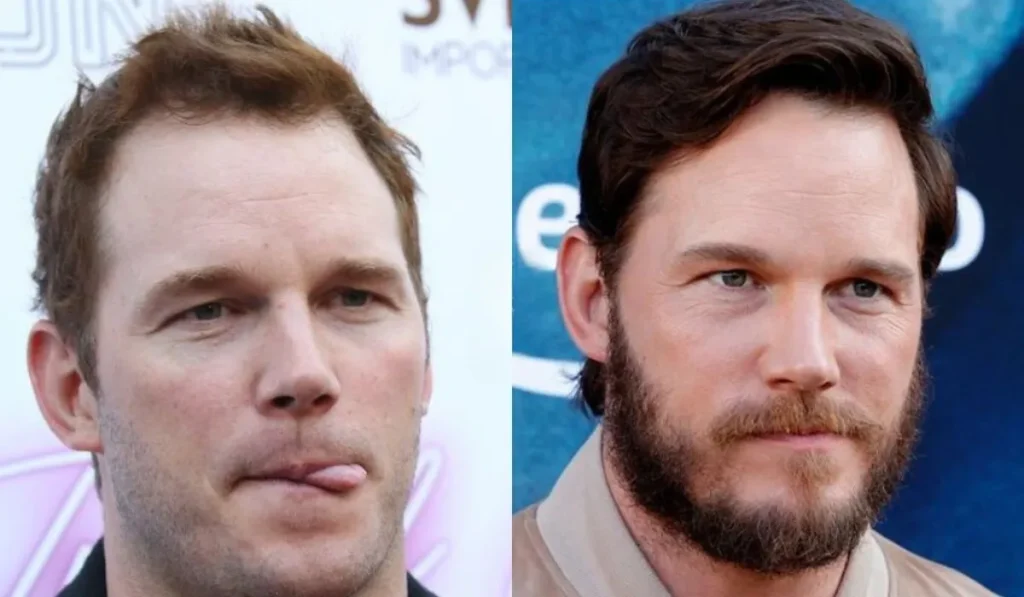
What we can do is look at visible changes over time and explain what they suggest.
What do the visible changes show?
When comparing Chris Pratt hair before and after, several patterns appear.
- His hairline looks more defined in later years
- The temple areas appear less recessed
- The frontal density looks stronger on camera
These are features often seen in successful celebrity hair transplant results. At the same time, these changes can also be explained by non-surgical factors.
Possible explanations besides surgery
Several factors can create a similar improvement.
- Professional styling and volume techniques
- Weight loss, which can change facial proportions
- Hair thickening products or fibers on set
- Lighting and camera angles that enhance density
So while the result looks consistent with a refined hairline, it is not proof of surgery.
If it were a transplant, what would it likely look like?
If a Chris Pratt hair transplant had been performed, it would likely be:
- Subtle, focused on temple and frontal density
- Age-appropriate, not overly low or straight
- Designed to blend with his existing hair
This is the same approach clinics use for men in their 30s dealing with early recession.
Dr. Gökay Bilgin explains: “For younger patients, the goal is a natural frame that ages well, not a low, aggressive hairline.”
In the next section, we’ll break down Chris Pratt hair before and after transformation, so you can see exactly what changed and what stands out visually.
Chris Pratt hair before and after (transformation analysis)
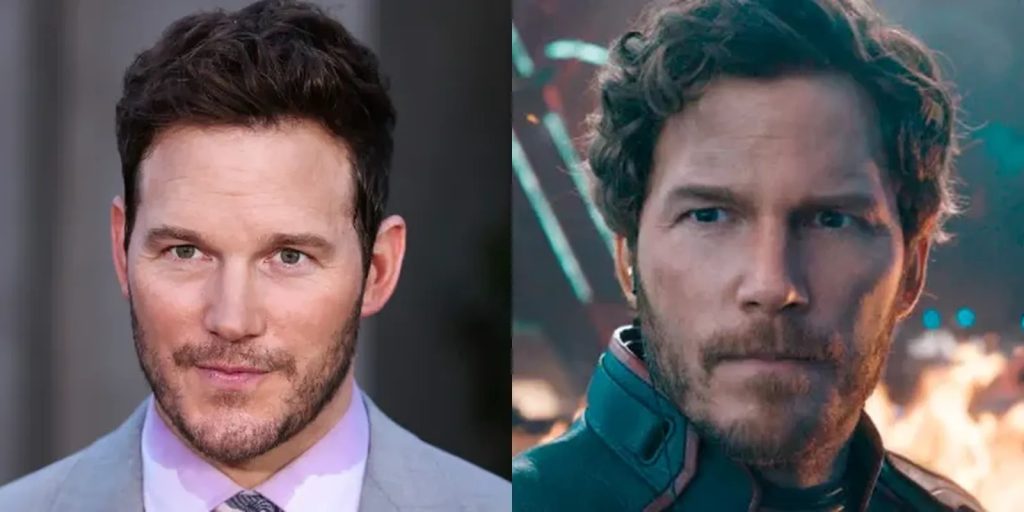
To understand the Chris Pratt hair transplant discussion, it helps to follow his hairline over time. The change is not sudden. It develops gradually across different roles and appearances.
Early career: softer hairline with early recession
In his early years, especially during the first seasons of Parks and Recreation, his hairline showed typical early male pattern changes.
- Mild temple recession
- Slightly rounded, less defined frontal edge
- Natural density behind the hairline
At this stage, the look was still full, but the corners had started to open. This is the phase when many men begin searching for hair transplant for receding hairline men.
Mid-career: thinning becomes more visible
As his career progressed, especially in certain interviews and public appearances, you can notice subtle thinning.
- The temple corners appear more open
- Frontal density looks lighter under bright lighting
- The overall frame of the face looks less defined
These changes are very common for men in their early to mid 30s.
Later transformation: sharper and denser hairline
In later roles, especially around the Guardians of the Galaxy era, the change becomes noticeable.
- The hairline looks more structured and even
- Temple areas appear filled in or less recessed
- Frontal density looks stronger and more uniform
Importantly, the hairline still looks natural. It does not sit too low or look overly dense.
What visually changed the most
Across the timeline, three elements stand out:
- A more defined frontal hairline
- Improved temple framing
- Better density distribution in the front zone
These are exactly the areas targeted in modern celebrity hair transplant before and after cases.
Dr. Firdavs Ahmedov explains: “When we see improved temple definition and frontal density with a natural shape, it often reflects careful design rather than aggressive change.”
Does his hairline show signs of a hair transplant?
When people search Chris Pratt hair transplant, they’re really asking if his current hairline shows patterns that match surgical restoration. Doctors look at shape, density, and how the hair blends over time. From public images alone, you can’t confirm a procedure. You can, however, assess whether the look is consistent with one.
Hairline shape and temple closure patterns
A restored hairline often shows a cleaner outline with soft irregularities.
- The frontal edge looks more structured than earlier years
- Temple corners appear less recessed, but not fully closed
- The overall shape stays age-appropriate, not too low
In Chris Pratt’s recent appearances, the hairline looks more defined and stable than during mid-career years. That pattern is consistent with a conservative, natural design.
Density distribution: front vs crown
Clinics often prioritize the frontal third for visual impact.
- Frontal density appears stronger and more uniform
- The mid-scalp blends naturally with existing hair
- No abrupt “wall of density” that looks artificial
This gradient is typical of modern FUE hair transplant planning or Sapphire FUE channel work.
Direction, angle, and flow
Natural results depend on how hair grows, not just where.
- Frontal hairs angle slightly forward and down
- Temple hair follows a softer, lateral direction
- Flow matches the native swirl and parting
These details are achievable with careful placement, often using DHI hair transplant style implantation for precision.
What we can and cannot conclude
From photos alone:
- The look is consistent with subtle restoration
- It could also be influenced by styling, lighting, and grooming
- There is no confirmed statement of surgery
Dr. Ali Osman Soluk explains: “Images can suggest patterns, but only a clinical exam confirms a transplant. What matters is understanding why a result looks natural.”
If he had a transplant, what technique would fit?
If you assume a Chris Pratt hair transplant scenario, the most likely approach would be modern FUE hair transplant with detailed frontal work. The goal would be a clean, natural hairline with balanced density, not an overly aggressive change.
FUE hair transplant for temple and frontal restoration
For a younger actor with early recession, FUE hair transplant is usually the preferred option.
- Individual graft extraction leaves minimal visible scarring
- Grafts can be placed to restore temple areas and frontal density
- The result blends naturally with existing hair
This method fits patients who want flexibility with hairstyles and a subtle improvement.
Sapphire FUE for dense and refined channels
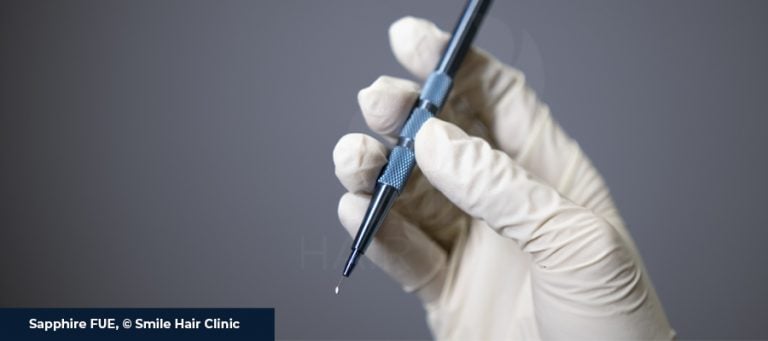
Sapphire FUE can be used in the channel creation stage to support tighter spacing and cleaner incisions.
- Allows refined placement in the frontal zone
- Helps create a more defined but still natural hairline
- Supports even density distribution without harsh edges
This kind of refinement is often seen in celebrity hair transplant results.
DHI placement for hairline precision
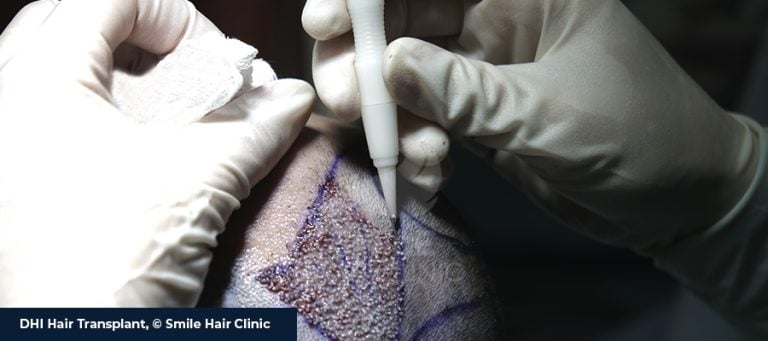
For the front hairline, DHI hair transplant style implantation can be used for detail work.
- Implanter pens control angle, direction, and depth
- Useful for soft, irregular hairline edges
- Helps blend new grafts with native hair
This is where the natural look is created.
Estimated graft numbers for a similar result
Based on visible changes in Chris Pratt hairline, a typical plan might include:
- 1500–2000 grafts for temple and frontal refinement
- Up to 2500 grafts if mid-scalp blending is needed
The exact number depends on donor density and hair characteristics.
Why conservative design matters in younger patients
For men in their 30s, planning must consider future hair loss.
- Hairline is not placed too low
- Donor area is preserved for later years
- Density is balanced for long-term realism
Dr. Mehmet Erdoğan explains: “In younger patients, we design a hairline that will still look natural ten or fifteen years later.”
Hair transplant for men in their 30s
Interest in Chris Pratt hair transplant often comes from men in their 30s noticing the same early changes. Temple recession. Slight thinning at the front. A hairline that feels less defined on camera and in photos.
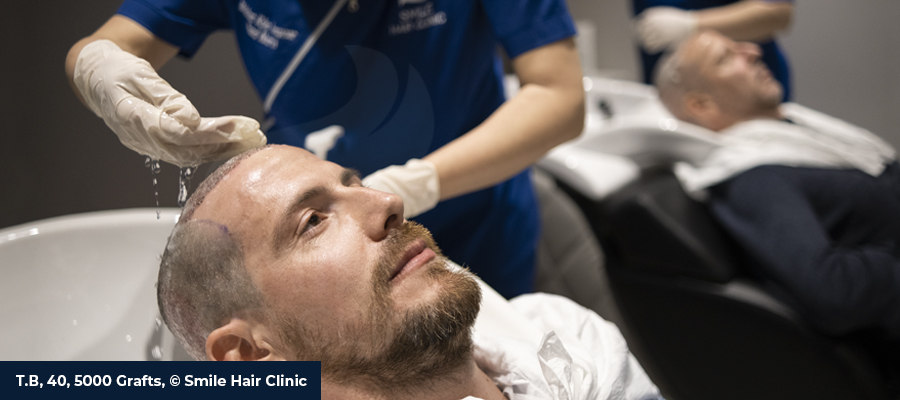
The good news is this stage is very treatable. The key is planning carefully so the result still looks natural years later.
Early recession and donor planning
In your 30s, hair loss may still progress.
- The donor area is evaluated for long-term capacity
- A lifetime graft budget is estimated
- Only the necessary number of grafts is used initially
This protects you from overcorrecting too early.
Conservative vs aggressive hairline design
A lower, dense hairline can look good in the short term. It can look unnatural later if hair loss continues.
For most patients in their 30s:
- The hairline is restored slightly, not drastically
- Temple corners are softened, not fully closed
- Density is focused on visual framing of the face
This is the same balanced approach often seen in Chris Pratt hairline changes.
Blending transplanted and native hair
Younger patients usually still have a good amount of native hair.
- Grafts are placed between existing hairs
- Angles match natural growth patterns
- Density builds gradually from front to mid-scalp
This creates a natural transition without harsh lines.
Medical support for ongoing thinning
A transplant does not stop hair loss.
- Medical therapy may be recommended to stabilize native hair
- Follow-up checks monitor progression
- A second small session can be planned later if needed
Smile Hair Clinic planning approach for younger patients
At Smile Hair Clinic, every case follows the True™ Philosophy. Planning focuses on long-term balance, not just immediate density.
Dr. Gökay Bilgin explains: “For patients in their 30s, we design a result that will still look natural in their 40s and 50s.”
What makes Chris Pratt’s hair look natural
When people search Chris Pratt hair transplant, they usually react to one thing. His hair looks natural. It frames his face well, fits his age, and doesn’t look overdone. That effect comes from design choices that are subtle but very intentional.
Hairline height that fits facial proportions
The first detail is where the hairline sits.
- The hairline is not pushed too low
- The temples are softened, not fully closed
- The shape follows his facial structure
This keeps the look believable in close-up shots.
Density gradient instead of uniform thickness
Natural hair is not evenly dense across the front.
- Slightly lighter density at the very front edge
- Gradual increase moving backward
- No harsh transition between zones
This gradient creates visual fullness without looking artificial.
Angle and direction of hair growth
How hair grows matters as much as where it grows.
- Frontal hairs angle slightly forward
- Temple hairs follow a more lateral direction
- Growth pattern blends with existing hair flow
This is what makes styling look effortless.
Balanced temple framing
Temple areas are often the most noticeable in early recession.
- Partial closure gives a stronger frame to the face
- Keeping some natural openness avoids a “wig-like” look
This balance is a key part of celebrity hair transplant before and after cases.
Long-term planning for future hair loss
A natural result must age well.
- Donor grafts are preserved for future needs
- Hairline design allows for gradual changes over time
- Density is planned to stay consistent as native hair changes
At Smile Hair Clinic, these principles guide every case.
Dr. Firdavs Ahmedov explains: “A natural result is a combination of proportion, direction, and restraint. When those align, the hair simply looks right.”
Similar celebrity hair transplant cases
When readers explore Chris Pratt hair transplant, they often compare his look with other actors who improved their hairline. This comparison shows an important lesson. There is more than one way to design a successful result.
Subtle, conservative celebrity results
Many actors choose a natural, almost unnoticeable change.
- Hairline sits at a mature, age-appropriate level
- Temple recession is softened, not fully closed
- Density increases slightly in the frontal zone
These results are often hard to detect. People notice the actor looks fresher, but they cannot point to a clear reason. This is similar to how Chris Pratt hairline appears today.
More defined, noticeable restorations
Other celebrities choose a stronger visual transformation.
- Lower hairline position
- More aggressive temple closure
- Higher density across the front
These designs can look striking, especially in photos. They may also be easier to notice when compared to older images.
What this comparison means for you
Looking at celebrity hair transplant before and after cases shows there is no single correct design. The right plan depends on:
- Your age and facial structure
- Your hair characteristics and donor capacity
- Your personal preference for subtle or stronger change
For men in their 30s, a balanced, conservative plan often ages better over time.
Smile Hair Clinic design approach
At Smile Hair Clinic, the focus is on harmony with your face and future.
- Hairline design follows natural facial proportions
- Density is distributed for realistic coverage
- Donor area is protected for long-term needs
Dr. Ali Osman Soluk explains: “We use the same principles seen in successful celebrity cases, but we adapt them to each patient’s unique features.”
FAQs about Chris Pratt hair and hair transplant results
Did Chris Pratt confirm having a hair transplant?
There is no public confirmation that Chris Pratt had a hair transplant. Any discussion online is based on visual comparison of his hairline over time, not a confirmed statement or medical record.
Why does Chris Pratt’s hair look fuller now?
Several factors can create a fuller appearance.
- Professional styling and grooming
- Weight loss and facial changes that affect proportions
- Hair thickening products used for filming
- Lighting and camera angles that enhance density
A hair transplant is one possible explanation, but it is not confirmed.
If he had a hair transplant, what method would likely be used?
For a natural, age-appropriate result like his, clinics usually use FUE hair transplant or Sapphire FUE for extraction, with precise frontal placement similar to DHI hair transplant techniques.
How many grafts would be needed for a Chris Pratt–style result?
For a similar hairline restoration men look, many patients need between 1500 and 2500 grafts, depending on temple recession, density goals, and hair characteristics.
Is it safe to have a hair transplant in your 30s?
Yes, many men in their 30s are suitable candidates. The plan must be conservative and consider future hair loss so the result stays natural over time.
How natural can a modern hair transplant look?
With modern techniques and careful design, results can look very natural when:
- The hairline is age-appropriate
- Density is balanced rather than excessive
- Angles and direction match natural hair growth
A well-designed transplant should not be obvious.
How long do hair transplant results last?
Transplanted hair is typically permanent. The donor hairs are genetically resistant to hair loss. However, native hair around the transplant area may continue to thin over time, so long-term planning is important.
Can I achieve a similar result to Chris Pratt?
In many cases, yes, if your donor area and hair characteristics are suitable. A consultation is needed to evaluate graft availability, hairline design, and long-term planning for your specific case.
Get a Chris Pratt–style natural hairline designed for you
If the Chris Pratt hair transplant look is what you’re aiming for, the next step is a plan that fits your face, your hair, and your long-term goals. At Smile Hair Clinic, your journey starts with a detailed medical assessment and a design built for natural results.
What you’ll receive in your consultation
- A personalized graft estimate based on your donor capacity
- A natural, age-appropriate hairline design
- A clear recommendation between FUE hair transplant, DHI hair transplant, or Sapphire FUE
- A step-by-step procedure and recovery timeline
- Transparent pricing and treatment options
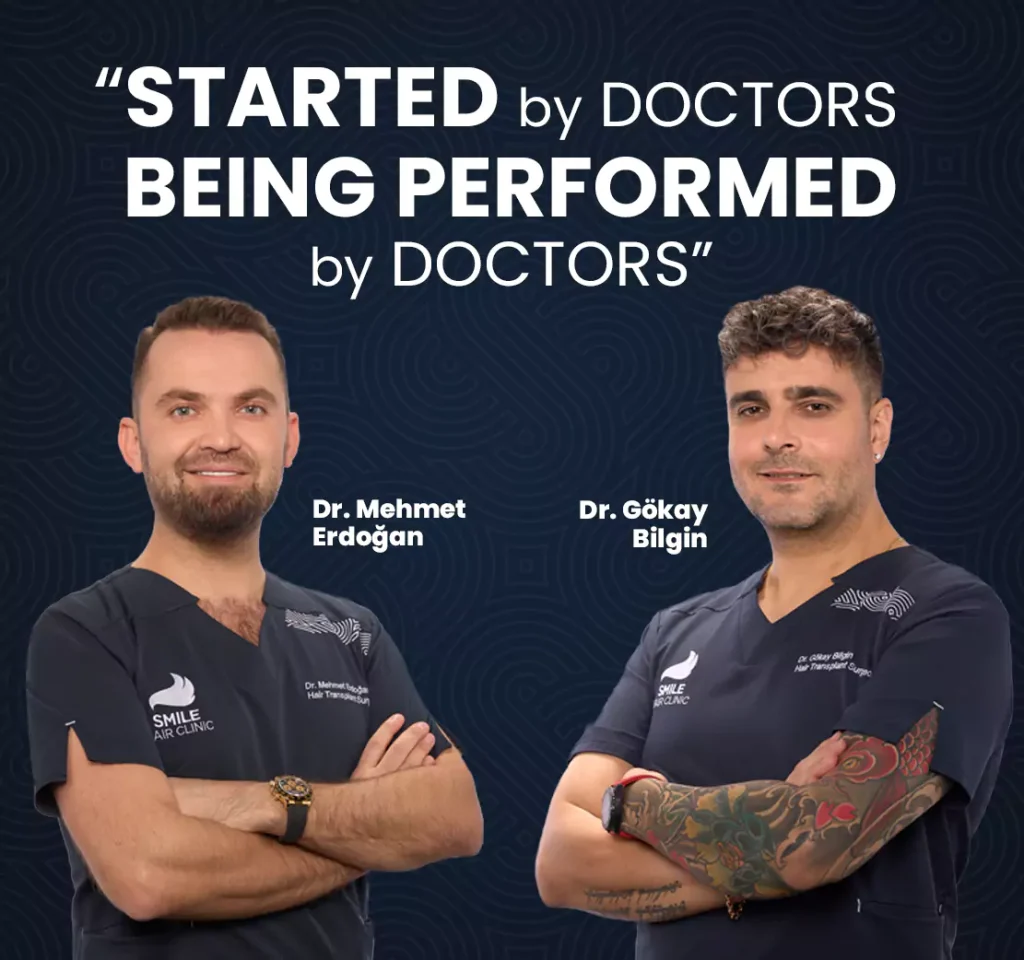
The Smile team, led by Dr. Gökay Bilgin and Dr. Mehmet Erdoğan, focuses on long-term harmony so your result still looks right years from now.
“We design results that improve your appearance without looking obvious,” says Dr. Bilgin.
Start with a free medical assessment
Send your photos and receive your personalized plan within 24–48 hours.
You’ll know what is possible, how many grafts you need, and which technique will deliver the most natural outcome.
Contact Smile Hair Clinic today and take the first step toward a confident, natural-looking hairline tailored to you.
