Search interest around zach bryan hair transplant has grown quickly. Fans notice a sharper hairline on stage. Photos circulate from recent concerts. Online comments suggest surgery. The reality is less clear.
There is no verified confirmation that Zach Bryan had a hair transplant. No clinic statement. No doctor disclosure. No direct comment from the artist. What we have are images, timelines, and speculation. That is not medical proof.
This guide gives you something more useful than guesses. It shows how to evaluate before and after hairline claims with a clinical mindset. You will learn how a mature hairline vs early hair loss looks in men in their twenties and early thirties. You will see how styling, lighting, and grooming can change perceived density overnight. You will also understand what a real transplant plan would require if surgery were involved.
Many readers arrive with the same question: “Could my hairline be changing like this too?” That is a valid concern. Early male pattern hair loss often begins with temple recession and hair miniaturization. Yet many men also develop a stable mature hairline without progressive loss.
We use the Zach Bryan case as a reference point. Not to confirm a rumor, but to explain possibilities. You will see procedure scenarios, non-surgical explanations, and a timeline of real transplant results.
The goal is clarity. You should leave with a better understanding of your own hairline and your next step.
Did Zach Bryan get a hair transplant?

Short answer. No confirmation exists. Searches for zach bryan hair transplant and did zach bryan get a hair transplant are driven by photos and fan reactions, not medical disclosure.
What is actually confirmed
- No public statement from Zach Bryan about a procedure
- No clinic or surgeon has claimed involvement
- No documented medical timeline with controlled photos
Media pieces often reference a “new look” seen during recent shows, which sparked hair transplant rumors. That is where the story starts and ends for now.
Why fans think something changed
People compare zach bryan hairline before and after images from concerts and social media. Some frames show a stronger frontal edge and less visible temple recession. This can look dramatic. It does not prove surgery.
Common reasons these comparisons mislead:
- Different haircuts and length
- Stage lighting and camera angle
- Use of texture products or styling powders
- Natural variation in hair growth cycles
Hair density and scalp visibility can shift based on grooming, moisture, and lighting. These variables alone can create a “before/after” effect.
What would count as real evidence
A verified transplant case typically includes:
- A named clinic and physician
- A clear procedure type such as FUE or DHI
- Consistent before and after medical photos
- A visible growth timeline over several months
Without these, the status remains unconfirmed.
Dr. Gökay Bilgin often explains to patients that celebrity rumors set unrealistic expectations. A real treatment plan starts with your own donor capacity and long-term pattern, not someone else’s photo.
The safest conclusion is simple. The case remains speculation.
The evidence checklist for before/after photos
Before deciding that zach bryan hair transplant rumors are true, use a simple, clinical-style checklist. It keeps you grounded and helps you read images the way surgeons do.

Angles and lighting
Small technical changes can reshape what you see:
- A slightly higher camera angle makes the forehead look larger
- Wide lenses exaggerate temple recession
- Soft front lighting fills gaps; overhead lighting deepens shadows
- Wet or sweaty hair separates strands and reveals scalp
Two photos taken minutes apart can look like different hairlines.
Haircut and styling
Styling can create instant density:
- Forward fringe hides the corners
- Texture powders lift roots and reduce scalp contrast
- Fibers and concealers fill the frontal band
- A slick-back exposes the temples
Many zach bryan hairline before and after posts compare different styles, not the same setup.
Hairline geometry
Natural hairlines are not perfectly straight. They have small irregularities and soft corners.
When comparing images, check:
- The temple points and corner rounding
- The micro-irregular edge of the frontal line
- Whether the line sits age-appropriate for the face
Lines that look too straight or too low are often the result of styling or camera compression, not new grafts.
Density patterns and growth cycle
Density can appear fuller without surgery:
- Shedding phases end and hair looks thicker
- Shorter cuts can increase perceived coverage
- Strong side lighting can make density look higher
Dr. Mehmet Erdoğan explains that a real transplant follows a gradual pattern over months. Sudden density jumps in a single week rarely match surgical timelines.
Mature hairline vs early hair loss
Many zach bryan hair transplant discussions start with one assumption. A slightly higher hairline must mean hair loss. That is not always correct. A large number of men transition from a teenage hairline to a mature hairline in their twenties. It looks different. It can stay stable for years.
Normal maturation pattern
A mature hairline typically shows:
- Gentle softening at the temples
- Slight elevation of the frontal edge
- Even density behind the first row of hairs
The line becomes more natural and less juvenile. It does not continue receding quickly.
Early androgenetic alopecia indicators
Early hair loss follows a different pattern:
- Noticeable thinning and miniaturization at the temples
- Gradual widening of the corners over time
- Reduced hair caliber in the frontal zone
- A family history of similar recession patterns
These changes progress slowly. They do not appear overnight.
Grooming and styling effects that mimic thinning
Hairline appearance can change due to grooming habits:
- Bleaching or frequent coloring weakens hair shafts
- Tight hairstyles can cause traction at the temples
- Shorter cuts can expose areas that looked hidden before
- Slick styles reveal recession that fringe styles conceal
Dr. Firdavs Ahmedov often explains to patients that the same person can look like they lost density or gained density depending on how the hair is styled that day.
This is why zach bryan hairline before and after images can be misleading. Without controlled photos, you are comparing styling choices as much as biology.
Understanding this difference helps you decide whether you are seeing natural maturation or actual hair loss.
If it were a transplant, what procedure fits the pattern?
When people search zach bryan hair transplant, the next step is practical. If a procedure did happen, which technique would match the changes people think they see? This helps you separate realistic options from guesswork.
FUE, Sapphire FUE and DHI
Most modern cases use FUE hair transplant. Individual grafts are extracted and placed into the front. It allows natural distribution and leaves minimal, hard-to-detect marks.
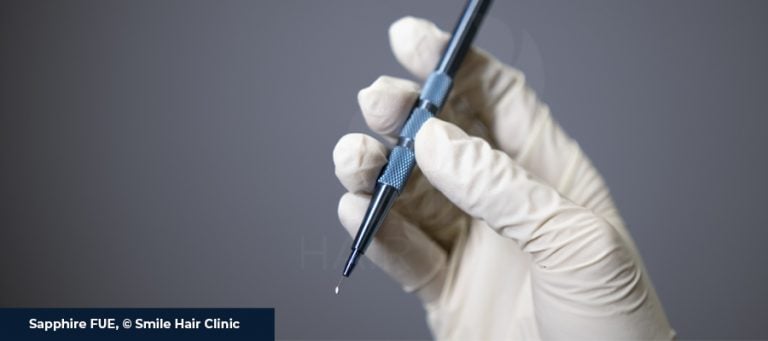
Sapphire FUE is a refined version of FUE. It uses sapphire blades to create recipient channels. This allows more precise incisions and can help achieve tighter channel spacing and natural angles.
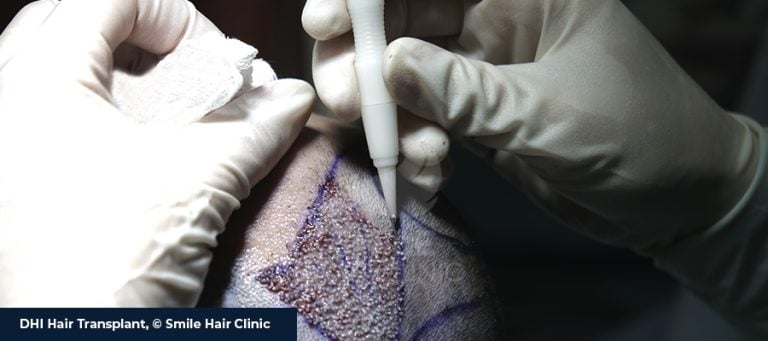
DHI hair transplant uses a pen-like implanter for direct placement. It gives strong control over direction and angle in the frontal hairline, especially useful in smaller, detailed areas.
The choice between FUE, Sapphire FUE, and DHI depends on donor strength, hair caliber, and the final design. It is not based on trends or celebrity styles.
Temple reinforcement vs hairline lowering
Two different surgical goals can create a similar visual effect:
- Temple reinforcement fills the corners and reduces recession
- Hairline lowering brings the frontal edge slightly forward
Lowering the hairline too aggressively can look unnatural with age. Reinforcing temples needs precise angulation to keep the hairline soft and irregular.
Dr. Ali Osman Soluk explains that a balanced, age-appropriate design always outperforms a low, straight line copied from photos.
Graft count estimates and why they vary
You may see numbers like “1800–2400 grafts” linked to zach bryan before and after hair transplant posts. In practice, graft needs depend on:
- Hair thickness and curl pattern
- Existing density
- Size of the frontal zone
- Donor capacity
Without a clinical evaluation, any number online remains an estimate.
Donor area clues people misread
Some viewers try to spot signs in the donor area. This rarely works. Short hair, lighting, and camera compression can hide small extraction points.
Dr. M. Reşat Arpacı notes that protecting the donor for future use is part of responsible planning. A natural result should look consistent over time, not just in a single comparison photo.
Non-surgical explanations that can look like a transplant
Searches for zach bryan hair transplant often assume surgery is the only explanation. In reality, several non-surgical factors can make a hairline look fuller in a short time.
Medications that improve density appearance
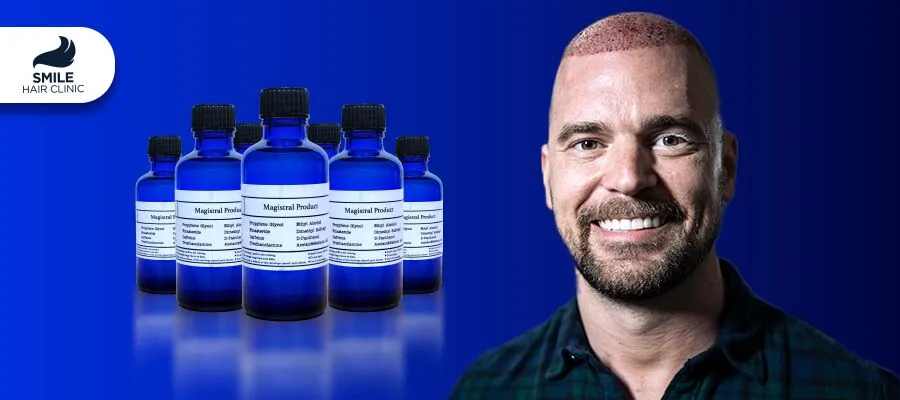
Two common treatments can change how the hairline looks:
- Finasteride can slow or stabilize hair loss and preserve existing follicles
- Minoxidil can thicken miniaturized hairs and improve overall density
These treatments do not create new hairlines. They can make the frontal zone look fuller, especially in photos with good lighting and styling.
Dr. Mehmet Erdoğan explains that patients often notice visible thickening after consistent use for several months. This alone can be mistaken for a transplant in online comparisons.
PRP and supportive therapies
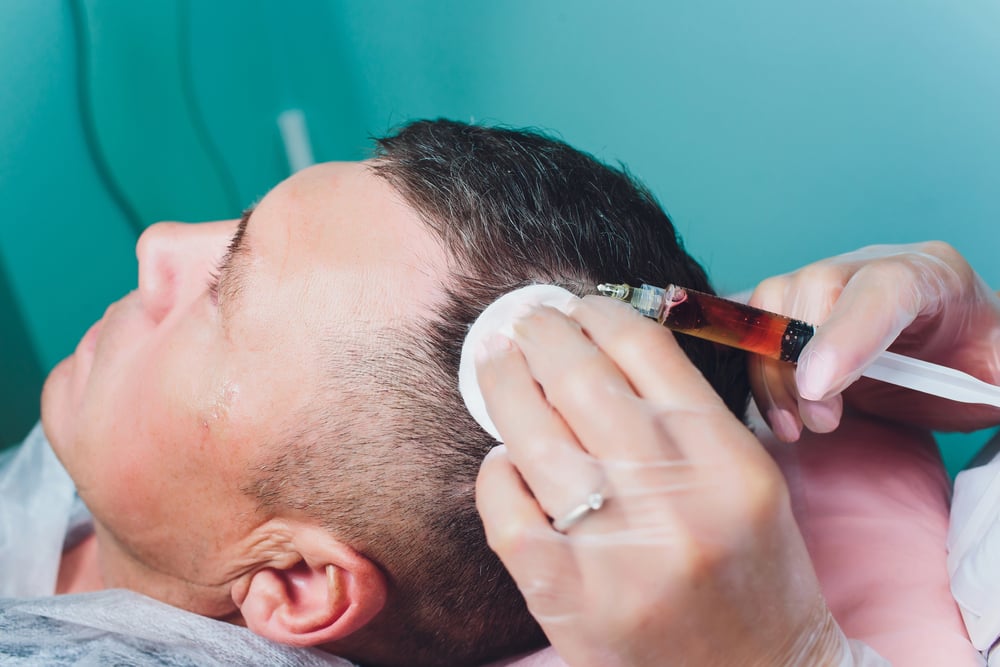
PRP therapy uses growth factors from your own blood to support hair quality. It is often used together with medication.
Possible effects include:
- Stronger hair shafts
- Reduced shedding
- Improved scalp health
These changes can increase how dense the hairline appears without surgery.
Dr. Firdavs Ahmedov notes that PRP can enhance existing follicles but does not create new grafts or change the hairline position.
Styling, haircut and visual density tricks
A large part of zach bryan hairline before and after discussions comes down to styling differences.
Simple changes can create a major visual shift:
- Forward fringe hides temple recession
- Texturizing powder lifts hair at the root
- Hair fibers reduce scalp contrast
- Shorter sides make the top appear fuller
- Stage lighting can enhance density on camera
Dr. Gökay Bilgin often reminds patients that two photos taken on the same day can look like a transformation if styling and lighting differ.
These factors show how a fuller hairline can appear without any procedure. Before assuming surgery, consider whether non-surgical elements explain what you see.
What a surgeon evaluates before recommending treatment
If you’re researching zach bryan hair transplant, the most useful question is not what he did. It is what a real surgeon would check before advising you. A responsible plan is built on biology, not photos.
Donor density and hair caliber
The donor area determines what is possible.
- Donor density shows how many grafts can be safely taken
- Hair caliber (thickness and texture) affects how much coverage each graft gives
- Color contrast between hair and scalp influences visual density
Thicker, wavy hair with low contrast often creates better coverage with fewer grafts.
Dr. Mehmet Erdoğan explains that strong donor capacity is the foundation of any long-term result.
Miniaturization mapping and pattern stability
A proper consultation includes mapping the strength of follicles across the scalp.
- Areas with miniaturization may still respond to medication
- Stable zones may be suitable for transplantation
- Unstable patterns may require treatment before surgery
Dr. Firdavs Ahmedov notes that many young patients benefit from stabilizing loss first, rather than rushing into surgery.
Long-term planning and age-appropriate design
Hair loss is progressive. A hairline must look natural years later.
A surgeon considers:
- Your age and facial proportions
- Expected future recession pattern
- A design that stays balanced over time
Dr. Gökay Bilgin emphasizes that copying a celebrity hairline can create an unnatural look later if future loss is not planned for.
Common mistakes patients make
When people compare zach bryan hairline before and after photos, they often:
- Focus only on the front, ignoring the crown and future loss
- Ask for very low, straight hairlines
- Choose based on price alone
- Skip medical treatment that could stabilize hair
Dr. Ali Osman Soluk reminds patients that protecting the donor for life is part of ethical planning. A well-designed, conservative approach creates results that look natural in everyday life, not just in staged photos.
Timeline of real transplant results
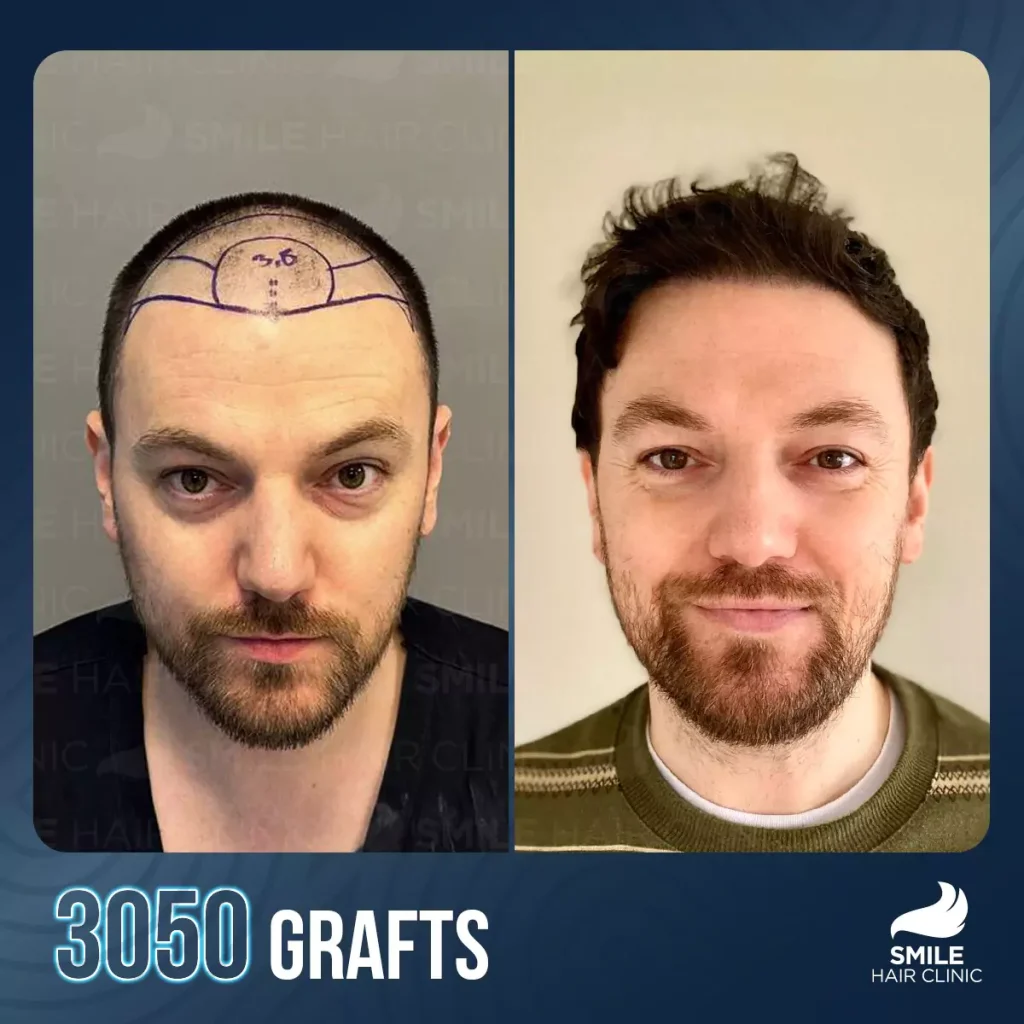
When people search zach bryan hair transplant, they often expect instant change. Real hair transplant results follow a gradual, predictable timeline. Understanding it helps you judge photos more realistically.
Week 1–2: healing phase
The first days focus on recovery:
- Small scabs form around each graft
- Redness fades within a few days
- Gentle washing begins after medical instruction
- Physical activity and sun exposure are limited
At this stage, the hairline looks intact but fragile.
Month 1–3: shedding stage
This is where confusion starts.
- Transplanted hairs shed from the shaft
- The scalp may look similar to before surgery
- Some patients worry the procedure failed
This shedding is normal. The follicles remain alive beneath the skin.
Dr. Firdavs Ahmedov explains that this stage is expected and temporary. New growth follows.
Month 4–6: early regrowth
Fine new hairs begin to appear:
- Thin, soft strands grow in the frontal zone
- Coverage increases gradually
- Texture may feel different at first
At this point, the change becomes noticeable but not final.
Month 7–9: visible density
The hairline becomes more defined:
- Hair thickens and darkens
- The shape of the frontal edge is clearer
- Styling becomes easier without concealment
Month 10–12 and beyond: final maturation
Most patients reach their final look within 10–12 months.
- Density reaches its planned level
- Hair blends with existing follicles
- The result looks natural in daily life
Dr. Mehmet Erdoğan reminds patients that week-to-week comparisons are misleading. Real progress appears over months.
This timeline is important when reviewing zach bryan before and after hair transplant claims. Sudden changes seen in a short time rarely match the biology of transplanted hair.