

Searches for “justin bieber hair transplant” keep climbing. Photos circulate, timelines get debated, and headlines promise answers. Yet, no verified statement confirms any procedure. That matters. Celebrity rumors can set unrealistic expectations for people already worried about thinning or a changing hairline.
This guide takes a different path. We won’t guess. We’ll show you how to evaluate claims like a clinician would. You’ll learn what a normal mature hairline looks like, how early loss presents, and why lighting and styling can mislead. You’ll also see which treatments can create a fuller look without surgery, and what a real transplant plan would require if someone did pursue one.
Hair changes in your twenties and early thirties are common. Medications such as finasteride and minoxidil can stabilize or thicken hair in certain patterns. These facts often explain “before and after” shifts that look dramatic online.
We’ll use the Justin Bieber hairline before and after discussion as a case study. Not to confirm a rumor, but to teach you how to think clearly. If you’re considering a procedure, you deserve a grounded plan, realistic density goals, and a surgeon who explains trade-offs.
Did Justin Bieber confirm a hair transplant?
Short answer first. There is no public confirmation that Justin Bieber had a hair transplant. No clinic, no surgeon, no statement from Bieber himself. What we have are photos, timelines, and opinions. That is not proof.
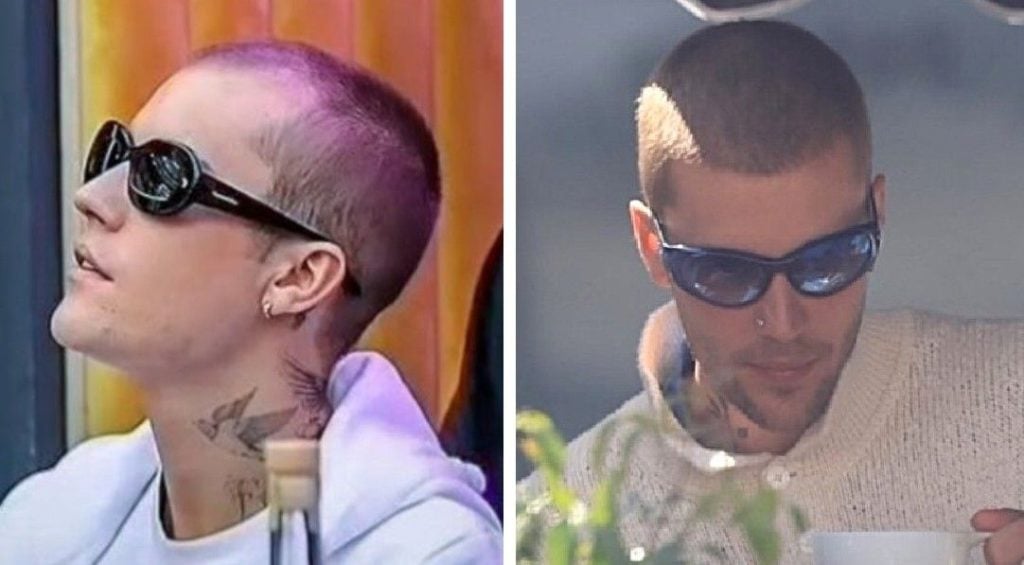
What we can say with confidence
- Unconfirmed status: Searches like “did justin bieber get a hair transplant” are based on speculation, not verified medical records.
- Hairline changes can happen naturally: Many men develop a mature hairline in their late twenties. The temples soften, the frontal edge refines. This pattern is common and does not always indicate progressive loss.
- Non-surgical factors can shift appearance: Hair length, color, humidity, and camera angle can change how density looks in photos.
Why “before and after” photos are not proof
Photos online are rarely standardized. Small differences can create a big visual effect:
- Angle and lens: Wide lenses make the forehead look larger. Close angles compress density.
- Lighting and shadows: Harsh top light deepens temple recession. Soft front light fills it in.
- Hair styling: Forward fringe, texture powder, and fibers can create a denser edge instantly.
- Timing: Hair grows in cycles. A photo taken three months apart can look fuller without any procedure.
What would count as real evidence
A credible case usually includes:
- A surgeon or clinic disclosure with dates and technique (FUE, DHI, etc.)
- Consistent medical photos taken under controlled conditions
- A clear growth timeline over 6–12 months
Without these, the safest position remains unconfirmed.
Dr. Gökay Bilgin often reminds patients that celebrity photos set a “moving target.” A proper plan starts with your donor capacity, hair caliber, and long-term pattern, not a single hairline photo online.
The evidence checklist
Before you decide that “justin bieber hair transplant” rumors are true, use a simple, clinical-style checklist. It keeps you grounded and protects you from reading too much into photos.
Angle, lighting, wet hair, and lens distortion
Small technical shifts can change everything:
- Camera angle: A slightly higher angle exaggerates forehead size and temple depth.
- Lens choice: Wide lenses stretch the frontal zone; close lenses compress it.
- Lighting direction: Overhead light creates shadows in the corners; soft front light fills them.
- Hair condition: Wet or gelled hair separates strands and reveals scalp; dry, textured hair looks denser.
These factors explain many “justin bieber hairline before and after” posts that look dramatic but aren’t controlled comparisons.
Hairline geometry: temples, corners, and the “too-straight” trap
Natural male hairlines have soft, irregular micro-angles. Transplanted lines that are too straight or too low can look artificial over time. When you compare images:
- Look for temple point shape and corner rounding.
- Check if the frontal edge follows a natural, slightly uneven pattern.
- Notice if the hairline appears lower than typical for age and ethnicity.
Density patterns: why the front can look fuller overnight
Front zones can appear fuller quickly due to:
- Styling direction (forward fringe)
- Thickening products or fibers
- Temporary shedding phases ending, making hair look denser again
Density alone does not confirm a procedure.
Growth cycles: why results change month to month
Hair grows in cycles. Even without surgery, you can see visible shifts across weeks. Shedding and regrowth phases can change coverage in short periods, which often explains “sudden improvement” claims.
Dr. Mehmet Erdoğan explains that a real transplant follows a predictable timeline with shedding, regrowth, and gradual thickening over 6–12 months. Photos that show instant density changes without that timeline rarely reflect a surgical result.
Use this checklist each time you see a new claim. It will help you separate visual illusion from medically consistent outcomes.
Mature hairline vs early male pattern hair loss
Many “justin bieber hair transplant” claims start with a simple assumption: any temple change equals hair loss. That is not always true. A large share of men move from a teenage hairline to a mature hairline in their twenties. It looks like mild temple softening, with a slightly higher, more refined front edge. It can stay stable for years.
What a normal mature hairline looks like in late 20s and early 30s
A mature hairline usually shows:
- Gentle temple recession, not deep triangular loss
- A natural, slightly uneven front edge, not perfectly straight
- Stable density behind the hairline, without visible miniaturization
This pattern is common and does not always progress to androgenetic alopecia. Many people see small changes, then stability.
Signs that point more toward androgenetic alopecia
Early male pattern hair loss often presents differently:
- Miniaturized hairs along the frontal band and temples
- Progressive widening of the corners over time
- Family history of similar patterns
- Increased shedding and reduced caliber in the affected zones
In clinic, surgeons confirm this with trichoscopy and density mapping, not photos. Miniaturization and pattern distribution as key diagnostic features before any transplant is planned.
Styling, bleaching, traction: when grooming mimics thinning
Frequent styling can change how the hairline looks:
- Bleaching and heat can weaken shafts, making edges appear thinner
- Tight styles can create traction-related thinning at the temples
- Forward fringe cuts can hide corners; slick-back styles expose them
Dr. Firdavs Ahmedov often explains to patients that what they see online may be a mix of grooming choices and lighting, not true loss. He advises documenting your own hairline with consistent photos every three months before deciding on medication or surgery.
Understanding this difference helps you interpret “justin bieber hairline before and after” images with more accuracy. It also helps you decide whether you need treatment at all.
If it were a procedure, what types fit the “Justin Bieber” rumor pattern?
If someone claims a “justin bieber hair transplant”, the next step is to ask which technique would actually match the look people point to in photos. This keeps the discussion grounded in real surgical options rather than vague assumptions.
FUE vs DHI
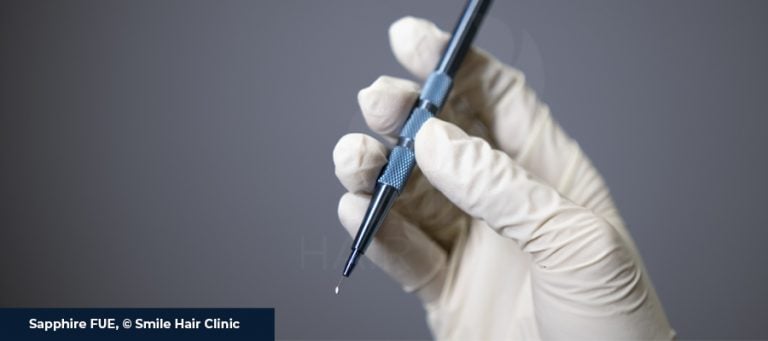
Most modern celebrity cases, when they do occur, use FUE (Follicular Unit Extraction). It takes individual grafts from the donor area and places them into the front. It leaves tiny dot scars that are hard to detect with short hair.
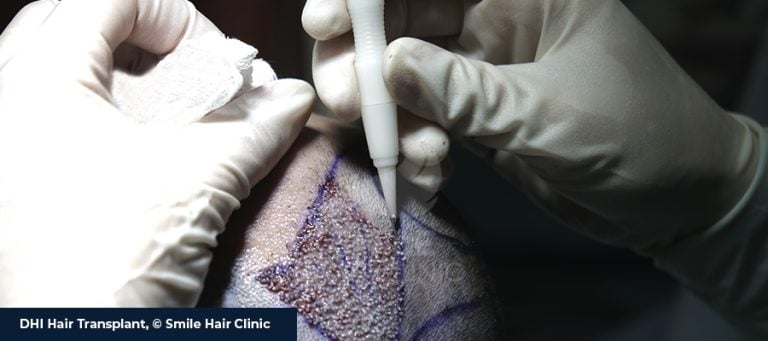
DHI (Direct Hair Implantation) is a variation of FUE. It uses a pen-like implanter for placement, which can help with angle and direction control in the hairline.
Technique choice depends on donor quality, hair caliber, and long-term planning, not trends or celebrity styles.
Temple reinforcement vs hairline lowering
Photos online often focus on the front edge. Two different goals can create similar-looking changes:
- Temple reinforcement: filling the corners to reduce recession
- Hairline lowering: bringing the frontal edge slightly forward
Each has different risks. Lowering the hairline too much can look unnatural as you age. Reinforcing temples requires careful angle work to avoid a “pluggy” look.
Dr. Ali Osman Soluk notes that surgeons design hairlines to age well over decades. He warns patients against chasing very low, straight lines they see online.
Graft count logic: why numbers online are guesses
You will see claims like “2,000 grafts” or “3,000 grafts” tied to “justin bieber hairline before and after” posts. In reality, graft needs vary widely:
- Hair caliber (thick vs fine)
- Native density
- Area size and shape
- Donor capacity
Without an in-person assessment, any graft number is an estimate at best.
Scars and donor clues people misread online
People often try to “spot scars” in paparazzi photos. This is unreliable. Short hair, lighting, and compression hide small FUE marks easily. Even with FUT, a well-healed scar can be hard to detect at certain lengths.
Dr. M. Reşat Arpacı explains that ethical practice focuses on preserving donor resources for the future. Overharvesting for a quick visual result creates problems years later. That long-term view is what separates a sustainable plan from a short-term cosmetic fix.
Non-surgical explanations that can look like a transplant
Searches for “justin bieber hair transplant” often assume surgery is the only way to change a hairline. In practice, several non-surgical options can create a visibly fuller front, sometimes within weeks. Understanding these helps you interpret “justin bieber hairline before and after” photos more carefully.
Finasteride and minoxidil: what they can and can’t do
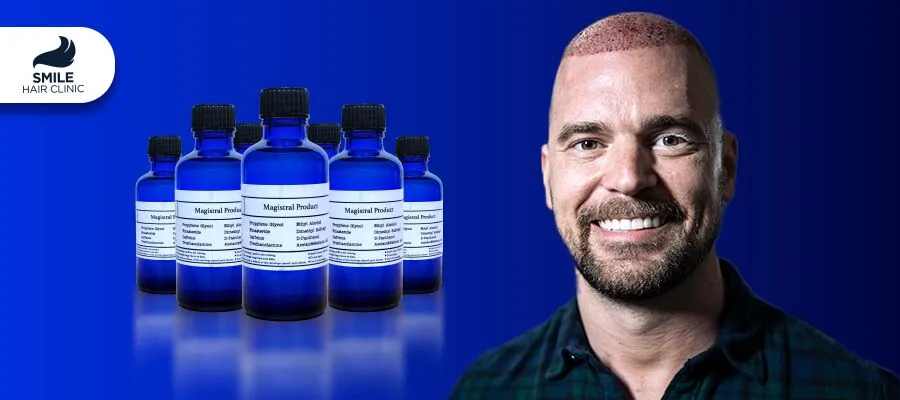
Two medications appear in many clinic protocols:
- Finasteride reduces DHT, the hormone linked with androgenetic alopecia. It can slow loss and help maintain existing density.
- Minoxidil increases blood flow and can thicken miniaturized hairs over time.
Results vary by person and pattern. These treatments do not lower the hairline or create new follicles. They can make the frontal band look denser, which may be mistaken for a transplant in photos.
Dr. Mehmet Erdoğan tells patients that consistent use for 6–12 months is needed to judge results, and stopping treatment often leads to reversal of gains.
PRP and PRF: realistic expectations
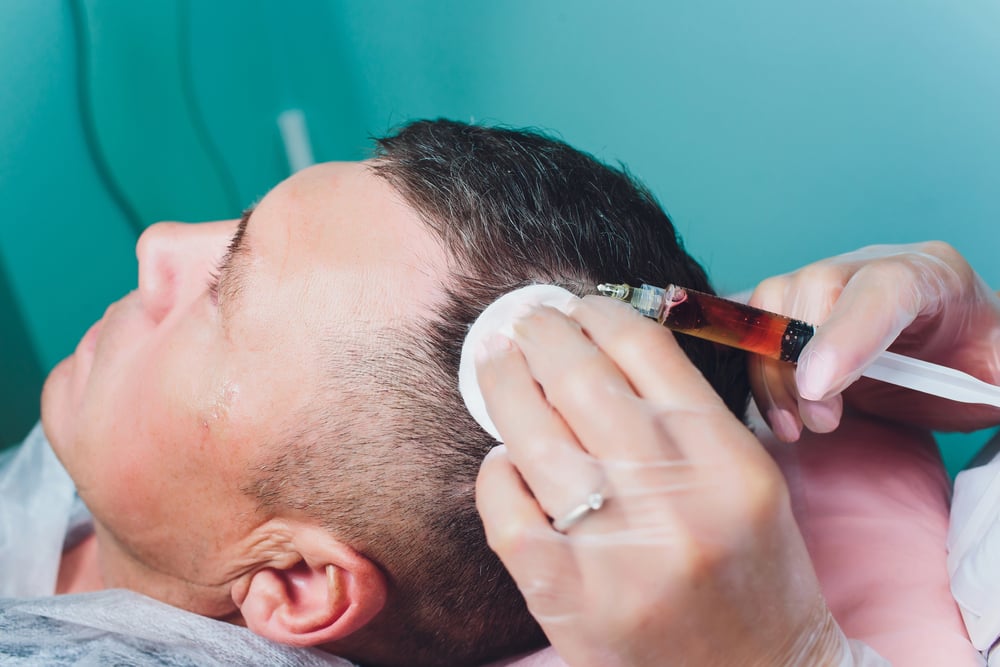
Platelet-Rich Plasma (PRP) and Platelet-Rich Fibrin (PRF) use growth factors from your own blood. They are used as supportive therapies:
- Can improve hair shaft quality
- May reduce shedding in some cases
- Best used alongside medical therapy, not as a stand-alone solution
Clinical reviews show mixed outcomes. They can help certain patients, yet they do not recreate a new hairline.
Dr. Firdavs Ahmedov explains that PRP can make the front look healthier and thicker under strong lighting, which may be read online as “new grafts.”
Fibers, concealers, hair systems, and strategic cuts
Immediate visual density can come from styling tools:
- Keratin fibers and scalp concealers attach to existing hair and reduce contrast with the scalp
- Texturizing powders create lift at the root
- Hair systems or partial units can reshape the front temporarily
- Haircuts like a forward fringe hide temple recession; slick-back styles reveal it
Dr. Gökay Bilgin often reminds patients that photos taken with different styling can change the perceived density dramatically within the same week.
Taken together, these factors show how a fuller hairline can appear without surgery. Before assuming a procedure, check whether medication, supportive treatments, or styling choices could explain the change you see.
What a reputable surgeon would evaluate before recommending anything
If you’re searching “justin bieber hair transplant” and wondering what a real plan looks like, a reputable clinic starts with assessment, not promises. The goal is a result that still looks natural years later.
Donor capacity, hair caliber, miniaturization, and long-term planning
A proper consult covers four pillars:
- Donor capacity: how many safe grafts you can use without visible thinning at the back and sides
- Hair caliber and color contrast: thicker, wavier hair with low scalp contrast can achieve better coverage with fewer grafts
- Miniaturization mapping: identifying weak follicles in the frontal band and temples to decide between medication, transplant, or both
- Long-term plan: anticipating future loss so the design still looks balanced at 35, 45, and beyond
Dr. Mehmet Erdoğan explains that many young patients do not need immediate surgery. Stabilizing loss first often produces a better long-term outcome.
Why “celebrity density” can be a bad goal
Photos online often show high density under controlled lighting. Replicating that look is not always realistic or healthy for your donor:
- Overpacking grafts can reduce blood supply and affect growth
- Chasing very low, straight hairlines can age poorly
- Using too many grafts early can limit future options
Dr. Gökay Bilgin advises designing a conservative, natural hairline that blends with your face and ages well, rather than copying a single image from a celebrity.
Common mistakes to avoid
Patients researching “justin bieber hairline before and after” often fall into these traps:
- Ignoring future loss patterns and focusing only on today’s front
- Overharvesting the donor area for a quick visual result
- Skipping medical therapy that could stabilize ongoing thinning
- Choosing based on price alone without checking physician involvement and aftercare
Dr. Ali Osman Soluk notes that ethical planning protects your donor for life. A careful design, realistic density, and a clear maintenance plan lead to results that hold up on camera and in everyday life.
Timeline: what real hair transplant recovery and growth looks like
When people search “justin bieber hair transplant”, they often expect instant density. Real results follow a predictable timeline. Understanding it helps you judge photos and set realistic expectations.
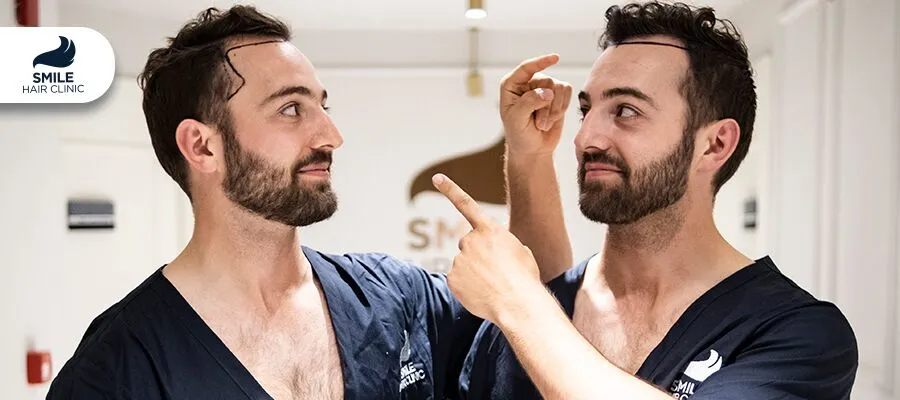
Week 1–2: healing and early care
- Small scabs form around each graft
- Mild redness and swelling fade within days
- Gentle washing begins as advised by your clinic
- No gym, no sun exposure, no friction on the grafts
Early care protects graft survival and reduces complications.
Month 1–3: shedding phase
- Transplanted hairs often shed
- The scalp can look similar to pre-op again
- This stage is normal and temporary
Dr. Firdavs Ahmedov explains that this “shock shedding” is expected. The follicles stay alive under the skin.
Month 4–6: new growth begins
- Fine hairs start to appear in the front
- Texture can be thin or slightly wiry at first
- Coverage improves gradually each month
Medications like minoxidil may support the growth phase.
Month 7–9: visible density builds
- Hairs thicken and darken
- The hairline shape becomes clearer
- Styling becomes easier without camouflage
Month 10–12+: maturation
- Most patients see final shape and density by 10–12 months
- Some continue to improve up to 15 months, especially in the crown
Dr. Mehmet Erdoğan reminds patients that comparing photos week to week can be misleading. Monthly comparisons show the true trend.
When a revision is considered
A second session may be planned if:
- Density goals require more grafts
- Future loss creates new gaps
- The first session focused only on the frontal zone
A careful plan from the start reduces the need for revisions and preserves donor capacity for the future.
Cost, location, and safety
When you search “justin bieber hair transplant”, cost questions follow quickly. Prices vary widely. What matters more is what you actually receive for that price and how safe the process is.
What drives cost: surgeon time, grafts, technique, aftercare
Four elements shape the final price:
- Surgeon involvement: direct planning, hairline design, and key steps performed by a physician
- Graft count and session size: more grafts mean more time and resources
- Technique choice: FUE and DHI require different tools and placement time
- Aftercare and follow-up: washing sessions, medications, remote check-ins, and long-term support
Global cost differences often reflect labor, facility overhead, and medical tourism policies. The Republic of Türkiye Ministry of Health and USHAŞ outline licensing and patient pathways for international care. Those frameworks aim to standardize safety and patient rights.
Dr. Gökay Bilgin notes that a clear treatment plan with defined graft ranges and follow-up is a better value signal than a low headline price.
Clinic vetting checklist: licensing, physician involvement, follow-up plan
Before booking, confirm these basics:
- Official licensing and compliance with national health regulations
- Named physician responsible for design and key surgical steps
- Transparent graft plan with realistic density goals
- Documented aftercare protocol and reachable support after you return home
Professional bodies like the International Society of Hair Restoration Surgery (ISHRS) encourage patients to verify credentials and ask who performs each step of the procedure.
Red flags: guarantees, unrealistic graft counts, anonymous teams
Be cautious if you see:
- “Guaranteed density” claims
- Very high graft numbers offered without examining your donor
- Unclear team roles or no named surgeon
- No long-term plan for future hair loss
Dr. Ali Osman Soluk advises patients to prioritize donor safety and long-term design over quick fixes. A responsible plan protects your options for the future and keeps results natural in everyday life, not just in curated photos.
FAQs about Justin Bieber Hair Transplant
Did Justin Bieber confirm a hair transplant?
No. There is no verified public confirmation from Justin Bieber, a surgeon, or a clinic. Online discussions are based on photo comparisons and opinion. Without documented medical disclosure, the safest position remains unconfirmed.
How many grafts would a mild hairline change require?
It depends on hair caliber, native density, and the size of the area. A small temple reinforcement might require far fewer grafts than a full hairline lowering. Without examining donor density and miniaturization, any number shared online is an estimate at best.
Can medication alone make the hairline look fuller?
Yes, in some cases. According to the American Academy of Dermatology (AAD), medications like finasteride and minoxidil can stabilize loss and thicken miniaturized hairs. This can create a visibly denser frontal band without surgery, especially under favorable lighting and styling.
Which technique leaves the least visible scarring?
Modern FUE hair transplant techniques leave small dot scars that are often difficult to detect, particularly with short hair. FUT leaves a linear scar. Visibility depends on healing, hair length, and surgical technique, as described in clinical overviews in StatPearls (NCBI).
How long does it take to see real transplant results?
Most patients see early growth around month four. Noticeable density builds between months seven and nine. Final maturation typically occurs around 10–12 months. Instant density changes in photos do not match normal biological timelines.
Can you copy a celebrity hairline exactly?
No responsible surgeon guarantees that. Hairline design must fit your facial structure, age, donor capacity, and long-term loss pattern. Dr. Mehmet Erdoğan explains that copying a low, straight celebrity hairline without long-term planning can look unnatural as you age.
Book your personalized hair assessment at Smile Hair Clinic
You don’t need to rely on “justin bieber hair transplant” headlines to decide your next step. You can get a clear, doctor-led plan built around your own hair.
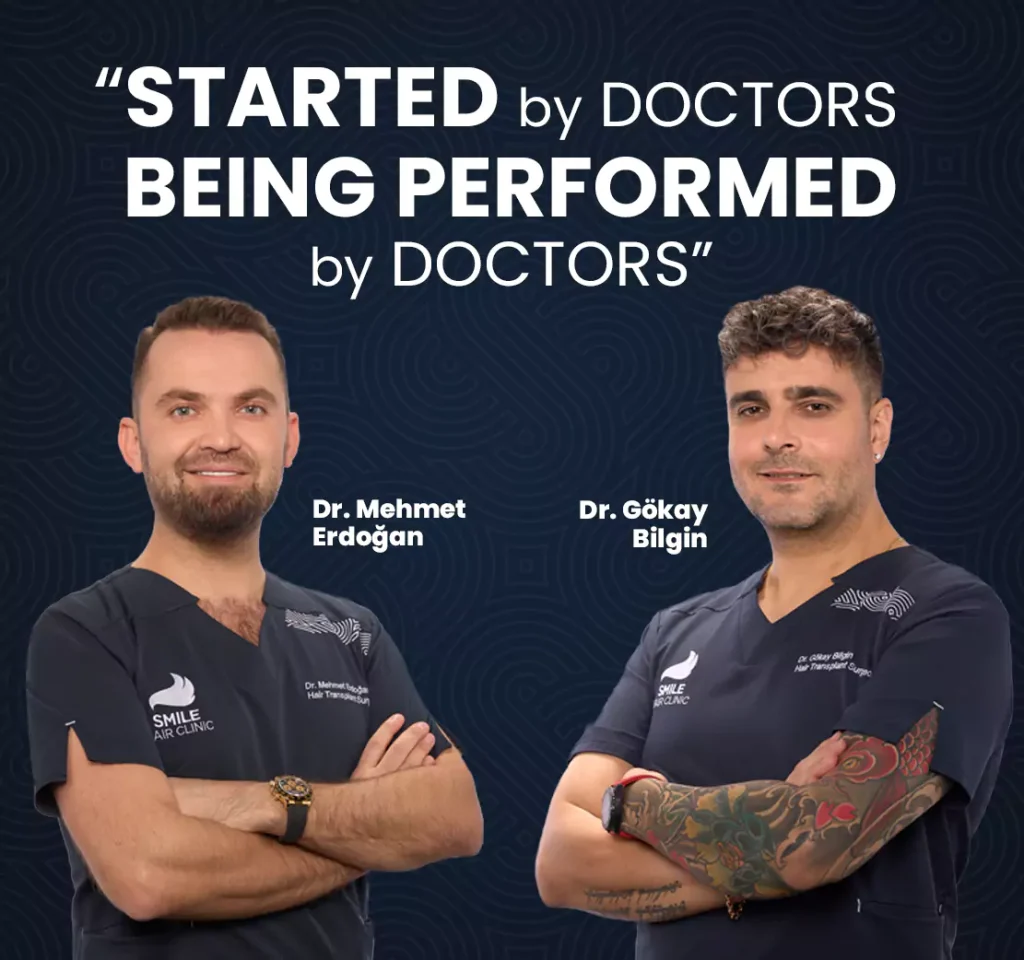
At Smile Hair Clinic, every case follows the True™ Philosophy. It means calm, careful design, doctor-led procedures, and a long-term view that protects your donor and your future look.
What your consultation includes
- A doctor-reviewed diagnosis of your hairline, temples, and crown
- A clear path: medical treatment, transplant, or a combined plan
- A refined hairline design that suits your face and will age well
- A realistic graft range and density plan based on your donor
- A simple timeline for recovery, growth, and follow-up
Dr. Gökay Bilgin and Dr. Mehmet Erdoğan focus on natural aesthetics and balanced density. Dr. Firdavs Ahmedov, Dr. Ali Osman Soluk, and Dr. M. Reşat Arpacı plan each case with long-term stability in mind. Your procedure is led by doctors, with careful control over angle, direction, and placement.
A calm, supported journey
From your first message to your final check-in, the team supports you through a holistic experience. Comfortable transfers, a well-organized clinic day, clear aftercare, and ongoing follow-up once you return home. The aim is simple: comfort, refinement, and a result that feels like you.
Some patients arrive with worry. They leave with a plan.
Start your assessment
- Share clear photos of your front, temples, crown, and donor area
- Receive a doctor-led evaluation and honest recommendations
- Discuss design, technique (FUE or DHI), and schedule
- Move forward only if it fits your goals
If you want clarity instead of speculation, request your consultation with Smile Hair Clinic today. Your plan should be built on your biology, your goals, and a result that still looks natural years from now.
