

If you’re searching “how long does a hairline fracture take to heal”, you’re likely dealing with pain, uncertainty, or a recent diagnosis. The first thing most people want is a clear timeline.
A hairline fracture healing time is typically around 4 to 8 weeks. However, that range can vary depending on the location of the fracture, how early it was treated, and how well you follow recovery guidelines. This is where confusion often starts.
Some people expect it to heal in a couple of weeks. Others worry it will take months. The truth sits in between, and it becomes clearer when you understand how bone healing actually works. A stress fracture healing time is not identical for everyone. Several factors influence recovery:
- the location of the fracture, such as foot, leg, or arm
- how much stress continues on the area
- overall health and bone condition
- whether proper rest and treatment are followed
For example, a foot fracture may take longer simply because it weight daily.
A hairline fracture, also called a stress fracture, is a small crack in the bone. It usually develops from repeated stress rather than a single injury. This is why many people experience:
- localized pain that worsens with activity
- tenderness in a specific area
- mild swelling
These hairline fracture symptoms often build gradually, which can delay diagnosis.
Instead of just giving a number, this guide will explain:
- realistic hairline fracture healing time
- what happens week by week
- how different body areas heal
- what speeds up or delays recovery
“Hairline fractures heal well in most cases, but recovery depends heavily on reducing stress on the affected area.”
— Dr. Mehmet Erdoğan, Smile Hair Clinic
So the real question is not just how long it takes. It’s how you manage the healing process. Let’s start with the basics.
What Is a Hairline Fracture?
To understand how long does a hairline fracture take to heal, it helps to first understand what this type of injury actually is. Many people hear the term and assume it is a minor issue, but it still requires proper care.
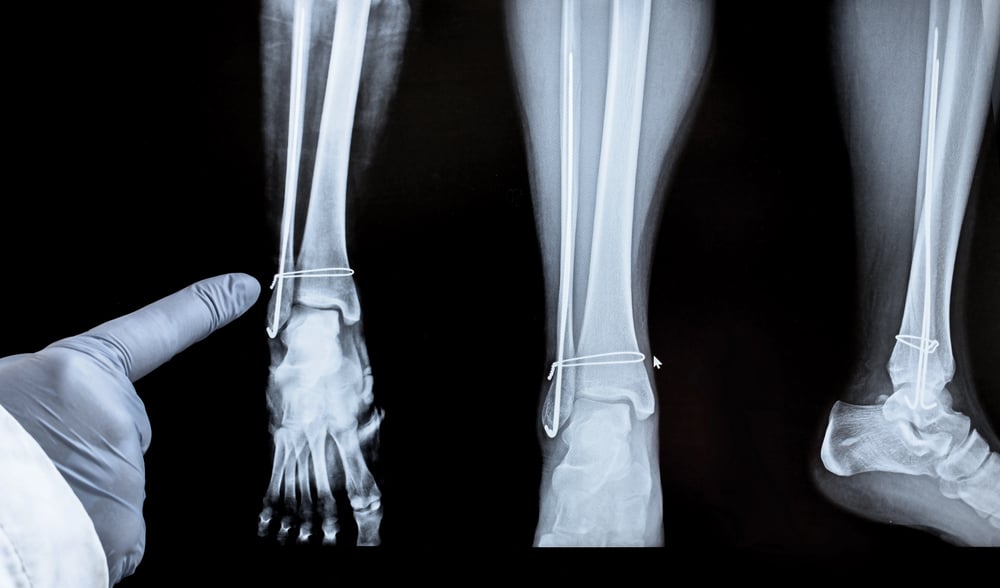
A hairline fracture, often called a stress fracture, is a small crack in the bone. Unlike a full break, the bone does not completely separate. Instead, the damage develops gradually, usually from repeated stress or overuse.
How Hairline Fractures Happen
Most stress fracture cases are not caused by a single accident. They build over time when the bone is exposed to repeated pressure without enough recovery.
Common causes include:
- repetitive activities like running or jumping
- sudden increase in physical activity
- improper footwear or training technique
- weakened bones due to nutritional or health factors
This is why athletes and active individuals are more likely to experience this type of injury.
How It Feels
The symptoms can be subtle at first, which makes early detection harder.
Typical hairline fracture symptoms include:
- localized pain that worsens with activity
- tenderness when pressing on the area
- mild swelling
- discomfort that improves with rest but returns with use
Because the pain is not always severe, many people continue normal activity, which can delay healing.
Why It Should Not Be Ignored
Even though the fracture is small, the bone still needs time to repair itself. Continuing to stress the area can worsen the crack and extend the hairline fracture healing time.
In some cases, it can even progress into a more serious fracture.
A hairline fracture is an early warning.
It signals that the bone is under more stress than it can handle.
“Stress fractures are often underestimated because they develop gradually. Early rest and proper care are key to preventing longer recovery times.”
— Dr. Gökay Bilgin, Smile Hair Clinic
Now that the injury is clear, the next step is understanding the timeline.
How Long Does a Hairline Fracture Take to Heal?
If you’re asking how long does a hairline fracture take to heal, the most accurate answer is this. Most cases heal within 4 to 8 weeks, but the exact timeline depends on several factors.
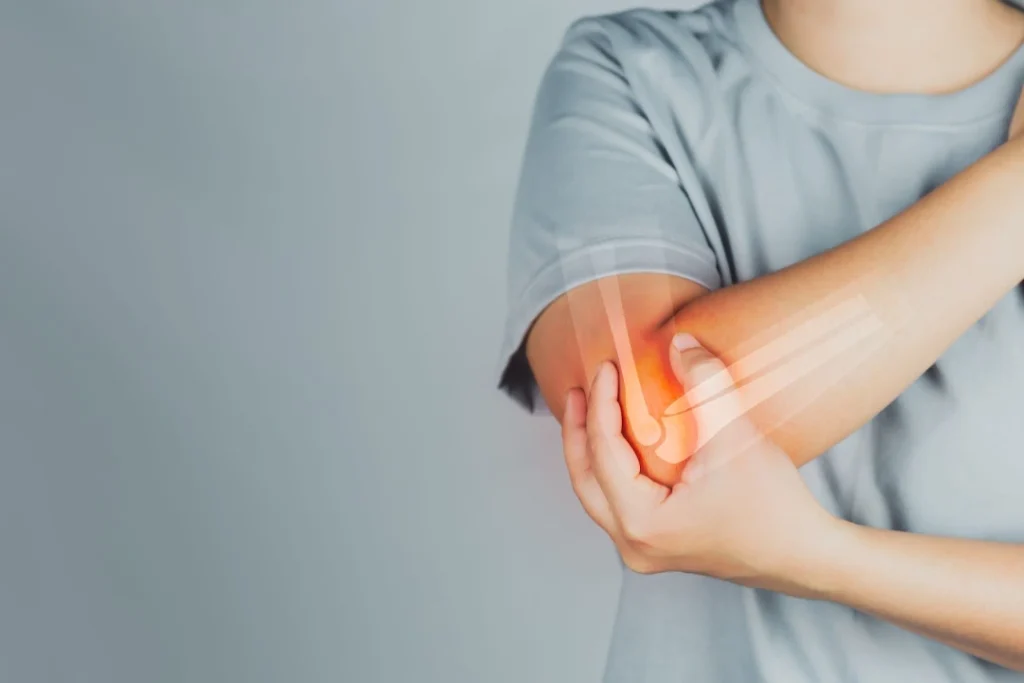
This range reflects how bone tissue repairs itself. Even though the fracture is small, the healing process still follows a structured biological cycle.
Average Healing Timeline
In general:
- mild cases may improve within 4 weeks
- most fractures heal between 6 to 8 weeks
- more stressed areas may take longer
This is why hairline fracture healing time is often described as variable rather than fixed.
What Affects Healing Time
Not all fractures heal at the same speed. Several factors influence recovery.
These include:
- location of the fracture, especially weight-bearing bones
- how much rest the area receives
- age and overall health
- bone strength and nutrition
For example, a foot hairline fracture or tibia stress fracture often takes longer because these areas تحمل daily pressure.
Why Rest Is So Important
One of the biggest factors is activity level during recovery.
If you continue stressing the area:
- healing slows down
- pain persists longer
- risk of worsening increases
This is why many doctors emphasize limiting activity early.
Can It Heal Faster?
People often search can hairline fracture heal in 2 weeks.
In most cases, that is unlikely. Bone healing requires time, and rushing the process can delay recovery rather than speed it up.
A realistic way to think about it:
- early improvement happens in weeks
- full healing takes over a month
- complete recovery depends on proper care
“Hairline fractures usually heal well within several weeks, but consistent rest and gradual return to activity are essential for proper recovery.”
— Dr. Firdavs Ahmedov, Smile Hair Clinic
So while the timeline is predictable, the outcome depends on how you manage it.
Hairline Fracture Healing Timeline (Week by Week)
Understanding how long does a hairline fracture take to heal becomes much clearer when you break it down into stages. Bone healing is not a single event. It progresses step by step, and each phase has its own role.
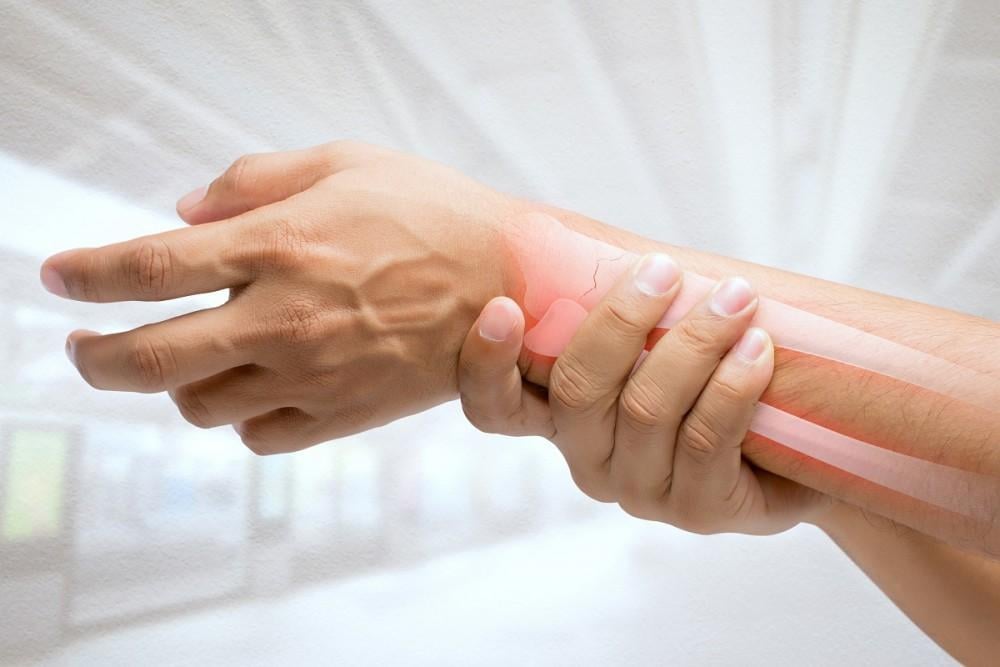
Week 1: Inflammation and Protection
In the first week, the body reacts immediately to the injury.
You may experience:
- localized pain and tenderness
- mild swelling
- discomfort with movement or pressure
During this stage, the body starts forming a protective response around the fracture. Blood flow increases, and the healing process begins at a cellular level.
Rest is especially important here. Continuing activity can extend the stress fracture healing time.
Weeks 2–3: Early Repair Phase
The body begins forming new bone tissue.
Pain may:
- decrease slightly at rest
- still return with activity
- remain noticeable under pressure
At this stage, the fracture is not yet stable. Even though symptoms may feel improved, the bone is still vulnerable.
This is where many people make a mistake by returning to activity too early.
Weeks 4–6: Strengthening Phase
The new bone structure becomes stronger.
You may notice:
- reduced pain during daily movement
- improved comfort while walking
- less sensitivity in the affected area
This aligns with typical hairline fracture healing time, where visible improvement becomes more consistent.
However, the bone is still remodeling. It is not fully restored.
Weeks 6–8: Consolidation Phase
By this stage, the fracture is close to healing.
Most people experience:
- minimal pain
- near-normal function
- increased tolerance to activity
Gradual return to normal movement is usually possible, depending on the location.
Healing is not linear. Feeling better early does not mean the bone is fully healed.
A practical way to think about it:
- early phase reduces pain
- middle phase builds structure
- later phase restores strength
“Patients often feel better before the bone is fully healed. Respecting each stage of recovery helps prevent setbacks.”
— Dr. Ali Osman Soluk, Smile Hair Clinic
Does Location Affect Healing Time?
When asking how long does a hairline fracture take to heal, location is one of the biggest factors. Not all bones has the same stress, and that directly affects recovery time.
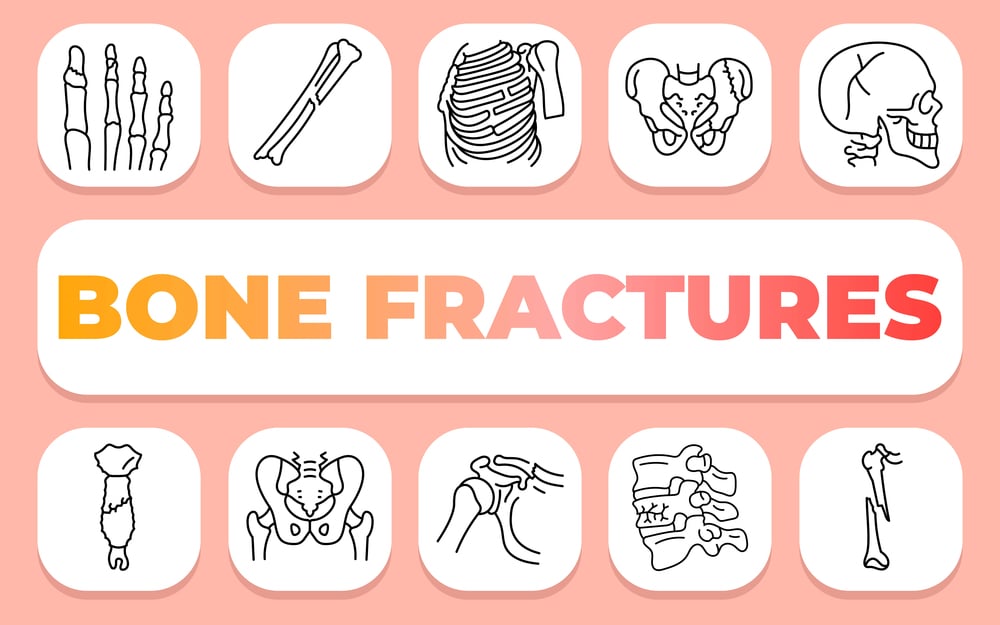
Some areas heal faster. Others require more patience.
Foot Hairline Fracture
The foot is one of the most common locations for stress fractures.
A foot hairline fracture often takes longer to heal because it has body weight during daily activities.
Typical timeline:
- around 6 to 8 weeks
- sometimes longer if walking is not reduced
Pain may return quickly if pressure is applied too early, which can extend the hairline fracture healing time.
Leg (Tibia) Stress Fracture
The tibia, or shin bone, also has significant stress.
A tibia stress fracture healing time is often:
- 6 to 10 weeks depending on severity
- longer if activity continues
Because this bone absorbs impact from walking and running, recovery requires careful load management.
Arm and Upper Body Fractures
Hairline fractures in the arm or upper body usually heal faster.
This is because:
- they are not constantly weight-bearing
- daily stress is lower compared to legs or feet
Typical healing time:
- around 4 to 6 weeks
These fractures often allow for earlier return to light activity.
Why Weight-Bearing Matters
The key difference between locations comes down to load.
- weight-bearing bones heal slower
- non-weight-bearing bones recover faster
This is why advice about walking on hairline fracture depends heavily on where the injury is.
A simple way to understand it:
- foot and leg: longer healing, more restrictions
- arm and upper body: faster recovery, less stress
“The more stress a bone تحمل during daily activity, the more carefully we need to manage recovery to avoid delaying healing.”
— Dr. Mehmet Erdoğan, Smile Hair Clinic
So healing time is not just about the fracture itself.
It’s about how much stress the area handles every day.
What Helps a Hairline Fracture Heal Faster?
If you’re dealing with a hairline fracture healing time that feels long, the natural question is how to support faster recovery. While you cannot shortcut bone healing completely, you can create the right conditions for it to progress efficiently.
Prioritize Rest and Load Management
The most important factor is reducing stress on the affected bone.
This means:
- avoiding activities that trigger pain
- limiting weight-bearing if the fracture is in the foot or leg
- using supportive devices if recommended
Ignoring this step is one of the main reasons stress fracture healing time becomes longer than expected.
Support Bone Healing With Nutrition
Bone repair requires specific nutrients.
Focus on:
- adequate protein intake
- calcium-rich foods
- vitamin D for proper absorption
These help the body rebuild bone tissue more effectively during recovery.
Gradual Return to Activity
Returning too quickly can reverse progress.
A safer approach:
- wait until pain significantly decreases
- reintroduce activity slowly
- monitor for any return of discomfort
This helps prevent setbacks that can extend the hairline fracture healing time.
Maintain Circulation Without Stress
Complete inactivity is not always necessary.
Light, safe movement can:
- support blood flow
- prevent stiffness
- aid recovery
The key is avoiding pressure on the injured area.
Avoid Common Mistakes
Small decisions can make a big difference.
Try to avoid:
- pushing through pain
- resuming exercise too early
- ignoring persistent symptoms
These can delay healing and increase the risk of a more serious injury.
Healing improves when stress is reduced and support is increased.
It is not about doing more. It is about doing the right things consistently.
“Bone healing depends on giving the body the right environment. Rest, nutrition, and gradual progression are the foundations of recovery.”
— Dr. Gökay Bilgin, Smile Hair Clinic
What Can Delay Healing?
Even though a hairline fracture healing time is usually predictable, certain factors can slow recovery significantly. In many cases, delays are not caused by the injury itself, but by how it is managed afterward.
Continuing Activity Too Early
This is the most common issue.
If you keep stressing the bone:
- the fracture cannot stabilize properly
- pain continues longer than expected
- healing may restart from an earlier phase
This is why people who ignore symptoms often experience extended stress fracture healing time.
Walking or Training Through Pain
Many people ask about walking on hairline fracture.
Light movement may be allowed in some cases, but pushing through pain is different. Pain is a signal that the bone is still under stress.
Repeated strain can:
- worsen the fracture
- increase inflammation
- delay recovery
Poor Nutrition and Low Bone Support
Bone healing requires resources.
If the body lacks:
- sufficient protein
- calcium
- vitamin D
the repair process can slow down. This is especially important in individuals with already weakened bone density.
Inconsistent Rest
Healing requires consistency.
Alternating between rest and high activity can confuse the recovery process. Even short periods of overuse can undo progress made during rest.
Delayed Diagnosis
Some people ignore early hairline fracture symptoms.
Without proper diagnosis:
- the fracture may worsen
- treatment starts later
- recovery time becomes longer
Smoking and Circulation Issues
Reduced blood flow slows healing.
Smoking, in particular, can:
- impair circulation
- reduce oxygen supply to bone tissue
- delay repair processes
A Practical Way to Avoid Delays
A simple approach helps:
- reduce stress early
- follow a consistent recovery plan
- respond to pain signals
“Most delayed healing cases come from continued stress on the bone. Protecting the area early makes recovery much more predictable.”
— Dr. Firdavs Ahmedov, Smile Hair Clinic
So healing is not just about time.
It is about avoiding setbacks.
Can You Walk or Exercise With a Hairline Fracture?
One of the most common concerns after diagnosis is simple. Can you keep moving, or do you need complete rest?
When thinking about how long does a hairline fracture take to heal, activity level plays a major role. The right balance can support recovery, but the wrong approach can delay it.
Can You Walk on a Hairline Fracture?
The answer depends on the location and severity. In some cases, limited walking is allowed, especially if:
- the fracture is not in a high-impact area
- pain is minimal during movement
- supportive footwear or protection is used
However, if walking causes pain, that is a clear signal to reduce activity. For weight-bearing areas like the foot or tibia, walking too much can extend the stress fracture healing time.
Exercise: What Is Safe?
High-impact activities should be avoided during healing. This includes:
- running
- jumping
- sports with sudden movements
These activities place repeated stress on the bone and can worsen the fracture. That said, not all movement is harmful.
Low-impact options may be possible, such as:
- upper body exercises
- gentle stretching
- non-weight-bearing activities
The key is avoiding stress on the injured area.
Why Pain Matters
Pain is a useful guide.
- no pain or mild discomfort may be acceptable
- sharp or increasing pain means stop
Ignoring pain is one of the fastest ways to delay recovery.
Gradual Return to Activity
As healing progresses:
- movement can increase slowly
- activity should return in stages
- full intensity should wait until healing is complete
A simple rule helps:
- protect the area early
- stay active without stressing the fracture
- increase activity only when pain allows
“Movement is important, but it must be controlled. The goal is to maintain overall fitness without placing stress on the healing bone.”
— Dr. Ali Osman Soluk, Smile Hair Clinic
So activity is not completely restricted.
It just needs to be adjusted carefully.
When Should You See a Doctor?
Most people asking how long does a hairline fracture take to heal are already dealing with discomfort. The challenge is knowing when normal healing is happening and when medical attention is needed.
In many cases, hairline fractures heal well with rest and proper care. However, there are situations where professional evaluation becomes important.
Signs You Should Not Ignore
You should consider seeing a doctor if symptoms do not follow a typical pattern.
Pay attention to:
- pain that does not improve after a few days of rest
- swelling that persists or increases
- tenderness that remains sharp and localized
- difficulty تحمل weight or use the affected area
These may indicate a more significant injury or delayed healing.
When Healing Takes Longer Than Expected
A typical hairline fracture healing time is around 4 to 8 weeks. If symptoms continue beyond this period without clear improvement, it is worth getting checked.
Delayed healing can happen when:
- the fracture is under constant stress
- the initial injury was more severe than expected
- recovery guidelines were not followed consistently
Risk of Worsening the Fracture
Continuing activity without proper care can lead to progression.
This may result in:
- a larger fracture
- increased pain and instability
- longer recovery time
Early evaluation can prevent this.
Diagnostic Clarity
A doctor may recommend:
- physical examination
- imaging such as X-ray or MRI
- guidance on activity and treatment
This helps confirm whether it is a stress fracture or another condition.
A Practical Way to Decide
Consider medical evaluation if:
- pain persists despite rest
- symptoms worsen instead of improve
- you are unsure about the diagnosis
“If pain continues or interferes with daily activity, it is better to evaluate early. This helps avoid complications and supports a smoother recovery.”
— Dr. Mehmet Erdoğan, Smile Hair Clinic
Frequently Asked Questions
Can a hairline fracture heal in 2 weeks?
In most cases, no. While pain may improve within the first couple of weeks, full hairline fracture healing time usually takes at least 4 to 6 weeks, and often up to 8 weeks. Bone repair requires time, even for small fractures.
Can you walk on a hairline fracture?
It depends on the location and severity. Light walking may be possible in some cases, but if it causes pain, it should be limited. For weight-bearing areas like the foot or leg, excessive walking can extend the stress fracture healing time.
How painful is a hairline fracture?
Pain is usually localized and increases with activity. Many people describe it as a persistent ache that becomes sharper with الضغط on the area. It often improves with rest but returns when the area is used again.
Do you need a cast for a hairline fracture?
Not always. Many hairline fractures are treated with rest, reduced activity, and supportive footwear. In some cases, a brace or cast may be recommended depending on the location and severity.
Can exercise speed up healing?
High-impact exercise can delay recovery, but light, controlled movement can support circulation. The key is avoiding stress on the injured area while staying generally active.
Is swelling normal with a hairline fracture?
Yes, mild swelling can occur, especially in the early stages. It should gradually decrease as healing progresses. Persistent or worsening swelling may require medical evaluation.
Need a Clear Recovery Plan? Get Professional Guidance
If you’re unsure about your hairline fracture healing time or how to manage recovery, getting the right guidance can prevent setbacks.

At Smile Hair Clinic, specialists assess:
- your symptoms and recovery stage
- whether healing is progressing normally
- what adjustments are needed for faster recovery
You get clear advice tailored to your situation.
Reach out to Smile Hair Clinic for a personalized consultation and move forward with confidence.
