

If you’ve been searching “does creatine cause hair loss”, you’re likely trying to solve one specific concern. You want results from creatine. Strength, performance, recovery. But not at the cost of your hair.
Here’s the clear answer.
Current evidence does not show that creatine hair loss is a direct or proven effect.
The concern mainly comes from discussions around creatine DHT levels. DHT, or dihydrotestosterone, is the hormone linked to androgenetic alopecia creatine questions and pattern hair loss. That connection is real. The leap from DHT changes to visible hair loss is where things become less certain.
Most people don’t experience any noticeable hair changes from creatine use. That’s what the data shows so far.
At the same time, many users report shedding shortly after starting. That creates doubt. Understandably.
Hair loss rarely has a single cause. It builds over time. Genetics play a major role. So do stress levels, calorie intake, sleep quality, and sudden training intensity. Starting creatine often happens during a bigger lifestyle shift. That overlap matters.
In clinical settings, this pattern shows up often.
“When someone reports hair shedding after starting a supplement, we look at the full timeline. In many cases, the trigger is not the supplement itself, but underlying predisposition or recent physiological stress.”
— Dr. Gökay Bilgin, Smile Hair Clinic
This article will walk you through the topic step by step.
You’ll understand:
- Why creatine and hair loss are often linked
- What studies actually show about DHT and shedding
- Whether creatine causes baldness in real life
- What to do if you notice hair thinning on creatine
Why People Think Creatine Causes Hair Loss
The idea that creatine hair loss is real didn’t come out of nowhere. It started with one specific concern. Hormones. More precisely, creatine DHT levels.
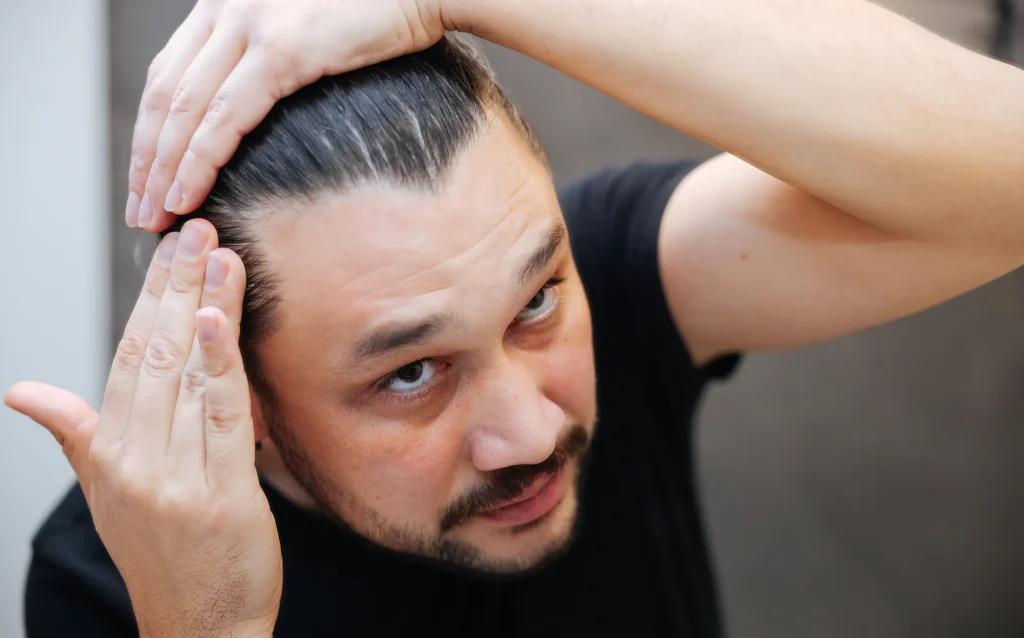
Once that connection entered the conversation, it spread fast. Forums, gym discussions, Reddit threads. The narrative stuck.
Let’s break down where it actually comes from.
The 2009 Study That Sparked the Concern
Most of the does creatine cause baldness discussion traces back to a small study on rugby players.
Participants followed a creatine loading phase, then maintenance dosing. Researchers observed an increase in DHT levels during the study period.
That was enough to raise eyebrows.
DHT is strongly linked to androgenetic alopecia creatine concerns. It plays a key role in follicle miniaturization in people genetically predisposed to hair loss.
So the assumption formed quickly.
Higher DHT = higher risk of hair loss.
But there are two important points here.
- The study did not measure hair loss
- The sample size was small and very specific
That distinction matters more than it seems.
Why DHT Became the Focus
DHT has a clear role in pattern hair loss. No debate there.
In genetically sensitive follicles, DHT gradually shrinks hair strands. Over time, hair becomes thinner, shorter, and eventually stops growing.
So when people hear does creatine increase DHT, the concern feels valid.
But hormone fluctuation alone doesn’t automatically translate into visible shedding. Hair loss is slower. More complex. It depends on follicle sensitivity, duration of exposure, and genetic predisposition.
In other words, two people can have similar DHT levels and completely different hair outcomes.
Why the Link Feels Real for Many People
Here’s where confusion usually starts.
People begin taking creatine during periods of change:
- harder training routines
- calorie deficits or cutting phases
- increased stress on the body
- sleep changes
All of these can trigger hair shedding on creatine, even when creatine itself is not the cause.
This type of shedding is often temporary. It’s known as telogen effluvium. And it can appear suddenly.
That timing creates a strong mental link.
“We often see patients associate hair loss with the most recent change in their routine. In reality, hair shedding typically reflects events from weeks or even months earlier.”
— Dr. Mehmet Erdoğan, Smile Hair Clinic
So the belief that creatine and hair loss are directly connected often comes from overlapping timelines, not clear causation.
What the Research Actually Shows
If you search “does creatine cause hair loss”, you’ll see a mix of confident claims and cautious answers. The truth sits somewhere in between. It depends on what was actually measured.
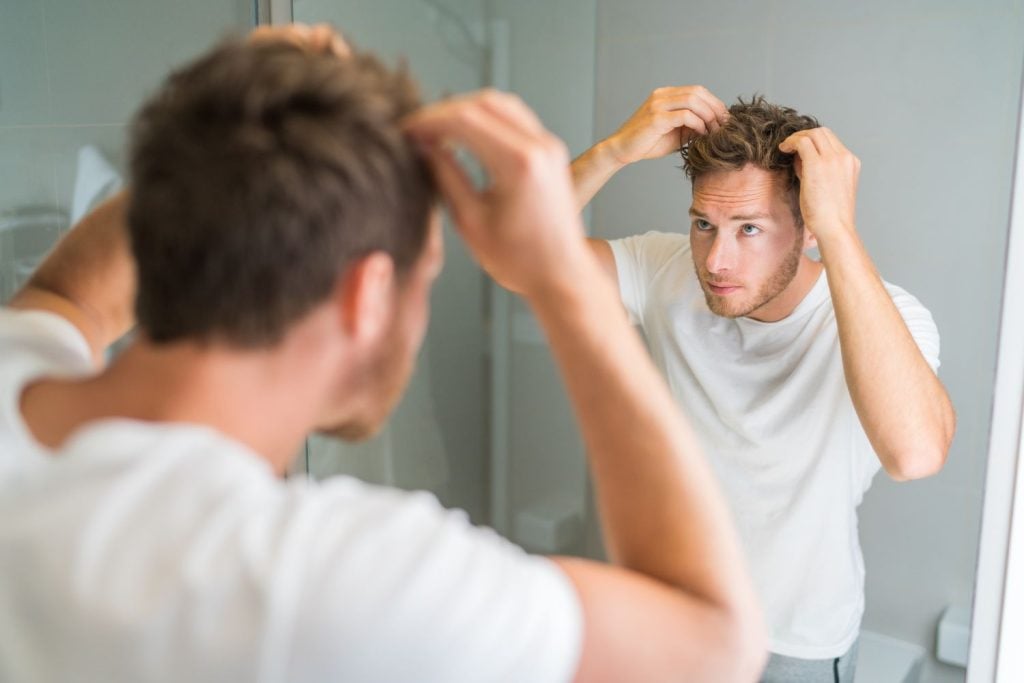
Most discussions focus on creatine DHT changes. Fewer look at real hair outcomes.
Let’s separate those.
What the 2009 Study Actually Found
The original study involved rugby players using creatine over several weeks.
Researchers observed:
- an increase in DHT levels
- no direct measurement of creatine hair loss
- a small, specific participant group
That last point matters.
Athletes. Intense training. Controlled environment.
It raised a valid question. It didn’t answer it.
What Later Research and Reviews Found
Follow-up discussions and reviews looked deeper into creatine and hair loss.
The general pattern:
- no consistent evidence that creatine increases testosterone long-term
- no direct clinical proof linking creatine to visible hair thinning
- no replication of strong DHT spikes across broader populations
So the early signal did not turn into a confirmed pattern.
That’s where many modern health sources base their reassurance.
What the Newer Controlled Trial Adds
More recent controlled research took a different approach. It looked beyond hormones.
Participants were monitored for:
- DHT and testosterone changes
- DHT:testosterone ratio
- actual hair-related parameters over time
The outcome was clear.
No significant difference between creatine users and placebo in terms of hormone levels or measurable hair effects.
This is a key shift.
Instead of asking “does creatine increase DHT”, the focus moved to:
does creatine actually change hair outcomes?
So far, the answer remains no.
What This Means in Real Life
The evidence today suggests:
- creatine causes baldness is not supported by direct data
- hormone-based concerns exist, but remain unproven in practice
- real-world hair loss is more strongly linked to genetics and timing
That said, individual perception still matters. If someone starts noticing creatine hair thinning, it’s worth stepping back and reviewing the full picture.
“We evaluate hair loss based on pattern, progression, and history. Supplements are rarely the primary cause. Genetics and physiological stress are much more common drivers.”
— Dr. Firdavs Ahmedov, Smile Hair Clinic
Does Creatine Increase DHT?
This is where most of the confusion sits.
Searches like “does creatine increase DHT” or “creatine testosterone hair loss” come up for a reason. People aren’t really worried about creatine itself. They’re worried about what it might do to hormones.
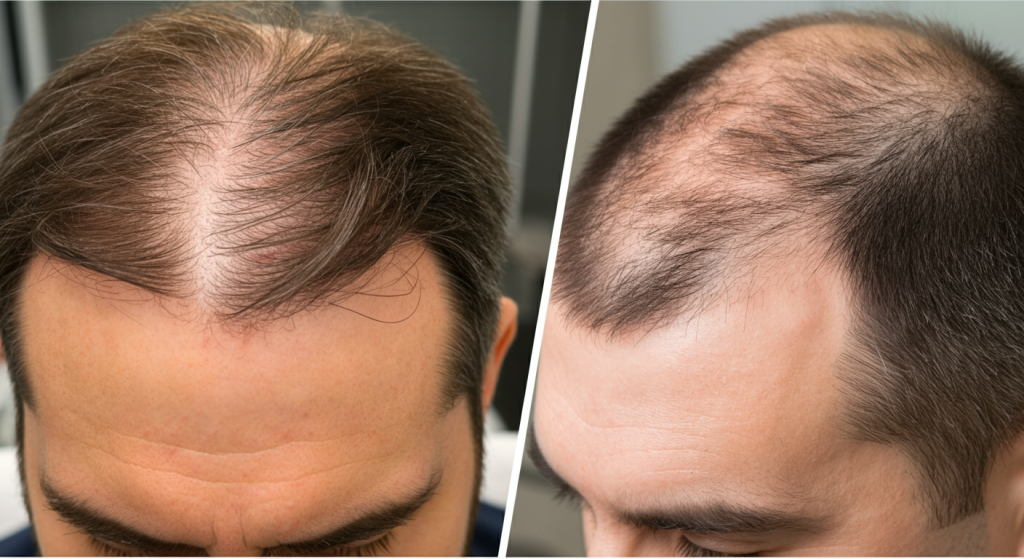
And more specifically, DHT.
Indirect Hormone Theory vs Real Hair Outcomes
DHT plays a clear role in pattern hair loss. In people with genetic sensitivity, it gradually weakens hair follicles.
So the concern sounds logical.
If creatine DHT levels increase, could that accelerate thinning?
That question came from the earlier study we mentioned. But later research has not consistently shown the same hormonal changes. More importantly, it has not shown actual hair loss linked to creatine use.
That distinction is key.
A temporary shift in hormone levels does not automatically lead to visible hair shedding.
Hair loss is slow. Progressive. Driven by long-term follicle sensitivity.
Why “Higher DHT” Doesn’t Equal Hair Loss
Even if DHT rises slightly, several factors determine what happens next:
- genetic predisposition
- follicle sensitivity to DHT
- duration of exposure
- overall scalp health
Without genetic susceptibility, higher DHT alone usually doesn’t trigger creatine hair thinning.
This is why many users take creatine for years with no change in hair density.
What About the DHT:Testosterone Ratio?
Some discussions focus on this ratio rather than absolute levels.
In theory, a shift could suggest more DHT activity. In practice, recent controlled research has not shown meaningful differences between creatine users and non-users in this ratio.
So again, the signal is weak.
What This Means If You’re Concerned
If you’re already prone to androgenetic alopecia creatine concerns, meaning you have a family history or early signs of thinning, it’s reasonable to pay attention.
Not out of fear. Out of awareness.
For most people, though, the current evidence does not support the idea that creatine meaningfully increases hair loss risk.
“DHT-related hair loss depends on follicle sensitivity, not just hormone levels. We focus on genetic patterns and progression rather than isolated lab values.”
— Dr. Ali Osman Soluk, Smile Hair Clinic
Who Might Still Be Concerned?
Most people using creatine will not experience creatine hair loss. That’s what current evidence suggests.
Still, some groups tend to look at this topic more carefully. Not out of panic. More out of awareness.
People with a Family History of Hair Loss
If male or female pattern hair loss runs in your family, your follicles may already be sensitive to DHT.
This is where searches like “creatine and genetic hair loss” come from.
In these cases, hair thinning can begin gradually. Sometimes unnoticed at first. Starting creatine may happen around the same time early signs appear.
That overlap can feel like cause and effect.
In reality, it’s often progression of underlying androgenetic alopecia creatine concerns.
People Already Noticing Early Thinning
If you’ve seen:
- a widening part
- slight crown visibility
- finer hair texture over time
you’re already in the early stages of hair miniaturization.
At this point, even small changes in routine can draw attention to shedding.
This leads to questions like:
“should I stop creatine if I’m losing hair”
The more useful step is understanding the pattern.
Gradual thinning over months points to genetics. Sudden shedding over weeks points elsewhere.
People Using Multiple Performance Supplements
Creatine alone is well studied.
Stacking supplements is different.
Pre-workouts, fat burners, hormonal boosters. These can affect sleep, stress levels, or hormone balance indirectly.
When combined, they make it harder to identify what’s actually happening.
This is where confusion around creatine hair thinning increases.
People Under High Physical or Mental Stress
Intense training cycles, aggressive dieting, or life stress can trigger shedding.
This type is temporary. Often delayed.
So when someone starts creatine during a demanding phase, shedding may follow weeks later.
The connection feels direct. The cause often isn’t.
“We look at timing carefully. Sudden shedding is rarely genetic. It’s usually triggered by stress, illness, or metabolic changes rather than a single supplement.”
— Dr. M. Reşat Arpacı, Smile Hair Clinic
So yes, some people should pay closer attention. Not to avoid creatine entirely. More to understand what their hair is already doing.
If You Notice Hair Shedding While Taking Creatine, What Is More Likely Going On?
Seeing more hair fall after starting creatine can feel alarming. Many people immediately connect it to creatine hair loss.
In most cases, something else is happening.
Hair shedding has patterns. Once you understand them, the picture becomes clearer.
Androgenetic Alopecia (Pattern Hair Loss)
This is the most common cause of gradual thinning.
It shows up as:
- receding temples
- thinning crown
- finer, shorter hairs over time
It develops slowly. Months, sometimes years.
So when someone asks “does creatine cause baldness”, what they’re often seeing is existing pattern hair loss becoming more noticeable.
Creatine doesn’t initiate this process. Genetics does.
Telogen Effluvium (Stress-Triggered Shedding)
This one is different.
It’s sudden. Diffuse. Noticeable within weeks.
Common triggers include:
- aggressive dieting or calorie deficit
- intense new training routines
- illness or recovery periods
- sleep disruption or mental stress
This is where hair shedding on creatine gets misinterpreted.
The timing overlaps. The cause usually sits elsewhere.
And here’s the key detail.
Telogen effluvium often starts 6–10 weeks after the trigger, not immediately.
Nutritional Gaps and Training Changes
When people begin creatine, they often change other habits too.
Higher protein intake. Cutting calories. New workout intensity.
That can lead to:
- low iron levels
- insufficient overall calories
- micronutrient imbalance
All of these can affect hair cycling.
So the question shifts from “creatine and hair loss” to:
what changed at the same time?
How to Read Your Own Pattern
A quick way to differentiate:
- gradual thinning → likely genetic
- sudden heavy shedding → likely temporary trigger
- patchy loss → needs medical evaluation
“When shedding is sudden, we look for triggers in the previous 2–3 months. It’s rarely tied to a single supplement in isolation.”
— Dr. Gökay Bilgin, Smile Hair Clinic
So before stopping creatine, step back.
Look at timing. Pattern. Context.
Should You Stop Taking Creatine?
This is the point where most people hesitate.
You notice shedding. You start thinking,
“should I stop creatine if I’m losing hair?”
The answer depends on what kind of hair change you’re seeing.
When You Likely Don’t Need to Stop
If your situation looks like this:
- no clear increase in daily shedding
- no sudden change in hair density
- no visible pattern change in crown or temples
then continuing creatine is usually reasonable.
There’s no solid evidence showing creatine causes baldness in otherwise healthy individuals. If nothing has changed in your hair, stopping may not add any benefit.
When a Pause-and-Track Approach Makes Sense
If you’re noticing something new, don’t jump straight to conclusions. Instead, test it properly.
A simple approach:
- pause creatine for 4–6 weeks
- track shedding and hair density
- avoid changing other variables at the same time
This gives you cleaner feedback.
If shedding continues at the same rate, creatine is unlikely the cause. If it improves, you can reassess with more confidence.
When to Look Beyond Creatine
Some signs point away from supplements and toward underlying causes:
- gradual thinning over months
- family history of hair loss
- visible miniaturization of hairs
- ongoing shedding regardless of supplement use
In these cases, the focus should shift to androgenetic alopecia creatine concerns and proper diagnosis.
When to See a Specialist
If shedding is:
- persistent beyond 2–3 months
- severe or worsening
- accompanied by scalp symptoms
it’s worth getting evaluated.
A proper assessment looks at pattern, scalp health, and history. Not just recent supplement use.
“Stopping creatine is rarely the long-term solution. Identifying the real cause allows us to treat the condition early and more effectively.”
— Dr. Firdavs Ahmedov, Smile Hair Clinic
A Balanced Way to Think About It
Creatine is one of the most studied supplements in sports science.
Hair loss, on the other hand, is deeply tied to genetics and internal balance.
If you’re concerned about creatine hair thinning, treat it as a signal to investigate. Not a conclusion on its own.
Does Creatine Cause Hair Loss in Women?
This question comes up more often than you’d expect.
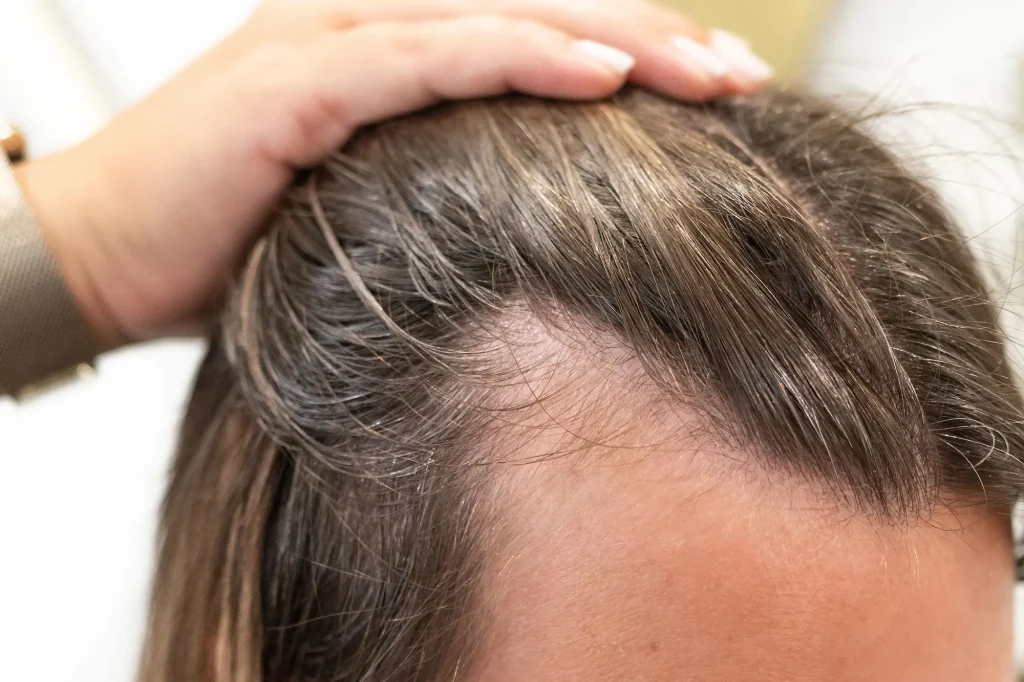
Searches like “does creatine cause hair loss in females” are growing. And the concern is valid. Hair thinning in women feels different. It’s less talked about, but often more distressing.
Here’s the clear answer.
There is no solid evidence showing that creatine and hair loss are directly linked in women.
How Hair Loss Works Differently in Women
Female hair loss usually doesn’t follow the same pattern as men.
Instead of a receding hairline, it shows up as:
- widening part line
- overall thinning across the scalp
- reduced hair volume over time
This is still linked to androgen sensitivity, but the presentation is more diffuse.
So the question becomes:
If creatine DHT levels were affected, could that impact women differently?
So far, research hasn’t shown meaningful hormonal disruption from creatine in women that leads to visible hair loss.
Why Some Women Still Notice Shedding
The pattern we see is similar to men, but often more tied to lifestyle shifts.
Common triggers include:
- calorie restriction or dieting
- iron deficiency
- hormonal fluctuations
- stress or intense training changes
When creatine is added during this period, it can get blamed.
This leads to concerns about creatine hair thinning, even when the underlying cause is something else.
What If You’re Already Prone to Thinning?
If there’s a family history of hair loss, or early signs like reduced density, it’s worth being mindful.
Not necessarily avoiding creatine. Just observing changes more carefully.
In these cases:
- track shedding patterns
- avoid stacking multiple new supplements
- keep nutrition stable
A Clinical Perspective
“In female patients, hair shedding is often linked to nutritional status or hormonal balance. Creatine is rarely the primary factor when we evaluate the full picture.”
— Dr. Mehmet Erdoğan, Smile Hair Clinic
So if you’re wondering whether creatine causes baldness in women, current evidence doesn’t support that.
But your overall lifestyle still matters.
Is Hair Loss From Creatine Permanent?
This is where concern usually peaks.
People don’t just ask “does creatine cause hair loss”. They ask something more serious.
If it happens… is it permanent?
Here’s the clear answer.
There is no evidence showing that creatine hair loss leads to permanent damage on its own.
What matters is the type of hair loss behind it.
If Shedding Is Temporary
When shedding is linked to stress, diet, or sudden lifestyle change, it’s usually telogen effluvium.
This type of hair loss:
- appears suddenly
- affects the whole scalp
- stabilizes once the trigger is resolved
Hair typically regrows within a few months.
So if someone notices hair shedding on creatine during a demanding period, the recovery depends on fixing the underlying trigger. Not necessarily stopping creatine.
If It’s Genetic Hair Loss
This is where things change.
In androgenetic alopecia creatine discussions, the key factor is genetics.
This type of thinning:
- progresses slowly
- affects specific areas like crown or temples
- does not reverse on its own
Creatine does not cause this condition.
But if it starts around the same time, it can feel connected.
That’s why many people believe creatine causes baldness, when they’re actually seeing the early stages of genetic hair loss.
Why the Distinction Matters
Temporary shedding and genetic thinning behave very differently.
- sudden shedding → often reversible
- gradual miniaturization → requires treatment
Understanding which one you’re dealing with changes everything.
What About Long-Term Creatine Use?
Many long-term users report no noticeable hair changes.
This aligns with current research. There’s no consistent evidence that creatine leads to progressive or permanent creatine hair thinning over time.
Clinical Insight
“Permanent hair loss is driven by follicle sensitivity and genetics. When we assess patients, creatine is almost never the root cause of lasting thinning.”
— Dr. Ali Osman Soluk, Smile Hair Clinic
So if you’re worried about permanence, focus less on the supplement.
Focus on the pattern.
That tells you far more about what’s really happening.
Other Creatine Side Effects Worth Knowing
By this point, the question “does creatine cause hair loss” becomes part of a bigger picture.
Creatine is one of the most studied supplements in sports nutrition. Its safety profile is generally well understood. Hair loss is not listed as a confirmed or common side effect.
But there are a few things people do notice.
Common, Mild Effects
Most side effects are related to how creatine affects water balance and digestion.
These include:
- slight water retention, especially in the first weeks
- temporary weight increase due to intracellular water
- mild stomach discomfort if taken in large doses
These are usually short-term. They often settle once dosing becomes consistent.
Dosing Mistakes Matter More Than the Supplement
Many issues linked to creatine monohydrate side effects come from how it’s used.
For example:
- aggressive loading phases
- taking too much at once
- low fluid intake
These don’t cause creatine hair thinning, but they can create unnecessary discomfort and confusion.
A steady daily dose tends to be better tolerated.
What Creatine Does Not Commonly Cause
Based on current evidence and clinical experience, creatine is not strongly associated with:
- hormonal disruption leading to visible hair loss
- long-term testosterone imbalance
- direct follicle damage
This is why the link between creatine and hair loss remains unproven.
Why Side Effects Get Misinterpreted
When people start creatine, they often change multiple habits at once.
More training. Different diet. New supplements.
If something feels off, creatine becomes the obvious suspect.
But correlation can be misleading.
“We always ask what else changed at the same time. In most cases, it’s a combination of factors rather than creatine itself.”
— Dr. M. Reşat Arpacı, Smile Hair Clinic
A Practical Takeaway
If you’re using creatine:
- keep your dose consistent
- stay well hydrated
- avoid stacking unnecessary supplements
And if your concern is still does creatine cause baldness, the current evidence continues to point in the same direction.
It’s not a primary cause.
Bottom Line: Should You Worry About Creatine and Hair Loss?
If you’ve read this far, you’re likely still asking one thing.
Does creatine cause hair loss, yes or no?
Here’s the most accurate answer based on current evidence and clinical experience.
No, creatine hair loss is not a proven or direct effect.
The concern comes from a hormone-related theory, mainly around creatine DHT levels. But real-world studies have not shown that creatine leads to visible, consistent hair thinning or baldness.
What people often experience is something else.
Hair loss is influenced by:
- genetics
- stress and recovery
- nutrition and calorie intake
- hormonal sensitivity over time
When these factors shift, shedding can follow. If creatine happens to be introduced at the same time, it becomes the easiest explanation.
That’s where the confusion around creatine and hair loss builds.
What You Should Do From Here
If you’re not noticing any changes in your hair, there’s no strong reason to avoid creatine.
If you are seeing shedding:
- look at timing and pattern
- review recent lifestyle changes
- track progression over a few weeks
- consider a short pause if you want clarity
And if thinning continues or follows a clear pattern, it’s worth getting a proper evaluation.
Early assessment makes a real difference.
“Hair loss should be approached systematically. When patients come early, we can slow or stabilize the process much more effectively.”
— Dr. Gökay Bilgin, Smile Hair Clinic
A Clear Way to Think About It
- creatine causes baldness → not supported by evidence
- creatine hair thinning → often misattributed timing
- androgenetic alopecia creatine concerns → driven by genetics, not supplements
So the focus shifts.
Not fear of creatine.
Understanding your own hair pattern.
Frequently Asked Questions
Does creatine cause hair loss?
No clear evidence shows that creatine hair loss is a direct effect. The concern mainly comes from discussions around creatine DHT, but studies have not confirmed that creatine leads to visible or consistent hair shedding in real life.
Does creatine increase DHT?
Some early research suggested a possible increase in DHT levels, which led to concern around creatine and hair loss. More recent studies have not consistently confirmed this. Even in cases where hormones fluctuate slightly, that does not automatically lead to hair loss.
Should I stop creatine if I’m losing hair?
Not immediately. If you notice hair shedding on creatine, first look at timing and pattern. Sudden shedding is often linked to stress, diet, or lifestyle changes. You can pause creatine for a few weeks and track changes, but in many cases, it’s not the main cause.
Can creatine make genetic hair loss worse?
There is no strong evidence showing that creatine accelerates androgenetic alopecia creatine progression. If you are genetically prone to hair loss, thinning can happen over time regardless of supplement use. Creatine may coincide with the timing, but it is not considered a trigger.
Does creatine cause hair loss in females?
Current evidence does not show that does creatine cause hair loss in females is a real concern. Hair shedding in women is more often linked to hormonal balance, nutrition, or stress rather than creatine itself.
Is hair loss from creatine permanent?
There is no evidence suggesting that creatine causes baldness or permanent follicle damage. If shedding occurs, it is usually temporary and linked to other factors. Permanent hair loss is typically genetic, not supplement-driven.
What should I do if I notice hair thinning while using creatine?
Focus on the bigger picture. Review recent changes in training, diet, stress, and sleep. Track your shedding pattern over several weeks. If thinning continues or follows a clear pattern, a professional evaluation will give you a more accurate answer than guesswork.
Get Clarity Before You Make a Decision
If you’re still wondering whether what you’re seeing is creatine hair thinning or the early signs of something else, don’t leave it to guesswork.
Hair loss has patterns. Once you see them clearly, decisions become easier.
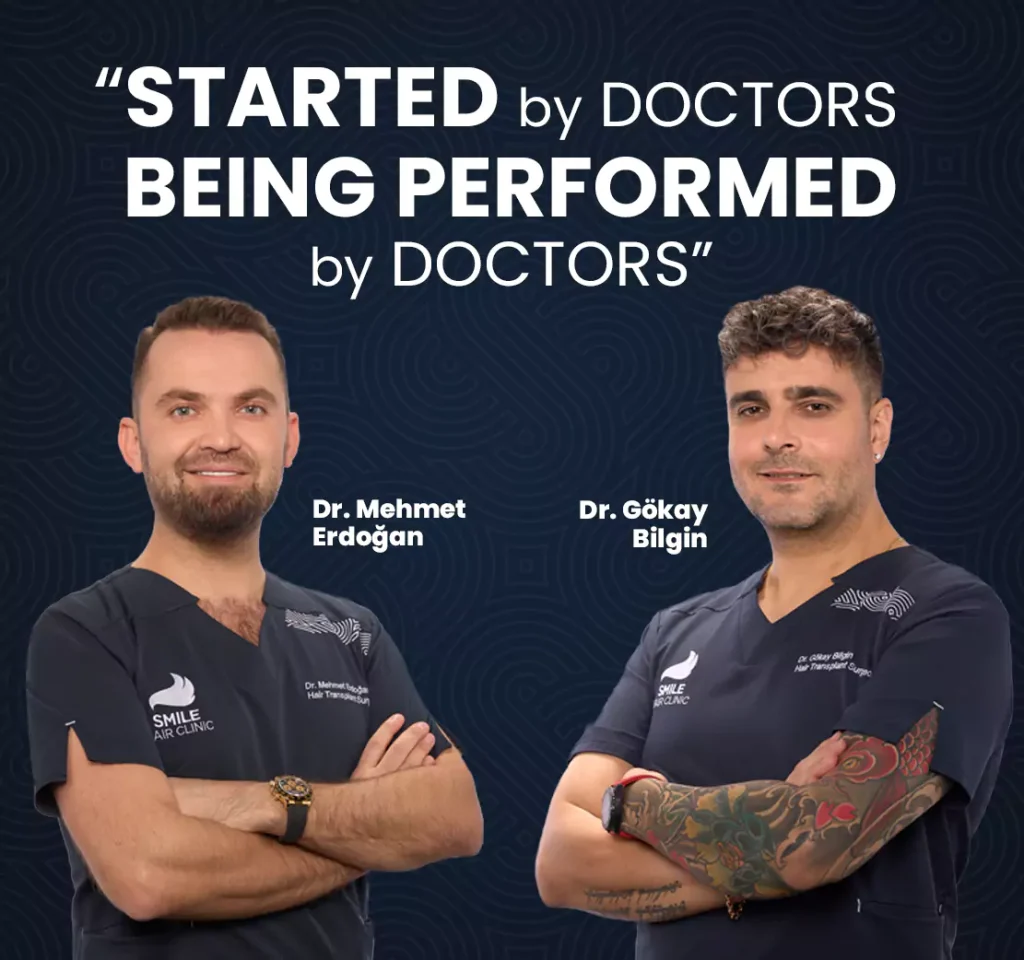
At Smile Hair Clinic, the focus is not just on treatment. It starts with understanding:
- your hair density and donor strength
- whether there’s miniaturization already
- if the shedding is temporary or progressive
- how your timeline fits into the bigger picture
You get a clear explanation. No assumptions. No unnecessary steps.
“The earlier we understand the pattern, the more options we have to protect and manage hair loss effectively.”
— Dr. Mehmet Erdoğan, Smile Hair Clinic
If you’re using creatine and feeling unsure, the best move is simple.
Get your hair assessed properly.
Speak with the Smile Hair Clinic team and receive a personalized evaluation based on your current hair condition, not general opinions online.
It takes one clear answer to remove weeks of doubt.
